

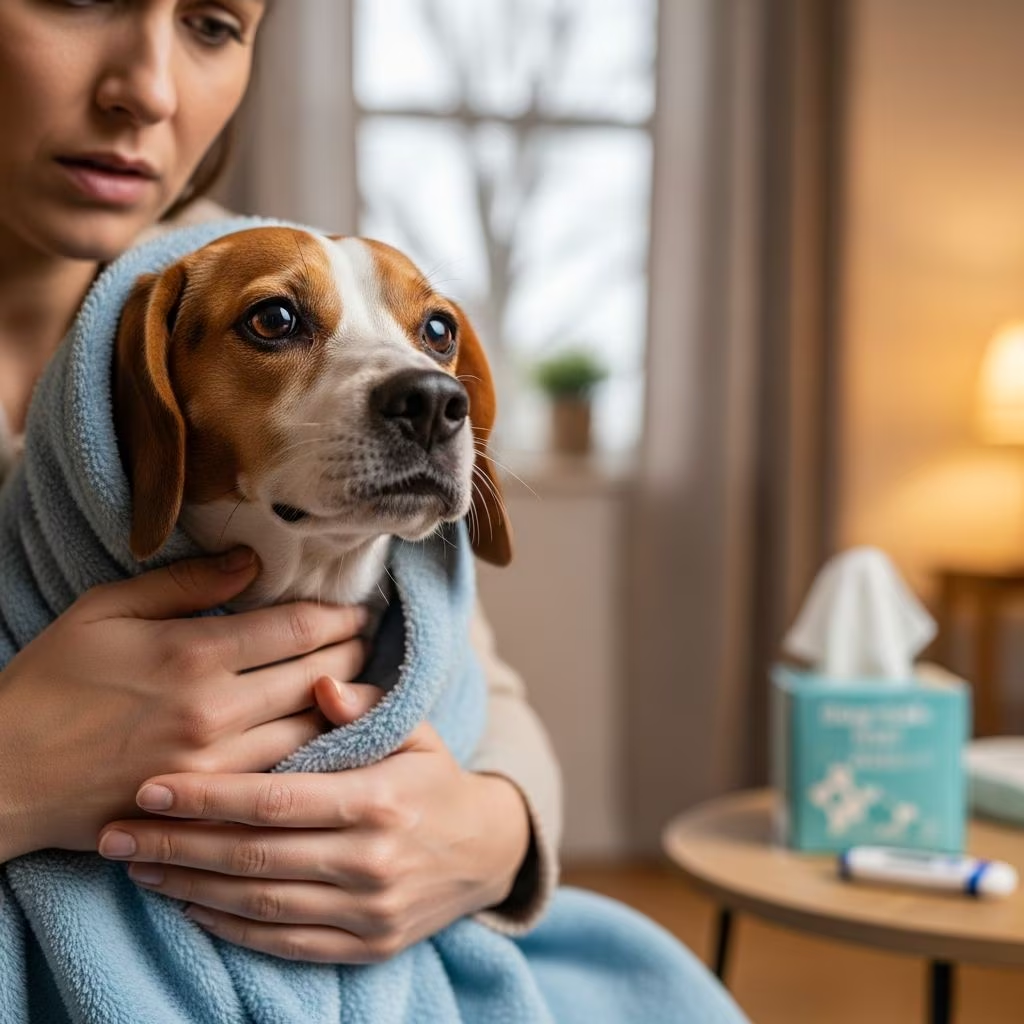
Respiratory illnesses in dogs, often referred to as kennel cough or more severe conditions like pneumonia, pose significant health risks, especially in crowded environments like kennels or dog parks. These infections spread rapidly through airborne droplets, direct contact, or contaminated surfaces, affecting dogs of all ages but hitting puppies, seniors, and those with weakened immune systems hardest. Early recognition of symptoms and prompt action can prevent complications, ensuring your dog’s swift recovery and safety.
Recognizing the Signs of Respiratory Illness in Dogs
Identifying respiratory issues early is crucial for timely intervention. Common symptoms include a persistent dry or moist cough that worsens with excitement or exercise, frequent sneezing, nasal and eye discharge (clear, yellow, or white foam), labored or rapid breathing, fever above 101.5°F (38.6°C), lethargy, loss of appetite, and in severe cases, weakness or blue gums indicating oxygen deprivation.
Upper respiratory infections mimic human colds with coughing, sneezing, runny nose, sore throat signs (like gagging), and eye discharge leading to conjunctivitis. Watch for behavioral changes such as reluctance to play or walk, signaling discomfort. If symptoms persist beyond 24-48 hours or escalate to difficulty breathing, immediate veterinary attention is essential to rule out pneumonia or canine influenza.
- Coughing: Dry, honking cough typical of kennel cough; moist cough suggests pneumonia.
- Sneezing and Discharge: Nasal/eye mucus, often foamy or colored.
- Breathing Issues: Shallow, rapid breaths or wheezing.
- Systemic Signs: Fever, lethargy, anorexia, weight loss.
Differentiate from allergies or heart disease; vets use physical exams, X-rays, bloodwork, or swabs for accurate diagnosis.
Common Causes of Respiratory Illness
Most cases stem from viral-bacterial complexes like Bordetella (kennel cough), canine influenza, parainfluenza, adenovirus, or mycoplasma. Fungal infections, parasites, or aspiration pneumonia from vomiting also occur. Chronic conditions like bronchitis or eosinophilic bronchopneumopathy (EBP) cause similar symptoms with inflammation leading to secondary infections.
Outbreaks surge in shelters or boarding facilities due to stress-weakened immunity. Unvaccinated dogs face higher risks, but even vaccinated ones can contract milder forms. Environmental factors like smoke, dust, or cold air exacerbate issues.
When to See a Vet Immediately
Not all coughs require a vet, but seek help if symptoms last over a week, include high fever (>103°F), severe lethargy, refusal to eat/drink, blue gums, or collapse. Pneumonia demands urgent care with hospitalization for oxygen, nebulizers, IV fluids, and antibiotics.
Puppies under 6 months, seniors over 8 years, or dogs with pre-existing conditions (heart disease, immune disorders) are high-risk. Diagnostic tests like chest X-rays confirm pneumonia vs. bronchitis. Delaying can lead to life-threatening complications.
Treatment Options for Respiratory Infections
Treatment varies by cause: viral cases focus on supportive care, while bacterial require antibiotics like doxycycline or Clavamox. Antivirals are rare but used for flu.
| Condition | Treatment | Duration |
|---|---|---|
| Kennel Cough | Cough suppressants, rest, humidifier | 1-3 weeks |
| Canine Flu | Supportive: fluids, nutrition; antibiotics for secondary infection | 2-4 weeks |
| Pneumonia | Hospitalization, oxygen, IV antibiotics, nebulization | 4-6 weeks |
| Chronic Bronchitis | Corticosteroids, bronchodilators | Ongoing |
Severe cases may need chest percussion or mucoactive agents to clear mucus. Always complete antibiotic courses to prevent resistance. Holistic options like homeopathy require vet oversight.
Home Care and Supportive Measures
Complement vet treatment with home strategies to aid recovery. Keep your dog rested in a quiet, warm space, limiting activity to short leash walks. Ensure constant fresh water access; offer low-sodium broth if refusing water.
- Humidify Air: Use cool-mist humidifiers or steam from hot showers (sit nearby 10-15 mins, 2-3x/day) to loosen mucus.
- Hydration and Nutrition: Feed warm, soft foods like boiled chicken/rice; elevate bowls to ease swallowing.
- Natural Remedies: Echinacea or Vitamin C (from strawberries/peppers) boosts immunity; honey (1/2 tsp for small dogs) soothes cough—but consult vet first. Avoid NSAIDs like ibuprofen, toxic to dogs.
- Cleanliness: Wipe discharge gently with saline; disinfect bowls/toys daily.
Monitor temperature rectally; fever >103°F warrants immediate vet call. Most recover in 1-3 weeks with care.
Preventing the Spread to Other Pets
Respiratory illnesses are highly contagious. Isolate sick dogs for 2-4 weeks, avoiding dog parks, grooming, or boarding. Separate from other pets; use separate bowls/walk areas.
Vaccinate against Bordetella (intranasal/oral preferred), canine flu (H3N2/H3N8), and core vaccines. Annual boosters recommended for at-risk dogs. Practice hygiene: handwash after handling, sanitize surfaces with pet-safe disinfectors.
- Quarantine new dogs 2 weeks before group introduction.
- Avoid high-risk areas during outbreaks.
- Boost immunity via balanced diet, probiotics, minimal processed foods.
Long-Term Management and Recovery
Follow-up vet visits ensure full recovery; repeat X-rays for pneumonia. Chronic cases need ongoing meds like inhalers. Support lung health with omega-3s, antioxidants, and weight control to prevent recurrence.
Recovery timelines: mild 7-14 days; pneumonia 4+ weeks. Watch for relapse signs. Strong immunity via fresh whole-food diets reduces future risks.
Frequently Asked Questions (FAQs)
Q: How long does a respiratory infection last in dogs?
A: Typically 1-3 weeks for mild cases like kennel cough; pneumonia may take 4-6 weeks with treatment.
Q: Can dogs recover from respiratory infections without antibiotics?
A: Yes, viral infections resolve with supportive care; bacterial ones need antibiotics.
Q: What are the first signs of respiratory illness in dogs?
A: Coughing, sneezing, nasal/eye discharge, lethargy.
Q: Is kennel cough the same as dog flu?
A: No; kennel cough is Bordetella-led, dog flu is viral (influenza), but symptoms overlap.
Q: How to treat dog cough at home?
A: Steam therapy, humidifier, rest, honey; vet for persistent cough.
Q: When is pneumonia suspected in dogs?
A: Moist cough, fever, lethargy, breathing difficulty post-respiratory infection.
References
- Respiratory Infection In Dogs: Symptoms & Management — Dogs Naturally Magazine. 2023-10-15. https://www.dogsnaturallymagazine.com/5-ways-to-manage-respiratory-infection-in-dogs/
- Respiratory Illnesses In Dogs — Trudell Animal Health. 2024-05-20. https://trudellanimalhealth.com/blogs/blog/respiratory-illnesses-in-dogs
- What Dog Owners Need to Know About Canine Respiratory Infections — American Animal Hospital Association (AAHA). 2024-01-10. https://www.aaha.org/resources/what-dog-owners-need-to-know-about-canine-respiratory-infections/
- Dog Flu (Canine Influenza): Symptoms and Treatment — PetMD. 2024-08-12. https://www.petmd.com/dog/conditions/respiratory/dog-flu-canine-influenza-dogs
- Dog Upper Respiratory Infection Symptoms — ASPCA Pet Insurance. 2023-11-05. https://www.aspcapetinsurance.com/resources/dog-upper-respiratory-infection-symptoms/
- Dog Respiratory Illness: Recognizing Symptoms and Seeking Care — Lane Animal Hospital. 2024-03-18. https://lanevet.com/blog/dog-respiratory-illness/
- Canine infectious respiratory disease complex (Kennel cough) — American Veterinary Medical Association (AVMA). 2024-09-01. https://www.avma.org/resources-tools/pet-owners/petcare/canine-infectious-respiratory-disease-complex-kennel-cough



