

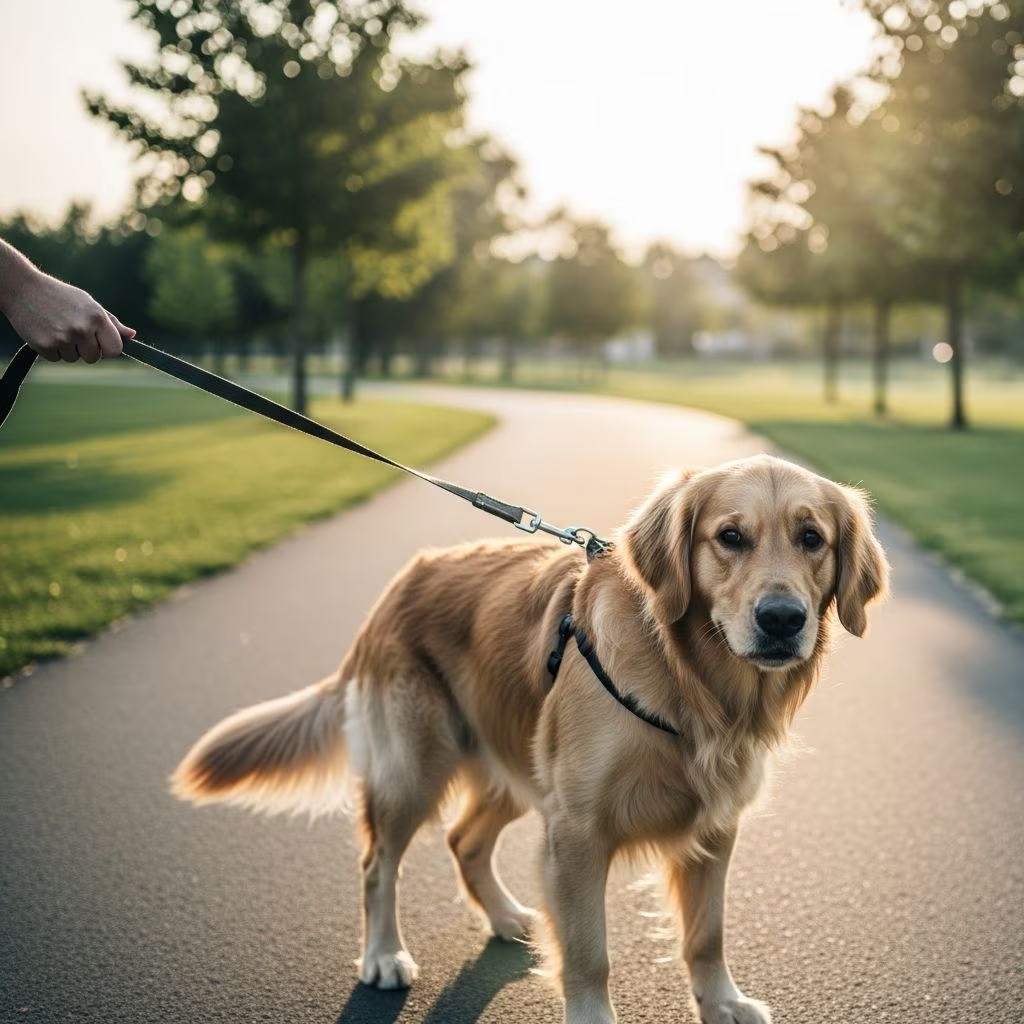
One of the most frustrating experiences for dog owners is when their furry companion suddenly becomes unwilling to take walks. This behavior can stem from numerous underlying causes, ranging from physical discomfort to psychological distress. When your dog refuses to move forward, pulls back, or shows visible signs of distress during walks, it’s essential to understand that something specific is prompting this reaction. Rather than viewing this as defiance or stubbornness, recognizing that your dog is communicating a genuine problem is the first step toward resolution.
Walking serves as a cornerstone of canine health and wellbeing, providing essential exercise, mental stimulation, and behavioral regulation. When dogs resist this activity, they’re often signaling that something requires attention. By identifying the root cause of your dog’s reluctance, you can implement targeted solutions that restore their confidence and enthusiasm for outdoor activities.
Physical Discomfort: The Silent Barrier to Movement
Joint complications and age-related stiffness represent one of the most common reasons dogs develop walking resistance. As dogs advance in age, their bodies undergo significant changes that directly impact mobility. The cartilage and joint fluid that provide cushioning deteriorate over time, resulting in increased friction between bones and reduced shock absorption during movement.
Senior dogs experiencing these changes often display specific behavioral indicators. You might notice they hesitate before beginning a walk, struggle to rise after resting, or slow their pace more quickly than they previously did. Some dogs will actively avoid certain surfaces or terrains they once navigated easily. These signs indicate that walking has become uncomfortable rather than enjoyable.
Beyond age-related deterioration, younger dogs can experience joint complications due to injuries, congenital conditions, or breed predispositions. Hip dysplasia, for example, affects many large-breed dogs and can cause significant pain during weight-bearing activities.
Addressing Joint-Related Walking Reluctance
- Incorporate joint-supporting supplements such as glucosamine or omega-3 fatty acids, with veterinary guidance
- Provide orthopedic bedding that reduces pressure on joints during rest periods
- Adjust walk duration and intensity to match your dog’s physical capabilities
- Explore prescribed physical therapy or medications recommended by your veterinarian
- Select softer walking surfaces to minimize joint impact
Paw injuries and footpad damage present another overlooked cause of walking resistance. Dogs traverse the ground directly with their paws, making them vulnerable to cuts, cracks, and abrasions from rough terrain, hard surfaces, or sharp objects. When experiencing paw pain, dogs may refuse to walk, favor certain limbs, or display visible limping.
Regularly inspect your dog’s paws for signs of injury, including bleeding, swelling, or foreign objects lodged between toes. Weather extremes can also affect paw comfort—ice, salt, and extreme heat all create uncomfortable conditions for sensitive foot pads.
Systemic illness should never be overlooked when dogs suddenly change their walking behavior. Conditions ranging from infections to organ dysfunction can cause lethargy and reduced mobility. A dog that appears weak, displays unusual behavior, or shows sudden walking avoidance warrants prompt veterinary evaluation. Distinguishing between temporary fatigue and genuine illness is crucial for ensuring your dog receives appropriate care.
Leash Equipment: The Often-Ignored Contributor
Many dog owners don’t realize that the physical equipment itself might be creating discomfort. Different collar styles, harness designs, and leash weights affect how dogs experience walks.
Certain dog breeds face particular challenges with traditional collars. Miniature, toy, and brachycephalic breeds can suffer from breathing difficulties or tracheal collapse when collars place pressure on the neck during pulling. Harnesses that rub awkwardly under the arms or don’t fit properly can cause chafing and discomfort that discourages walking.
Equipment Optimization Strategies
| Equipment Type | Potential Issues | Solutions |
|---|---|---|
| Collars | Neck pressure, choking sensation, breathing restriction | Switch to harness; use lightweight collar if necessary |
| Harnesses | Rubbing under arms, improper fit, material discomfort | Try different styles and sizes; choose padded designs |
| Leashes | Heavy weight, material irritation, inappropriate length | Use lightweight leash; select comfortable materials |
Experimenting with different equipment combinations helps identify what your dog finds most comfortable. Some dogs prefer certain materials over others, and finding the right combination can transform their attitude toward walks.
Behavioral and Psychological Factors
Fear and anxiety profoundly affect a dog’s willingness to walk. Dogs experiencing fear might freeze in place, refuse to move forward, or attempt to retreat from their normal walking route. This response is particularly common in rescue dogs, dogs with past trauma, and puppies still developing confidence.
Environmental triggers vary widely between individual dogs. Loud noises such as traffic or construction equipment, unfamiliar sights like statues or parked vehicles, crowded areas, or even specific objects like trash cans can trigger anxiety responses. Once triggered, dogs may develop anticipatory fear, refusing walks before even encountering the problematic element.
Building Confidence Through Gradual Exposure
Desensitization represents an effective approach to fear-based walking reluctance. This process involves gradually introducing your dog to the fear-triggering stimulus in controlled, non-threatening circumstances. For example, if your dog fears a particular trash can on your usual route, you might begin by walking near it while providing treats and praise, gradually moving closer over multiple sessions.
- Identify the specific fear trigger with precision
- Start exposure at a distance where your dog remains calm
- Use high-value treats, toys, or a reassuring voice to create positive associations
- Progress slowly, moving closer to the trigger over successive walks
- Reward brave behavior; never reward fearful responses
- Maintain patience throughout the process
Inadequate leash training creates significant stress for dogs unfamiliar with leashed movement. When dogs haven’t been properly acclimated to leashes, the experience can feel overwhelming and frightening rather than enjoyable. These dogs might resist forward movement, pull erratically, or display signs of anxiety.
Properly leash-trained dogs understand that the leash represents a positive connection rather than a restriction or threat. Building this understanding requires time, consistency, and positive reinforcement.
Progressive Leash Training Protocol
- Introduce the leash equipment in a neutral home environment, allowing your dog to sniff and investigate for several days
- Place the harness or collar on your dog indoors without the leash attached, gradually increasing duration from minutes to extended periods
- Attach the leash during supervised indoor time before attempting outdoor walks
- Begin with very short walks in quiet, familiar locations
- Practice heel training to encourage calm walking beside you with minimal pulling
- Reward positive behavior with treats, praise, and play sessions
Avoid aversive training methods such as prong collars, shock collars, or vibration collars, as these can increase anxiety and create negative associations with walking.
Environmental and Situational Factors
Weather conditions significantly impact dogs’ walking enthusiasm. Extreme temperatures, whether excessive heat or severe cold, can make walking uncomfortable or even dangerous. Cold and wet weather can exacerbate arthritis symptoms in senior dogs, while extreme heat can quickly lead to exhaustion.
When cold weather is unavoidable, protective gear such as sweaters, jackets, and booties helps older or small dogs maintain comfort. Similarly, walking during cooler parts of the day and ensuring adequate water access during warm weather prevents heat-related fatigue.
Route monotony can gradually transform walks from exciting adventures into boring routines. Dogs benefit from environmental variation, novel scents, and changing landscapes. A dog that has become indifferent to walks might regain enthusiasm when exposed to different neighborhoods, varied walking times, or new activities.
Revitalizing Your Walking Routine
- Explore different neighborhoods and routes regularly
- Vary the time of day for walks
- Alternate between structured walks and free exploration periods
- Try different activity types—jogging, slow walking, or scent-work focused walks
- Leave familiar toys at home to encourage novel discoveries
- Visit parks or natural areas with varied terrain
Exercise duration mismatch represents another common issue. Puppies and senior dogs tire more quickly than adult dogs in their prime, and exceeding their natural energy capacity leads to refusal and reluctance. Conversely, some dogs require more mental and physical stimulation than their owners provide, leading to disengagement.
Accurately matching walk duration and intensity to your dog’s age, breed, size, and health status is essential. A senior dog might thrive on multiple short walks rather than one extended outing.
Practical Solutions and Implementation Strategies
When your dog begins refusing walks, a systematic approach to identifying the underlying cause proves most effective. Start by noting any behavioral changes, reviewing your dog’s health history, and evaluating recent environmental modifications.
Initial Assessment Steps
- Consult your veterinarian to rule out physical illness, injury, or pain
- Examine your dog’s paws for cuts, cracks, or debris
- Review recent changes in weather, walking route, or equipment
- Observe whether reluctance appears sudden or gradual
- Note any other behavioral or health changes occurring simultaneously
Once you’ve identified potential causes, you can implement targeted interventions. For physically-based issues, veterinary consultation and treatment form the foundation. For behavioral challenges, patience, consistency, and positive reinforcement techniques prove essential.
Creating positive associations with walks helps dogs overcome reluctance across multiple cause categories. Ending walks with enjoyable activities—play sessions, grooming, or cuddle time—gives dogs something to anticipate. Similarly, using high-value treats during walks reinforces positive behavior.
Working with a professional dog behaviorist can be invaluable when you cannot identify the cause or when your attempts to resolve the issue prove unsuccessful. These experts can identify specific triggers and develop customized training programs tailored to your dog’s needs.
When to Seek Professional Help
Certain situations warrant professional guidance. If your dog’s refusal to walk is sudden and accompanied by other behavioral or health changes, veterinary evaluation should be your first step. Dogs that cannot walk, appear weak or lethargic, or show signs of pain require prompt medical attention.
Professional trainers and behaviorists become valuable resources when behavioral factors are suspected and your own efforts haven’t yielded results. They bring expertise in recognizing subtle anxiety signals, developing fear-reduction protocols, and implementing training programs that might not occur to owners.
Long-Term Success: Maintaining Walking Enthusiasm
Once you’ve addressed the underlying cause of your dog’s walking reluctance, maintaining their enthusiasm requires ongoing attention. Consistency in routines, continued environmental variety, appropriate exercise levels, and regular veterinary care all contribute to sustained walking enjoyment.
Regularly assessing your dog’s physical comfort—checking paws, evaluating weight, monitoring joint health—helps you catch emerging issues before they become severe. Similarly, continuing to use positive reinforcement techniques and varying your walking experiences keeps walks enjoyable for both you and your dog.
Understanding that your dog’s resistance to walks communicates an important message transforms your approach from frustration to problem-solving. By systematically addressing physical, behavioral, and environmental factors, most dogs can return to enjoying their daily walks and the health benefits they provide.
Frequently Asked Questions
What should I do if my dog suddenly refuses to walk?
First, consult your veterinarian to rule out illness or injury. Check your dog’s paws for visible damage and observe for other behavioral changes that might indicate pain or distress. Once medical issues are ruled out, evaluate recent environmental changes, equipment modifications, or traumatic events that might trigger behavioral reluctance.
How long does it take to retrain a reluctant dog to enjoy walks?
Timeline varies significantly based on the underlying cause and individual dog temperament. Physical issues might improve quickly with medication or supplements, while behavioral retraining typically requires weeks to months of consistent work. Patience and consistency are essential throughout the process.
Can I use prong collars or shock collars to encourage walking?
These aversive training tools are not recommended and can increase anxiety and negative associations with walking. Positive reinforcement techniques using treats, praise, and gentle guidance prove far more effective and humane.
Is it normal for senior dogs to walk less?
Yes, senior dogs typically have reduced stamina and may experience joint discomfort. Adjusting expectations, reducing walk duration, and providing supplements or medications recommended by your veterinarian can help older dogs remain active comfortably.
What if my dog only refuses to walk in certain conditions?
This pattern often indicates environmental sensitivity. If reluctance appears during specific weather, on particular routes, or under certain circumstances, these triggers are likely the cause. Working to desensitize your dog to these triggers or accommodating their preferences can resolve the issue.
References
- Why Dogs Refuse to Walk, and How to Help — Lola Hemp. 2024. https://lolahemp.com/blogs/dog-health/my-dog-doesnt-want-to-walk-what-do-i-do
- Why Doesn’t My Dog Want to Walk? Causes and Solutions — Wag Walking. 2024. https://wagwalking.com/daily/why-doesnt-my-dog-want-to-walk-causes-and-solutions
- 5 Reasons Your Dog Refuses to Walk and How to Help — Vetnique. 2024. https://vetnique.com/blogs/vets-corner/reasons-your-dog-refuses-to-walk
- Dog Stops Walking and Won’t Move! Reasons & What to do — Setauket Animal Hospital. 2023. https://www.setauketanimalhospital.com/site/blog/2023/03/30/dog-stops-walking-wont-move-reasons
- Dog Refusing to Walk — James Wellbeloved. 2024. https://wellbeloved.com/blogs/dog-health/problems-dog-walking/
- What to Do if Your Dog Stops Walking and Won’t Move — Guilford Jamestown Veterinary Hospital. 2024. https://www.guilfordjamestownvet.com/site/blog-greensboro-vet/2024/02/28/dog-stops-walking



