

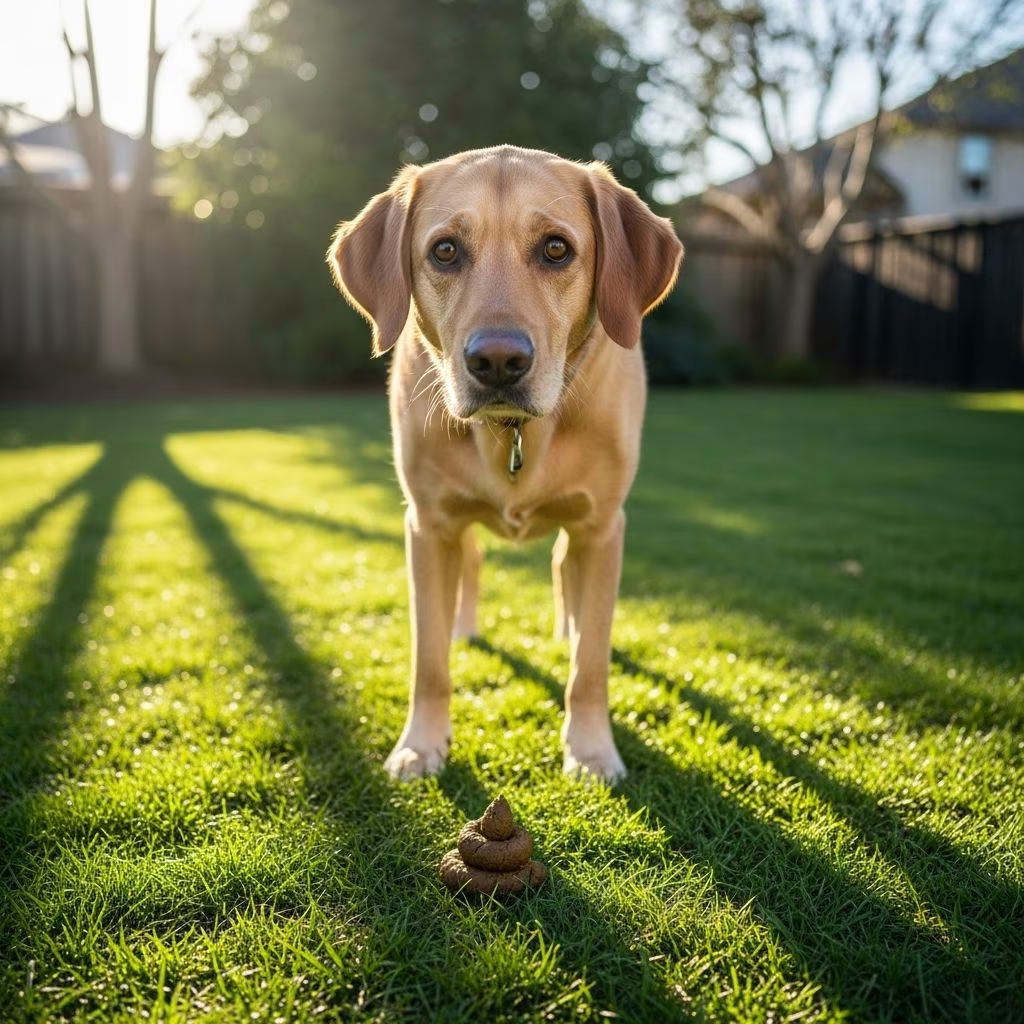
When your dog suddenly refuses to defecate in the yard or during outdoor walks, it can be frustrating for pet owners and concerning for the animal’s health. This issue extends beyond mere stubbornness—there are often legitimate physical, psychological, or environmental factors preventing your dog from eliminating outside. Understanding these underlying causes is the first step toward resolving the problem and restoring normal bathroom habits.
Identifying the Root Cause
Before implementing any solution, it’s essential to determine why your dog is avoiding outdoor elimination. The causes can range from simple preference issues to serious medical conditions that require veterinary intervention. A systematic approach to diagnosis will help you address the specific challenge your dog faces rather than applying generic solutions.
Medical Considerations
Physical discomfort often underlies refusal to defecate outside. Conditions affecting the musculoskeletal or digestive systems can make elimination painful or difficult. Dogs experiencing arthritis, hip dysplasia, or other joint problems may struggle to assume the squatting position necessary for bowel movements. When assuming this position causes pain, dogs naturally develop avoidance behaviors and may prefer to eliminate indoors where they feel safer or can move more freely.
Digestive disorders including inflammatory bowel disease, food allergies, and gastrointestinal parasites can also contribute to elimination problems. Additionally, dogs with constipation or other intestinal blockages may experience genuine difficulty passing stool, leading them to resist outdoor bathroom attempts. Any dog showing signs of straining, hesitation, or prolonged positioning should be evaluated by a veterinarian to rule out underlying medical issues before behavioral interventions are attempted.
Anxiety and Fear-Based Responses
Psychological factors play a significant role in outdoor elimination refusal. Dogs prone to anxiety disorders may find the outdoor environment overwhelming with unfamiliar stimuli. Common anxiety triggers include loud noises such as traffic, barking from neighboring dogs, or sudden movements. For anxious dogs, the urgency to eliminate becomes secondary to the desire to escape perceived threats or return to the safety of the home.
Some dogs develop specific phobias related to outdoor conditions. Weather sensitivity represents one common manifestation, where dogs refuse to venture outside during rain, snow, or extreme temperatures. Others may experience fear related to past negative experiences, such as being startled by a loud noise while in the yard, which creates an enduring association between that location and danger. These fear-conditioned responses can persist for extended periods without appropriate intervention.
Environmental and Surface Preferences
Dogs have distinct preferences regarding elimination surfaces, and changing these conditions can provoke refusal behaviors. Dogs accustomed to elimination on soft indoor surfaces such as puppy pads or carpet may resist transitioning to outdoor substrates like grass, soil, or gravel. The texture, temperature, and sensory feedback from unfamiliar surfaces can trigger avoidance in dogs without adequate desensitization.
Another environmental factor involves scent markers. Dogs rely on olfactory cues to identify appropriate elimination locations, often returning to spots where they’ve previously defecated. When yards are over-sanitized with harsh chemical cleaners or deodorizers, the familiar scent map that guides dogs to their bathroom area disappears, leaving them confused and uncertain. Conversely, a completely unmarked yard with no scent history may feel intimidating to dogs seeking confirmation through smell that a location is appropriate for elimination.
Behavioral and Habit-Related Issues
Inconsistent potty training or incomplete housetraining can result in dogs lacking clear understanding of where elimination is expected. Dogs require positive reinforcement and consistent cues to develop reliable outdoor bathroom habits. Without proper training protocols, dogs may not develop the behavioral chain linking outdoor access with bowel movements.
Changes in routine and environmental disruptions significantly impact elimination behavior. Moving to a new home, changes in family structure, alterations to walking schedules, or even introduction of new household members can trigger stress responses that manifest as elimination avoidance. Dogs are creatures of habit, and disruption to established routines creates uncertainty that can persist across all bathroom behaviors.
Comprehensive Training and Retraining Strategies
Establishing Consistent Timing
Dogs typically experience the urge to defecate approximately 30 minutes after eating. By aligning outdoor potty breaks with predictable feeding schedules, owners can significantly increase the likelihood of successful outdoor elimination. Puppies require more frequent opportunities, typically needing outdoor access after each meal plus additional breaks throughout the day. Adult dogs generally maintain adequate elimination patterns with two daily feedings and corresponding potty breaks.
Consistent timing teaches dogs to anticipate outdoor elimination opportunities, gradually developing reliable patterns. This predictability reduces anxiety for some dogs and provides clear structure that facilitates faster retraining.
Designated Potty Areas
Creating a specific, designated elimination zone transforms the yard from an ambiguous space into a clear bathroom location. This delineated area can be marked using mulch, pea gravel, low borders, or turf variations that distinguish it from the remainder of the yard. Walking dogs on-leash directly to this designated spot establishes the location as the expected elimination zone.
Consistency in location helps dogs build the behavioral association between that specific spot and appropriate elimination timing. Over multiple successful uses, the scent accumulated in this area reinforces its role as the designated bathroom, providing the olfactory confirmation dogs need.
Positive Reinforcement Protocols
Reward-based training accelerates learning and creates positive associations with outdoor elimination. High-value treats, verbal praise, and enthusiastic celebrations following successful outdoor bowel movements strengthen the behavioral connection between the outdoor environment and desirable outcomes. The reward must occur immediately following elimination to ensure dogs correctly associate the reinforcement with the behavior.
Critically, rewards should not include ending the outdoor session or immediately returning inside. Dogs may develop the counterproductive behavior of deliberately holding elimination to prolong outdoor time with their owners. Instead, continue outdoor time for additional duration following successful elimination to break this association.
Addressing Specific Challenges
Weather-Related Resistance
Dogs demonstrating weather sensitivity may require additional comfort measures to venture outside during unfavorable conditions. Protective clothing such as waterproof coats protects dogs from moisture and cold temperatures, increasing comfort during bathroom breaks. Boots prevent direct contact with snow, ice, and cold ground surfaces. Creating sheltered elimination areas using tarps, canopies, or roofed structures provides protection from precipitation without requiring full indoor avoidance.
For dogs intensely resistant to specific weather conditions, temporary measures including clearing snow from a designated potty area or placing indoor-style surfaces outdoors can bridge the transition period until the dog becomes more weather-tolerant.
Managing Scent and Sanitation Issues
While maintaining hygiene is important, excessive cleaning that removes all scent markers defeats the purpose of scent-based behavioral reinforcement. Pet-safe, scent-neutral cleaning products preserve enough olfactory information to guide dogs back to their elimination spots without overwhelming them with harsh chemical odors. Intentionally preserving minimal scent in designated areas supports the dog’s natural scent-mapping behavior.
In cases where yards have been completely sanitized or scent has been lost, reintroducing scent through moving feces from successful indoor elimination to the outdoor potty area can rebuild the scent map and help dogs recognize the location as appropriate.
Crate and Confinement Methods
For dogs with persistent outdoor elimination refusal, confining the dog to an appropriately-sized crate or pen between outdoor potty breaks leverages the natural canine instinct to avoid eliminating where they sleep or rest. This confinement encourages dogs to use designated outdoor times for elimination rather than soiling their immediate environment. The crate should never be used punitively and must be large enough for the dog to stand, turn around, and lie down comfortably.
When dogs attempt indoor elimination following unsuccessful outdoor breaks, immediate interruption and redirection to the outdoor potty area occurs without punishment or scolding. This teaches dogs the expected location through positive guidance rather than creating fear or anxiety around the elimination process itself.
Professional Support and Veterinary Guidance
Dogs experiencing elimination refusal lasting more than a few weeks warrant veterinary evaluation to exclude medical causes. Blood work, imaging, and physical examination can identify underlying health conditions requiring treatment. Additionally, veterinary behaviorists or certified professional dog trainers can develop individualized behavior modification protocols addressing anxiety, phobias, or complex training issues beyond the scope of standard retraining.
Professional poop scooping services and yard deodorizing treatments can reset environmental conditions, providing a clean foundation for retraining while removing scent confusion from over-cleaning or accumulated debris.
Implementation Timeline and Expectations
Behavior modification requires patience and consistency over weeks to months depending on the underlying cause and dog temperament. Puppies or dogs with only minor elimination issues may resolve problems within 2-4 weeks of consistent retraining. Dogs with deep-seated anxiety or extensive behavioral history may require 8-12 weeks or longer to demonstrate reliable improvement.
Progress is not always linear. Temporary regression during stressful periods or environmental changes is normal and does not indicate failure of the training protocol. Consistency during these challenging periods ultimately reinforces the desired behavior patterns.
Frequently Asked Questions
How long does it typically take to retrain a dog to poop outside?
Retraining timelines vary based on the underlying cause and individual dog temperament. Dogs with behavioral issues may show improvement within 3-4 weeks of consistent training, while anxious dogs or those with medical issues may require 2-3 months or longer for reliable outdoor elimination patterns.
Should I punish my dog for indoor elimination accidents?
No. Punishment creates fear and anxiety around elimination itself, potentially worsening the problem. Instead, calmly interrupt indoor elimination and immediately redirect the dog outside to the designated potty area, then reward successful outdoor elimination.
What if my dog only poops inside despite outdoor time?
This suggests either incomplete training, medical issues, anxiety, or surface preference problems. Consult a veterinarian to rule out constipation or digestive disorders, then implement systematic retraining with designated outdoor areas, positive reinforcement, and consistent timing.
Can weather protective gear help weather-resistant dogs?
Yes. Coats, boots, and sheltered elimination areas increase comfort during unfavorable weather. However, gradual desensitization to weather conditions remains important for long-term independence from protective equipment.
When should I involve a professional trainer?
Professional assistance is appropriate when behavioral modification efforts show no improvement after 4-6 weeks, when anxiety or phobia responses appear severe, or when underlying medical conditions complicate training efforts.
References
- Canine Digestive and Musculoskeletal Health: Clinical Overview — American Veterinary Medical Association. 2024. https://www.avma.org
- Principles of Canine Behavior Modification and Housetraining — International Association of Canine Professionals. 2025. https://www.iacp.info
- Environmental Factors in Canine Elimination Behavior — American College of Veterinary Behaviorists. 2024. https://www.dacvb.org



