

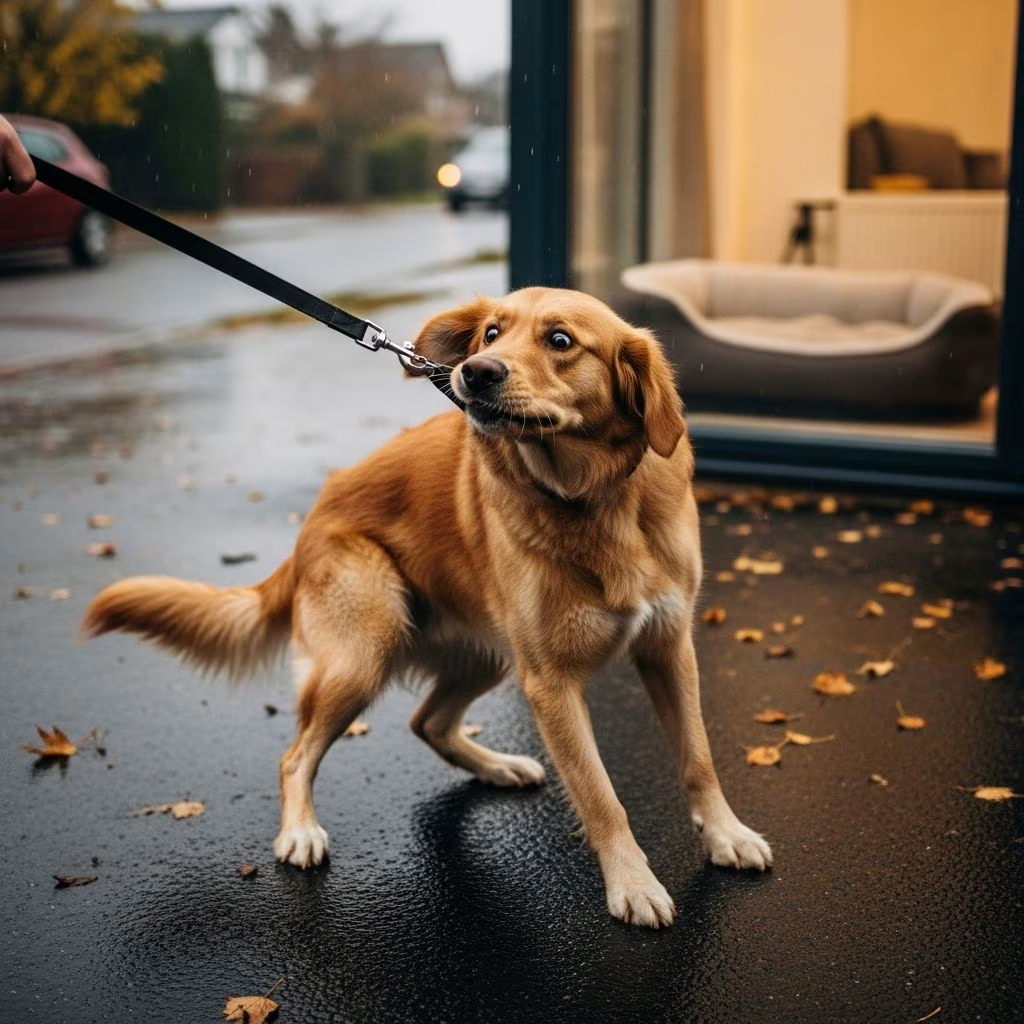
Many dog owners face a frustrating situation when their previously enthusiastic companion suddenly refuses to venture outdoors. This resistance can manifest as hesitation at the door, refusing to move during walks, or displaying visible anxiety when outdoor activities are suggested. Whether your dog has always been reluctant or recently developed this behavior, understanding the underlying causes is essential for developing an effective solution. The good news is that with patience, proper identification of triggers, and tailored intervention strategies, most dogs can overcome their outdoor resistance and enjoy the benefits of outdoor time again.
Physical Health Conditions That Interfere with Outdoor Activities
Before addressing behavioral factors, it’s critical to rule out medical issues that might be causing your dog’s reluctance. Many dogs that appear anxious or stubborn are actually experiencing physical discomfort that makes outdoor activities painful or unpleasant.
Joint and Bone Problems
Osteoarthritis and joint dysplasia represent significant causes of outdoor avoidance in dogs, particularly in older or larger breeds. These progressive conditions cause inflammation and pain in the joints, making walking uncomfortable or painful. Dogs with these conditions may stop moving frequently during walks, seem reluctant to climb stairs, or show decreased enthusiasm for activities they once enjoyed. The pain intensifies with movement, especially on cold or damp days when atmospheric pressure changes exacerbate joint inflammation.
Hip and elbow dysplasia, conditions where the joints don’t develop properly, create similar challenges. Dogs with these conditions may demonstrate a reluctance to bear weight on affected limbs or may move with an altered gait to compensate for discomfort.
Paw and Foot Injuries
Injuries to the paws and feet are frequently overlooked but commonly cause outdoor resistance. Ingrown nails, cuts between the toes, cracked paw pads, or infected paw areas create significant discomfort with each step. Dogs are excellent communicators of pain through behavior, and refusing to go outside often signals that something hurts when they walk on outdoor surfaces.
Neurological Issues and Headaches
Dogs experience headaches similar to humans, and these conditions are often triggered by loud noises, bright sunlight, or changes in atmospheric pressure. A dog suffering from headaches may associate outdoor time with increased pain, particularly if sunlight and external stimuli exacerbate their symptoms. Senior dogs experiencing cognitive dysfunction may also struggle with the disorientation and overstimulation that outdoor environments provide.
Fear-Based Obstacles to Outdoor Engagement
Fear and anxiety represent the most common behavioral reasons dogs resist outdoor time. Understanding the specific source of your dog’s fear is the first step toward addressing it effectively.
Inadequate Early Socialization
Dogs that weren’t properly socialized during their critical developmental period, typically between three and sixteen weeks of age, are significantly more likely to fear novel situations, including outdoor environments. Unsocialized puppies develop into anxious adults who view unfamiliar stimuli with suspicion rather than curiosity. This lack of early positive exposure creates a foundation of fear that persists into adulthood.
Adult dogs that suddenly show outdoor resistance may have experienced a gap in socialization or may have had their confidence undermined by negative experiences after initial positive socialization.
Leash and Collar-Related Anxiety
Some dogs display anxiety specifically triggered by wearing a leash or collar, particularly if they lack experience with these items. Dogs unfamiliar with walking equipment may feel restricted, uncomfortable, or frightened by the sensation of being tethered. The equipment itself becomes a conditioned cue for anxiety rather than an invitation to enjoyment.
Introducing leash and collar training requires patience and positive association building. Many owners skip this crucial step and inadvertently create negative associations with outdoor equipment and activities.
Noise Sensitivity and Phobias
Dogs with heightened noise sensitivity may dread outdoor environments where they encounter construction sounds, traffic, lawnmowers, barking dogs, or other unpredictable loud noises. For dogs with genuine noise phobias, even moderate outdoor sounds can trigger panic responses. Urban environments with their constant auditory stimulation become associated with stress and fear.
Separation Anxiety Connected to Outdoor Time
Some dogs link outdoor activities specifically with separation from their owner, particularly if they’re usually walked by someone else or by a professional dog walker. This creates a paradoxical situation where the dog is reluctant to leave with anyone other than their primary attachment figure, or reluctant to leave the house entirely when their preferred person is unavailable.
Previous Negative Incidents
A single traumatic experience—such as being startled by a loud vehicle, encountering an aggressive dog, or being caught in a thunderstorm—can create lasting associations between outdoor time and danger. Dogs with strong associative memories may generalize from a specific incident to avoid outdoor time entirely, even when the original trigger isn’t present.
Environmental and Situational Factors
Beyond fear and medical issues, various environmental and situational factors can make outdoor time unappealing for dogs.
Weather and Climate Challenges
Extreme temperatures, strong winds, and precipitation significantly affect a dog’s willingness to go outside. Very cold weather can be uncomfortable for dogs with minimal coat coverage, while excessive heat poses genuine health risks, particularly for flat-faced breeds. Additionally, weather-related atmospheric pressure changes can trigger or exacerbate headaches in susceptible dogs, creating an association between going outside and discomfort.
Environmental Changes and Construction
Dogs are sensitive to environmental modifications. New construction, unfamiliar people in the neighborhood, altered landscaping, or new equipment in familiar spaces can trigger anxiety and avoidance behaviors. These changes disrupt the predictability that anxious dogs rely on to feel safe.
Inadequate Exercise or Overstimulation
Paradoxically, both insufficient and excessive stimulation during outdoor time can create resistance. Some dogs become bored with repetitive, uneventful walks and lose motivation to go outside. Others become overwhelmed by excessive stimulation and begin avoiding outdoor time altogether to escape the overstimulation.
Strategic Approaches to Rebuilding Outdoor Confidence
Successfully addressing outdoor reluctance requires a multifaceted approach tailored to your individual dog’s needs and triggers.
Medical Evaluation and Treatment
Your first step should always be veterinary assessment to eliminate or address medical causes. A thorough physical examination, discussion of your dog’s symptoms, and potentially diagnostic imaging can identify painful conditions. Once medical issues are treated or managed appropriately with pain control, behavioral approaches become more effective because the dog is no longer experiencing physical discomfort associated with outdoor time.
Trigger Identification Through Observation
Carefully observe your dog’s behavior to identify specific triggers. Does resistance occur only during certain times of day, in specific locations, during particular weather conditions, or around specific stimuli? Understanding the precise trigger allows you to target interventions effectively rather than implementing generic solutions.
Desensitization and Counterconditioning Techniques
These behavior modification approaches work by gradually changing your dog’s emotional response to outdoor triggers. Desensitization involves gradual, controlled exposure to the feared stimulus at low intensity levels, allowing the dog to acclimate without triggering panic. Counterconditioning involves pairing the feared stimulus with something positive, such as treats or praise, so the dog develops a new association.
For example, if your dog fears loud noises, you might play recordings of traffic sounds at very low volumes while providing treats. Gradually increasing the volume over weeks or months while continuing to pair the sounds with positive experiences can reduce fear responses.
Incremental Progress and Small Steps
Behavior modification works best with small, manageable goals rather than expecting rapid transformation. If your dog refuses to walk down the street, start by sitting near the door, then standing outside the door, then stepping onto the porch. Each small success builds confidence and positive associations. This gradual approach prevents overwhelming your dog and reinforces progress at each stage.
Creating Positive Outdoor Associations
Make outdoor time rewarding by introducing activities your dog enjoys. Hidden treats in the yard, playtime with favorite toys, or interactions with other well-behaved dogs can transform outdoor time from something avoided into something anticipated. The key is ensuring the dog’s experience becomes predominantly positive.
Modifying the Environment
When possible, reduce environmental stressors. If your dog is afraid of specific neighbors or traffic, consider walking during quieter times or in less stimulating areas initially. If certain visual stimuli trigger anxiety, manage windows to prevent your dog from seeing triggering activities that might reinforce fearful responses. These modifications create conditions where your dog can practice being outside with reduced anxiety triggers.
What to Avoid When Addressing Outdoor Reluctance
Certain approaches can worsen outdoor resistance and damage your relationship with your dog:
- Never punish or force a reluctant dog outdoors, as this deepens anxiety and damages trust
- Avoid rewarding avoidance behaviors, which reinforces the resistance pattern
- Don’t skip the gradual introduction process with leashes and collars, which creates negative associations
- Refrain from assuming behavioral problems when medical conditions might be present
- Don’t abandon efforts too quickly; behavior modification requires patience and consistency
Creating a Supportive Framework for Success
Successfully addressing outdoor reluctance requires establishing realistic expectations and creating supportive conditions. Maintain consistency in your approach, work with the same training techniques over extended periods, and celebrate small victories. If your dog is struggling specifically with potty breaks, consider using a private yard temporarily while addressing behavioral issues, allowing your dog to relieve themselves safely while you work on outdoor confidence.
For dogs with severe anxiety, professional assistance from a certified dog trainer or veterinary behaviorist can provide specialized guidance. These professionals can assess your specific situation, identify subtle triggers you might miss, and create a detailed modification plan.
Frequently Asked Questions
Q: How long does it typically take for a dog to overcome outdoor reluctance?
A: The timeline varies significantly based on the underlying cause and severity of the resistance. Dogs addressing specific triggers through desensitization might show improvement within weeks, while dogs with deeply ingrained fears or multiple triggers may require months of consistent work. Patience and consistency matter more than speed.
Q: Should I hire a professional dog walker if my dog refuses to go outside?
A: If separation anxiety is the primary issue, having a familiar, trusted person handle walks might initially help. However, if the resistance stems from fear of outdoor stimuli, the same issues will occur with any handler. Professional help from a trainer rather than a walker would be more beneficial in this case.
Q: Can medication help with outdoor anxiety?
A: For severe anxiety, your veterinarian might recommend anti-anxiety medication as a temporary aid while working on behavior modification. Medication alone typically doesn’t resolve the underlying issue but can reduce anxiety enough to allow your dog to engage with training techniques. Always consult your veterinarian about medication options.
Q: Is outdoor reluctance ever a sign of a serious health problem?
A: Yes, outdoor reluctance can indicate painful conditions, neurological issues, or other health problems. This is why veterinary evaluation should always be the first step. Sudden changes in outdoor enthusiasm warrant particular attention and prompt veterinary assessment.
References
- My Dog Doesn’t Want to Go Outside Anymore — TotalVet. 2024. https://total.vet/cbd-dog-does-not-go-outside/
- How to Help a Dog Afraid to Go Outside in 2 Steps — Doggie Problems. 2024. https://www.doggoneproblems.com/bowie-dog-afraid-to-go-outside/
- My Dog Stops Walking & Won’t Move: What to Do — Rivergate Veterinary Clinic. 2022. https://www.rivergateveterinaryclinic.com/site/blog/2022/05/16/dog-stops-walking
- Why Is My Dog Suddenly Afraid to Go Outside? — Adopt a Pet. 2024. https://www.adoptapet.com/blog/behavior-training/why-is-my-dog-suddenly-afraid-to-go-outside
- Working Through Walk Anxiety in Dogs — American Kennel Club. 2024. https://www.akc.org/expert-advice/training/dog-anxiety-walks/
- Help Your Anxious or Fearful Dog Gain Confidence — Animal Humane Society. 2024. https://www.animalhumanesociety.org/resource/help-your-anxious-or-fearful-dog-gain-confidence



