Dog Refuses Bowl: Causes and Fixes
Discover why your dog avoids eating from their bowl and proven strategies to restore normal mealtimes for a happier pet.
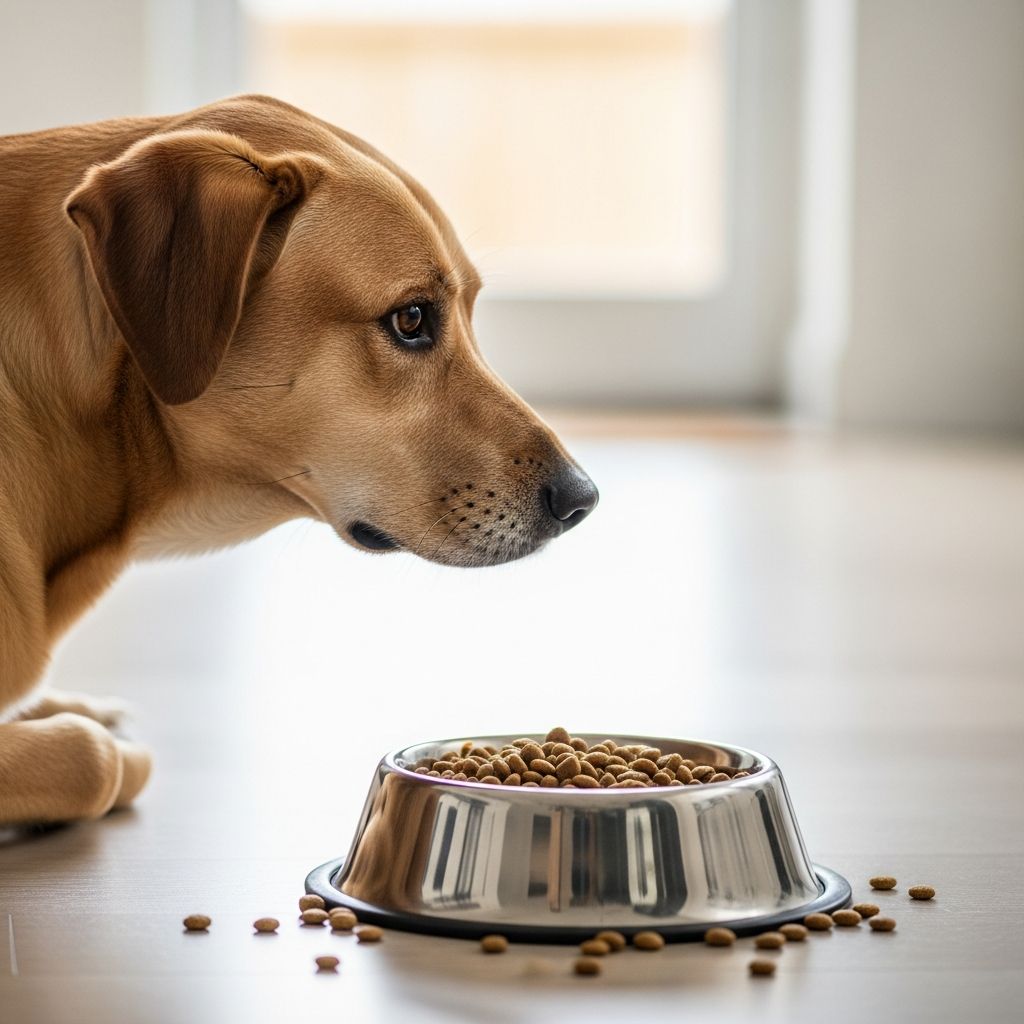
Your dog turning away from their food bowl can spark worry and frustration. This common issue often stems from health problems, stress, unsuitable equipment, or habits formed over time. Identifying the trigger allows for targeted fixes that restore appetite and routine.
Recognizing the Signs of Bowl Avoidance
Dogs show clear signals when they dislike their bowl. They might sniff the food then walk off, eat only when hand-fed, or consume meals scattered on the floor. Some paw at the dish or flip it over. These behaviors differ from general pickiness, focusing specifically on the bowl itself rather than rejecting food entirely.
Track patterns: Does refusal happen at every meal or just certain times? Note if other symptoms like vomiting, lethargy, or whining accompany it. Sudden onset points to acute issues, while gradual changes suggest evolving preferences or discomfort.
Health-Related Barriers to Bowl Feeding
Physical conditions frequently underlie refusal. Pain from dental disease makes crunching kibble painful, leading dogs to favor soft handouts. Neck or back arthritis hinders bending down, especially in seniors. Gastrointestinal upset or nausea from illness reduces interest in positioned food.
Observe for clues: Drooling, bad breath, or pawing at the mouth signal oral problems. Limping or stiffness indicates joint issues. The American Veterinary Medical Association stresses prompt vet checks for appetite loss over 24-48 hours to rule out serious conditions like infections or organ dysfunction.
| Symptom | Possible Health Cause | Action Step |
|---|---|---|
| Selective eating (soft foods only) | Dental pain or gingivitis | Vet dental exam |
| Hesitant to lower head | Arthritis or neck injury | X-rays, pain meds |
| Vomiting or diarrhea | GI illness | Fasting then bland diet |
Stress and Emotional Factors at Play
Anxiety profoundly impacts eating. Dogs with separation distress may only eat when owners hover nearby, associating bowls with solitude. Past scares—like loud vacuums or scoldings during meals—create negative links. New homes, family changes, or added pets heighten overall tension.
- Panting or pacing before meals signals nerves.
- Hiding post-feeding attempt shows insecurity.
- Competition in multi-dog homes causes guarding.
Behavioral experts note cortisol from stress suppresses hunger hormones. Calming pheromones or thunder shirts can ease this during transitions.
Equipment Problems: When the Bowl Betrays
The dish itself often offends. Deep bowls touch whiskers, creating unease—especially for breeds with sensitive facial hair. Slippery metal or plastic slides noisily on floors, startling timid pups. Static in plastic clings kibble unappealingly.
Temperature matters: Cold metal chills mouths in winter; hot ceramic burns. Long-eared dogs dunk ears unwillingly, while collar tags clank annoyingly. Placement counts—busy kitchens distract, high-traffic spots intimidate.
| Bowl Type | Pros | Cons | Best For |
|---|---|---|---|
| Stainless Steel | Durable, cleanable | Noisy, whisker irritation | Short-nosed breeds |
| Ceramic | Stable, stylish | Breakable, bacteria risk | |
| Plastic | Cheap, light | Static, scratches harbor germs | Temporary use |
| Elevated | Comfort for seniors | Costly, stability needed | Arthritic dogs |
Diet Boredom and Overfeeding Traps
Monotonous kibble loses appeal, but bowl specificity suggests more. Overfeeding or constant treats fill dogs up, making bowl meals skippable. Hand-feeding reinforces bowl snubs, as attention trumps independence.
Variety seekers thrive on rotations: Mix proteins like chicken or fish toppers. Puzzle feeders engage hunters, slowing intake while building bowl positivity.
Step-by-Step Solutions to Rebuild Habits
Start with vet clearance to eliminate medical hurdles. Then tweak systematically.
- Optimize location: Move to quiet, low-traffic zones. Use mats for stability.
- Upgrade gear: Test shallow, wide, non-slip bowls. Elevate for comfort.
- Enhance appeal: Warm wet food slightly; top kibble with irresistible bits. Gradually fade extras.
- Schedule strictly: One or two meals daily; remove uneaten food after 15 minutes. Hunger motivates.
- Train positively: Reward bowl approaches with praise. Avoid hand-feeding long-term to foster self-reliance.
For multi-pet homes, separate feeding prevents bullying. Senior cognitive aids include consistent times and scents on bowls.
Breed-Specific Considerations
Brachycephalic faces (Pugs, Bulldogs) struggle with deep bowls due to short snouts. Long-eared Spaniels need snoods. Giants like Great Danes benefit from extra-high stands to ease joint strain.
Preventing Future Refusals
Proactive habits avert issues: Clean bowls daily sans harsh odors. Rotate foods monthly. Introduce puppies to varied bowls early. Monitor weight to avoid over-snacking.
Common Myths Debunked
- Myth: Spoiled dogs do this. Rarely; discomfort drives most cases.
- Myth: Free-feeding fixes it. No—creates worse habits.
- Myth: Ignore and they’ll eat. Risks malnutrition if underlying pain exists.
FAQs
Why does my dog eat floor food but not bowl kibble?
Often whisker fatigue or noise aversion. Try wider, quieter bowls.
How long before worrying about refusal?
24-48 hours for adults; sooner for puppies/seniors. Vet if other symptoms.
Is hand-feeding okay short-term?
Yes for transitions, but phase out to prevent dependency.
Can stress alone cause this?
Absolutely; anxiety mimics illness. Calming routines help.
What if nothing works?
Consult veterinary behaviorist for deep-rooted fears.
References
- Understanding Why Won’t My Dog Eat Food Out of Her Bowl: Causes and Solutions — Houndsy. 2023. https://www.houndsy.com/blogs/modern-tails/understanding-why-wont-my-dog-eat-food-out-of-her-bowl-causes-and-solutions
- Why Won’t My Dog Eat Out of His Bowl? — Whole Dog Journal. 2023-10-01. https://www.whole-dog-journal.com/behavior/why-wont-my-dog-eat-out-of-his-bowl/
- Why won’t my dog eat out of their bowl? — DoggyTopia. 2024. https://www.doggytopia.com.au/pages/why-wont-my-dog-eat-out-of-their-bowl
- Reasons why my dog won’t eat their food — The Royal Kennel Club. 2024-01-15. https://www.royalkennelclub.com/health-and-dog-care/health-dog-care/health/health-and-care/a-z-of-health-and-care-issues/reasons-why-my-dog-won-t-eat-their-food/
- Why Is My Dog Not Eating? Causes and What To Do — PetMD. 2025-02-20. https://www.petmd.com/dog/symptoms/why-my-dog-not-eating
Similar Articles








Read full bio of medha deb