

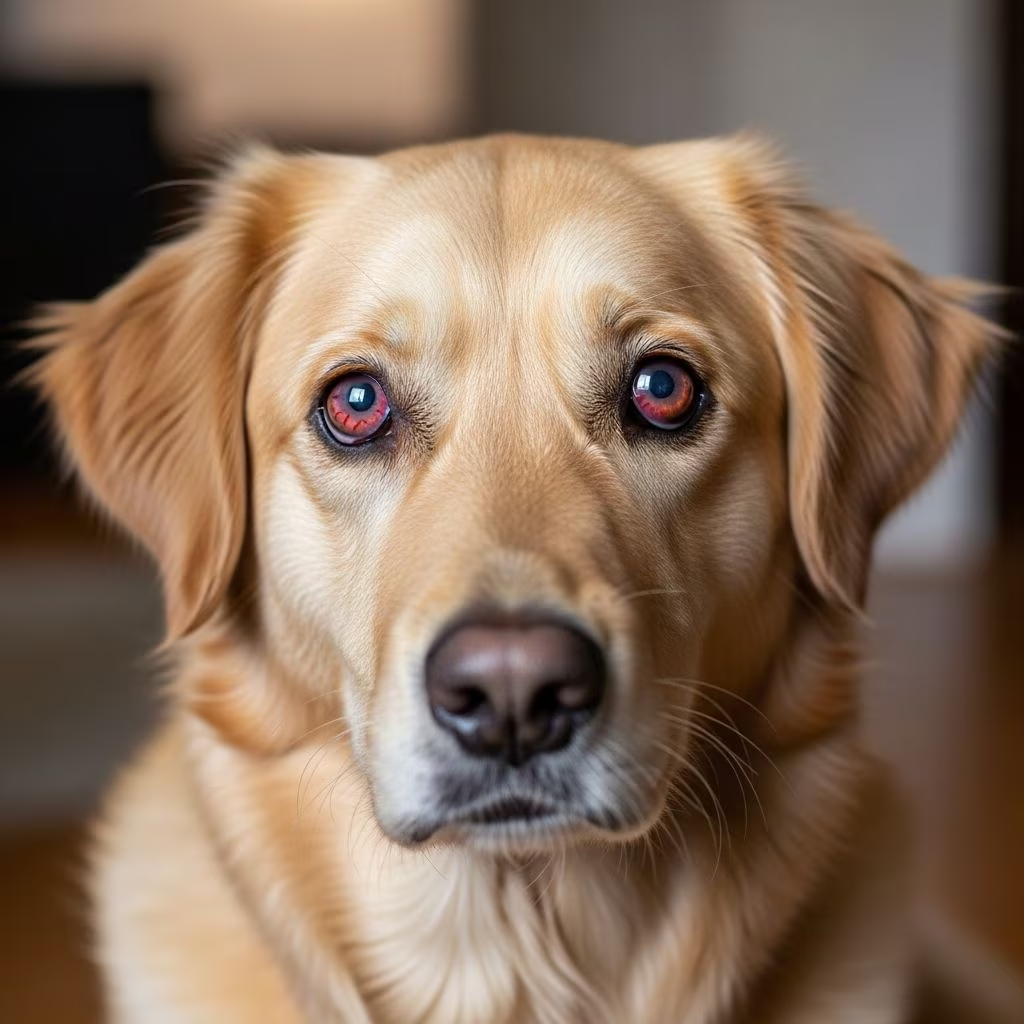
Red eyes in dogs can range from harmless irritations to vision-threatening emergencies. Prompt recognition of symptoms and veterinary intervention often preserves eyesight and comfort.
Recognizing Signs of Trouble in Your Dog’s Eyes
Observe your dog’s eyes closely for changes. Common indicators include bloodshot whites, swelling around the lids, excessive tearing or thick discharge, squinting, pawing at the face, or cloudiness in the cornea. These symptoms may affect one or both eyes, signaling local trauma or widespread issues like allergies.
Breeds with prominent or droopy eyes, such as Bulldogs or Bassets, appear more prone to redness due to anatomy. However, persistent redness beyond 24 hours warrants professional evaluation to rule out infections or pressure buildup.
Everyday Culprits Behind Redness
Minor triggers often cause temporary redness without deeper damage. Allergies top the list, provoked by pollen, dust mites, fleas, or food proteins. Dogs may sneeze, cough, lick paws excessively, or shed more alongside eye irritation.
Environmental factors like smoke, UV light, or plant oils exacerbate symptoms. Insect stings near the face can swell tissues dramatically, sometimes closing the eyes. Simple irritants resolve with avoidance and rinsing, but monitor for worsening.
Understanding Conjunctivitis in Canines
Conjunctivitis, or pink eye, inflames the tissue lining the eyelids and sclera. Bacterial, viral, or allergic origins lead to redness, swelling, itching, and discharge ranging from watery to pus-like. It mimics human versions but spreads via contact in multi-pet homes.
Treatment involves vet-prescribed antibiotic drops or ointments, plus saline cleaning. Address root causes like foreign objects or allergies for full recovery. Untreated cases risk corneal scratches.
Dry Eye Syndrome: A Chronic Concern
Keratoconjunctivitis sicca (KCS) occurs when tear glands fail, often from immune attacks. Without sufficient lubrication, eyes become red, painful, and mucus-coated, leading to pigmentation and scarring that impairs vision.
Diagnosis uses tear tests; management demands lifelong cyclosporine or tacrolimus ointments to boost production, alongside frequent artificial tears. Surgery redirecting saliva works for non-responders but introduces mineral deposits. Early therapy prevents blindness.
Trauma and Surface Injuries
Scratches, ulcers, or foreign bodies like grass seeds pierce the cornea, causing intense redness and pain. Dogs rub affected eyes, worsening damage. Shallow ulcers heal with antibiotics and collars; deeper ones may need grafts.
Protect eyes post-injury with e-collars and pain relief. Vets stain corneas to assess depth under magnification.
Deeper Inflammation: Uveitis Explained
Uveitis inflames internal eye layers, often tied to infections, cancers, hypertension, or diabetes. Symptoms feature cloudy corneas, irregular pupils, color shifts in the iris, and pain. It risks glaucoma from fluid blockage.
Therapy targets inflammation with drops, excluding steroids near ulcers, while blood tests and imaging hunt systemic culprits. Suppress immune overreactions if no infection exists.
Glaucoma: The Vision Thief
Glaucoma spikes intraocular pressure, reddening eyes amid pain, enlarged corneas, and blindness risk within days. Primary genetic forms hit breeds like Cocker Spaniels; secondary follows uveitis or lenses shifting.
Emergencies demand pressure-lowering meds; long-term options include drops, lasers, or enucleation for blind eyes. Preserve comfort even post-vision loss.
When to Rush to the Vet
Seek immediate care for sudden redness with pain, colored discharge, vision changes, or behavioral shifts. Delays amplify damage in glaucoma or ulcers. Vets measure pressure, stain surfaces, and sample tears.
| Symptom | Urgency Level | Possible Cause |
|---|---|---|
| Mild redness, no pain | Monitor 24h | Allergies/irritants |
| Redness + squinting/discharge | Within hours | Infection/ulcer |
| Sudden red + cloudy/hazy | Emergency | Glaucoma/uveitis |
Diagnostic Approaches for Accurate Treatment
Veterinarians employ Schirmer tear tests for KCS, tonometry for pressure, fluorescein staining for ulcers, and gonioscopy for drainage angles. Ultrasounds or bloodwork uncover hidden diseases. Referral to ophthalmologists aids complex cases.
Treatment Strategies by Condition
- Allergies: Antihistamines, hypoallergenic diets, environmental controls.
- Conjunctivitis: Topical antibiotics, discharge removal.
- KCS: Tear stimulants, lubricants indefinitely.
- Ulcers: Meds, protection, surgery if persistent.
- Uveitis: Anti-inflammatories, systemic workup.
- Glaucoma: Pressure meds, surgical interventions.
Home Care Tips for Eye Health
Gently wipe crusts with saline-soaked cloths; avoid human drops. Use protective eyewear outdoors. Maintain flea control and hypoallergenic bedding. Regular vet checkups catch breeds at risk early.
Never apply pressure or home remedies like tea bags, which irritate further.
Preventive Measures for Brighter Eyes
Boost immunity with balanced nutrition rich in omega-3s. Trim face fur to prevent scratches. Screen new environments for allergens. Annual eye exams for predisposed breeds detect issues pre-symptom.
Frequently Asked Questions
Can red eyes resolve without a vet?
Mild cases from irritants may fade in a day with flushing, but persistent or painful ones need exams to avert permanent harm.
Are dog eye drops safe from human stores?
No; formulations differ, risking toxicity or delays in proper care. Consult vets for pet-specific prescriptions.
How do I know if it’s allergies or infection?
Allergies often bilateral with itching elsewhere; infections yield pus and unilateral pain. Tests confirm.
Can diet influence eye redness?
Yes, food allergies trigger flares; trials with novel proteins help identify triggers.
Is blindness inevitable with glaucoma?
Not always immediately; treatments extend sight, prioritizing pain-free life.
Long-Term Management for Chronic Conditions
Owners of KCS or glaucoma dogs commit to daily meds, rechecks, and lifestyle tweaks. Track symptoms in journals for vet trends. Support groups share compliant strategies.
Success hinges on consistency; many dogs thrive visually with diligence.
References
- Dog Red Eyes: Causes, Symptoms & Treatment for Bloodshot Eyes — Vetic.in. 2023. https://vetic.in/blog/pet-health/dog-red-eyes/
- The Dreaded Red Eye: 5 Serious Causes in Dogs — Envision Eye Vet. 2023. https://envisioneyevet.com/the-dreaded-red-eye-5-serious-causes-in-dogs/
- Why Are My Dog’s Eyes Red? Top 6 Reasons — VEG ER for Pets. 2023. https://www.veg.com/post/why-are-my-dogs-eyes-red-top-6-reasons
- What to do if the skin around your dog’s eyes is red — Vetster. 2023. https://vetster.com/en/wellness/what-to-do-if-the-skin-around-your-dog-s-eyes-is-red
- Why Are My Dog’s Eyes Red? — Purina US. 2023. https://www.purina.com/articles/dog/health/symptoms/why-are-my-dogs-eyes-red



