

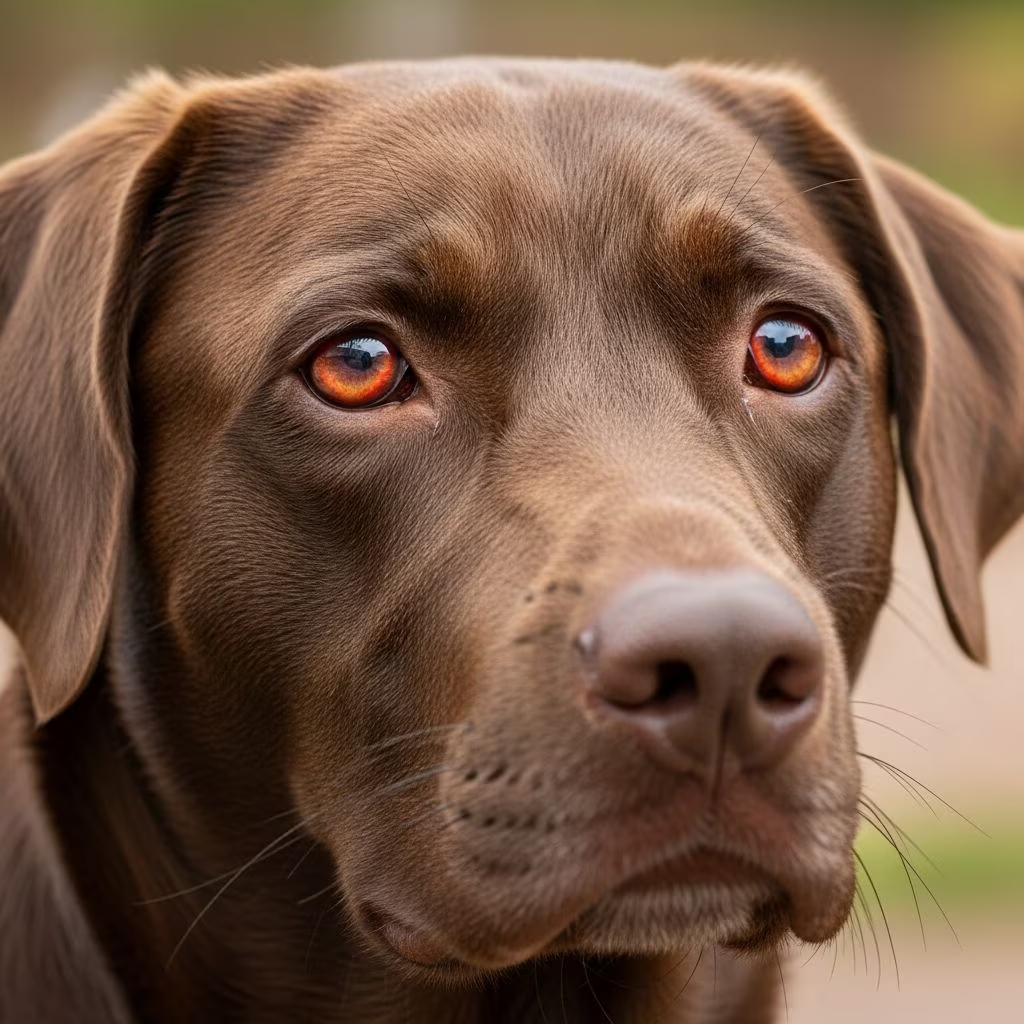
Red or bloodshot eyes in dogs often indicate underlying irritation or inflammation affecting the delicate ocular tissues. While some cases stem from minor environmental triggers, others point to serious health concerns requiring immediate veterinary intervention. Understanding the spectrum of possibilities empowers pet owners to respond appropriately, safeguarding their dog’s vision and comfort.
Recognizing the Signs of Trouble
Observe your dog’s eyes closely for changes. Common indicators include visible redness in the whites (sclera), swelling of surrounding tissues, excessive tearing or thick discharge, squinting, pawing at the face, or cloudiness. These symptoms can appear suddenly or develop gradually, varying by cause. For instance, mild redness might accompany watery discharge from allergies, while severe cases show green pus or pain-induced lethargy.
- Redness intensity: Light pink suggests irritation; deep crimson signals urgency.
- Discharge types: Clear (allergies), yellow/green (infection).
- Behavioral cues: Rubbing eyes, sensitivity to light, or head tilting.
Everyday Culprits Behind Red Eyes
Many instances of canine red eyes arise from non-threatening sources that resolve with basic care. Environmental factors top the list, as dogs explore with minimal eye protection.
Environmental Irritants and Allergens
Pollen, dust, smoke, and household cleaners frequently provoke redness by inflaming the conjunctiva, the thin membrane shielding the eye. Seasonal allergies mimic human hay fever, peaking in spring or fall, leading to itchy, watery eyes. Insect bites or grass seeds lodged in fur can exacerbate this.
Breeds with prominent eyes, like Pugs or Bulldogs, face heightened risk due to exposure. Indoor culprits include perfumes and air fresheners, which dry out ocular surfaces.
Allergic Reactions in Canine Eyes
Dogs’ immune systems sometimes overreact to harmless substances, flooding eyes with inflammatory cells. Symptoms include bilateral redness (both eyes affected) and sneezing. Unlike humans, dogs rarely rub their faces vigorously but may shake heads excessively.
| Common Allergens | Symptoms | Quick Relief |
|---|---|---|
| Pollen/Grass | Itchy, watery eyes | Cool compress |
| Dust/Smoke | Dry, red sclera | Humidifier use |
| Chemicals | Burning sensation | Flush with saline |
Infections Invading the Eyes
Bacterial, viral, or fungal pathogens target vulnerable eyes, especially post-injury or during respiratory illnesses. Conjunctivitis, dubbed “pink eye,” dominates as the leading infectious cause.
Conjunctivitis Explained
This inflammation affects the conjunctiva, causing redness, swelling, and discharge. Bacterial forms produce pus; viral ones spread via contact, often with kennel cough or distemper. Puppies and crowded kennel dogs are prone. Untreated, it risks corneal scarring.
- Clear discharge: Viral/allergic.
- Mucopurulent: Bacterial.
- Unilateral: Often trauma-related.
Systemic Infections Impacting Vision
Upper respiratory viruses like adenovirus or herpesvirus spill over, reddening eyes amid coughing and nasal flow. Fungal issues thrive in warm climates, demanding antifungal drops.
Trauma and Structural Eye Issues
Physical damage or anatomical quirks frequently underlie redness, particularly in active or brachycephalic breeds.
Injuries and Foreign Bodies
Scratches from play, thorns, or claws erode the cornea, inviting bacteria and causing intense pain. Dogs paw frantically, worsening ulcers. Shallow abrasions heal fast; deep ones threaten sight.
Dry Eye Syndrome (Keratoconjunctivitis Sicca)
Insufficient tear production leaves eyes parched, red, and mucus-coated. Common in middle-aged females of breeds like Westies or Shih Tzus, it stems from immune-mediated gland destruction. Chronic cases pigment the cornea, impairing vision.
Cherry Eye Prolapse
The third eyelid’s tear gland bulges outward, resembling a red berry. Painless initially, it dries the eye if ignored. Surgical tucking restores function.
Serious Conditions Demanding Urgency
Not all red eyes are benign; some herald vision-threatening diseases.
Glaucoma: The Pressure Buildup
Increased intraocular pressure from fluid blockage stretches eye tissues, reddening sclera and causing blindness within days. Primary (genetic) hits breeds like Cocker Spaniels; secondary follows uveitis or lens issues. Symptoms: Bulging eye, corneal haze, dilated pupil.
Uveitis and Anterior Inflammation
Internal eye inflammation, often from infections or autoimmunity, reddens diffusely with iris swelling. It risks glaucoma or cataracts if unchecked.
Corneal Ulcers and Erosions
Deep scratches expose stroma, fostering infection. Superficial ones sting; deep ulcers perforate. Fluorescein staining diagnoses them.
| Condition | Key Signs | Urgency Level |
|---|---|---|
| Glaucoma | Pain, cloudy cornea | Emergency |
| Uveitis | Fluffy iris, squint | High |
| Ulcer | Watery, pawing | Immediate |
When to Rush to the Vet
Consult a veterinarian promptly if redness persists over 24 hours, affects one eye only, or pairs with pain, vision loss, or systemic illness. Cloudiness, pupil changes, or behavioral shifts (hiding, appetite loss) scream emergency.
- Both eyes, mild: Monitor 1 day.
- One eye, discharge: Same-day vet.
- Pain/cloudiness: ER now.
Diagnosis: Vet’s Toolkit
Exams include Schirmer tear tests for dry eye, tonometry for pressure, fluorescein for ulcers, and cytology for infections. Bloodwork rules out systemic disease.
Treatment Strategies
Tailored to cause: Antibiotic drops for bacteria, steroids for inflammation (post-ulcer heal), lubricants for dry eye, surgery for cherry eye or glaucoma.
- Home care: Saline rinses, cone collars to prevent rubbing.
- Medications: Never self-dose; resistance risks rise.
- Surgery: Ulcer debridement, glaucoma shunts.
Prevention for Crystal Clear Eyes
Minimize risks: Regular grooming clears debris; hypoallergenic homes reduce irritants; annual eye checks catch breeds prone to issues. Protective eyewear for outdoors aids high-risk pups.
FAQs: Dog Eye Redness
Can red eyes resolve without a vet?
Mild irritant cases may fade in 1-2 days with rinses, but persistent or painful ones need pro evaluation to avert damage.
Are certain breeds more susceptible?
Yes, brachycephalics (Pugs), Spaniels (glaucoma), and droopy-eyed hounds face higher odds.
Is dog pink eye contagious?
Viral/bacterial forms yes; isolate and disinfect.
How do I clean my dog’s red eyes safely?
Use vet-approved saline; dab gently, no human drops.
Can diet influence eye health?
Omega-3s support tears; consult for supplements.
References
- What it means if your dog has bloodshot eyes — Vetster. 2023. https://vetster.com/en/wellness/what-it-means-if-your-dog-has-bloodshot-eyes
- Why Are My Dog’s Eyes Red? — Purina US. 2023. https://www.purina.com/articles/dog/health/symptoms/why-are-my-dogs-eyes-red
- The Dreaded Red Eye: 5 Serious Causes in Dogs — Envision Eye Vet. 2023. https://envisioneyevet.com/the-dreaded-red-eye-5-serious-causes-in-dogs/
- Why are my Dog’s Eyes Red? Top 6 Reasons — VEG ER for Pets. 2023. https://www.veg.com/post/why-are-my-dogs-eyes-red-top-6-reasons
- Conjunctivitis in dogs: causes, symptoms and treatment — Woodward Vets. 2023. https://www.woodward-vets.co.uk/pet-help-advice/dogs/301-conjunctivitis-in-dogs-causes-symptoms-and-treatment
- Dog Bloodshot Eyes: When It’s an Emergency — GSVS. 2023. https://gsvs.org/blog/dog-bloodshot-eyes-emergency/



