

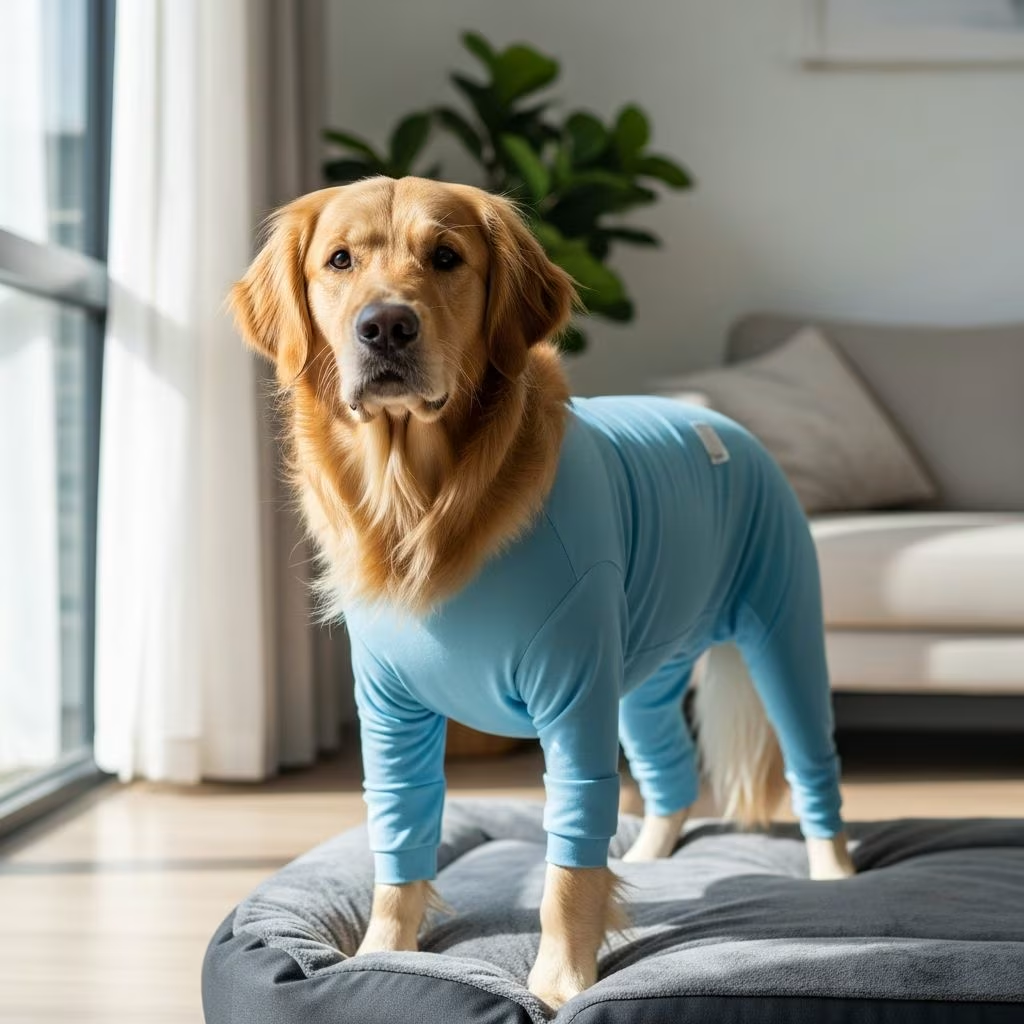
Dog recovery suits serve as innovative garments designed to shield surgical sites, wounds, and irritated skin from a dog’s natural tendencies to lick or scratch, promoting faster and safer healing.
Understanding the Role of Recovery Suits in Canine Recovery
These suits act as full-body covers, typically made from soft, stretchy fabrics that hug the dog’s form without restricting movement. Unlike bulky Elizabethan collars, they provide comprehensive protection while allowing pets to eat, drink, and navigate their surroundings comfortably.
Post-operative care often involves preventing self-trauma, and recovery suits excel here by creating a barrier against bacteria and irritants. Veterinary experts note that such garments can significantly lower infection rates by blocking access to incisions.
Key Advantages Over Traditional Cones
Traditional e-collars, or “cones of shame,” restrict head movement, leading to frustration and limited functionality. Recovery suits address these issues head-on:
- Enhanced Mobility: Dogs can turn their heads, eat from bowls, and sleep without obstruction, maintaining their daily routines.
- Stress Reduction: The gentle compression mimics anxiety wraps, calming nervous pets during vulnerable recovery phases.
- Improved Hygiene: Breathable materials prevent overheating and are machine-washable for repeated use.
- Better Wound Outcomes: Direct coverage minimizes contamination risks, supporting quicker tissue repair.
Owners report that dogs adapt faster to suits, exhibiting less anxiety and more normal behavior compared to cone-wearing counterparts.
Common Applications for Dog Recovery Suits
These versatile garments suit various scenarios beyond surgery:
- Spay/neuter procedures: Protecting abdominal incisions from licking.
- Orthopedic surgeries: Supporting limb recovery without full immobilization.
- Skin conditions: Covering hot spots, allergies, or dermatitis to halt scratching cycles.
- Incontinence management: Serving as alternatives to diapers for senior dogs.
- Post-grooming or sunburn protection: Shielding sensitive skin from environmental factors.
For limb-specific injuries, specialized designs ensure targeted coverage without compromising overall agility.
Types of Recovery Suits Available
Recovery suits come in diverse styles to match specific needs and climates:
| Type | Best For | Key Features |
|---|---|---|
| Full-Body Suits | Torso surgeries (e.g., spay/neuter) | Complete coverage from neck to tail, breathable fabric |
| Front/Rear Leg Suits | Limb injuries or amputations | Sleeves for precise protection, flexible joints |
| Sleeveless Versions | Warm weather, torso-only needs | Max airflow, lightweight design |
| Anti-Lick Sleeves | Localized leg wounds | Isolated coverage, high mobility |
| Cooling-Integrated Suits | Hot climates or fever management | Water-activated cooling panels, dry-to-touch |
Selecting the right type depends on the injury location, dog’s size, and environmental factors like temperature.
How to Choose the Perfect Fit for Your Dog
Proper sizing is crucial for efficacy and comfort. Measure your dog’s length from neck base to tail base, girth around the chest and waist, and leg circumferences if applicable.
- Opt for snug but non-constricting fits—two fingers should slip under the fabric.
- Prioritize 4-way stretch materials like cotton-Lycra blends for all-day wear.
- Ensure potty openings align correctly to avoid accidents.
- Check for hypoallergenic, antibacterial fabrics to suit sensitive skin.
Most brands offer size charts; trial fits with adjustable closures help refine choices. Consult your vet for breed-specific recommendations, as short-haired or long-bodied dogs may need custom options.
Practical Tips for Using Recovery Suits Effectively
Introduce the suit gradually to build tolerance:
- Allow short wear sessions (10-15 minutes) with treats for positive association.
- Monitor for overheating—remove during naps if needed.
- Wash after each use or soiling; air-dry to preserve elasticity.
- Supervise initially to prevent chewing on seams.
For extended wear, rotate suits if multiple are available, and pair with vet-prescribed meds for optimal recovery. Most dogs wear them 24/7 post-op for 10-14 days, adjusting based on healing progress.
Potential Drawbacks and Solutions
While highly effective, suits aren’t flawless:
- Chewing Risk: Some dogs nibble edges—use bitter sprays or distraction toys.
- Fit Issues: Loose suits slip; tighten straps carefully.
- Cost: Quality suits range $20-60, but durability justifies investment over cone replacements.
- Bathroom Challenges: Designs with rear openings mitigate this; assist small breeds.
Vets emphasize supervision and regular wound checks to catch issues early.
Frequently Asked Questions (FAQs)
Can dogs wear recovery suits all day?
Yes, breathable fabrics like 94% cotton with Lycra allow all-day use under supervision, with regular washing to maintain hygiene.
Are recovery suits suitable for all dog breeds?
Most yes, with sizes from XS for Chihuahuas to XXL for Great Danes. Custom fits available for unique body types.
How do I know if the suit fits properly?
It should cover wounds fully without bunching or restricting breathing/movement. Measure precisely and follow size guides.
Can recovery suits replace vet check-ups?
No—they aid healing but don’t substitute professional monitoring for infection signs or complications.
Are they machine-washable?
Typically yes, on gentle cycles with cold water to preserve stretch and antibacterial properties.
Real-World Success Stories from Pet Owners
Many guardians share tales of transformation: a Labrador post-spay who resumed playdays sooner, or a senior Pug spared cone distress during skin treatment. These accounts highlight suits’ role in preserving quality of life during recovery.
In summary, dog recovery suits mark a shift toward humane, efficient post-op care, backed by vet endorsements for their protective and calming effects.
References
- A Comprehensive Guide to Dog Recovery Suits — Bestone Inc. 2023. https://bestoneinc.com/guide-to-dog-recovery-suits/
- The Ultimate Guide to Recovery Suit for Dogs — Pawsbetter. 2024. https://pawsbetter.com/blogs/blog/recovery-suit-for-dogs
- When to Choose a Dog Recovery Suit — Whole Dog Journal. 2024-03-15. https://www.whole-dog-journal.com/lifestyle/when-to-choose-a-dog-recovery-suit/
- Dog Post-Op Recovery Suit vs Cone — DryDogs. 2023. https://drydogs.co.uk/blogs/news/dog-post-op-recovery-suit-article
- How Surgical Recovery Suits Help Dogs Heal — AMPM Small Animal Care Center. 2024. https://www.ampmsnc.com/blog/how-surgical-recovery-suits-help-dogs-heal-after-surgery
- Frequently Asked Product Questions — Suitical. 2024. https://www.suitical.com/en/discover-and-learn/frequently-asked-product-questions
- The Rise of Dog Surgery Suits — Soothing Streams. 2023. https://soothingstreams.com/the-rise-of-dog-surgery-suits-a-boon-for-pet-recovery



