

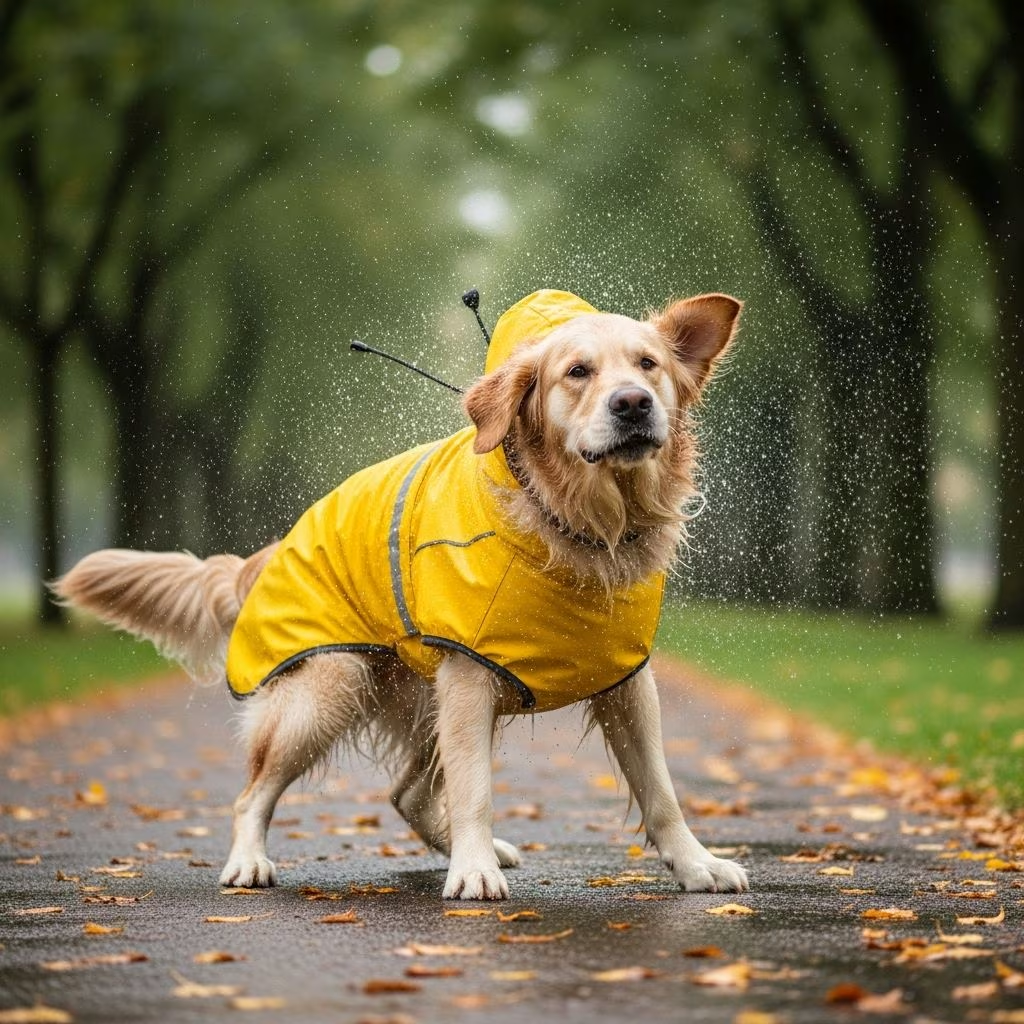
Why Your Dog Needs a Raincoat: Protection Beyond the Elements
Rain doesn’t have to mean staying indoors with your canine companion. A quality dog raincoat serves as more than just a fashion statement—it’s a practical investment in your pet’s health, comfort, and overall well-being. Whether you have a short-haired breed, a senior dog, or a pup that despises getting wet, a raincoat can transform rainy days from dreaded outings into enjoyable adventures.
The primary purpose of a dog raincoat is straightforward: to keep your pet dry and comfortable during wet weather. However, the benefits extend far beyond simple moisture protection. A well-designed raincoat protects your dog from cold temperatures, wind, and the various health complications that can arise from prolonged exposure to harsh weather conditions. For many dog owners, investing in a quality raincoat is a sensible decision that pays dividends in terms of their pet’s health and happiness.
Health Benefits of Dog Raincoats
Understanding the health advantages of raincoats helps explain why many veterinarians and pet experts recommend them as essential gear for certain dogs.
Preventing Respiratory Issues
Prolonged exposure to cold, wet weather can compromise your dog’s immune system and lead to serious respiratory complications, including pneumonia and bronchitis. This risk is particularly high for puppies, senior dogs, small breeds, and those with underlying health conditions. A quality raincoat provides insulation that helps maintain your dog’s body temperature, reducing the likelihood of these serious health concerns.
Reducing Skin Infections
Moisture creates an ideal environment for bacterial and fungal growth on your dog’s skin. This is especially problematic for hairless or nearly hairless breeds, whose skin lacks the protective barrier that fur provides. When moisture lingers on your dog’s skin for extended periods, it can lead to dermatitis and other uncomfortable skin infections. A waterproof raincoat keeps moisture away from the skin, significantly reducing infection risk.
Alleviating Joint and Back Pain
Cold, damp weather can exacerbate existing joint pain and back problems in dogs, particularly in breeds like Dachshunds that are prone to spinal issues. The warmth and protection provided by a lined raincoat can help reduce pain and discomfort, allowing your dog to maintain their regular exercise routine even during inclement weather.
Which Dogs Need Raincoats Most?
While any dog can benefit from a raincoat, certain breeds and types of dogs have greater needs for weather protection.
Short-Haired and Hairless Breeds
Dogs with short coats or no undercoat lack the natural insulation that longer fur provides. Breeds such as Pit Bulls, French Bulldogs, and Chihuahuas are particularly susceptible to cold and moisture. These dogs can become uncomfortably cold and wet within minutes of being outside in rainy conditions, making a raincoat essential for their comfort and health.
Small Dog Breeds
Smaller dogs have less body mass to generate and retain heat, making them more vulnerable to temperature drops. Small breeds often struggle to maintain their body temperature in cold, wet weather, and a properly fitted raincoat can make a significant difference in their comfort level.
Senior Dogs
As dogs age, their ability to regulate body temperature decreases. Senior dogs often have less body fat and reduced circulation, making them particularly susceptible to chills and discomfort. A raincoat helps senior dogs stay warm and may reduce stiffness and pain associated with arthritis during cooler, wetter months.
Puppies and Young Dogs
Young puppies have not yet developed their full coat or thermoregulatory capabilities. They’re also more prone to infections and illnesses. Protecting puppies from harsh weather with a raincoat supports their developing immune systems and keeps them comfortable as they grow.
Dogs with Health Conditions
Dogs recovering from surgery, dealing with weak immune systems, or managing chronic health conditions benefit greatly from the protection a raincoat provides. If your dog is unable to grow hair due to illness or is currently undergoing treatment, a raincoat becomes especially important.
Beyond Warmth: Additional Benefits of Dog Raincoats
The advantages of dog raincoats extend beyond health protection.
Keeping Your Home Cleaner
A raincoat prevents mud and debris from accumulating on your dog’s fur during outdoor adventures. This dramatically reduces the amount of cleaning required after walks, keeping your home cleaner and saving you time on bathing and grooming. Your dog’s fur stays untangled and mat-free, which reduces grooming maintenance and potential skin issues that can arise from matted coat.
Enhanced Visibility and Safety
Many raincoats feature bright colors and reflective strips that make your dog more visible to motorists and other pedestrians, especially during low-light conditions and inclement weather. This increased visibility can help prevent accidents and keep your dog safer during evening or rainy-day walks.
Encouraging Exercise Compliance
Some dogs genuinely dislike the sensation of rain on their fur and may resist outdoor activities during wet weather. A comfortable raincoat can eliminate this hesitation, encouraging your dog to maintain their regular exercise routine regardless of weather conditions. This is particularly important for dogs that require consistent physical activity for optimal health.
Key Features to Look for in a Dog Raincoat
Not all raincoats are created equal. Understanding what features matter most will help you select the best option for your dog.
Waterproof and Windproof Material
The raincoat’s fabric should be 100% waterproof with welded seams to ensure no moisture penetrates the material. Additionally, windproof construction protects your dog from cold wind gusts that can strip away body heat. Water-repellent textiles combined with waterproof seaming create a comprehensive weather barrier.
Breathability
While waterproofing is essential, the raincoat must also allow adequate air circulation. Breathable materials prevent heat buildup and overheating, which can occur if your dog is wearing too heavy or poorly ventilated a coat. Look for raincoats designed with moisture-wicking properties that balance protection with comfort.
Reflective Elements
Reflective strips or bright colors significantly improve visibility during low-light conditions. These features are particularly important for evening walks or in foggy or heavily overcast weather. Enhanced visibility helps protect your dog from traffic and other hazards.
Secure and Adjustable Straps
An ill-fitting raincoat that slips around your dog’s body will fail to provide adequate protection and may cause discomfort or anxiety. Look for raincoats with secure, adjustable straps that keep the coat firmly in place while allowing your dog to move naturally. Velcro or buckle closures should be sturdy and easy to adjust.
Full Coverage Design
The best raincoats provide comprehensive coverage, protecting the dog’s back, neck, sides, chest, and stomach area. Some designs include sleeves or full-body coverage, which is ideal for dogs with long ears or those that easily get muddy. A wide belly flap protects against mud and sand while maintaining the coat’s position.
Convenient Leash Access
Your raincoat should feature an accessible opening where you can attach a leash without removing the coat. This design element ensures your dog stays protected while remaining fully mobile and controllable during walks.
Easy Care and Maintenance
Look for raincoats that are machine washable or easily hand-washable. Easy-care features include anti-hair-pulling linings and seamless zippers that won’t catch your dog’s fur. Quick-drying materials mean your raincoat is ready for the next rainy day without extended drying time.
Types of Dog Raincoats
Dog raincoats come in different styles, each offering distinct advantages depending on your climate and dog’s needs.
Lightweight Raincoats
Lightweight options work year-round and are perfect for spring and summer rains when temperatures aren’t extremely cold. These coats provide excellent protection without the bulk of heavier materials, making them ideal for active dogs and those who may overheat easily.
Lined Raincoats
Lined raincoats offer added insulation through fleece or other materials, providing warmth in addition to waterproofing. These heavier options are ideal for autumn and spring weather when temperatures drop significantly. The lined construction provides added durability for active dogs and those prone to rough play.
Selecting the Right Raincoat for Your Dog
Proper sizing and fit are crucial for raincoat effectiveness. Measure your dog’s back length and chest girth to ensure accurate sizing. A well-fitting raincoat should sit snugly without restricting movement, with no gaps where water could seep through. The coat should be comfortable enough for your dog to move naturally during walks and play.
Consider your dog’s specific needs when selecting features. If your dog has large ears, ensure the design accommodates ear coverage. For dogs that get muddy easily, prioritize wide belly flaps and extended coverage. Think about your local climate—dogs in perpetually wet regions may benefit from lined raincoats, while those in milder climates might prefer lightweight options.
Making Rainy Days Enjoyable
With the right raincoat, rainy weather doesn’t have to disrupt your dog’s routine or your plans for outdoor activities. The investment in quality weather protection pays dividends through improved health outcomes, reduced grooming burden, and increased enjoyment for both you and your dog. Whether your pet is a sensitive small breed, a muddy outdoor enthusiast, or a senior dog managing joint pain, a raincoat is a practical and compassionate addition to your pet care arsenal.
Frequently Asked Questions (FAQs)
Q: Do all dogs need raincoats?
A: Not all dogs require raincoats, but many benefit from them. Short-haired breeds, small dogs, seniors, puppies, and hairless breeds particularly benefit from raincoat protection. Dogs with naturally thick, double coats may not need them in milder climates, but raincoats can still be beneficial even for these breeds in extremely cold or wet conditions.
Q: How do I know if my dog’s raincoat fits properly?
A: A properly fitted raincoat should sit snugly on your dog’s back without gaps, restrict their movement minimally, and stay in place during walks. You should be able to fit one or two fingers under straps without forcing them. The coat length should cover from the dog’s neck to the base of the tail.
Q: Can raincoats cause overheating?
A: Improperly fitted or non-breathable raincoats can potentially cause overheating in warm weather. Choose breathable designs and ensure proper fit. Remove the raincoat once indoors or when weather conditions warm up to prevent discomfort.
Q: How often should I clean my dog’s raincoat?
A: Clean your dog’s raincoat after muddy walks and regularly during rainy seasons. Most raincoats are machine washable on gentle cycles. Ensure the coat is completely dry before storing to prevent mold and mildew growth.
Q: Are expensive raincoats better than budget options?
A: Higher-priced raincoats often feature better materials, superior waterproofing, enhanced durability, and more thoughtful design details. However, mid-range options can also provide excellent protection. Focus on key features like waterproofing, fit, and durability rather than price alone.
Q: Can my puppy wear a raincoat?
A: Yes, puppies benefit from raincoat protection during wet weather. Ensure the coat is properly sized for your puppy’s current measurements and plan to upgrade as they grow. Lightweight raincoats are ideal for young dogs.
Q: What’s the difference between a raincoat and a rain jacket?
A: These terms are often used interchangeably. Generally, raincoats are lightweight and primarily waterproof, while rain jackets may include additional insulation and heavier construction. Both serve the same basic purpose of protecting your dog from wet weather.
References
- Do Dogs Need Coats in the Rain — Canada Pooch. https://canadapooch.com/blogs/news/do-dogs-need-coats-in-the-rain
- Why Use a Dog Raincoat? — FunnyFuzzy. https://funnyfuzzy.com/a/blog/why-use-a-dog-raincoat
- Why Your Dog Needs a Rain Jacket: A Must-Have for Wet Weather Adventures — Rocky Mountain Dog. https://rockymountaindog.ca/blogs/news/why-your-dog-needs-a-rain-jacket-a-must-have-for-wet-weather-adventures
- Are Dog Raincoats Useful? — Leopold’s Finest. https://www.leopolds-finest.com/blogs/news/regenmantel-ein-unverzichtbares-hundezubehor
- Does Your Dog Need a Raincoat? When to Use Dog Raincoats — American Kennel Club. https://www.akc.org/expert-advice/lifestyle/dog-raincoats/
- When Does Your Dog Need a Raincoat? — Hurtta. https://hurtta.com/en-us/blogs/guides/rainy-day-heroes



