

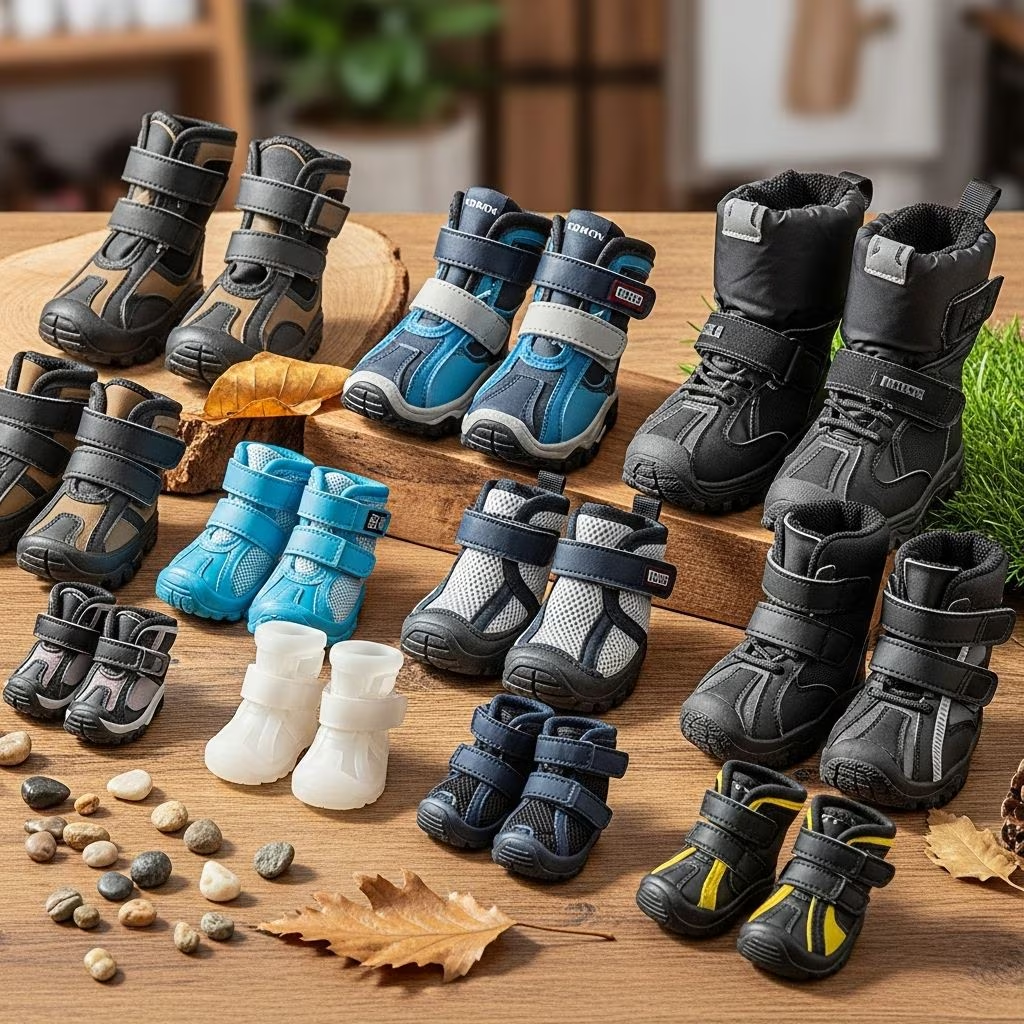
Canine footwear serves far more purpose than aesthetic appeal. As pet parents increasingly recognize the environmental challenges dogs face during outdoor activities, protective shoes and boots have become essential gear for maintaining paw health and overall comfort. Whether navigating scorching summer pavements, trudging through winter snow, or hiking rugged trails, the right footwear can make a significant difference in your dog’s well-being and mobility.
Understanding Why Dogs Need Protective Footwear
The decision to outfit your dog with protective shoes often stems from real environmental threats and health considerations. Paw pads, while naturally tough, remain vulnerable to numerous hazards that pet owners encounter during daily walks and recreational activities. Unlike humans who wear shoes automatically, dogs require us to make informed decisions about when protective footwear becomes necessary.
Pet parents frequently underestimate the impact environmental conditions have on their dogs’ feet. From chemical de-icers in winter to blistering summer surfaces, the ground beneath our dogs presents constant challenges. Additionally, individual dogs vary significantly in their paw sensitivity, activity levels, and environmental exposure, making personalized decisions about footwear crucial.
Environmental Protection: Seasonal Challenges and Solutions
Managing Summer Heat and Hot Surfaces
During warm months, pavement and asphalt can reach temperatures that burn unprotected paw pads, causing painful blisters and tissue damage. Urban dogs walking on darkened streets encounter particularly severe heat exposure. Protective shoes create an insulating barrier against these scorching surfaces, allowing dogs to enjoy summer walks without injury.
Beach outings present similar challenges, with hot sand capable of causing pad burns and irritation. Dogs that spend time on hiking trails may encounter multiple hazardous surfaces including sun-baked rock faces and exposed earth that conduct heat intensely.
Winter Weather and Chemical Exposure
Winter brings compounded threats combining extreme cold with chemical hazards. Road salt and de-icing compounds used on sidewalks and streets can chemically burn paw pads while simultaneously drying out skin and causing irritation. Additionally, ice and snow can accumulate between paw pads, creating discomfort and reducing traction.
Dogs that spend extended time outdoors during winter benefit significantly from insulated boots designed to maintain warmth while preventing exposure to harmful substances. The protective barrier shields sensitive foot tissue from prolonged contact with freezing temperatures and corrosive chemicals.
Rough and Abrasive Terrain
Active dogs that enjoy hiking and trail exploration encounter sharp rocks, thorny vegetation, and rough ground surfaces that can cause cuts and abrasions. Protective footwear acts as armor against these natural obstacles, enabling dogs to navigate challenging landscapes safely.
Health-Related Benefits and Therapeutic Applications
Joint Support and Mobility Enhancement
Senior dogs and those experiencing joint complications often struggle on slippery surfaces, leading to falls and further injury. Specialized footwear with enhanced grip and cushioning provides crucial support for aging canines. The traction offered by textured soles helps prevent dangerous slips on tile, hardwood, or icy surfaces.
Dogs recovering from orthopedic surgeries or managing conditions like arthritis can benefit from shoes that provide shock absorption during walks. The cushioning reduces impact stress on joints, potentially minimizing pain and supporting rehabilitation efforts.
Allergy and Sensitivity Management
Dogs with environmental allergies to grass pollen, dust, or seasonal allergens experience reduced allergic reactions when their paws remain covered during outdoor exposure. Protective shoes prevent direct contact between sensitive skin and allergen sources, dramatically decreasing the likelihood of itching, inflammation, and secondary infections.
Dogs prone to excessive paw licking and chewing, whether from allergies or anxiety-related behaviors, often benefit from wearing shoes that interrupt self-trauma cycles. By limiting access to paw pads, footwear helps break destructive habits while allowing healing to occur.
Wound Care and Injury Recovery
Dogs recovering from paw injuries or surgical procedures require protected environments for proper healing. Shoes keep wounds clean and dry during outdoor activities, preventing contamination and moisture that could delay recovery. Additionally, the physical barrier prevents licking and reopening of healing wounds.
Practical Scenarios Where Footwear Becomes Essential
| Scenario | Primary Concern | Recommended Boot Type |
|---|---|---|
| Urban winter walks | Road salt and ice | Insulated boots with salt protection |
| Summer city strolls | Hot pavement burns | Breathable shoes with grip soles |
| Mountain hiking | Sharp rocks and debris | Durable hiking boots with reinforced protection |
| Beach activities | Hot sand and salt water | Lightweight waterproof booties |
| Post-surgery recovery | Wound protection and contamination | Medical-grade protective wraps |
Selecting the Right Fit and Material Composition
Measurement and Sizing Essentials
Proper fitting represents perhaps the most critical aspect of successful dog footwear adoption. Ill-fitting shoes can cause discomfort, restrict movement, and discourage wearing. Measure each paw individually, noting length and width dimensions, as dogs frequently have slight variations between front and rear paws.
Dogs should be able to move naturally and comfortably while wearing shoes. The fit should feel snug without constricting circulation or causing pressure points. When first introducing footwear, allow gradual acclimation periods, starting with short indoor sessions before venturing outside.
Material Selection and Durability
Quality dog footwear utilizes durable, flexible materials that withstand outdoor conditions while maintaining comfort. Silicone, rubber, and breathable mesh offer distinct advantages depending on intended use. Breathable materials prevent excessive moisture accumulation, while reinforced soles provide long-term durability against abrasive surfaces.
Waterproof or water-resistant materials prove essential for wet-weather applications, preventing moisture from reaching paw pads. However, complete impermeability can trap moisture and create uncomfortable conditions, making breathable yet protective materials ideal for extended wear.
Reflective Features and Safety Considerations
Dogs wearing protective footwear during evening walks benefit significantly from reflective materials that enhance visibility to vehicles and pedestrians. These safety features can prevent accidents while making your dog more visible during low-light conditions.
Behavioral Adaptation and Acclimation Strategies
Many dogs require adjustment periods before accepting footwear comfortably. Some may initially seem uncoordinated or resistant. Introducing shoes gradually through positive reinforcement techniques accelerates acceptance. Begin with brief indoor sessions, rewarding your dog with treats and praise while wearing the shoes.
Over multiple sessions, gradually extend wearing duration before transitioning to outdoor use. Most dogs adapt within days to weeks, though individual timelines vary. Once acclimated, properly fitted footwear should feel natural to your dog, allowing normal movement and activity levels.
Maintenance and Care Protocols
Proper maintenance extends footwear lifespan and ensures hygiene. After outdoor use, rinse shoes with clean water to remove dirt, salt, and debris. Allow complete air drying before storage to prevent mold and odor development. Periodically inspect shoes for damage, wear patterns, or deteriorating materials that might compromise protection.
Rotate between multiple pairs when possible, allowing thorough drying between uses. This practice also identifies wear patterns and extends overall equipment lifespan. Replace shoes showing significant wear to maintain adequate protection and comfort.
Frequently Asked Questions About Dog Footwear
At what age should dogs start wearing protective shoes?
There is no specific age requirement. Shoes become appropriate whenever environmental conditions or health circumstances warrant protection. Young active dogs may benefit during rough-terrain activities, while senior dogs often need footwear due to mobility issues or sensitivity.
Can dogs wear shoes indoors to protect hardwood floors?
While possible, this represents a less common application. Interior-only footwear typically proves unnecessary unless your dog’s nails frequently scratch flooring. Addressing nail maintenance through regular trimming often provides a more practical solution.
Do all dogs require the same type of protective footwear?
No. Different dogs need different solutions based on activity levels, paw sensitivity, health conditions, and environmental exposure. A senior dog in a northern climate requires different footwear than an active hiking companion in a temperate region.
How do I know if shoes are causing discomfort?
Signs of discomfort include excessive licking of feet, reluctance to walk, limping, or attempts to remove shoes. These behaviors indicate either poor fit or the adjustment period. Reassess sizing and ensure proper acclimation before concluding that footwear proves uncomfortable.
What should I do if my dog refuses to wear shoes?
Gradual introduction with positive reinforcement typically resolves refusal. Additionally, verify proper fit, as incorrect sizing often drives resistance. Some dogs require extended acclimation periods of several weeks. Consult your veterinarian if resistance persists, as medical issues might underlie the reluctance.
Conclusion: Making Informed Footwear Decisions
Protective footwear for dogs represents a practical investment in paw health and overall well-being. Whether protecting against environmental hazards, supporting aging joints, or managing allergies and injuries, appropriately selected shoes address legitimate canine needs. The key to successful implementation involves careful assessment of your dog’s specific circumstances, proper fitting, quality material selection, and patient acclimation.
By understanding when and why dogs benefit from protective footwear, pet parents can make confident decisions that enhance their companions’ comfort and safety during outdoor adventures. The right shoes transform potentially painful or problematic situations into enjoyable activities, allowing dogs of all ages and abilities to participate fully in family life while maintaining healthy, protected paws.
References
- The importance for dogs wearing shoes — NEO-PAWS. 2024. https://neopaws.com/the-importance-for-dogs-wearing-shoes/
- The Science Behind Dog Boots: How They Provide Protection and Support — Canada Pooch. 2024. https://canadapooch.com/blogs/news/the-science-behind-dog-boots-how-they-provide-protection-and-support
- The Paw-fect Guide: Pros And Cons Of Dog Boots — 30A Dog Trainers. 2024. https://30adogtrainers.com/blog/the-paw-fect-guide-pros-and-cons-of-dog-boots/



