

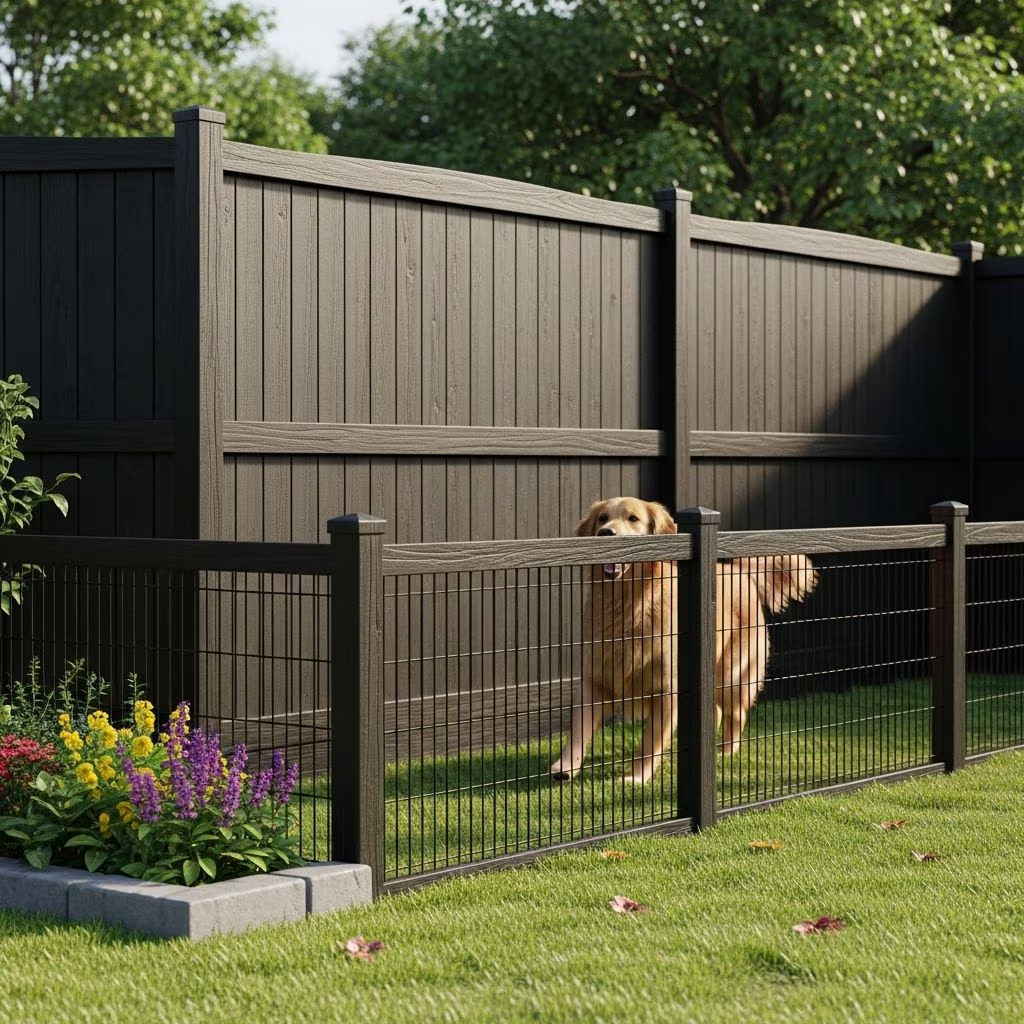
Keeping your dog safely contained within your yard requires more than just any fence. A truly dog-proof barrier combines proper material selection, strategic installation techniques, and thoughtful design considerations. Whether you’re installing a new fence or upgrading an existing one, understanding the fundamentals of canine containment will help you create a secure outdoor space where your pet can enjoy freedom without risk of escape.
Understanding Your Dog’s Escape Behaviors
Before selecting fencing materials or installation methods, it’s essential to understand how dogs attempt to escape. Different breeds and individual personalities present unique challenges. Some dogs are climbers or jumpers, attempting to scale or leap over barriers. Others are diggers, using their paws to tunnel beneath fences. Still others may exploit weak points, pushing through damaged sections or squeezing through gaps. Recognizing your dog’s specific escape tendencies will guide your fencing decisions and help you implement appropriate countermeasures.
Selecting the Right Fencing Materials
The foundation of a dog-proof fence begins with appropriate material selection. Different options offer varying levels of durability, visibility, and effectiveness:
- Wire or Metal Mesh: Provides excellent visibility for your dog and you, preventing collision injuries. Metal mesh resists chewing and digging attempts effectively. This material works well for both new installations and retrofitting existing structures.
- Wooden Lattice: Offers an attractive aesthetic while providing adequate containment when properly installed. Wooden barriers require regular maintenance and paint or sealant application to prevent deterioration from weather and dog damage.
- Composite Materials: Combine the appearance of wood with the durability of plastic, requiring less maintenance than traditional wood fencing. These materials resist rot, splintering, and UV damage.
- Chain-Link Fencing: Provides a transparent, durable barrier that’s difficult for dogs to damage. The visibility allows dogs to see their surroundings, reducing anxiety and destructive behavior related to confinement stress.
Height Requirements and Safety Considerations
Fence height serves as the primary defense against jumping escape attempts. Most dogs require a minimum barrier height, though this varies by breed and athletic ability. Support structures should extend six to eight inches taller than the visible fencing to ensure secure anchoring in soil. This additional height accommodates proper underground installation depth necessary for preventing dig-outs.
Posts or stakes should be positioned approximately every four feet along the fence line to provide adequate support and prevent sagging or flexing that could compromise the barrier’s integrity. This spacing ensures the fence remains taut and maintains its shape even under pressure from an active dog.
Anti-Dig Barriers and Ground-Level Protection
Preventing escape through digging requires installing barriers at ground level. An anti-dig barrier should extend along the entire bottom perimeter of your fence. This material, typically made of sturdy wire mesh or metal, is unrolled and positioned at the fence base. The barrier overlaps the existing fence line and is secured with ground stakes to prevent movement or displacement.
For maximum effectiveness, the anti-dig barrier should extend outward from the fence base, creating a deterrent zone that makes tunneling difficult and uncomfortable. The material must be firmly secured to prevent dogs from rolling or pushing it aside. Regular inspection ensures stakes remain firmly in place and the barrier hasn’t shifted due to ground settlement or dog activity.
Gate Installation and Latch Systems
Gates represent potential weak points in any dog-proof fence system. Secure latches are absolutely essential, as many dogs learn to manipulate simple fasteners. Dual-lock systems provide additional security against determined escape artists. Gates should be installed with minimal gaps between the gate and frame, preventing dogs from squeezing through openings.
The gate frame should be sturdy enough to withstand repeated pressure from dogs leaning or pushing against it. Hinges must be heavy-duty and properly installed to prevent sagging over time. Regular maintenance and lubrication of gate hardware ensures smooth operation and maintains tight seals.
Step-by-Step Installation Process
Preparation and Layout
Begin by measuring your yard’s perimeter carefully. Mark the locations where fence posts will be installed, ensuring consistent spacing of approximately four feet between each post. Pay special attention to corners and areas where the fence direction changes, as these points require particular attention during installation.
Post Installation
Set fence posts securely in the ground using appropriate techniques for your soil conditions. If your soil is compacted or rocky, dig holes first rather than attempting to drive posts directly into hard ground. Place each post in its hole and backfill with crushed gravel to improve stability and drainage around the base. Ensure posts are perfectly vertical using a level to prevent leaning or misalignment that could compromise fence integrity.
Attaching Fencing Material
Once posts are secure, unroll your fencing material and begin attaching it to the first post. Have an assistant hold tension on the fencing as you secure it, ensuring it remains taut between posts. Attach the fencing at multiple points along each post—typically at the top, middle, and bottom—to distribute pressure evenly and prevent sagging or separation.
Use appropriate fastening methods for your material: staples for wooden lattice, zip ties or clips for wire mesh, or screws for composite materials. Pull the fencing as tight as possible between posts before securing each section completely. This initial tension prevents the fence from developing sags that could create escape opportunities.
Securing the Base
After the main fencing is installed, attach your anti-dig barrier along the bottom edge. Unroll the material along the fence base and secure it firmly with ground stakes spaced closely enough to prevent movement. The barrier should extend outward from the fence to create a zone that discourages digging attempts.
Specialized Solutions for Problem Areas
Corner Management
Corners require special attention because they’re often weak points where dogs concentrate escape efforts. Ensure wire or mesh wraps completely around corners without gaps. Rounded corners rather than sharp 90-degree angles reduce stress on materials and create stronger structural points. Consider installing additional reinforcement at inside corners where dogs might gain leverage.
Existing Fence Upgrade
If you have an existing fence but need to prevent jumping or digging, several solutions are available. Toppers can be attached to existing posts to increase height and create an angled overhang that prevents jumping. Anti-dig barriers can be installed along the base of existing fencing without complete reconstruction.
Material Compatibility and Attachment Methods
| Fence Material | Best Attachment Method | Hardware Requirements | Durability Rating |
|---|---|---|---|
| Wire Mesh | Zip Ties or Clips | UV-Resistant Materials | Excellent |
| Wooden Lattice | Heavy-Duty Staples or Screws | Galvanized or Stainless Steel | Good |
| Chain-Link | U-Bolts or Clips | Metal Hardware | Excellent |
| Metal Posts | U-Bolts (round) or Square U-Bolts | Lag Bolts (wood posts) | Excellent |
Maintenance and Inspection Protocols
Regular inspection prevents small problems from becoming major escape risks. Check the entire fence perimeter monthly, looking for loose sections, damaged material, or gaps that have developed. Pay particular attention to areas where your dog frequently concentrates activity, as these locations experience accelerated wear.
Inspect attachment points where fencing connects to posts, ensuring fasteners remain tight and secure. Look for signs of rust on metal components, which can indicate corrosion that weakens structural integrity. Replace any damaged sections immediately to maintain the barrier’s effectiveness.
Vegetation management around the fence line prevents damage and maintains visibility. Trim branches or growth that might provide climbing points or weak spots. Clear debris that could be stacked to increase climbing height or that could damage fencing material.
Environmental and Weather Considerations
Your local climate affects fencing durability and maintenance requirements. UV exposure degrades plastic and wooden materials over time, necessitating protective finishes or sealants. In areas with significant temperature fluctuations, materials expand and contract seasonally, which can loosen fasteners or create gaps.
Freeze-thaw cycles in cold climates can heave posts out of the ground, requiring periodic re-setting. Moisture from rain or humidity promotes rust on metal components and rot in wooden materials. Consider these environmental factors when selecting materials and planning maintenance schedules.
Troubleshooting Common Issues
Sagging or Separation
If your fence develops sags between posts or sections separate from posts, fasteners may have loosened or material may have stretched. Re-tension the fencing and tighten all attachment points. If sagging persists, posts may have shifted or heaved, requiring adjustments to post positioning.
Visible Gaps or Holes
Any opening larger than your dog’s head represents an escape risk. Patch holes immediately with appropriate material matching your fence type. Gaps between fence sections should be eliminated or minimized through careful alignment during installation.
Rust or Corrosion
Rust on metal components reduces structural strength and can weaken attachment points. Address rust early by cleaning affected areas and applying protective coating. Severely corroded components should be replaced rather than attempting repair.
Frequently Asked Questions
What fence height is necessary for different dog sizes?
Small dogs typically require four to five feet of height, medium dogs need five to six feet, and large athletic breeds may require six feet or more. Determine your specific dog’s jumping ability and select accordingly, as athletic and young dogs can exceed typical breed standards.
How deep should anti-dig barriers extend?
Anti-dig barriers should extend outward from the fence base by at least two to three feet. The deeper and more extensive your barrier, the more effective it becomes at discouraging digging attempts. The barrier should be buried slightly below ground level or covered with soil to be invisible and maximize deterrent effect.
Can existing fences be retrofitted for dog safety?
Yes, existing fences can be upgraded with toppers for height increase, anti-dig barriers at the base, or reinforced latches on gates. These additions are typically less expensive than complete fence replacement while providing substantial safety improvements.
How often should fence maintenance occur?
Inspect your fence monthly during active seasons and quarterly during less active periods. Address any issues immediately to prevent small problems from becoming major safety concerns. Seasonal maintenance before winter or summer ensures your fence remains secure year-round.
What attachment method works best for my fence material?
Wooden fences typically use heavy-duty staples or galvanized screws. Metal fences use U-bolts or clips. Wire mesh attaches with UV-resistant zip ties or specialized clips. Ensure all hardware is corrosion-resistant to prevent degradation and structural failure over time.
Creating a Comprehensive Containment Plan
A truly dog-proof yard combines multiple strategies rather than relying on a single solution. The fence height prevents jumping, anti-dig barriers prevent tunneling, secure gates prevent deliberate exits, and regular maintenance keeps everything functional. Understanding your individual dog’s escape methods and tendencies allows you to customize your approach for maximum effectiveness.
Successful containment balances security with your dog’s wellbeing. A secure yard provides freedom and exercise opportunities while preventing the anxiety and danger associated with escape attempts. Investing time in proper fence installation and maintenance provides years of reliable service and peace of mind knowing your pet remains safely contained.
References
- DIY: What You Need To Know About Pet Fence Installation — Easy Pet Fence. Accessed January 30, 2026. https://easypetfence.com/diy-how-to-build-a-pet-fence/
- How to Dog Proof Your Garden with Fencing — Rover. Accessed January 30, 2026. https://www.rover.com/blog/how-to-make-dog-proof-garden-fencing/
- Planning the Installation — eXtreme Dog Fence. Accessed January 30, 2026. https://extremedogfence.com/pages/planning-the-installation
- Installation Resources — Dog Proofer. Accessed January 30, 2026. https://www.dogproofer.com/pages/installation-resources
- How To Dog Proof Your Fence — Protech Fence. Accessed January 30, 2026. https://www.protechfence.com/how-to-dog-proof-your-fence/



