

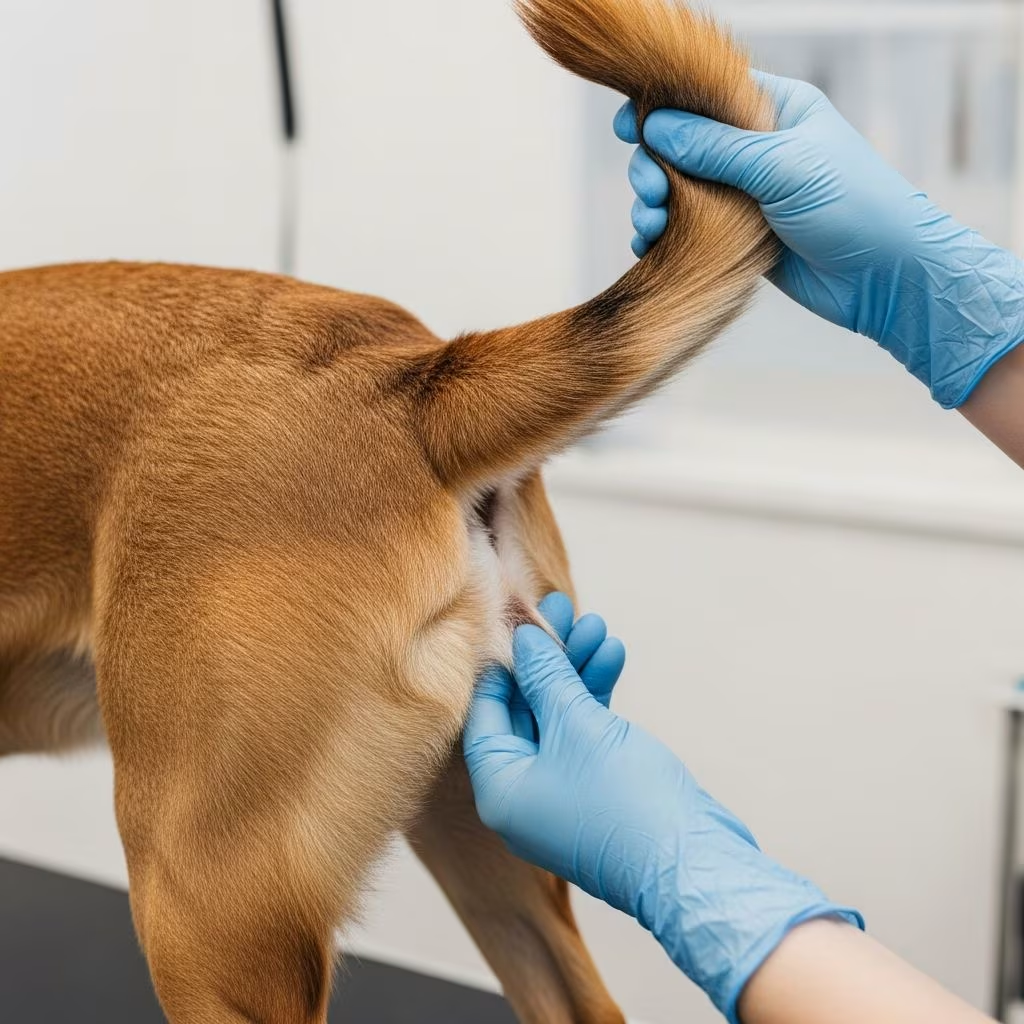
Maintaining your dog’s posterior hygiene is an essential aspect of pet care that many owners find uncomfortable to discuss but necessary to understand. Unlike humans, dogs cannot independently manage their own rear-end cleanliness, making it a responsibility that falls to their caretakers. This comprehensive guide explores the nuances of canine posterior care, including when intervention is necessary, what methods are safest, and how to recognize when professional help is needed.
Understanding Canine Anal Gland Functionality
Dogs possess two small glands located on either side of their anus called anal sacs or anal glands. These glands produce a pungent fluid that serves an important biological purpose. When dogs defecate, these glands naturally empty their fluid onto the stool, releasing the characteristic scent that dogs use for territorial marking and communication with other canines. This natural process is how dogs typically maintain their own rear cleanliness without human intervention.
The anal glands contain specialized tissue that secretes fluid with a distinctly fishy odor. This scent is unique to each individual dog, serving as a natural identifier within the canine community. In healthy dogs with normal bowel function, these glands express themselves automatically during regular bowel movements, eliminating the need for manual cleaning or expression.
Recognizing When Posterior Cleaning Becomes Necessary
Not all dogs require manual posterior cleaning or anal gland expression. However, certain situations and health conditions can prevent dogs from naturally emptying their anal glands. When this occurs, owners may need to take action to prevent discomfort and health complications.
Several signs indicate that your dog may need posterior attention or professional intervention:
- Excessive licking or biting at the rear end area
- Scooting or dragging the posterior along floors or grass
- Visible discomfort when defecating or sitting
- Noticeable fishy or foul odors emanating from the rear area
- Apparent straining during bowel movements
- Reluctance to sit or lie down comfortably
- Discharge visible around the anus
- Behavioral changes such as increased irritability or restlessness
If you notice your dog displaying any of these behaviors persistently, scheduling a veterinary appointment is crucial. These symptoms often indicate anal gland impaction or infection, conditions that require professional assessment and treatment.
Anal Gland Impaction and Related Health Issues
When anal glands fail to empty naturally, fluid accumulates within the sacs, causing impaction. This condition occurs when inflammation blocks the gland ducts, thickening the fluid inside and creating pressure and swelling. Dogs with impacted anal glands experience significant discomfort and may exhibit behavioral changes as a result.
Several factors increase the likelihood of anal gland problems developing in dogs:
- Small breed predisposition (Bulldogs, Chihuahuas, Cocker Spaniels are particularly susceptible)
- Insufficient dietary fiber intake
- Chronic soft stool or diarrhea
- Food or environmental allergies
- Atopic dermatitis or skin conditions
- Obesity or sedentary lifestyle
- Weak anal sphincter muscles
Left untreated, impacted anal glands can progress to infection, where bacteria proliferate within the blocked sacs. If infection worsens, abscesses may form—painful pus-filled pockets that can eventually rupture, creating a messy and extremely uncomfortable situation requiring immediate veterinary intervention.
Home Cleaning Versus Professional Care
While some pet owners consider cleaning or expressing their dog’s anal glands at home, veterinary professionals strongly recommend against this approach for most owners.
Home Expression Risks:
- Improper technique can cause tissue damage or pain
- Uncontrolled expression may lead to fluid contamination
- Risk of introducing bacteria and causing infection
- Difficulty restraining the dog safely during the procedure
- Inability to assess whether infection is present
- Potential for injury to the sensitive anal tissue
Professional Expression Benefits:
- Trained practitioners use proper technique to avoid tissue damage
- Veterinarians can simultaneously assess gland health and identify infections
- Antibiotic or anti-inflammatory medications can be prescribed if needed
- Hygienic environment reduces contamination risk
- Professional can advise on underlying causes and prevention strategies
Your veterinarian or a certified veterinary technician should handle anal gland expression. While some professional groomers offer this service, a veterinary setting provides superior safety and diagnostic capabilities.
Treatment Approaches for Anal Gland Problems
When dogs develop anal gland issues, several treatment options exist depending on the severity and underlying cause of the problem.
Manual Expression: The most common treatment involves having a veterinarian manually empty the anal glands. This procedure, performed during a simple office visit, typically provides immediate relief from discomfort and pressure.
Dietary Modifications: Increasing dietary fiber promotes healthier stool formation and more effective gland expression during normal bowel movements. Your veterinarian may recommend specific high-fiber foods or fiber supplements tailored to your dog’s nutritional needs.
Medication Management: If infection is present, antibiotics eliminate bacterial overgrowth. Anti-inflammatory medications reduce swelling and discomfort, particularly in cases where abscesses have begun forming.
Gland Flushing: In cases where manual expression proves impossible, sedation or general anesthesia allows veterinarians to flush the glands thoroughly, clearing blockages and infection.
Surgical Removal: For dogs with chronic, recurring problems unresponsive to other treatments, surgical removal of the anal glands is a last-resort option. However, this complex procedure carries risks, including potential fecal incontinence, and should only be considered after consulting extensively with your veterinarian.
Prevention Strategies for Long-Term Health
Proactive management significantly reduces the likelihood of anal gland problems developing or recurring in your dog.
Fiber Enhancement: A high-fiber diet promotes proper stool consistency, enabling natural gland expression during bowel movements. Adequate fiber intake helps prevent the constipation and soft stool that contribute to gland problems.
Regular Exercise: Active dogs experience more natural and complete bowel movements, facilitating normal gland expression. Daily exercise appropriate to your dog’s age and health status promotes digestive health.
Weight Management: Obesity increases anal gland problems, particularly in small breeds. Maintaining a healthy weight reduces pressure on the anal area and improves overall digestive function.
Allergy Identification: Working with your veterinarian to identify and manage food or environmental allergies reduces inflammation that contributes to gland dysfunction. Allergies are a common underlying cause of recurring anal gland issues.
Routine Veterinary Monitoring: For dogs prone to gland problems, regular veterinary check-ups allow for early detection of issues before they become serious. Your veterinarian may recommend periodic gland evaluation, even when no symptoms are present.
Frequency of Professional Anal Gland Care
The frequency with which dogs require professional anal gland expression varies significantly based on individual circumstances. Some dogs never need manual expression throughout their entire lives, while others require assistance every few weeks.
Factors determining expression frequency include breed predisposition, diet quality, activity level, and overall gastrointestinal health. Small breeds and dogs with dietary sensitivities typically need more frequent attention. Your veterinarian can assess your individual dog’s needs and establish an appropriate care schedule.
Regular grooming appointments provide an opportunity to address anal gland concerns, though veterinary evaluation remains the preferred approach for diagnosis and treatment of problems.
When to Seek Immediate Veterinary Care
Certain situations demand urgent veterinary attention. Contact your veterinarian immediately if you observe:
- Anal gland discharge that is thick, chunky, or discolored (green, yellow, or white)
- Evidence of abscess rupture (bloody or pus-filled discharge)
- Severe pain or behavioral distress related to the rear end
- Signs of infection such as fever, lethargy, or loss of appetite accompanying anal gland symptoms
- Inability to defecate despite straining efforts
- Swelling or redness in the anal area that appears to be worsening
Delaying treatment for infected or abscessed anal glands can lead to serious complications including rupture, systemic infection, and permanent tissue damage.
Practical Daily Hygiene Considerations
Beyond anal gland management, routine hygiene practices support overall rear-end health. Keep your dog’s rear-end area clean and dry. After outdoor bathroom breaks, particularly if your dog has diarrhea or digestive issues, gentle wiping with pet-safe wipes or warm water reduces irritation and prevents fecal matter from accumulating.
For long-haired dogs, regular grooming and trimming of hair around the rear end improves cleanliness and air circulation. This reduces the risk of matting, bacterial growth, and skin irritation in the anal area.
Monitor your dog’s stool consistency. Healthy, firm stools facilitate natural gland expression better than soft or liquid stool. If your dog frequently experiences diarrhea or constipation, discuss dietary adjustments with your veterinarian.
Frequently Asked Questions About Dog Posterior Care
Is it normal for dogs to scoot on the floor?
Occasional scooting is not necessarily abnormal, but frequent scooting indicates a problem requiring veterinary attention. While some attribute scooting to parasites, anal gland issues are the most common cause in well-maintained dogs.
Can I use baby wipes to clean my dog’s rear end?
Human baby wipes may contain fragrances or chemicals unsuitable for dogs. Pet-specific wipes designed for dogs are safer and gentler. Always consult your veterinarian before using any products on your dog’s sensitive anal area.
How do I know if my dog’s anal glands are infected?
Signs of infection include discolored discharge (green, yellow, or white), fever, lethargy, and behavioral changes alongside anal gland symptoms. Only a veterinarian can definitively diagnose infection through examination.
Will expressing my dog’s anal glands myself cause harm?
Improper technique can cause pain, tissue injury, and infection. Professional expression by a veterinarian is strongly recommended to avoid complications.
Is anal gland removal the same as spaying or neutering?
No. Anal gland removal is a separate, more complex surgical procedure with specific risks including fecal incontinence. It should only be considered as a last resort after other treatments have failed.
Conclusion: Prioritizing Your Dog’s Health and Comfort
While discussing posterior hygiene may feel uncomfortable for some dog owners, understanding proper care protects your dog’s health and quality of life. Most dogs naturally manage their anal gland function without human intervention. However, recognizing when professional help is needed and understanding available treatment options enables you to respond quickly to problems.
Focus on prevention through diet, exercise, weight management, and allergy management. Schedule regular veterinary visits, and don’t hesitate to contact your veterinarian if you notice signs of anal gland problems. By taking these steps, you ensure your dog remains comfortable, healthy, and able to enjoy an active, happy life.
References
- Dog Anal Glands: Common Problems, Treatment, and Prevention — PetMD. 2024. https://www.petmd.com/dog/general-health/dog-anal-glands
- Blocked Anal Glands in Dogs — PDSA (People’s Dispensary for Sick Animals). 2024. https://www.pdsa.org.uk/pet-help-and-advice/pet-health-hub/conditions/blocked-anal-glands-in-dogs
- When (And Why) Do Dogs Need Their Anal Glands Expressed? — GoodRx Pet Health. 2024. https://www.goodrx.com/pet-health/dog/do-dogs-need-anal-glands-expressed
- Anal Gland Issues in Dogs: What to Be Aware of — Partners Veterinary West Loop. 2024. https://partnersvetwl.com/anal-gland-issues-dogs
- Dog Anal Glands Care — Bliss Animal Hospital. 2024. https://blissanimalhospital.com/blog/dog-anal-glands-care-orange-county/



