

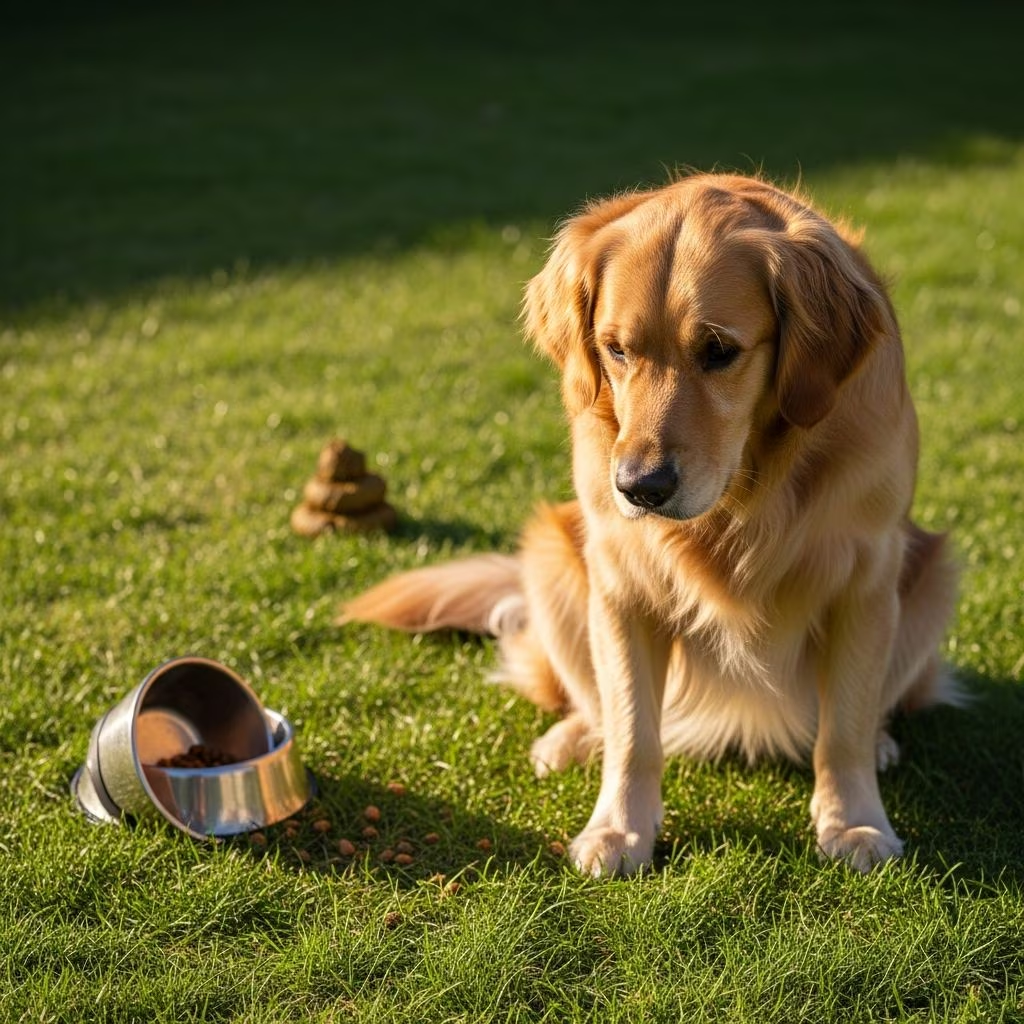
Many dog owners notice their pets heading straight to eliminate shortly after finishing a meal. This rapid bowel movement pattern stems from the unique mechanics of canine digestion, where food transit can be swift, especially in smaller breeds or those with high-metabolism diets. Understanding this behavior helps owners support optimal gut function and spot potential issues early.
The Canine Digestive Journey Explained
Dogs possess a streamlined digestive system adapted from their wolf ancestors, prioritizing quick processing over prolonged breakdown. Food enters the mouth for minimal chewing, aided by saliva that lubricates but lacks human-like enzymes. It then travels via the esophagus to the stomach, a highly acidic chamber that holds contents for 4-8 hours, churning them into chyme.
From there, chyme moves to the small intestine—shorter in dogs than humans—for nutrient absorption across three segments: duodenum, jejunum, and ileum. Villi here efficiently pull vitamins, proteins, and minerals into the bloodstream. Undigested remnants reach the large intestine, where water absorption solidifies waste, typically within 4-10 total hours from ingestion. Factors like hydration, diet quality, exercise, size, and age influence this timeline, with puppies and small dogs processing faster.
- Hydration: Ample water speeds transit by softening contents.
- Diet: High-quality, minimally processed foods with real proteins digest quicker than fillers-heavy kibble.
- Activity: Movement stimulates bowel motility.
- Breed/Age: Toy breeds and young pups often eliminate sooner.
Gastrocolic Reflex: The Post-Meal Trigger
A key driver of immediate pooping is the gastrocolic reflex, a neural response where stomach distension signals the colon to contract, pushing out stool. In dogs, this reflex activates rapidly post-feeding, mimicking wild pack behaviors where quick elimination clears space for new meals during scarce times. This explains why many healthy dogs poop within 15-30 minutes of eating—it’s an efficient survival trait, not a flaw.
However, if elimination occurs under 10 minutes consistently, it may signal hyper-motility, where contents rush too fast, risking incomplete nutrient uptake or loose stools.
Diet’s Role in Rapid Elimination Patterns
Food composition profoundly affects transit speed. Low-fiber, highly processed diets slow initial breakdown but can overload the colon later, while balanced ones with insoluble fibers (e.g., pumpkin) promote steady movement. Excessive fats or sugars trigger quicker dumps as the body expels unneeded elements swiftly.
| Diet Type | Transit Impact | Poop Timing |
|---|---|---|
| High-Quality Protein + Fiber | Balanced absorption | 15-45 min |
| Processed Kibble w/ Fillers | Slower stomach, fast colon | <15 min or delayed |
| High-Fat Treats | Accelerated motility | Immediate |
Owners switching to premium foods often see normalized patterns, as better ingredients support microbiome health, which influences mood, immunity (70% gut-based), and regularity. Probiotics further aid by fostering beneficial bacteria.
When Quick Pooping Signals Health Concerns
Not all rapid elimination is benign. Persistent patterns may indicate:
- Parasites: Worms like roundworms irritate intestines, hastening expulsion.
- Enzyme Deficiencies: Poor breakdown leaves undigested particles, prompting fast clearance.
- Food Sensitivities: Allergens cause inflammation, speeding transit.
- GI Disorders: Conditions like IBD or malabsorption syndromes disrupt normal flow.
Accompanying signs—diarrhea, blood, weight loss, or lethargy—warrant vet visits for fecal tests or bloodwork. Large breeds eating fast risk bloat (GDV), where gulping air swells the stomach fatally without intervention.
Behavioral Factors Influencing Bowel Habits
Beyond physiology, habits play a role. Dogs eating voraciously swallow air, bloating the gut and triggering urgent needs. Stress, boredom, or routine changes (e.g., new homes) alter motility via the gut-brain axis. Puppies explore via mouthing, sometimes leading to coprophagia if stools seem nutrient-rich from poor diets.
Environmental cues like post-meal walks reinforce the pattern, training dogs to ‘go’ on cue efficiently.
Strategies to Regulate Your Dog’s Digestion
Normalize habits with these evidence-based steps:
- Slow Feeding: Use puzzle bowls or scatter kibble to curb gulping, reducing air intake and bloat risk.
- Meal Scheduling: Divide daily food into 3-4 smaller portions; consistency aids prediction.
- Fiber Boost: Add safe sources like plain pumpkin (1-2 tsp per 10lbs body weight) for bulk without laxative effects.
- Hydration Check: Ensure fresh water; wet food hydrates internally.
- Exercise Routine: 20-30 min walks post-meal stimulate without overexertion.
Supplements like digestive enzymes or probiotics (e.g., those with live cultures) enhance breakdown, making stools less appealing if coprophagia occurs. Avoid unproven additives like meat tenderizers long-term.
Breed and Age Variations in Poop Timing
Small breeds (e.g., Chihuahuas) have shorter guts, pooping faster than giants like Great Danes. Seniors may slow due to reduced motility, while puppies’ immature systems rush everything. Tailor expectations: a 5lb pup pooping in 10 minutes is normal; a 100lb adult in 5 may need diet tweaks.
FAQs on Dogs Pooping After Eating
Q: Is it bad if my dog poops right after every meal?
A: Occasional instances are fine due to reflexes, but daily extremes suggest diet or health checks.
Q: How can I stop my dog from pooping immediately outside?
A: Delay walks 30-60 min post-meal; train with commands indoors first.
Q: Does wet food cause faster pooping?
A: Yes, higher moisture accelerates transit; balance with dry for firmness.
Q: When to see a vet for this behavior?
A: If paired with vomiting, thin stools, or appetite changes—promptly.
Q: Can stress make a dog poop quicker?
A: Absolutely; gut-brain links amplify motility under anxiety.
Long-Term Gut Health for Happy Dogs
Maintaining steady digestion bolsters immunity, behavior, and vitality. Regular vet checkups, quality nutrition, and mindful routines prevent escalations. Track patterns in a journal to share with professionals for personalized advice.
References
- They Are What They Eat: The Importance of Dogs’ Digestive Systems — Dogswell. 2023. https://dogswell.com/they-are-what-they-eat-the-importance-of-dogs-digestive-systems/
- Why Do Dogs Eat So Fast? — Purina US. 2024. https://www.purina.com/articles/dog/feeding/guides/why-do-dogs-eat-so-fast
- Dog Behavior Problems – Coprophagia — VCA Animal Hospitals. 2023. https://vcahospitals.com/know-your-pet/dog-behavior-problems-coprophagia
- Controlling Your Pet’s Eating Behavior — PetMD. 2024. https://www.petmd.com/dog/nutrition/evr_multi_controlling_pets_eating_behavior
- Why Does My Dog Eat Poop? Understanding This Common Behavior — Express Vet Holly Springs. 2023. https://www.expressvetshollysprings.com/blog/why-does-my-dog-eat-poop-understanding-this-common-behavior



