

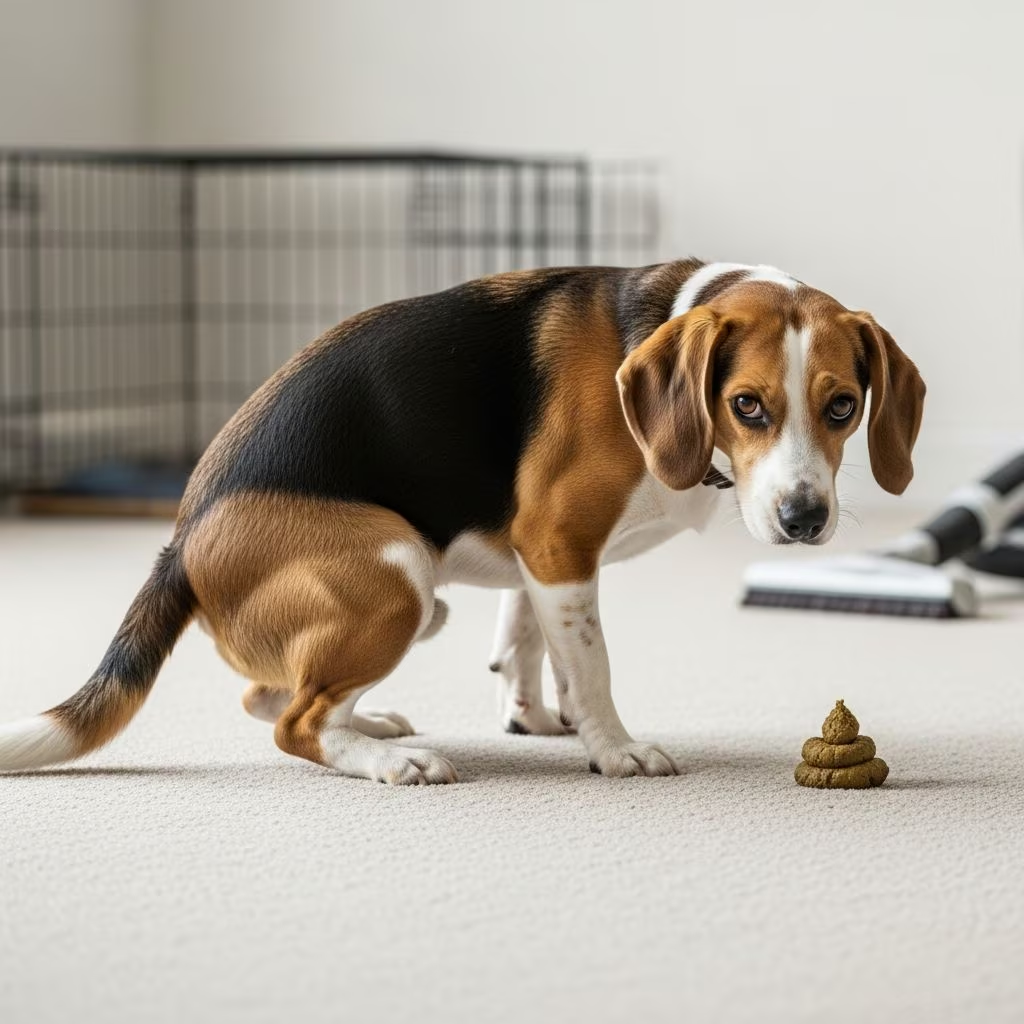
Indoor accidents can frustrate any dog owner, especially when your pet was reliably house-trained. These incidents often stem from underlying health problems, environmental stressors, or disruptions in daily habits. Addressing the root cause through veterinary evaluation, routine adjustments, and positive reinforcement training restores order and strengthens your bond with your dog.
Recognizing the Signs of Indoor Elimination Problems
Spotting patterns in your dog’s behavior helps pinpoint whether the issue is isolated or ongoing. Frequent loose stools, straining, or sudden urgency signal potential medical concerns, while consistent spots in the same area might indicate marking or scent attraction. Track incidents by noting time of day, location, stool consistency, and recent changes in diet or schedule to share with your veterinarian.
- Observe stool quality: Watery or bloody stools warrant immediate vet attention.
- Note frequency: Multiple daily accidents differ from occasional slips.
- Monitor timing: Post-meal or after naps are normal potty cues if not acted on.
Medical Reasons Behind Indoor Pooping
Health issues top the list of causes for house-trained dogs suddenly soiling indoors. Gastrointestinal distress often creates uncontrollable urgency, overriding training.
Gastrointestinal Parasites and Infections
Parasites like giardia, roundworms, or hookworms inflame the intestines, causing diarrhea and sudden bowel movements. Dogs pick up these from contaminated soil, water, or contact with infected animals at parks or yards. Symptoms include abdominal pain and loose stools that lead to accidents before reaching the door.
Viral or bacterial infections similarly disrupt gut function, mimicking parasite effects. Routine fecal exams at annual vet visits detect these early; dewormers or antibiotics resolve most cases quickly.
Food Sensitivities and Dietary Upsets
Allergies to proteins like beef, chicken, dairy, or grains provoke intestinal inflammation and soft stools. Even non-allergic intolerances from abrupt food switches alter gut bacteria, leading to digestive imbalance. Transition new foods over 7-10 days by mixing 25% new with 75% old, gradually increasing to avoid upset.
Probiotics support gut health during changes, stabilizing microflora. Scheduled mealtimes prevent constant snacking, which increases poop frequency.
Age-Related Challenges in Senior Dogs
Older dogs face muscle weakening, spinal nerve damage, or cognitive decline akin to dementia, impairing bowel control. Incontinence from sphincter weakness or mobility issues prevents timely outdoor trips. Confusion in seniors leads to forgotten training, with accidents at night or in odd spots.
Vets may prescribe medications for incontinence or recommend ramps for arthritic dogs. Cognitive supplements and consistent routines aid memory.
| Age Group | Common Issues | Solutions |
|---|---|---|
| Puppy/Young | Parasites, incomplete training | Frequent outings, deworming |
| Adult | Diet changes, stress | Gradual transitions, anxiety aids |
| Senior | Incontinence, dementia | Medications, supportive care |
Behavioral and Environmental Triggers
Even healthy dogs revert due to stress or routine gaps. Punishment worsens anxiety without solving causes; focus on positive management.
Stress and Anxiety Factors
Separation anxiety manifests as indoor elimination when alone. External fears like thunder, fireworks, or traffic noises make dogs avoid outdoors, opting for indoor safety. New household members, moves, or schedule shifts heighten tension, prompting regressive behaviors.
Calming aids like pheromone diffusers or anxiety wraps reduce fear. Desensitization training pairs scary stimuli with treats, building tolerance.
Routine Disruptions and Inadequate Opportunities
Inconsistent potty breaks, especially for puppies or post-disruption adults, lead to unavoidable accidents. Distractions outdoors—like play or visitors—delay elimination until inside. Some dogs prefer specific surfaces (grass over concrete), refusing unsuitable spots.
Set alarms for every 2-4 hours, post-meals, and bedtime. Designate a quiet outdoor zone, potty first before play.
Effective Strategies to Stop Indoor Accidents
Combine vet clearance with proactive training for lasting results. Patience prevents reinforcement of bad habits.
Cleaning and Odor Elimination
Dogs return to soiled spots due to lingering scents. Enzymatic cleaners break down proteins undetectable by regular soaps, preventing repeats. Avoid ammonia-based products, which mimic urine smells.
Reinstating House Training Protocols
Revert to puppy basics: Confine when unsupervised, reward outdoor success with high-value treats. Use crate training for reliability, as dogs avoid soiling dens. Leash walks encourage focus on business over play.
- Feed on schedule; remove uneaten food after 15-20 minutes.
- Increase exercise: Daily walks burn energy, signaling potty needs.
- Supervise closely; interrupt indoor attempts with calm redirection.
Long-Term Prevention Measures
Annual parasite preventives, balanced diets, and mental stimulation maintain health. For seniors, belly bands or doggy diapers manage incontinence during transitions. Track progress in a journal to adjust tactics.
FAQs: Common Questions on Dog Indoor Pooping
Why is my house-trained dog suddenly pooping inside?
Common culprits include medical issues like parasites or diet changes, stress from noises, or routine lapses. Consult a vet first.
Should I punish my dog for indoor accidents?
No—punishment induces fear and more accidents. Use positive reinforcement instead.
How often should I take my dog out to prevent pooping inside?
Puppies every 1-2 hours, adults 4-6 times daily, seniors more frequently based on needs.
Can senior dogs regain full house training?
Many improve with vet interventions, routines, and aids, though some need ongoing management.
Are pee pads a good solution for indoor pooping?
They help during training or health issues but train toward outdoor elimination for hygiene.
Diagnostic Steps: When to See a Vet
Schedule a visit if accidents persist over 48 hours, accompany diarrhea/vomiting, or show lethargy/weight loss. Fecal tests, bloodwork, and imaging rule out serious conditions like IBD or cancer. Early intervention prevents chronic issues.
For behavioral cases post-vet clearance, consult trainers certified in force-free methods. Consistency across family members ensures success.
References
- Dog Pooping in the House: Why It’s Happening and What To Do — PetMD. 2023. https://www.petmd.com/dog/behavior/dog-pooping-house-why-and-what-do
- Dog Keeps Pooping in the House? What to Do — GoodRx. 2023. https://www.goodrx.com/pet-health/dog/why-is-my-dog-pooping-in-the-house
- Why Does My Dog Poop In the House? — WebMD. 2023. https://www.webmd.com/pets/dogs/my-dog-pooping-everywhere
- What to Do If Your Older Dog is Pooping in the House — Spot & Tango. 2023. https://spotandtango.com/blog/senior-dog-pooping-inside
- Why is my dog pooping in the house? — WagWalking. 2023. https://wagwalking.com/symptom/why-is-my-dog-pooping-in-the-house



