

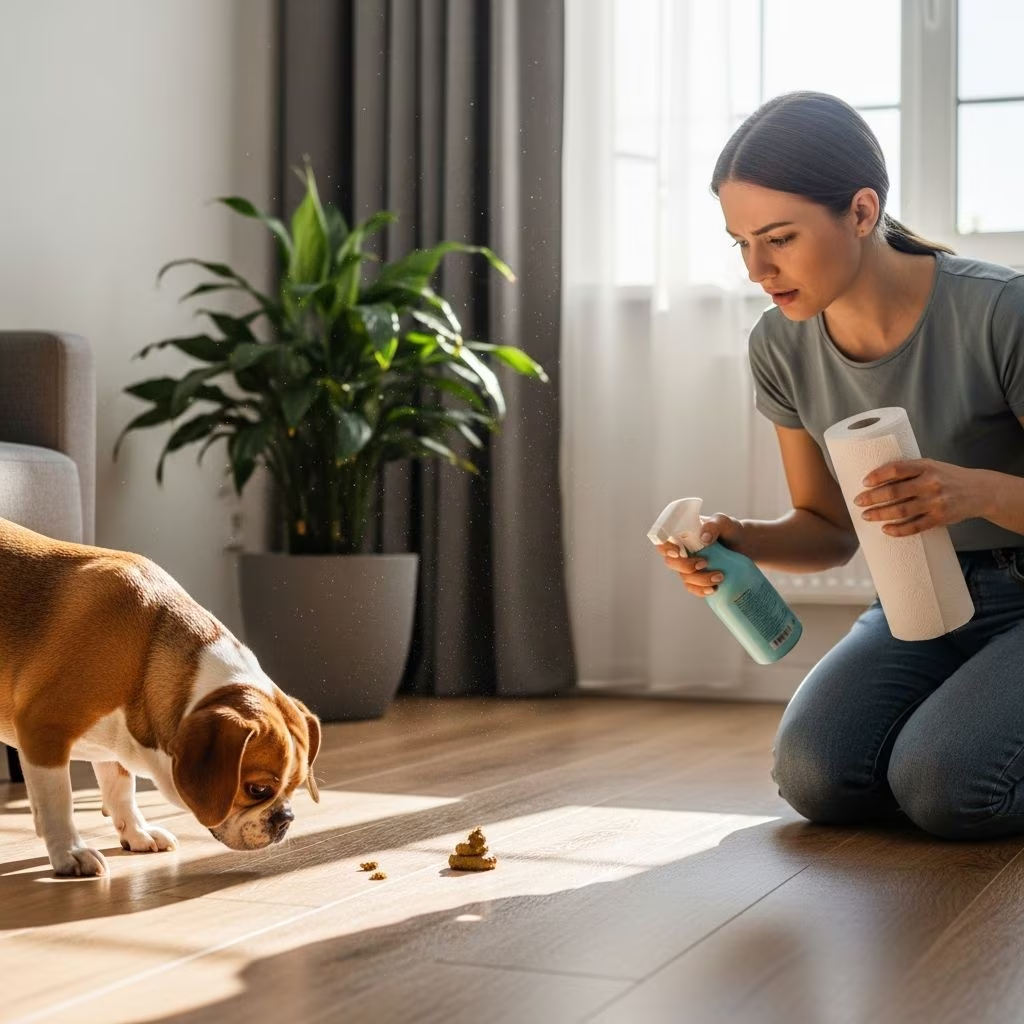
House-trained dogs occasionally have indoor accidents, often signaling underlying issues rather than defiance. Identifying whether medical conditions, stress, or routine disruptions are at play allows owners to address the root cause effectively.
Recognizing the Shift from Reliable Habits
A previously reliable dog eliminating indoors disrupts household harmony and raises concerns. This behavior might appear abruptly in adult dogs or persist in seniors, differing from puppy training setbacks. Observe patterns like location preferences or timing to pinpoint triggers, as consistent housebreaking relies on physical control and mental association with outdoor spots.
Health Conditions Triggering Indoor Elimination
Physical ailments frequently underlie sudden bowel mishaps, demanding prompt veterinary evaluation. Loose stools, straining, or urgency often accompany these problems, distinguishing them from behavioral slips.
- Parasitic Infections: Organisms like Giardia or worms irritate the gut, causing uncontrollable diarrhea that prevents reaching the yard in time.
- Food Sensitivities: Allergens in beef, dairy, or grains provoke gastrointestinal upset, leading to frequent, loose movements indoors.
- Infections and Inflammation: Bacterial, viral agents, or colitis inflame intestines, resulting in urgent needs beyond a dog’s control.
- Dietary Disruptions: Abrupt food switches alter gut bacteria, yielding soft stools and accidents during adjustment periods.
Veterinarians recommend fecal tests and stool analysis to diagnose these swiftly, as untreated cases risk chronic damage. Transition new diets over 7-10 days, blending old and new gradually to stabilize digestion.
Age-Related Bowel Control Challenges
Senior dogs face declining muscle tone and neurological function, making continence harder. Sphincter weakness or spinal degeneration reduces signal accuracy from brain to bowels.
| Age Factor | Symptoms | Management |
|---|---|---|
| Muscle Weakness | Leakage without awareness | Scheduled frequent outings |
| Cognitive Dysfunction | Confusion, nighttime accidents | Consistent routines, ramps |
| Mobility Limits | Struggles to reach door | Belly bands, pee pads nearby |
For dogs over 10 years, regular check-ups detect issues like degenerative myelopathy early. Supplements supporting nerve health or mobility aids help maintain dignity and comfort.
Environmental Stressors Disrupting Routines
Dogs mirror human stress responses in their digestion; anxiety accelerates motility, prompting indoor relief. External changes provoke this more than owners realize.
- Household Upheaval: Moves, new pets, or babies unsettle territorial instincts and schedules.
- Noise Fears: Thunder, fireworks, or construction sounds trigger panic poops, as dogs avoid scary outdoors.
- Separation Distress: Alone time breeds cortisol spikes, loosening bowels upon return or during absence.
Mitigate by maintaining predictability: fixed feeding times, play sessions, and potty walks. Pheromone diffusers calm nerves for some breeds, though efficacy varies.
Retraining Strategies for Lasting Success
Once health is cleared, reinforce outdoor associations without punishment, which heightens fear. Positive methods rebuild confidence swiftly.
- Boost Potty Frequency: Every 2-4 hours, plus post-meal and play, using cues like “go potty” for association.
- Supervise Diligently: Leash indoors to catch pre-elimination signals: circling, sniffing, whining.
- Reward Immediately: High-value treats upon outdoor success cement the habit.
- Enzymatic Cleanup: Neutralizes scents fully, preventing re-marking spots.
Track progress in a journal noting accident times, aiding pattern detection. Puppies under 6 months need hourly checks, scaling as bladder matures.
Daily Routine Optimization for Prevention
Structured schedules prevent overload. Feed twice daily, removing bowls after 15-20 minutes to regulate output timing.
- Morning: Feed, 15-min walk, potty break.
- Midday: Short outing during lunch.
- Evening: Exercise, final potty before bed.
Increase walks for high-energy breeds, burning stress and promoting complete evacuation. Probiotics aid gut stability during changes.
Tools and Products Enhancing Control
Supportive gear bridges gaps during recovery.
| Tool | Benefit | Best For |
|---|---|---|
| Enzymatic Sprays | Eliminates odors | All accidents |
| Pheromone Collars | Reduces anxiety | Stress cases |
| Absorbent Pads | Catch leaks | Seniors, puppies |
| Belly Bands | Protects furniture | Incontinent males |
Choose unscented cleaners to avoid masking scents that lure repeats. Consult vets for breed-specific probiotics.
FAQs: Common Indoor Pooping Concerns
Why does my adult dog poop inside after years of perfection?
Often medical like parasites or stress; vet exam first rules out issues.
Is punishing effective for house soiling?
No, it amplifies fear without addressing causes; use rewards instead.
How long to retrain after a setback?
1-4 weeks with consistency, faster sans health barriers.
Can diet alone fix loose stool accidents?
Helps if intolerance-based, but pair with vet-prescribed changes.
What if my senior dog can’t hold it anymore?
Adapt with more breaks, pads, and mobility support.
Long-Term Wellness for Bowel Health
Holistic care sustains habits: balanced nutrition, mental stimulation via puzzle toys, and annual wellness screens catch brewing problems. Hydration via fresh water stations prevents constipation. Bonding walks double as enrichment, reducing isolation stress. Patience yields a harmonious home where your dog thrives confidently outdoors.
References
- Why is My Dog Pooping in the House Suddenly? — Beco Pets. 2023. https://www.becopets.com/blogs/news/why-is-my-dog-pooping-in-the-house-suddenly
- Dog Pooping in the House: Why It’s Happening and What To Do — PetMD. 2024-01-15. https://www.petmd.com/dog/behavior/dog-pooping-house-why-and-what-do
- Dog Keeps Pooping in the House? What to Do — GoodRx. 2023-11-20. https://www.goodrx.com/pet-health/dog/why-is-my-dog-pooping-in-the-house
- Why Is Your Dog Pooping Inside? Understanding the Causes and How to Fix It — Pet N Pet. 2024. https://petnpet.us/blogs/news/why-is-your-dog-pooping-inside-understanding-the-causes-and-how-to-fix-it
- Why is my dog pooping in the house? — WagWalking. 2023. https://wagwalking.com/symptom/why-is-my-dog-pooping-in-the-house
- Why is my dog pooping in the house? — DoodyCalls. 2024-02-10. https://www.doodycalls.com/articles/blog/dog-behavior-training/why-is-my-dog-pooping-in-the-house-/
- Why Does My Dog Poop In the House? — WebMD. 2023-09-05. https://www.webmd.com/pets/dogs/my-dog-pooping-everywhere



