

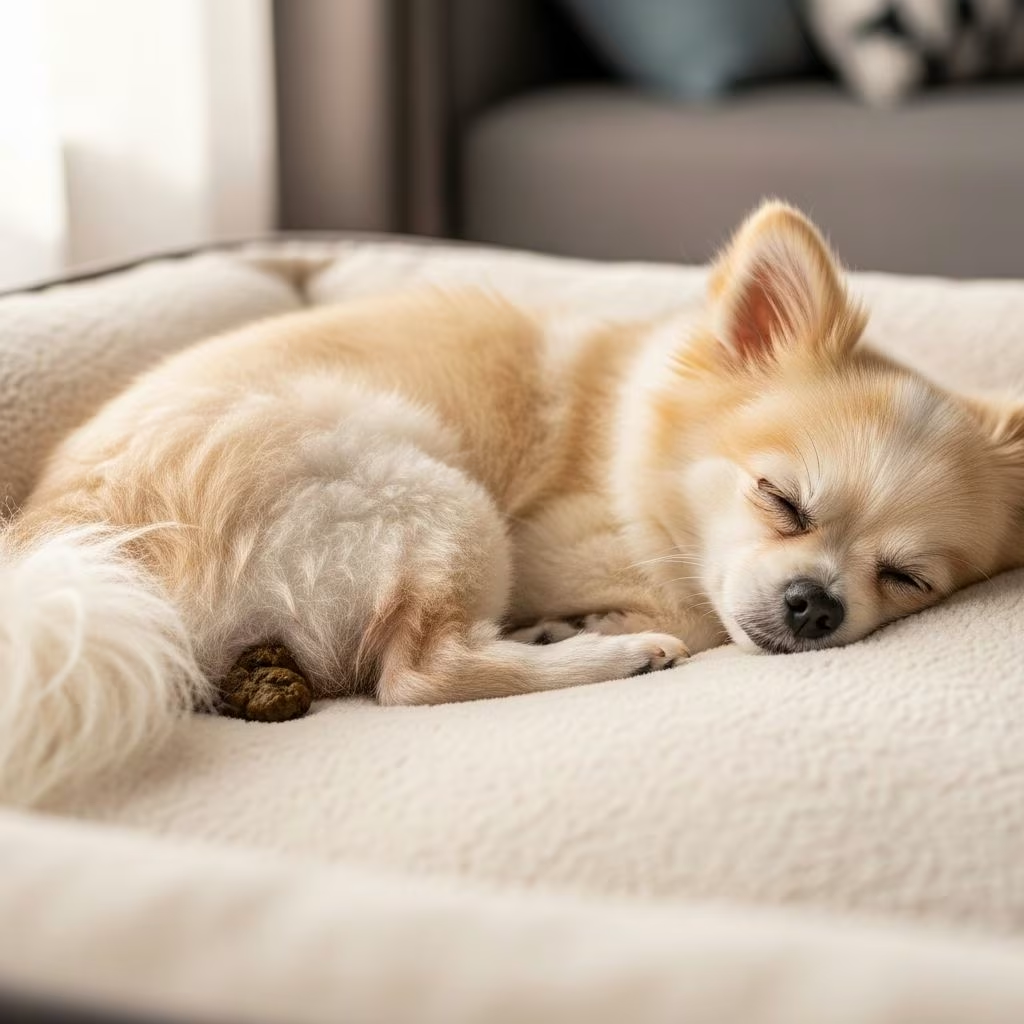
Observing a dog defecating while asleep can alarm any pet owner, signaling potential health concerns that require prompt attention. This phenomenon, known as fecal incontinence during sleep, often stems from underlying medical or age-related factors rather than behavioral lapses. Understanding the root causes empowers owners to seek appropriate veterinary care and implement supportive measures.
Understanding Fecal Incontinence in Sleeping Dogs
Fecal incontinence occurs when a dog loses voluntary control over bowel movements, leading to unintended elimination, especially during deep sleep when muscle relaxation is at its peak. Unlike urinary incontinence, which is more common, bowel-related issues can indicate nerve damage, pain, or structural problems in the rectal area. Senior dogs are particularly prone, but puppies and adults can also experience it due to specific triggers. Early intervention is crucial to improve quality of life and prevent secondary issues like skin irritation from contact with feces.
Primary Medical Causes Behind the Issue
Several health conditions can disrupt the normal functioning of the anal sphincter and nerves controlling defecation. These range from neurological disorders to inflammatory processes.
Neurological Disorders Disrupting Bowel Control
Conditions affecting the spinal cord or peripheral nerves often lead to weakened anal tone, causing leakage during sleep. Degenerative myelopathy, a progressive spinal cord disease common in breeds like German Shepherds, erodes nerve signals over time. Intervertebral disk disease (IVDD) compresses the spinal cord, impairing sphincter control, while fibrocartilaginous embolism (FCE) blocks blood flow suddenly, mimicking a stroke in dogs. Trauma from accidents, such as being hit by a vehicle, can damage the spine, necessitating immediate reflex and tone checks by a vet.
Joint and Mobility Problems Contributing to Accidents
Arthritis, particularly spondylosis affecting the spine, limits a dog’s ability to assume proper defecation postures during walks, leading to incomplete evacuation that releases later in relaxation. Muscle atrophy in aging dogs exacerbates this, making it physically challenging to signal or position for elimination. Pain from these conditions discourages outdoor efforts, resulting in indoor incidents.
Rectal and Perianal Abnormalities
Trauma to the rectal area, including severe anal gland abscesses or perianal fistulas, weakens the sphincter muscles directly. Masses like anal gland tumors can interfere with normal closure, and surgical interventions for these may inadvertently damage controlling nerves. Infections causing severe diarrhea, such as parvovirus or Salmonella, overwhelm the system, leading to leakage even in sleep.
Age-Related Factors in Older Dogs
As dogs enter their senior years, physiological changes heighten incontinence risks. Cognitive dysfunction syndrome, akin to dementia, confuses sleep-wake cycles and elimination routines, prompting accidents anywhere, including bedding. Combined with muscle loss and reduced mobility, these shifts make nighttime control difficult. Hormonal imbalances like Cushing’s disease further weaken muscle tone indirectly through increased thirst and digestive disruptions.
Other Contributing Health and Lifestyle Elements
- Gastrointestinal Disturbances: Parasites, food allergies, inflammatory bowel disease (IBD), or sudden diet shifts cause loose stools and urgency that persist into sleep.
- Systemic Illnesses: Kidney or liver diseases alter metabolism, leading to malaise and poor bowel retention.
- Medication Side Effects: Certain drugs induce diarrhea or relax sphincters as unintended consequences.
Step-by-Step Diagnosis Process
Veterinarians start with a comprehensive history, noting onset, frequency, stool quality, and recent changes. A full physical includes rectal examination to assess sphincter tone, gland health, and masses. Bring a fresh stool sample for parasite screening. Blood tests evaluate organ function, while X-rays detect arthritis or spinal anomalies. Advanced imaging like MRI may be needed for neurological suspicions. Ruling out infections via fecal cultures ensures targeted treatment.
| Diagnostic Test | Purpose | What It Reveals |
|---|---|---|
| Rectal Exam | Direct assessment | Sphincter tone, inflammation, tumors |
| Stool Analysis | Parasite/infection check | Giardia, worms, bacteria |
| Blood Work | Systemic health | Kidney/liver function, hormones |
| X-rays | Bone/joint imaging | Arthritis, spinal issues |
Effective Treatment Strategies
Treatment targets the underlying cause while providing symptomatic relief. For neurological cases, medications like anti-inflammatories or pain relievers help, alongside physical rehab.
Rehabilitation and Supportive Therapies
Laser therapy reduces inflammation, hydrotherapy builds strength without joint stress, chiropractic adjustments align the spine, and acupuncture eases pain. These non-invasive options enhance mobility and muscle control, particularly beneficial for arthritic dogs.
Dietary Adjustments for Better Digestion
Switch to highly digestible, low-fiber formulas or hydrolyzed protein diets to firm stools and reduce frequency. Gastrointestinal-specific foods promote gut health. Avoid feeding close to bedtime and ensure ample pre-sleep walks for full evacuation.
Medications and Surgical Interventions
Anti-diarrheal drugs manage infections, while sphincter-strengthening meds aid mild incontinence. Surgery removes masses or repairs trauma, though nerve damage may persist.
Practical Prevention and Management Tips
Proactive steps minimize occurrences:
- Establish consistent walk schedules, extending evening outings for complete relief.
- Use washable, elevated beds to contain messes and protect skin.
- Monitor weight to reduce joint strain.
- Provide ramps for mobility-impaired dogs.
- Track symptoms in a journal for vet discussions.
For seniors, diapers or belly bands offer dignity and hygiene during management phases.
Common Myths and Realities
Many assume laziness or spite causes sleep pooping, but it’s rarely behavioral. Stress or incomplete training may contribute in young dogs, yet medical evaluation always precedes behavioral fixes. Puppies naturally lack full control until 6-12 months, improving with routine.
Frequently Asked Questions (FAQs)
Is pooping in sleep a normal dog behavior?
No, it indicates an underlying issue requiring veterinary investigation, not a typical occurrence.
Can diet alone fix my dog’s sleep incontinence?
Diet helps firm stools but won’t resolve neurological or structural causes; consult a vet for comprehensive care.
How quickly should I see a vet if this starts?
Immediately, especially with sudden onset, blood, or lethargy, to prevent complications.
Will my senior dog outgrow this?
Unlikely without intervention; management sustains comfort into golden years.
Are certain breeds more prone?
Yes, large breeds like Labs for arthritis, Shepherds for myelopathy, but any dog can be affected.
Long-Term Outlook and Quality of Life
With diagnosis and tailored plans, most dogs regain control or manage symptoms effectively, enjoying extended active lives. Owners play a key role through vigilance and adaptation, turning a distressing issue into a manageable aspect of pet parenthood. Regular check-ups catch changes early, ensuring timely adjustments.
References
- Bowel Incontinence in Dogs — VCA Animal Hospitals. 2023. https://vcahospitals.com/know-your-pet/bowel-incontinence-in-dogs
- Why Does My Dog Poop in Their Sleep? Vet Explained Signs — Dogster. 2024-01-15. https://www.dogster.com/ask-the-vet/why-does-my-dog-poop-in-their-sleep
- House Soiling in Senior Dogs — Lap of Love. 2023-05-20. https://www.lapoflove.com/blog/senior-pet-care/house-soiling-in-senior-dogs
- Embrace the Changes in Your Senior Dog — Old Dog Haven. 2022-11-10. https://olddoghaven.org/embrace-the-changes-in-your-senior-dog/



