

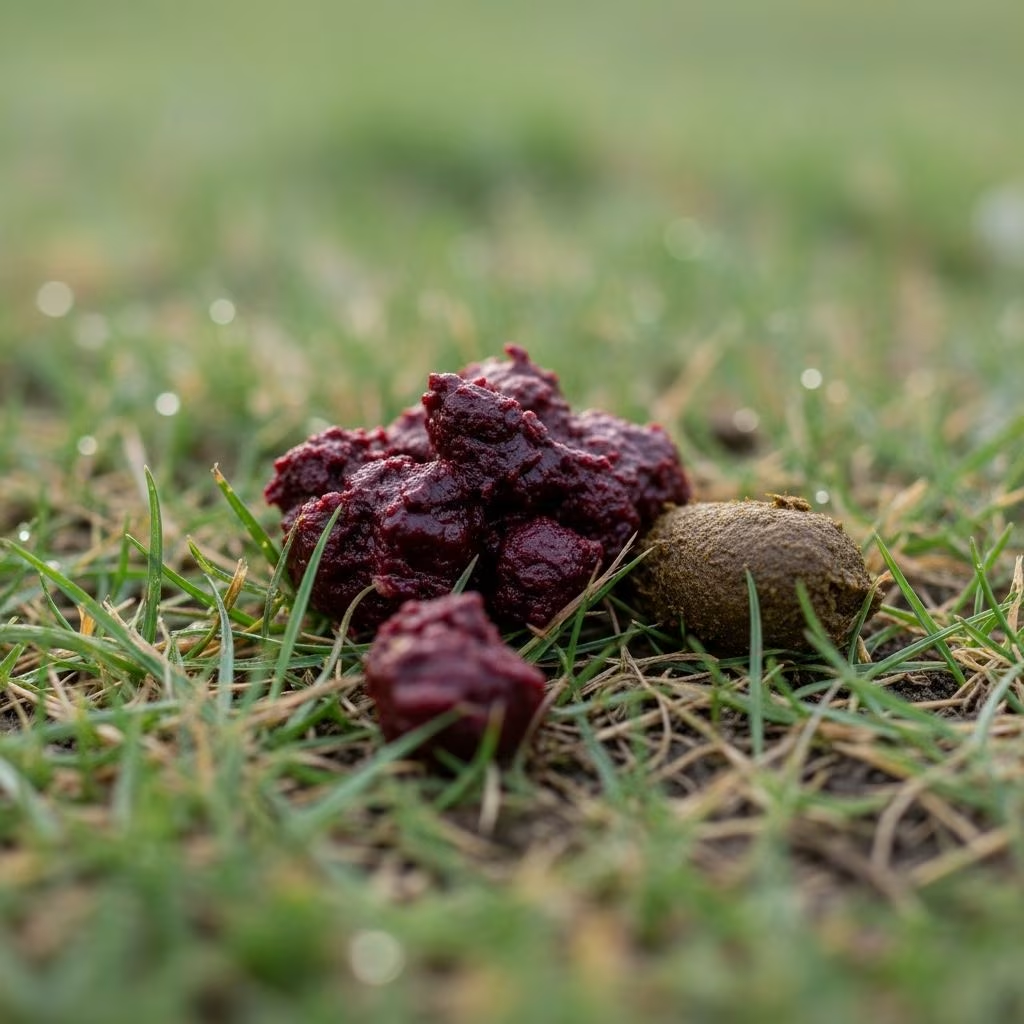
One of the most concerning changes you may notice in your dog’s health is the presence of blood in their stool. Bloody stools in dogs can be caused by many different things, ranging from minor digestive upset to serious medical conditions. If your dog is pooping blood, it’s helpful to know what might have caused it and when to seek professional veterinary care. Understanding the difference between types of blood in stool and recognizing accompanying symptoms can help you determine the appropriate course of action for your pet.
Understanding Types of Blood in Dog Stool
When your dog has blood in their stool, the appearance and characteristics of that blood can tell you a lot about where the bleeding is occurring in the digestive tract. Veterinarians classify blood in dog stools into two primary categories based on their appearance and what they indicate about the source of bleeding.
Hematochezia: Bright Red Blood
Hematochezia refers to bright red blood that appears in or on your dog’s stool. This type of blood is considered “fresh” because it has not gone through the entire digestive process. The bright red appearance indicates that the blood is coming from the lower portions of the digestive tract, such as the colon or rectum. When hematochezia is present, it often accompanies diarrhea and typically has a red-tinged appearance. Your dog may go to the bathroom more frequently, and the volume of stool may be larger than normal. The consistency can range from soft and formed to completely liquid.
Sometimes formed stool will be covered in mucus, with blood appearing on the outside of the poop. This also indicates an issue with the lower digestive tract, like the colon. Streaks of bright red blood coating the outside of your dog’s feces may result from bleeding associated with infection, inflammation, parasites, or injury in the colon, rectum, anus, or anal glands.
Melena: Dark Tarry Stool
Melena refers to black, tarry-looking stool that indicates digested blood. This type of blood has passed through the stomach and upper digestive tract where it has been broken down by digestive acids, resulting in its dark appearance. The presence of melena suggests bleeding in the upper portions of the digestive system, including the stomach or small intestine. Both melena and hematochezia warrant veterinary attention to identify the underlying cause and ensure appropriate treatment.
Common Causes of Blood in Dog Poop
There are numerous reasons why your dog might be passing blood in their stool. These causes can range from minor, self-limiting issues to serious medical emergencies that require immediate veterinary intervention.
Dietary Issues and Digestive Upset
One of the most common causes of bloody stool in dogs is simple digestive tract upset. A sudden change in diet can trigger inflammation in the digestive tract, leading to bloody stools. Dietary indiscretion—when your dog eats something inappropriate or unusual—can also cause blood to appear in their stool. Even consuming table scraps or fatty foods can irritate the digestive system and result in bleeding.
Parasites and Worms
Parasitic infections are frequent culprits behind bloody stools, particularly in puppies and younger dogs. Internal parasites such as hookworms, whipworms, and roundworms can damage the intestinal lining, causing bleeding. Dogs with heavy parasite burdens may show significant amounts of blood in their stool along with other symptoms like weight loss and poor coat condition.
Bacterial and Viral Infections
Dogs are susceptible to various bacterial and viral infections that can cause bloody diarrhea. Common bacterial culprits include Clostridium species, while viral infections like parvovirus are particularly dangerous, especially in puppies. Infections are usually accompanied by other symptoms such as vomiting, lethargy, dehydration, and loss of appetite. Some infections, like parvovirus, can be deadly if not treated promptly.
Hemorrhagic Gastroenteritis (HGE)
Hemorrhagic gastroenteritis, also known as acute hemorrhagic diarrhea syndrome, is a significant cause of blood in stool and represents a serious condition. HGE causes sudden and severe bloody diarrhea that is often described as resembling “raspberry jam.” With this condition, there may be large amounts of bright red blood, and it may sometimes appear as though your dog is pooping straight blood. Additional symptoms include vomiting, lethargy, decreased appetite, and significant dehydration. HGE may be triggered by bacterial infections, stress, dietary indiscretion, and other factors. This condition is more common in smaller breeds and toy dogs and requires emergency veterinary care.
Inflammatory Bowel Disease (IBD)
Inflammatory bowel disease causes chronic inflammation of the digestive tract, leading to symptoms including bloody stools, chronic diarrhea, weight loss, and poor coat quality. Dogs with IBD require long-term management and veterinary supervision to control their symptoms and maintain quality of life.
Anal Gland Problems
Issues with the anal glands can result in blood and mucus in the stool. When anal glands become impacted, infected, or inflamed, they may bleed and cause visible blood in your dog’s poop, particularly if blood appears only occasionally or in small amounts.
Toxins and Medications
Certain medications and toxins can cause bleeding in the digestive tract. Non-steroidal anti-inflammatory drugs like ibuprofen or aspirin can irritate the stomach and intestinal lining, leading to bleeding ulcers. Additionally, ingesting toxins such as anticoagulant rat poison can affect blood clotting and lead to internal bleeding. Never give your dog human medications. If you suspect your dog has ingested something toxic, contact your veterinarian, ASPCA, or the Pet Poison Helpline immediately.
Ulcers
Stomach ulcers—open sores in the lining of the stomach—can cause black, tarry dog poop. Ulcers can result from various causes, but the possibility increases when your dog takes nonsteroidal anti-inflammatory medications or corticosteroids. Other symptoms typically include vomiting up blood, general vomiting, weight loss, excessive drooling, lethargy, and fever.
Cancer and Tumors
In some cases, tumors or cancer in the digestive tract can lead to bloody stools. This is more common in older dogs and requires immediate veterinary evaluation and diagnostic testing to determine the nature and extent of the problem.
When to Contact Your Veterinarian
While a single streak of bright red blood in your dog’s stool as a one-off occurrence may not be cause for immediate concern, you should contact your veterinarian if any of the following circumstances apply:
- Other symptoms are present, such as vomiting, lethargy, changes in gum color, or loss of appetite
- There is a large amount of blood in the stool
- The stool is black and tarry
- Your dog experienced bodily trauma, such as being hit by a car
- The bloody stools occur in a young puppy
- Your dog has an underlying health condition
- The blood does not stop appearing in the stool after a day or two, even without other symptoms
The presence of digested or a large amount of blood in the stool is never normal and must be treated promptly. If your dog appears well, is eating normally, and is behaving typically, you can call your regular veterinarian and ask for advice. However, if your dog shows signs of distress, severe bleeding, or other concerning symptoms, seek emergency veterinary care immediately.
Diagnostic Process
When you bring your dog to the veterinarian for bloody stools, they will begin by asking questions aimed at figuring out what might have caused the problem. The first thing your veterinarian will want to know includes recent diet changes, potential exposure to toxins, vaccination status, and whether your dog has access to items they shouldn’t eat. Your vet will also inquire about the duration and frequency of the symptoms and any other accompanying signs of illness.
Your veterinarian will likely carry out diagnostic tests that can include blood testing, urine analysis, and stool testing. They may also want to perform X-rays and ultrasounds to visualize the digestive tract and identify any abnormalities. These diagnostic tools help determine the underlying cause and guide appropriate treatment decisions.
Treating Bloody Poop in Dogs
Because there are several reasons why a dog might poop blood, the treatment will depend on the underlying cause identified through diagnostic testing and veterinary examination.
Treating Digestive Tract Upset
In the case of simple digestive tract upset due to dietary changes or inflammation, a veterinarian may prescribe an easily digestible bland diet and medications to support your dog’s gut health. Treatment may include probiotics to restore beneficial bacteria, prebiotics to support gut health, or antibiotics if bacterial infection is suspected. Depending on the cause of your dog’s digestive upset, your vet may also prescribe medications like Famotidine, an antacid, or Omeprazole, which is used to treat ulcers. For dogs with diarrhea and dehydration, fluids may need to be given to treat severe cases.
Parasitic Treatment
If parasites are identified as the cause, your veterinarian will prescribe appropriate deworming or antiparasitic medications tailored to the specific type of parasite present. Treatment may need to be repeated at intervals to ensure complete elimination of the parasites.
Infection Management
For bacterial or viral infections, treatment depends on the specific pathogen involved. Bacterial infections may be treated with antibiotics, while viral infections typically require supportive care including fluids and monitoring. In severe cases, hospitalization may be necessary.
Advanced Care for Serious Conditions
Serious conditions like hemorrhagic gastroenteritis or bleeding disorders may require advanced care such as hospitalization for intravenous fluid therapy or even blood transfusions. Anti-inflammatory or immunosuppressive medications may be prescribed for conditions like inflammatory bowel disease.
Frequently Asked Questions
Is blood in my dog’s stool always an emergency?
Not always. If your dog is well, eating normally, and behaving typically with only occasional bright red streaks in their stool, it may not be an emergency. However, the presence of large amounts of blood, black tarry stools, accompanying symptoms like vomiting or lethargy, or blood that persists beyond a day or two requires veterinary attention.
What does bright red blood in dog stool mean?
Bright red blood, called hematochezia, indicates fresh blood that is coming from the lower digestive tract, such as the colon or rectum. This blood has not been digested and appears red rather than dark.
What does black tarry stool mean?
Black, tarry stool, called melena, indicates digested blood from the upper digestive tract, including the stomach or small intestine. This blood has been broken down by digestive acids, resulting in its dark appearance.
Can a diet change cause blood in my dog’s stool?
Yes, a sudden change in diet can trigger inflammation in the digestive tract, leading to bloody stools. If you need to change your dog’s diet, it should be done gradually over several days to minimize digestive upset.
When should I take my dog to the emergency vet?
You should seek emergency veterinary care if your dog has large amounts of blood in their stool, black tarry stools, signs of trauma, severe lethargy, repeated vomiting, or if your dog is a young puppy with bloody stools. Additionally, seek emergency care if your dog shows signs of shock or severe distress.
How is hemorrhagic gastroenteritis treated?
HGE typically requires emergency veterinary care and hospitalization. Treatment includes intravenous fluid therapy to address severe dehydration, medications to control bleeding and inflammation, antibiotics if bacterial infection is present, and supportive care. In severe cases, blood transfusions may be necessary.
References
- Dog Pooping Blood: Common Causes and What To Do — PetMD. Accessed 2025-11-27. https://www.petmd.com/dog/symptoms/dog-pooping-blood
- Why is My Dog Pooping Blood? — Purina US. Accessed 2025-11-27. https://www.purina.com/articles/dog/health/digestion/dog-pooping-blood
- Blood in Dog Poop: 12 Possible Causes & When to See a Vet — The Pet Lab Co. Accessed 2025-11-27. https://thepetlabco.com/learn/dog/health-wellness/blood-in-dog-poop
- Understanding blood in your dog’s poop: Causes and what to do next — Vets Now. Accessed 2025-11-27. https://www.vets-now.com/pet-care-advice/blood-in-dog-poop/
- What to do if your dog has bloody poop — Vetster. Accessed 2025-11-27. https://vetster.com/en/wellness/what-to-do-if-your-dog-has-bloody-poop
- Blood in dog poo — Blue Cross. Accessed 2025-11-27. https://www.bluecross.org.uk/advice/dog/health-and-injuries/blood-in-dog-poo
- Blood and Mucus in Dog Poop: Is It an Emergency? — Global Society of Veterinary Surgeons. Accessed 2025-11-27. https://gsvs.org/blog/dog-blood-mucus-emergency/



