How to Get Your Dog to Poop Outside No Matter the Weather
Master outdoor potty training for dogs in all weather conditions with expert techniques.
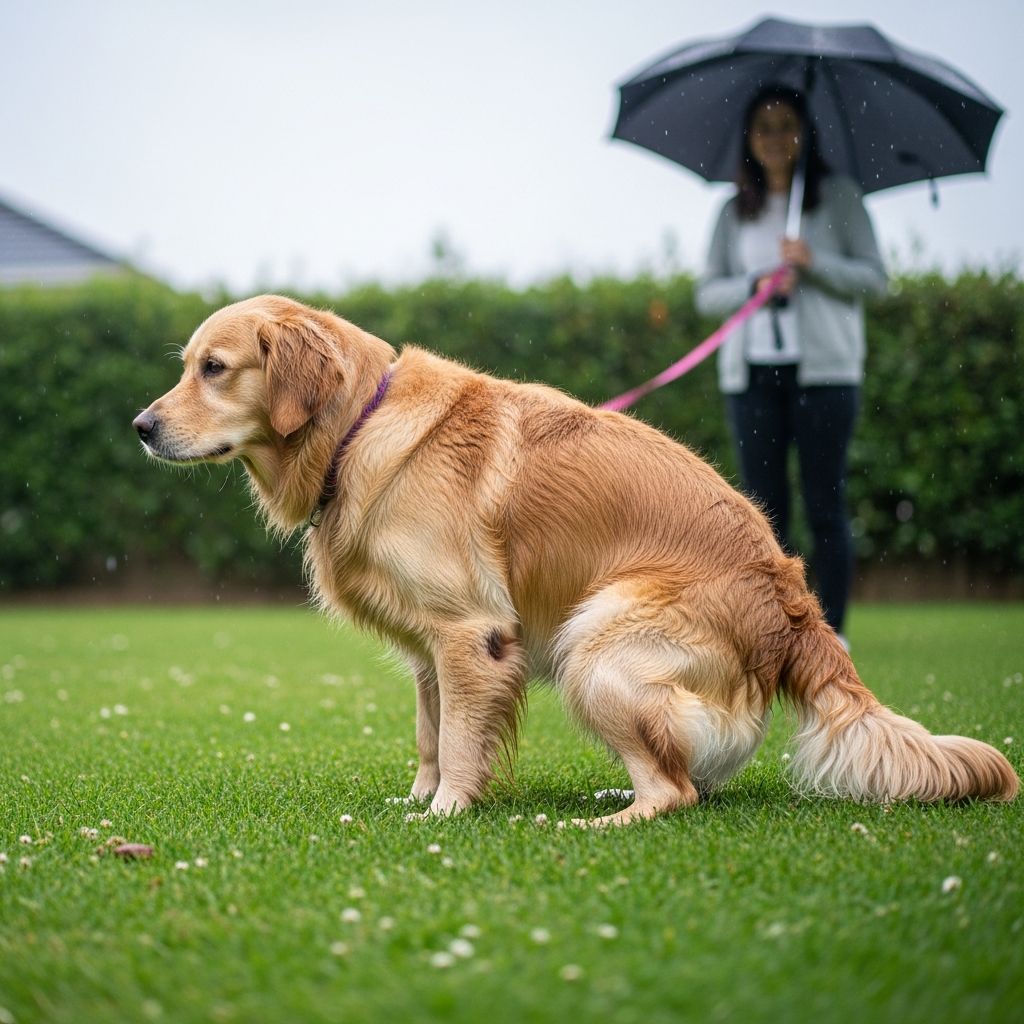
Getting your dog to consistently poop outside is one of the most important aspects of responsible pet ownership. However, weather conditions can present unique challenges that make this task more difficult. Rain, snow, extreme heat, and cold temperatures can discourage even well-trained dogs from venturing outside to do their business. Understanding how to work with your dog through various weather conditions ensures they maintain their outdoor potty habits year-round, reducing accidents inside your home and promoting better health and hygiene for your furry companion.
Understanding Your Dog’s Bathroom Needs
Before addressing weather-related challenges, it’s essential to understand your dog’s natural bathroom patterns. Dogs typically need to poop within 15 to 30 minutes after eating, immediately after waking up, and several times throughout the day depending on their age and diet. Puppies may need to go out as frequently as every 30 to 60 minutes. Recognizing these patterns allows you to anticipate bathroom needs and plan outdoor trips accordingly, even when weather is less than ideal.
Adult dogs generally need three to four bathroom breaks daily, while senior dogs may require additional trips due to decreased bladder control. By establishing a consistent schedule that aligns with these natural urges, you create predictable opportunities for successful outdoor elimination, making weather adjustments easier to manage.
Establishing a Consistent Potty Command
One of the most valuable tools in your training arsenal is teaching your dog a potty command. This verbal cue helps your dog understand exactly what you want them to do, which becomes especially useful during inclement weather when you want to minimize time spent outside. Common commands include “go potty,” “hurry up,” or “do your business.”
To establish this command, use it consistently before your dog eliminates. Say the phrase in a calm, quiet voice just as they begin to poop. After they finish, immediately provide praise and treats to reinforce the behavior. With repetition, your dog will associate the command with the action, allowing you to cue them on demand during any weather condition. This training typically takes two to four weeks of consistent practice.
Choosing the Right Outdoor Potty Spot
Selecting an appropriate outdoor location for your dog to poop is crucial for success in all weather conditions. Choose a spot that offers some natural shelter, such as near trees, shrubs, or your garage, which can provide protection from rain and wind. This location should also be easily accessible from your home to minimize time spent outside during severe weather.
Once you’ve identified a suitable spot, always take your dog to this same location for potty breaks. Dogs have a natural inclination to use the same area repeatedly, and the familiar scent from previous eliminations encourages them to poop there again. This consistency is particularly important during unfavorable weather, as your dog will be motivated to use their established potty spot even if conditions aren’t ideal.
Preparing Your Dog for Weather Challenges
Cold Weather Preparation
Cold weather can be particularly challenging for potty training. Many dogs are reluctant to linger outside when temperatures drop, which can result in incomplete bathroom breaks or accidents indoors. To address this, gradually acclimate your dog to cold weather by taking short outdoor trips initially and gradually increasing duration as your dog adapts.
Consider investing in a dog coat or sweater to help your dog stay warm and more comfortable outside. Small breeds and dogs with thin coats are especially vulnerable to cold. Additionally, trim the hair around your dog’s paws and underside to prevent ice and snow from accumulating, which causes discomfort and reduces time spent outside.
Schedule potty breaks during the warmest parts of the day when possible, typically mid-morning or early afternoon. This timing can make a significant difference in your dog’s willingness to venture outside and complete their bathroom routine.
Rainy Weather Strategies
Rain is another common deterrent for outdoor potty training. Many dogs dislike getting wet and may refuse to spend adequate time outside. To overcome this challenge, use a dog raincoat that keeps your pet dry while allowing them to move comfortably. Waterproof booties can also protect paws from wet ground.
Maintain your established potty routine during rainy periods without deviation. If you suddenly change your schedule or skip outdoor trips due to rain, your dog may begin having accidents indoors or develop anxiety about outdoor elimination. Consistency sends the message that bathroom breaks happen regardless of weather.
Hot Weather Considerations
Extreme heat presents different challenges. During hot weather, schedule potty breaks during cooler parts of the day—early morning or late evening. Avoid midday bathroom trips when ground temperatures can burn sensitive paw pads and heat exhaustion becomes a concern.
Ensure your dog has access to fresh water before and after outdoor bathroom breaks. Dehydration is a serious concern in hot weather and can affect bathroom habits. Some dogs may need additional encouragement to go outside in extreme heat, so maintaining your potty command and positive reinforcement routine becomes even more important.
Using Positive Reinforcement Effectively
Positive reinforcement is the cornerstone of successful outdoor potty training in any weather. The moment your dog finishes pooping outside, immediately provide enthusiastic praise and a high-value treat. This immediate reward is crucial because your dog makes the association between the action and the reward within seconds.
During harsh weather, consider using especially desirable treats or toys to motivate your dog. Reserve premium rewards for outdoor bathroom successes during challenging weather conditions. This creates a positive association with going outside, even when conditions are less than pleasant. Never punish your dog for accidents, as this creates fear and confusion around the elimination process.
Maintaining a Consistent Schedule
Weather consistency means nothing if your overall schedule isn’t consistent. Establish specific times for outdoor potty breaks and maintain this routine every single day, including weekends and holidays. Most dogs thrive on predictability, and a consistent schedule helps regulate their digestive system and bladder control.
A typical schedule might include potty breaks first thing in the morning, after meals, after playtime, and before bedtime. Document your dog’s bathroom patterns using a tracking chart to identify the most predictable times for elimination. This information helps you plan outdoor trips strategically, particularly during severe weather.
Supervising Indoor Time
Between outdoor potty breaks, supervise your dog closely indoors to prevent accidents and reinforce the message that outside is the only appropriate place to eliminate. Use pet gates to confine your dog to areas you can monitor, and consider crate training as an additional tool. Dogs naturally avoid soiling their sleeping area, making a properly-sized crate an effective training aid.
When you can’t actively supervise your dog, confine them to a crate or small room with easy-to-clean flooring. This prevents your dog from wandering to a remote corner and developing the habit of pooping indoors, which undermines all your weather-related training efforts.
Addressing Common Weather-Related Training Setbacks
Even with excellent training, weather can cause temporary setbacks. If your dog has an accident indoors after a period of success, remain calm and patient. Never yell or punish, as this damages your training progress and creates fear around elimination. Simply clean the accident thoroughly with enzymatic cleaner to remove scent markers that might encourage repeat accidents.
If your dog seems reluctant to poop outside during severe weather, consult your veterinarian to rule out medical issues like gastrointestinal problems or anxiety. Some dogs may benefit from anxiety-reducing supplements or medications during particularly stressful weather events, which your vet can recommend.
Building Your Dog’s Confidence
Confidence plays a significant role in outdoor potty habits, especially during challenging weather. Encourage your dog with cheerful, supportive language and body language when heading outside for potty breaks. Your own attitude significantly influences your dog’s willingness to venture outside during rain, snow, or wind.
Gradually expose your dog to different weather conditions during non-bathroom times. Take walks during light rain or mild snow before expecting your dog to poop during these conditions. This desensitization helps your dog become comfortable with weather variations over time.
Seasonal Transitions
Seasonal changes can temporarily affect your dog’s outdoor bathroom habits. During transitions from warm to cold weather or vice versa, be particularly attentive to your dog’s needs. Your dog may need time to adjust to significant temperature changes, and maintaining extra patience during these periods helps prevent regression in training.
Gradually introduce seasonal gear like sweaters or raincoats before weather becomes severe, allowing your dog to adjust to wearing these items. This proactive approach prevents weather-related surprises from disrupting your established routine.
Frequently Asked Questions
Q: How long does it typically take to housetrain a dog to poop outside consistently?
A: With consistent training and positive reinforcement, most dogs can be housetrained within 4 to 6 months. However, full reliability may take up to a year, especially if weather challenges interrupt the training process. Puppies generally take longer than adult dogs due to lower bladder control.
Q: What should I do if my dog refuses to poop outside in bad weather?
A: Maintain your routine consistently without exceptions. Use your established potty command, provide high-value treats, and offer enthusiastic praise for any outdoor elimination. If refusal persists, consult your veterinarian to rule out medical issues or anxiety.
Q: Can I use doggy potty pads as a backup during severe weather?
A: While potty pads can serve as an emergency backup for extreme weather conditions, they should not replace outdoor training. Using pads too frequently can create confusion and weaken your dog’s understanding that outside is the primary potty location. Reserve pads for rare, genuinely dangerous weather conditions.
Q: How can I tell if my dog needs to go outside during bad weather?
A: Learn to recognize your dog’s individual signals, such as sniffing, circling, whining, or moving toward the door. Don’t wait for obvious signs—take your dog out at established schedule times regardless of weather. This prevents accidents and maintains training consistency.
Q: Is it normal for dogs to have occasional accidents after being housetrained?
A: Yes, occasionally. Accidents can occur due to weather stress, schedule changes, medical issues, or anxiety. Respond calmly, maintain your routine, and consult your veterinarian if accidents become frequent. Never punish accidents, as this disrupts training progress.
Conclusion
Successfully training your dog to poop outside regardless of weather requires patience, consistency, and positive reinforcement. By establishing a reliable potty command, maintaining a consistent schedule, choosing an appropriate outdoor location, and preparing your dog for various weather conditions, you create a system that works year-round. Weather challenges are temporary obstacles that become manageable when approached with planning and determination. Remember that your dog’s success depends on your commitment to maintaining routine and responding supportively to their needs, even when conditions aren’t ideal. With persistence and the strategies outlined here, your dog will reliably poop outside no matter what Mother Nature brings.
References
- How to Potty Train a Puppy — Chewy Education. 2024. https://www.chewy.com/education/dog/new-dog/basic-puppy-training
- 3 Steps Potty Pad Training Dog — Chewy Education. 2024. https://www.chewy.com/education/dog/training-and-behavior/3-steps-potty-pad-training-dog
- Tips for House-Training a Puppy in the Winter — Chewy Education. 2024. https://www.chewy.com/education/dog/new-dog/house-training-puppy-winter
- Puppy Potty Training Chart — Chewy. 2023. https://media-be.chewy.com/wp-content/uploads/2023/03/21184305/Chewy-Puppy-Potty-Training-Chart.pdf
- Train Your Dog to Use the Pet Door — Chewy Education. 2024. https://www.chewy.com/education/dog/grooming/make-doggy-door-training-easy
Similar Articles




Read full bio of medha deb