

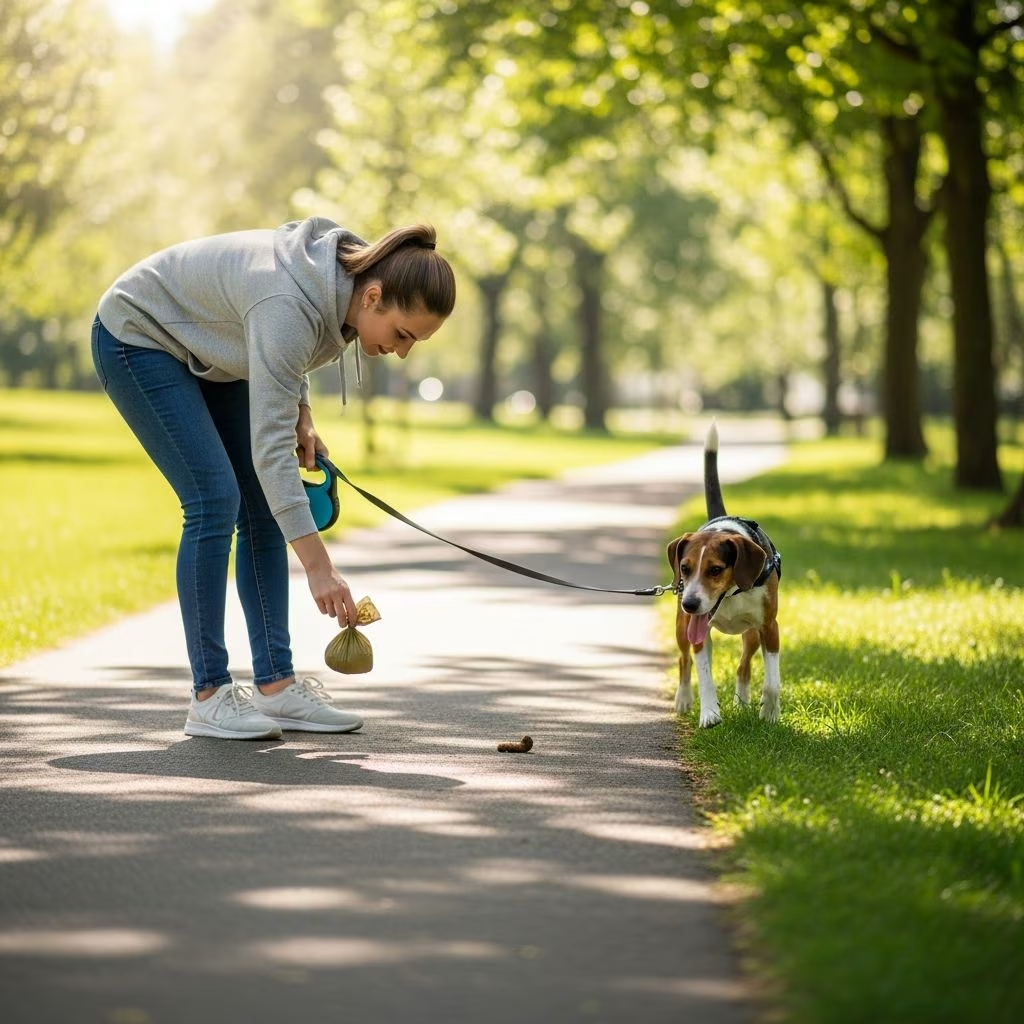
Dog Poop Disposal: Tips for Properly Cleaning Up After Your Dog
Let’s face it—dog poop disposal isn’t one of the more pleasant aspects of being a pet parent, but it is an important and necessary responsibility. Beyond the obvious inconvenience of watching where you step, neglecting this essential duty can have serious consequences. Improperly disposed dog waste can ruin lawns, pollute nearby bodies of water, and even spread harmful diseases within your community. According to experts in pet behavior and care, if all dog owners pick up just one extra piece of dog waste per walk, it can make an enormous difference in keeping neighborhoods and local parks clean and safe for everyone.
Why Dog Poop Disposal Matters
Proper dog waste disposal isn’t just about maintaining a pleasant living environment. When pet waste is left on the ground, it increases public health risks by allowing harmful bacteria and nutrients to wash into storm drains and eventually into local waterbodies. This creates environmental contamination that affects both human and animal populations. Understanding the importance of responsible waste management can motivate you to establish consistent disposal habits and help educate other pet owners in your community about this critical responsibility.
Dog Poop Pick-Up Tips
Don’t Turn Your Walk Into a Crapshoot
One of the most fundamental rules of responsible dog ownership is to always be prepared. When you head out with your dog, whether for just a few minutes to stretch your legs or for a nice long walk, ensure you always have dog poop bags with you. This simple preparation prevents last-minute scrambling and demonstrates respect for others who use the same spaces.
The size of your poop bags matters significantly, especially if you have a large breed dog. Dogs of substantial size can produce waste that requires multiple bags to contain properly. When selecting bags, choose ones that are large enough to handle the full load without tearing. Additionally, be thorough in your pickup efforts—collect not just the main waste pile but also the small pieces that might have scattered or fallen outside the primary area. Leaving behind fragments defeats the purpose of cleanup and can still contribute to environmental and health concerns.
Wipe Up Afterwards
Even with careful handling, accidents can happen. Bag tears or unexpected contact with waste requires having backup cleaning supplies on hand. A generous supply of wet wipes is invaluable for these situations. Wet wipes serve multiple purposes during your cleanup routine. They’re excellent for washing your hands after handling waste, which is crucial for preventing the spread of bacteria and maintaining hygiene. If your dog has longer hair around their tail or back legs, wet wipes can also clean any waste that might have gotten tangled in their fur during elimination.
Hand hygiene is particularly important after handling dog waste, as it can contain parasites and harmful bacteria. Thoroughly washing your hands with soap and warm water after cleanup—or using quality wet wipes when water isn’t available—protects your health and prevents contamination.
Go Hands-Free
For less frequent cleanups in your yard, investing in proper tools can make the job significantly more comfortable and hygienic. Dog poop scoopers, rakes, and bins enable you to sweep up waste without having to bend down excessively or come within arm’s reach of the mess. These tools extend your reach and reduce physical strain, making yard maintenance a less unpleasant task.
Modern waste management tools often feature large capacity bins that allow you to scoop more waste between unloading trips. Many quality options work effectively on both grass and hard surfaces, and extended handles (often over 3 feet in length) minimize the need for bending. By incorporating these tools into your routine, you can maintain a cleaner yard with less physical effort and discomfort.
Dog Waste Disposal Methods
Flushing Down the Toilet
According to the U.S. Environmental Protection Agency and the National Resources Defense Council, flushing dog poop down the toilet—without a bag, only the waste itself—is perhaps the best disposal method available. This method ensures that waste enters the proper treatment systems designed to handle human and animal waste safely. The environmental benefits of this approach are significant, as it prevents waste from sitting in landfills or contaminating groundwater.
However, there’s an important caveat: never flush bagged poop, as bags can clog home plumbing and stress municipal sewer systems. Remove the waste from the bag before disposal, and dispose of the empty bag in the garbage. This method works best when you have convenient access to a toilet, such as when you’re at home or at a facility with indoor plumbing.
Garbage Disposal Using Biodegradable Bags
If flushing isn’t an option, the next best disposal method involves using biodegradable bags and placing waste in the garbage. Biodegradable bags break down more readily in landfill environments compared to standard plastic bags, reducing your environmental impact. When using this method, ensure you’re using quality bags that won’t tear during handling and that you’re disposing of them in a way that prevents odors from affecting your home or neighborhood.
In-Ground Dog Waste Disposal Systems
For dog owners with substantial yards and looking for a longer-term solution, in-ground dog waste disposal systems offer an eco-friendly alternative. These systems work by using enzymes and bacteria to break down waste into ground-absorbed liquid. The installation process involves digging a hole approximately 4 feet deep and placing the system into the ground. Once installed, you simply add waste and water to the system along with enzyme tablets that facilitate decomposition.
Success with in-ground systems depends on several factors, including your soil drainage capabilities and consistent maintenance. You’ll need to perform regular maintenance with waste terminator tablets and ensure adequate water is added to facilitate the decomposition process. These systems work best in well-draining soil and should be positioned away from your home’s foundation, septic system, and wells.
Drain-Based Waste Systems
An innovative option for homes with accessible sewer cleanouts is a drain-based pet waste removal system. These systems attach directly to your sewer or septic cleanout line. Installation is straightforward—simply screw the drain in and remove the plug to dispose of waste. You then use a hose to rinse the waste down the system. This method eliminates the need for bags in your trash can and prevents waste from sitting in landfills. However, these systems require careful use—dumping too much waste at once can cause clogs, so it’s best to dispose of waste gradually and flush thoroughly with water after each use.
Tools and Products for Waste Management
Portable Waste Bags
Biodegradable poop bag dispensers that attach to leashes offer convenience and portability. These compact, refillable dispensers hold rolls of poop bags and keep waste bags readily accessible during walks. The variety of styles and designs available means you can choose options that match your aesthetic preferences while maintaining functionality.
Yard Waste Stations
Commercial-quality waste stations crafted from durable, outdoor-friendly materials can be installed in your yard to store and dispense waste bags. These stations keep your yard organized and prevent the odor issues associated with loose bags stored in garages or sheds.
Specialized Disposal Bins
Large capacity waste management bins designed specifically for pet owners allow you to store waste until disposal day. Many models feature foot-operated lids and are designed to minimize odors while protecting wildlife from accessing the waste.
Comparison of Dog Waste Disposal Methods
| Disposal Method | Cost | Environmental Impact | Convenience | Best For |
|---|---|---|---|---|
| Flushing Down Toilet | Free | Excellent | High (home only) | Home-based disposal |
| Biodegradable Bags in Garbage | Low | Good | High | Regular walks and yard cleanup |
| In-Ground System | High | Excellent | Medium (maintenance required) | Large yards with good drainage |
| Drain-Based System | Medium | Excellent | High | Homes with accessible sewer cleanouts |
| Standard Trash Disposal | Low | Poor | High | Emergency situations only |
Best Practices for Dog Waste Disposal
Establishing a consistent routine for dog waste disposal is essential for maintaining a clean environment and protecting public health. Here are key practices to implement:
- Always carry waste bags during walks, regardless of trip length
- Choose appropriately sized bags for your dog’s waste volume
- Collect all waste pieces, not just the main pile
- Keep wet wipes or hand sanitizer accessible for post-cleanup hygiene
- Invest in quality tools to reduce physical strain and improve efficiency
- Use biodegradable bags when disposing in garbage
- Flush waste down toilets when possible for optimal environmental outcomes
- Maintain any installed disposal systems according to manufacturer guidelines
- Educate other pet owners about responsible waste management
- Never leave waste on public or private property
Frequently Asked Questions About Dog Poop Disposal
Q: What’s the environmental impact of leaving dog waste on the ground?
A: Leaving dog waste on the ground allows harmful bacteria and nutrients to wash into storm drains and eventually into local waterbodies, causing environmental contamination. This can harm aquatic ecosystems and increase public health risks.
Q: Can I flush bagged dog poop down the toilet?
A: No. Bagged poop can clog home plumbing and stress municipal sewer systems. Only flush waste without the bag down the toilet.
Q: Are biodegradable bags really better than regular plastic bags?
A: Yes. Biodegradable bags break down more readily in landfill environments, reducing your environmental footprint compared to standard plastic bags that can persist for decades.
Q: How deep should an in-ground dog waste system be installed?
A: In-ground systems typically require a hole approximately 4 feet deep, though they may function adequately at shallower depths if your soil has excellent drainage. The system should be positioned away from your home’s foundation, septic system, and wells.
Q: What’s the advantage of drain-based waste systems?
A: Drain-based systems connect directly to your sewer line, eliminating the need for waste bags in your trash can. They’re more sanitary and prevent waste from going to landfills. However, they require careful use and proper rinsing to prevent clogs.
Q: How often should I clean my yard waste station or bin?
A: Clean your waste management station or bin regularly—ideally weekly or after every few days of cleanup, depending on your dogs’ output. Regular cleaning prevents odors and discourages pests.
Q: Is it safe to compost dog waste?
A: Traditional composting is not recommended for dog waste due to potential disease transmission from parasites and harmful bacteria. Use designated pet waste disposal systems instead.
Conclusion
Responsible dog waste disposal is a fundamental aspect of pet ownership that protects public health, preserves the environment, and maintains pleasant community spaces. By implementing these practical tips and choosing appropriate disposal methods for your situation, you contribute to a cleaner neighborhood while demonstrating respect for others who share your community. Whether you opt for convenient portable bags during walks, invest in permanent yard systems, or utilize your home plumbing, the key is consistency and commitment to this important responsibility. Remember that your efforts to properly dispose of your dog’s waste set a positive example for other pet owners and help create safer, cleaner environments for everyone.
References
- The Scoop on Poop: Facts on How to Dispose of Dog Poop — PetMD. 2024. https://www.petmd.com/dog/care/scoop-poop-facts-and-fiction-about-disposing-it
- Dog Poop Disposal: Tips for Properly Cleaning Up After Your Dog — Chewy Education. 2024. https://www.chewy.com/education/dog/general/dog-poop-disposal-tips-for-properly-cleaning-up-after-your-dog
- Dog Waste Disposal Systems — Chewy. 2024. https://www.chewy.com/b/dog-waste-disposal-system-157222
- Environmental Protection and Sustainable Development Resources — U.S. Environmental Protection Agency. 2024. https://www.epa.gov
- Pet Waste and Water Quality — Natural Resources Defense Council. 2024. https://www.nrdc.org



