

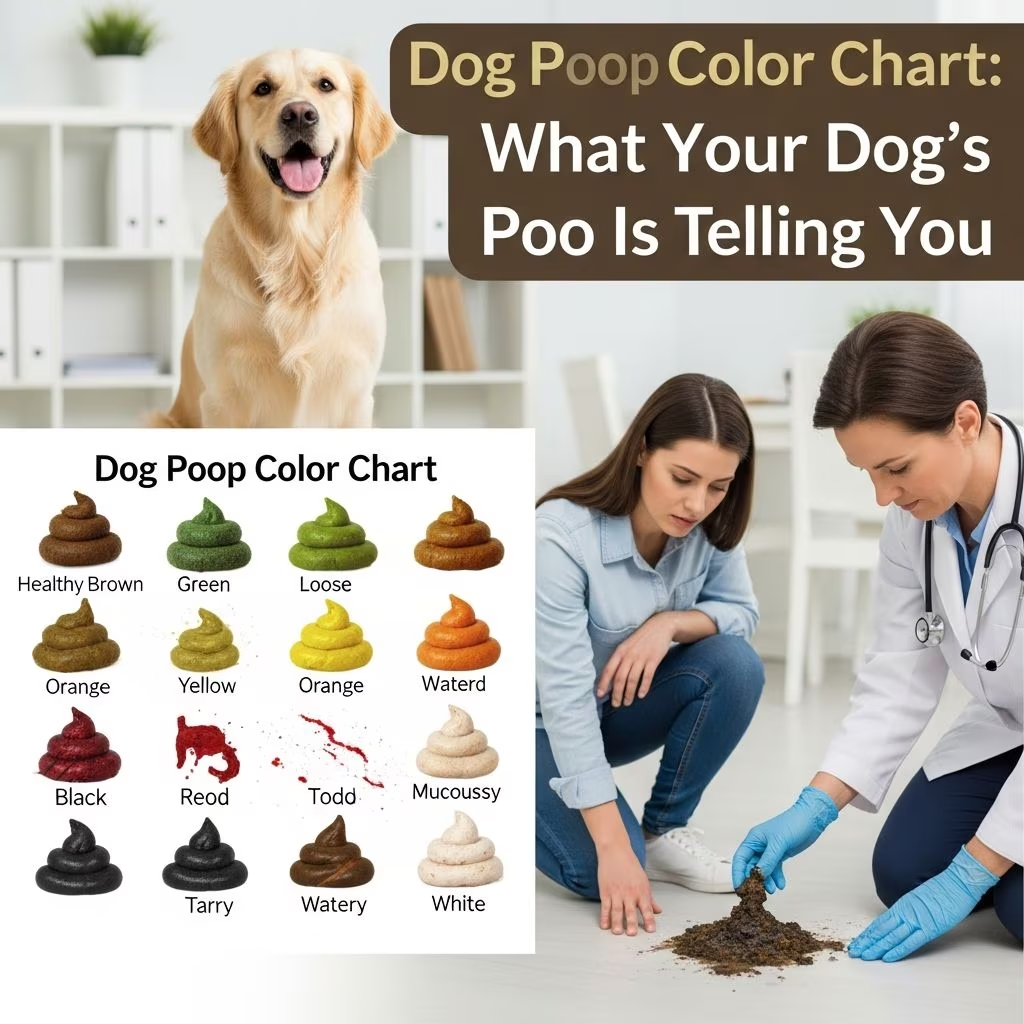
Dog Poop Color Chart: What’s Your Dog’s Poo Telling You?
Your dog’s poop can tell you a lot about their overall health and digestive wellness. While it might not be the most pleasant topic to discuss, understanding what different poop colors mean is an essential part of responsible pet ownership. A dog’s poop color and consistency can reveal important clues about their digestive health, nutritional absorption, and whether there are any underlying medical concerns that need attention. By learning to recognize the differences between normal and abnormal stool, you can catch potential health issues early and provide your veterinarian with valuable information for diagnosis and treatment.
Understanding Normal Dog Poop
Normal, healthy dog poop is brown in color. This chocolate-brown shade indicates that your dog’s digestive system is functioning properly—breaking down food, absorbing nutrients, and passing waste without issue. A firm, well-formed brown stool is exactly what you want to see in your dog’s bathroom habits. The brown color comes from the presence of bile, which is produced by the liver and helps with digestion. If your dog’s poop is consistently brown and firm, there’s generally no cause for concern, and it means their digestive tract is working as it should.
Dog Poop Color Meanings
Brown
Brown poop indicates healthy, normal digestion. This is the ideal color you want to see, as it demonstrates that your dog’s digestive system is functioning optimally and breaking down food properly. No action is needed when you observe brown stool—it simply means everything is working as it should.
Black or Tarry-Looking
Black or tarry-looking poop is a serious warning sign that should never be ignored. This coloration typically indicates intestinal bleeding, usually from the upper digestive tract, including the stomach or small intestine. The dark, tar-like appearance occurs because blood from higher up in the digestive tract becomes oxidized as it passes through the system. Black poop can also result from parasites, other microbes, or in some cases, cancer. If you notice your dog’s poop has turned black or tar-like, this is considered a medical emergency, and you should contact your veterinarian immediately.
Red
Red poop indicates bleeding in the lower digestive tract, such as the colon or rectum. Unlike black poop, which suggests upper GI bleeding, red streaks or red-colored stool points to bleeding closer to the exit point. Red poop can result from several conditions including inflammatory bowel disease, acute trauma to the rectal area, straining associated with constipation, colitis, or intestinal parasites. However, it’s important to note that red poop can also simply mean your dog ate something that temporarily colored their stool, such as beets or certain treats. If the red color persists beyond one bowel movement or you notice blood streaks repeatedly, contact your veterinarian for evaluation.
Green
Green dog poop can indicate several different issues, and the underlying cause depends on the shade and your dog’s recent activities. If your dog has eaten excessive grass, this is often the culprit—grass can give stool a greenish tint. However, green poop may also signal a gallbladder issue or an upset stomach from consuming too many green-colored treats. In more serious cases, green poop could indicate underlying health conditions such as inflammatory bowel disease, parasites, or gastroenteritis. If your dog’s poop is bright green rather than dark green, this could indicate rodenticide exposure, which is a medical emergency requiring immediate veterinary attention. Monitor your dog for 24 to 48 hours if you notice green poop, and if the color persists, contact your veterinarian.
Orange or Yellow
Orange or yellow dog poop usually signals that something is awry in your dog’s digestive tract. Yellow poop in dogs often indicates a food intolerance, which is why it’s frequently observed after changing your dog’s diet. However, yellow stool can also indicate health issues such as digestive problems or liver disease. The bright yellow or mustard color can result from rapid digestive transit time, where food moves through the system too quickly for proper nutrient absorption. Orange dog poop, on the other hand, can be a sign of pancreatic issues, gallbladder or liver dysfunction, or bacterial and viral infections. If your dog’s poop remains yellow or orange for more than two to three days, schedule a veterinary appointment to rule out underlying health concerns.
Gray
Gray, greasy, or pale-colored poop typically indicates poor fat absorption or malabsorption syndrome. This coloration can result from too much fat in your dog’s diet or more serious underlying issues such as pancreatic or bile problems. Gray poop may also suggest that your dog is not properly absorbing nutrients, particularly fat-soluble vitamins. Conditions like exocrine pancreatic insufficiency (EPI), where the pancreas doesn’t produce enough digestive enzymes, can cause gray stool. If you notice your dog’s poop is consistently gray or greasy, a veterinary evaluation is recommended to determine the underlying cause and appropriate treatment.
White Specks
White specks in your dog’s poop can indicate several different issues. They may suggest malabsorption, excessive calcium intake (often from raw bone diets), or parasitic infections. If the white specks appear to be moving, they could be worms, which indicates a parasitic infection requiring treatment. White or chalky poop may also indicate a bile deficiency or pancreatic issue. If you notice white specks or chalky stool, it’s worth calling your veterinarian, as this may point to a digestive disorder or parasitic infection that needs medical attention.
Purple
Purple or pink-tinged poop is relatively rare but can indicate hemorrhagic gastroenteritis (HE) or viral diarrheas. These conditions involve inflammation and bleeding in the gastrointestinal tract and should be evaluated by a veterinarian promptly.
Dog Poop Consistency: What’s Healthy?
Beyond color, the consistency and texture of your dog’s poop also provide valuable insights into their digestive health. Understanding the different consistency types helps you recognize when something might be wrong.
Very hard, dry pellets: This texture may indicate dehydration or insufficient fiber in your dog’s diet. Dogs producing hard pellets should drink more water and may benefit from dietary adjustments.
Firm and well-formed: This is the ideal consistency and indicates healthy digestion. Firm stool that holds its shape suggests your dog’s digestive system is functioning optimally.
Soft but holds shape: This consistency is generally acceptable, though it could indicate a slight dietary imbalance. Monitor your dog to see if the consistency returns to firm or if other symptoms develop.
Loose, unformed: Loose stool may suggest food intolerance, stress, or digestive upset. If this persists for more than a day or two, consult your veterinarian.
Watery diarrhea: This can signal infection, parasites, serious inflammation, or other significant health issues. Watery diarrhea, especially if accompanied by vomiting or lethargy, warrants immediate veterinary attention.
Other texture clues: A mucus coating often indicates inflammation in the colon. A greasy sheen may indicate poor fat digestion or pancreas issues. Undigested food particles could mean rapid transit through the gastrointestinal tract or malabsorption problems.
Common Causes of Abnormal Dog Poop
Several factors can cause your dog’s poop to change color or consistency:
– An allergic reaction to food or environmental factors- A sudden change in your dog’s diet- Eating extra-fatty food or table scraps- Stomach or intestinal ulcers- Blockage or foreign body in the digestive tract- Tumors- Intestinal parasites or bacteria- Blood-clotting disorders- Acute trauma- Eating something toxic or poisonous
When to Call Your Veterinarian
While some color and consistency changes are minor and temporary, certain signs warrant immediate veterinary attention. Contact your veterinarian if you notice:
– Bright red streaks or blood in stool- Black, tarry, or coffee-ground appearance- White, chalky, or gray poop- Orange or yellow stool that lasts more than two to three days- Sudden, severe diarrhea, especially with vomiting or lethargy- Persistent mucus in stool- Rapid weight loss, appetite changes, or bloating alongside stool changes
When you visit your veterinarian about stool concerns, consider saving a fresh stool sample to bring along. This allows your vet to perform diagnostic tests if necessary and can provide valuable information for diagnosis.
Frequently Asked Questions About Dog Poop
Q: What does it mean if my dog’s poop is light brown or tan?
A: Light brown or tan poop may indicate fat malabsorption or enzyme deficiency. While it may not be as concerning as some other colors, a veterinary check is recommended to rule out underlying digestive issues.
Q: Is it normal for my dog’s poop color to change occasionally?
A: Minor color changes can occur based on diet and what your dog has eaten. However, persistent color changes or changes accompanied by other symptoms warrant veterinary evaluation.
Q: What should I do if my dog has black, tarry poop?
A: Black, tarry poop is a medical emergency indicating upper GI bleeding. Contact your veterinarian immediately for evaluation and treatment.
Q: Can diet changes cause different colored poop?
A: Yes, diet changes, particularly sudden transitions, can cause temporary color and consistency changes. When changing your dog’s food, do so gradually over 7-10 days to minimize digestive upset.
Q: How long should I monitor abnormal poop before calling the vet?
A: Most minor color changes resolve within 24-48 hours. However, if abnormal poop persists beyond this period, is accompanied by other symptoms, or appears concerning (like black or red), contact your veterinarian promptly.
Q: What does it mean if my dog has mucus in their stool?
A: Mucus coating in stool often indicates inflammation in the colon. This can result from dietary issues, stress, or underlying gastrointestinal conditions and should be evaluated by your veterinarian.
Q: Can anxiety or stress affect my dog’s poop color?
A: Yes, stress can affect digestive function and may cause loose or discolored stool. Identifying and reducing stress sources can help normalize your dog’s bowel movements.
Q: Is white poop always caused by a raw diet with bones?
A: While raw diets with bones are a common cause of white poop due to high calcium content, white or chalky poop can also indicate bile deficiency or pancreatic issues. If white poop persists, consult your veterinarian.
References
- Dog Poop Color Chart: What’s Your Dog’s Poo Telling You? — Chewy. 2025. https://www.chewy.com/education/dog/health-and-wellness/dog-poop-color-chart
- Dog Poop Color Chart: What’s Your Dog’s Poo Telling You? — Spot and Tango. 2025. https://www.spotandtango.com/blog/dog-poop-color-chart
- Dog Poop Chart: What Color Should Healthy or Unhealthy Poop Be? — Rover. 2025. https://www.rover.com/blog/dog-poop-chart/
- Guide to Types of Dog Poop: Decoding Color & Consistency — Purina. 2025. https://www.purina.com/articles/dog/health/digestion/dog-poop-types-color-guide
- Dog Poop Color Chart: What Your Dog’s Poop Is Telling You — MyOllie. 2025. https://blog.myollie.com/dog-poop-color-chart/



