

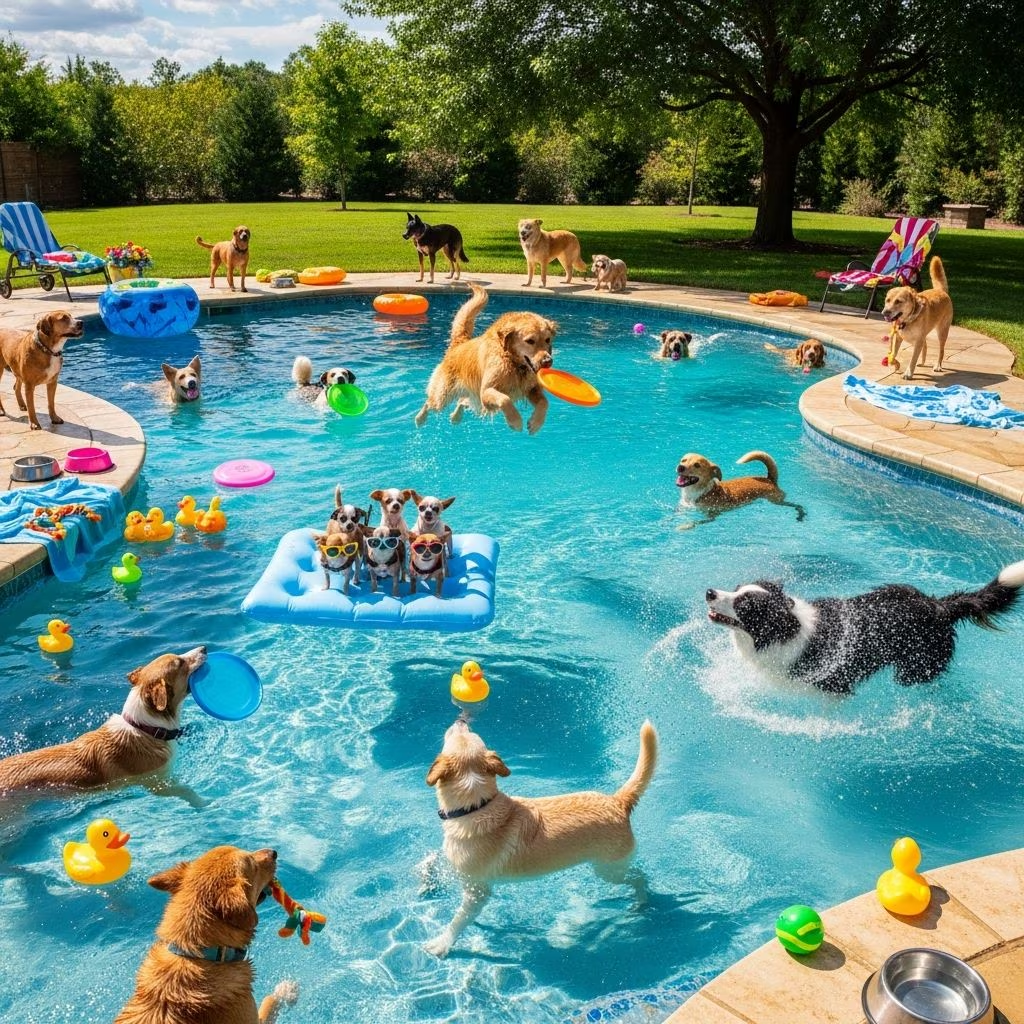
How to Throw a Safe and Fun Dog Pool Party
Summer is the perfect time to cool off with your furry friend, and what better way to beat the heat than by hosting a dog pool party? Whether your pup is a seasoned swimmer or a water-shy newcomer, throwing a pool party for your dog can be an exciting and bonding experience. However, ensuring your dog’s safety should always be your top priority. This comprehensive guide will walk you through everything you need to know to host an unforgettable and secure pool party for your canine companion.
Getting Started: Understanding Your Dog’s Comfort Level
Before diving into pool party planning, it’s crucial to understand your dog’s relationship with water. Not all dogs are natural swimmers, and some may feel anxious around water. The key is to assess whether your dog enjoys water activities or if they need gradual introduction to aquatic environments. Some dogs jump enthusiastically into pools, while others prefer shallow water areas or may need encouragement to engage with water at all.
Start by observing how your dog reacts to water in low-pressure situations, such as a garden hose or kiddie pool. This will give you valuable insight into their comfort level and help you plan appropriate activities for your pool party. Remember, every dog is unique, and what works for one may not work for another.
Pool Party Essentials for Beginners: Baby Pools
Not every dog needs a full-sized swimming pool to have a great time. According to certified professional dog trainers, baby pools or kiddie pools are excellent options for dogs who don’t enjoy deep water or are new to swimming. These shallow pools provide a safe, controlled environment where your dog can splash, cool off, and have fun without the risks associated with deeper water.
Baby pools are particularly ideal for:
- Small dogs who may struggle in large pools
- Elderly or senior dogs wanting a gentle water experience
- Dogs with mobility issues seeking water therapy benefits
- Puppies learning about water for the first time
When selecting a baby pool, ensure it’s made from durable materials that can withstand dog claws and enthusiastic play. Look for pools with reinforced sidewalls and puncture-resistant construction. Position the pool in a shaded area to prevent overheating and refresh the water regularly to maintain cleanliness.
For Advanced Swimmers: Essential Gear and Equipment
If your dog is an experienced swimmer and loves jumping into full-sized pools, you’ll want to invest in proper safety equipment. Even confident swimmers benefit from the right gear to ensure their safety and comfort during extended water activities.
Dog Life Jackets and Flotation Devices
Life jackets are critical safety equipment for dogs spending extended periods in or around water. A quality life jacket provides buoyancy support and can be lifesaving, particularly for dogs with shorter legs, larger heads, or flat faces like Bulldogs and French Bulldogs. Look for life jackets with front flotation pads that help keep your dog’s head above water.
When choosing a life jacket, ensure it fits snugly but comfortably, allowing your dog to move freely. The jacket should have handles on top for easy retrieval if needed and bright colors for visibility. Even strong swimmers should wear life jackets during longer pool sessions, as fatigue can set in unexpectedly.
Water-Specific Toys
Traditional toys designed for land play can become choking hazards when used in water. Invest in dog-specific water toys designed to float, retrieve easily, and encourage safe water play. Water toys encourage different types of swimming exercises and gentle activity while keeping your dog engaged and entertained.
Important: Always remove water toys from the pool after playtime, as they can attract harmful bacteria if left sitting in the water for extended periods.
Pool Ramps, Steps, and Access Points
Provide clear, easily accessible exit points for your dog to safely exit the pool. Pool ramps, steps, or ladders designed for dogs help prevent exhaustion and allow your pup to take breaks between swimming sessions. Multiple access points are ideal, making it easier for your dog to find their way out if they become tired or nervous.
Critical Safety Considerations
Supervision and Monitoring
The most important rule of any dog pool party is constant supervision. Never leave your dog unattended near a pool, regardless of their swimming ability. Even experienced swimmers can encounter unexpected difficulties. Assign an adult to watch your dog at all times, especially if other dogs or children are present at the party.
Preventing Pool Water Ingestion
While all dogs inevitably ingest small amounts of pool water, excessive drinking can be problematic. Monitor your dog’s water intake and discourage them from drinking pool water throughout the party. Consider providing fresh drinking water in separate bowls away from the pool area to satisfy their thirst with safe water.
Chlorine and Chemical Safety
Chlorine is generally considered safe for dogs when maintained at recommended levels for your pool size. However, excessive chlorine can irritate your dog’s sensitive eyes, ears, and skin. If you use a chlorine pool, regularly check chemical levels and ensure they stay within safe ranges. After swimming, rinse your dog thoroughly for at least 20 seconds to remove all chlorine and chemical residue from their coat.
Heat Stroke Prevention
Understanding the signs of heatstroke is essential for any dog owner hosting a pool party. Check the weather forecast before planning your event and monitor conditions throughout the day. Common signs of heatstroke include:
- Heavy panting and rapid breathing
- Lethargy or lack of coordination
- Vomiting or diarrhea
- Deep red or purple colored tongue or gums
- Excessive drooling
- Seizures or unconsciousness
If you notice water droplets evaporating immediately upon hitting the ground, the environment is likely too hot for your dog. Consider postponing your party or hosting it during cooler morning or evening hours.
Pre-Pool Preparation and Hygiene
Brushing Before Swimming
Prepare your dog for pool time by brushing their coat thoroughly before entering the water. This removes loose fur and dirt that would otherwise contaminate the pool. A pre-swim brushing session also provides quality bonding time with your pup.
Vaccination and Health Requirements
Ensure all dogs attending your pool party are current on vaccinations. Dog-friendly pools are shared spaces with potential exposure to germs and parasites. Request proof of vaccinations from guests bringing their dogs, and verify your own dog’s immunization status with your veterinarian before the event.
Dietary Timing
Feed your dog either after they swim or at least four hours before swimming begins. This timing prevents bloat, a serious and potentially life-threatening condition, and reduces the likelihood of accidents in the pool. Plan your party schedule accordingly to accommodate proper meal timing.
Creating the Perfect Poolside Environment
Comfortable Resting Spaces
Every dog pool party needs a comfortable spot for tired swimmers to relax and dry off. Elevated dog beds or chaise lounges designed for pets provide the perfect retreat from the sun and pool water. These specialized loungers keep your dog elevated off wet ground, promoting faster drying and preventing skin irritation. Many come in stylish designs that complement your outdoor décor while providing functional comfort for your furry friend.
Shade and Sun Protection
Provide shaded areas where your dog can cool off away from direct sunlight. Portable pop-up tents or umbrellas work well for this purpose. Consider applying dog-safe sunscreen to areas with thin fur, such as your dog’s nose and ears, to prevent sunburn.
Fresh Water and Hydration
Maintain multiple water bowls filled with fresh, clean drinking water throughout your pool party area. Keep them in shaded locations away from the pool to encourage your dog to drink safe water rather than pool water.
Pool Maintenance and Cleanliness
Maintaining clean pool water is essential for your dog’s health and safety. Clean the pool after each dog finishes swimming to remove loose fur, dirt, and debris. If multiple dogs are using the pool throughout the party, consider completely changing the water between different dogs’ swimming sessions to minimize bacterial growth and maintain optimal water quality.
For dogs using rehabilitation or therapeutic pools with multiple users, establishing clear hygiene protocols is crucial. Ensure all dogs are clean before entering the pool and that all accidents (including urine, feces, or vomit) are promptly reported and cleaned up to maintain sanitary conditions.
Training Your Dog to Swim
If your dog isn’t yet comfortable in water, a pool party is an opportunity to introduce them gradually to swimming. Start in shallow water and use positive reinforcement and praise to build confidence. Hold your dog under their waist to help them float and encourage them to paddle their rear paws. Stay by their side as they practice, creating a supportive learning environment.
Remember that introducing your dog to water is a bonding opportunity that builds trust and security. Move at your dog’s pace and never force them into situations that make them uncomfortable. Some dogs take longer to warm up to water than others, and that’s perfectly acceptable.
Safety Equipment for Different Dog Types
Different dog breeds and types have specific considerations for water safety:
- Brachycephalic Breeds: Dogs with flat faces, such as Bulldogs and Pugs, should always wear quality life jackets with head support due to their natural buoyancy challenges.
- Large Breeds: Bigger dogs tire more quickly in water and benefit from life jackets and frequent breaks.
- Senior Dogs: Older dogs have reduced stamina and should wear flotation devices for extended water time.
- Small Breeds: Tiny dogs do well in baby pools or shallow water areas where they can maintain control and touch the bottom easily.
Pool Party Refreshments for Dogs
While hosting a pool party for your dog, it’s important to avoid serving alcohol or any unsafe human foods. If you’re having friends and their dogs over, maintain focus on your dogs’ safety and avoid distractions. Consider preparing dog-safe treats and frozen snacks to cool your pup down. Frozen broth cubes, dog-safe popsicles, or frozen toys can provide entertainment and cooling relief during hot pool parties.
Post-Pool Care and Cleanup
After your dog exits the pool, rinse their entire body with fresh water for at least 20 seconds to remove all chlorine and chemical residue. Pay special attention to areas where water tends to pool, such as ear flaps, under the tail, and between paw pads. Dry your dog thoroughly with towels, as damp fur can lead to skin irritation or fungal growth.
Consider having your dog take a full bath after the party to ensure complete removal of pool chemicals and debris. After-swim care is just as important as during-swim safety for maintaining your dog’s health and comfort.
Frequently Asked Questions About Dog Pool Parties
Q: At what age can puppies start swimming in pools?
A: Puppies can be introduced to water around 3-4 months old, starting with shallow water like baby pools or shallow kiddie pools. Always supervise closely and never force a young puppy into deep water. Build their confidence gradually with positive reinforcement.
Q: Is chlorine safe for dogs?
A: Chlorine is safe for dogs when maintained at recommended levels for your pool size. However, excessive chlorine can irritate sensitive eyes, ears, and skin. Always rinse your dog thoroughly after swimming to remove chemical residue.
Q: How long can dogs safely stay in a pool?
A: Most healthy adult dogs can safely swim for 15-30 minutes at a time. Take regular breaks, monitor for signs of fatigue, and provide fresh water. Puppies, seniors, and dogs not in peak condition need shorter swimming sessions.
Q: What should I do if my dog swallows too much pool water?
A: While small amounts of pool water are normal, excessive ingestion can cause stomach upset. Contact your veterinarian if your dog shows signs of illness, such as vomiting, diarrhea, or lethargy after a pool party.
Q: Can dogs with ear infections or medical conditions swim?
A: Dogs with active ear infections, open wounds, or certain medical conditions should not swim in pools. Consult your veterinarian before allowing a dog with health concerns to participate in water activities.
Q: How do I introduce a fearful dog to pool water?
A: Start with shallow baby pools or kiddie pools where your dog can control their experience. Use positive reinforcement, treats, and patience. Never force a scared dog into water, as this can increase their fear and anxiety.
References
- How To Throw a (Safe) Summer Pool Party for Dogs — Rover.com. Accessed 2025-11-28. https://www.rover.com/blog/dog-pool-party-tips/
- 7 Pool Safety Tips for Dogs — PetMD. Accessed 2025-11-28. https://www.petmd.com/dog/general-health/pool-safety-tips-for-dogs
- Swim & Play Rules — Canine Rehabilitation and Conditioning Group. Accessed 2025-11-28. http://dog-swim.com/wp-content/uploads/2020/11/CRCG_SwimPlayRules.pdf
- Crucial Lessons For Keeping Your Dog Safe Around Water — The Drake Center. Accessed 2025-11-28. https://www.thedrakecenter.com/services/dogs/blog/crucial-lessons-keeping-your-dog-safe-around-water
- 4 Ways to Keep Your Puppy Safe at Your Next Pool Party — Latham Pool. Accessed 2025-11-28. https://www.lathampool.com/blog/enjoy/4-ways-to-keep-your-puppy-safe-at-your-next-pool-party/
- How to Host a Bark-tastic Pool Party — Taste of the Wild Pet Food. Accessed 2025-11-28. https://www.tasteofthewildpetfood.com/articles/living-spaces/how-to-host-a-bark-tastic-pool-party/
- Making a Splash: Dog-to-Dog Pool Party Etiquette — Toronto Humane Society. Accessed 2025-11-28. https://www.torontohumanesociety.com/making-a-splash-dog-to-dog-pool-party-etiquette/
- Pet-Friendly Pool Party Tips for Your Pets — PoolParty.com. Accessed 2025-11-28. https://www.poolparty.com/pet-friendly-pool-party-tips-for-your-pets/



