
Dog Pneumonia Guide
Recognize signs, get diagnosis, and treat pneumonia in dogs to ensure quick recovery and better breathing.
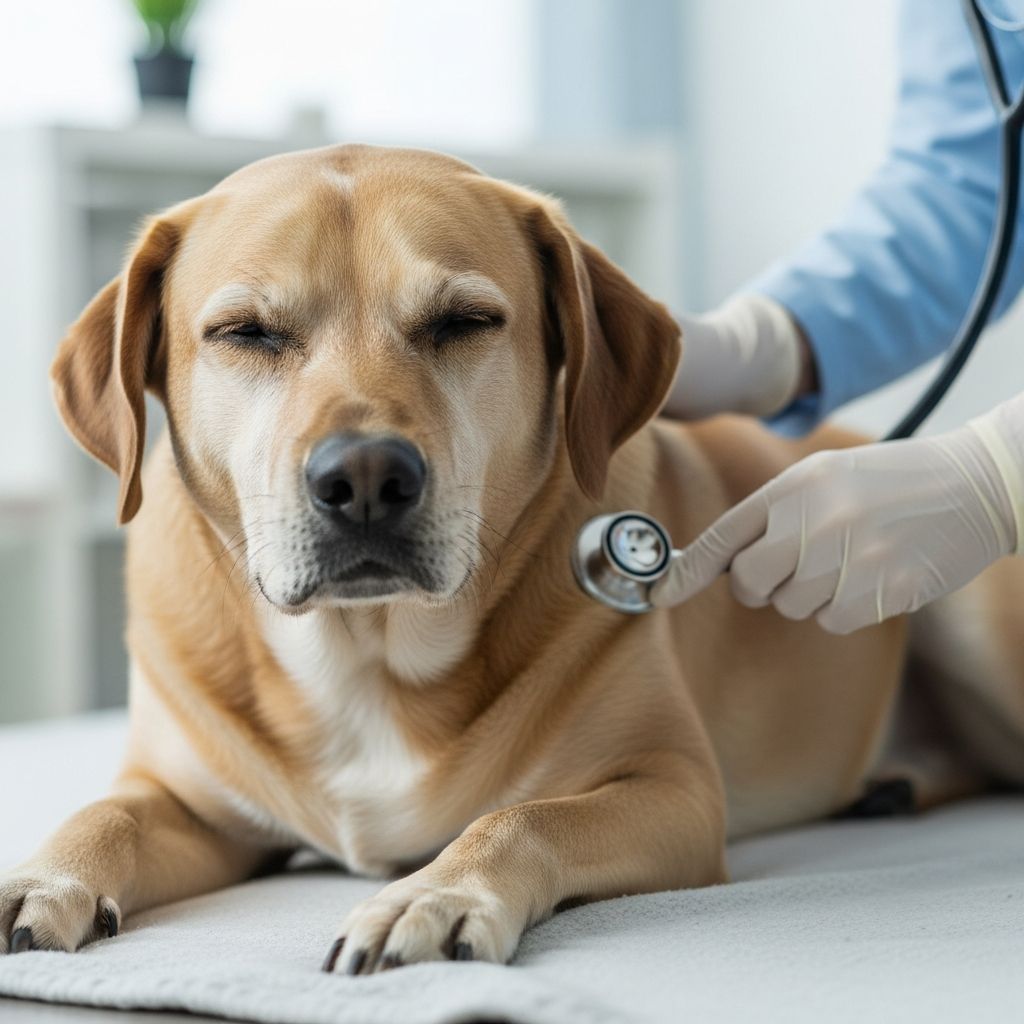
Dog Pneumonia Guide: Essential Insights for Pet Owners
Canine pneumonia involves lung inflammation that impairs breathing and oxygen flow, often stemming from bacterial infections or aspiration of foreign material. Dog owners must recognize early signs to enable prompt veterinary intervention, which significantly improves outcomes.
Understanding the Basics of Pneumonia in Dogs
Pneumonia in dogs refers to an inflammatory condition affecting the lungs and airways, leading to oxygen deficiency in the blood. This serious respiratory issue can arise from various triggers, including infections and accidental inhalation of substances. Unlike mild colds, it demands immediate attention to prevent life-threatening complications.
The condition manifests differently based on its cause. Bacterial forms typically follow upper respiratory infections, while aspiration types occur when dogs inhale vomit, food, or liquids into their lungs. Both types disrupt normal lung function, causing fluid buildup and breathing struggles.
Common Causes Behind Canine Lung Infections
Several factors contribute to pneumonia development in dogs. Bacterial agents are primary culprits, often invading after viral illnesses weaken defenses. Aspiration pneumonia frequently affects dogs with swallowing difficulties, regurgitation issues, or those under anesthesia.
- Bacterial Pneumonia: Spreads from the upper airways to lungs, exacerbated by weakened immunity.
- Aspiration Pneumonia: Results from inhaling stomach contents, oils, or medications, common in breeds with short noses like Bulldogs.
- Other Triggers: Fungal exposures, parasites, or toxins can also inflame lung tissue.
Understanding these origins helps owners mitigate risks, such as monitoring post-meal behaviors in at-risk dogs.
Key Symptoms to Watch For in Your Dog
Dogs with pneumonia exhibit noticeable respiratory and systemic signs. A persistent, wet-sounding cough is often the first alert, accompanied by rapid or labored breathing.
| Symptom | Description | Severity Indicator |
|---|---|---|
| Coughing | Deep, moist cough resembling a honk | Early sign |
| Breathing Issues | Rapid rate, wheezing, or whistling | Moderate to severe |
| Fever | Elevated temperature | Common in infections |
| Lethargy | Reduced energy, exercise intolerance | Systemic effect |
| Appetite Loss | Weight loss, dehydration | Progressing illness |
| Blue Gums | Cyanosis from low oxygen | Emergency |
Aspiration cases may add unique signs like swallowing problems or frequent regurgitation, signaling urgent care needs.
Risk Factors That Increase Susceptibility
Certain dogs face higher pneumonia risks. Puppies, seniors, and those with chronic conditions like heart disease or immune suppression are vulnerable. Breeds with brachycephalic features, such as Pugs, struggle more due to airway anatomy.
- Recent viral infections weakening lungs.
- Post-surgical anesthesia leading to aspiration.
- Underlying issues like megaesophagus causing regurgitation.
- Environmental exposures to irritants or pathogens.
Owners of high-risk pets should prioritize regular vet checkups and vigilant monitoring.
How Veterinarians Diagnose Pneumonia
Diagnosis starts with a detailed history and physical exam. Vets listen for abnormal lung sounds like crackles or wheezes using a stethoscope and check vitals including temperature.
Advanced tests confirm the issue:
- X-rays: Reveal lung density changes and consolidation patterns.
- Lab Work: Blood tests assess infection and oxygen levels.
- Airway Sampling: Tracheal washes or bronchoscopy collect fluids for bacterial culture and sensitivity.
- Swabs: Nasal or throat samples identify pathogens.
These steps differentiate pneumonia from heart failure or other mimics, guiding targeted therapy.
Treatment Strategies for Effective Recovery
Treatment focuses on eliminating infection, easing symptoms, and supporting respiration. Antibiotics form the backbone, selected via culture results for optimal efficacy.
| Treatment Type | Examples | Application |
|---|---|---|
| Antibiotics | Doxycycline, Amoxicillin-clavulanate | Oral/IV for bacterial control |
| Supportive Care | Oxygen therapy, fluids | Hospitalization for severe cases |
| Symptom Relief | NSAIDs, bronchodilators | Reduce fever, aid breathing |
| Physiotherapy | Chest percussion, nebulization | Clear mucus |
Severe patients require hospitalization with IV antibiotics and oxygen. Mild cases manage at home with oral meds and rest. Duration typically spans 2-4 weeks, with follow-ups ensuring clearance.
Preventing Pneumonia in Your Canine Companion
Proactive steps reduce incidence. Vaccinate against respiratory viruses, maintain dental health to prevent infections, and supervise eating to avoid aspiration.
- Elevate food bowls for breeds prone to regurgitation.
- Avoid oily meds without vet guidance.
- Ensure clean environments free of irritants.
- Monitor high-risk dogs post-meals or surgery.
Early intervention at symptom onset prevents escalation.
Prognosis and Long-Term Management
With timely treatment, most dogs recover fully, though severe or recurrent cases may leave scarring. Monitor for relapse signs and address underlying conditions.
Owners play a key role in recovery by administering meds precisely and restricting activity until cleared.
Frequently Asked Questions (FAQs)
Can pneumonia in dogs be fatal?
Untreated, yes, due to oxygen deprivation. Prompt care yields high survival rates.
How long does dog pneumonia treatment last?
Typically 2-6 weeks, depending on severity and response.
Is aspiration pneumonia contagious?
No, it’s not infectious but mechanical.
What home remedies help with dog pneumonia?
None replace vet care; steam from showers may ease breathing temporarily, but consult first.
Can puppies get pneumonia?
Yes, they are highly susceptible due to immature immunity.
References
- Pneumonia in Dogs – Dog Owners – Merck Veterinary Manual — Merck Veterinary Manual. Accessed 2026. https://www.merckvetmanual.com/dog-owners/lung-and-airway-disorders-of-dogs/pneumonia-in-dogs
- Pneumonia in Dogs: Signs, Symptoms, and Treatments — American Kennel Club. Accessed 2026. https://www.akc.org/expert-advice/health/dog-pneumonia/
- Pneumonia – Dog Symptoms, Types & Treatments — Pacific Santa Cruz Vet. 2023-09-15. https://www.pacificsantacruzvet.com/site/blog/2023/09/15/pneumonia-dog-symptoms
- Bacterial Pneumonia in Dogs and Cats: An Update — PMC – NIH. 2020. https://pmc.ncbi.nlm.nih.gov/articles/PMC7114575/
- Pneumonia in Dogs — Tumwater Veterinary. 2024-06-15. https://www.tumwaterveterinary.com/site/blog/2024/06/15/pneumonia-dogs
- Pneumonia in Dogs: Causes, Symptoms & Treatment — Matthews Carolina Vet. 2021-05-14. https://www.matthews.carolinavet.com/site/pet-health-blog/2021/05/14/pneumonia-in-dogs-causes-symptoms-treatments
- Treating Bacterial Pneumonia in Dogs and Cats — Today’s Veterinary Practice. Accessed 2026. https://todaysveterinarypractice.com/respiratory-medicine/treating-bacterial-pneumonia-in-dogs-and-cats/
Similar Articles








Read full bio of Sneha Tete




