

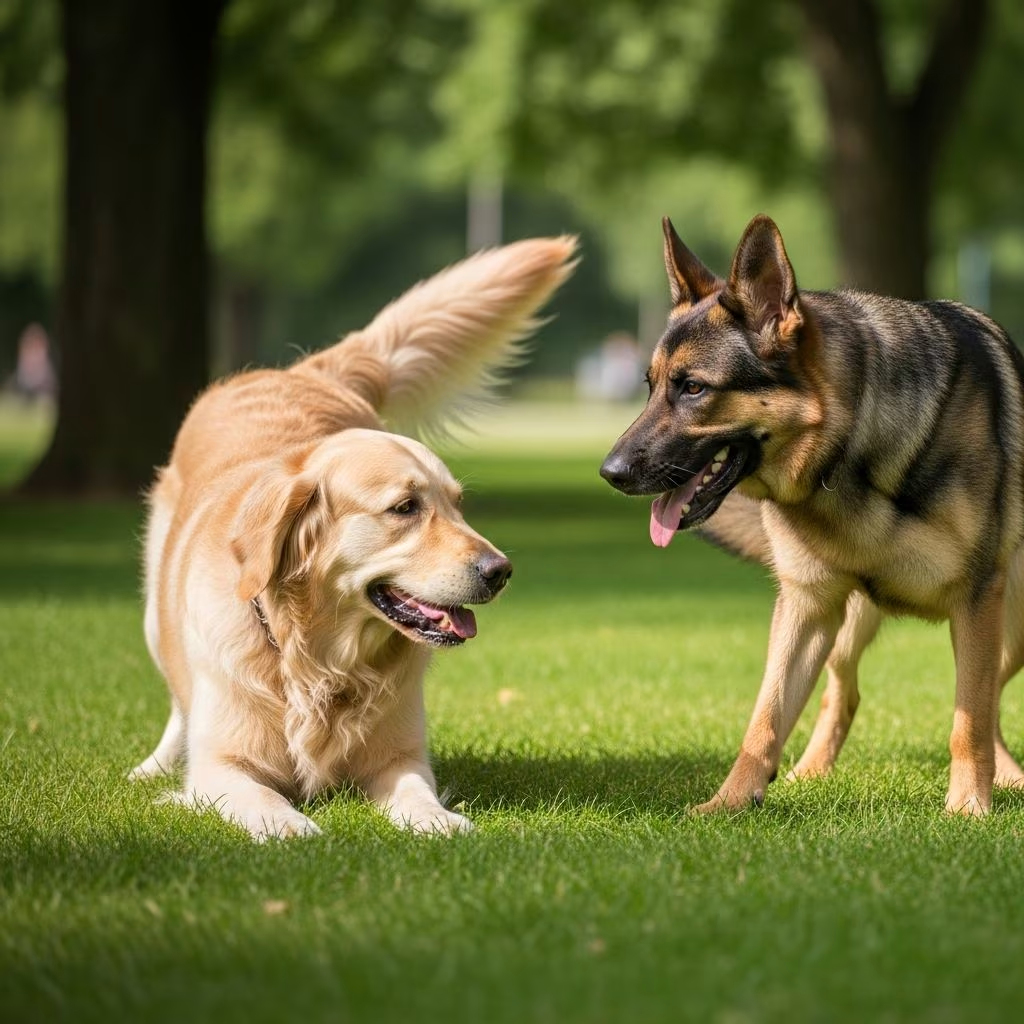
Observing dogs interact can be both delightful and concerning for owners. What looks like roughhousing to one person might signal trouble to another. Understanding the nuances of canine communication helps ensure safe, enjoyable interactions. This guide breaks down the critical differences between playful engagement and genuine aggression, empowering you to intervene appropriately.
Why Dogs Engage in Rough Play
Rough play, often called play fighting, is a fundamental part of canine social development. Puppies and adult dogs alike use it to hone essential skills. It allows them to practice hunting techniques, test physical limits, and build social hierarchies without real harm.
- Social Skill Building: Dogs learn boundaries through mock battles, improving their ability to read peers.
- Physical Conditioning: Bouncy chases and tugs enhance coordination, strength, and agility.
- Emotional Regulation: Play teaches frustration tolerance and impulse control.
- Bond Strengthening: Mutual fun reinforces pack bonds and trust.
When balanced, this behavior burns energy and reduces stress. However, supervision remains key, as mismatched play styles can lead to issues.
Hallmarks of Genuine Play Behavior
True play is characterized by looseness, exaggeration, and reciprocity. Dogs signal their intentions clearly to avoid misunderstandings.
Relaxed, Bouncy Movements
Playful dogs move with floppy, exaggerated motions—hopping, wiggling, and bending rhythmically. Their bodies appear loose, not rigid. This bounciness communicates fun, contrasting with the stiff efficiency of threats.
The Iconic Play Bow
A hallmark invitation, the play bow involves the front legs stretching forward while the rear end lifts high, like a yoga downward dog. It signals ‘let’s play’ or reassures during action: ‘this is still fun’.
Open Expressions and Vocalizations
Expect big, open-mouthed grins, relaxed ears, and playful eyes. Sounds are loud but silly—high-pitched barks mixed with prolonged growls or snarls, lacking menace.
| Play Signal | Description | Purpose |
|---|---|---|
| Play Bow | Front down, rear up | Invite or pause play |
| Bouncy Gait | Floppy, exaggerated hops | Signal relaxation |
| Open Grin | Silly mouth, soft eyes | Show enjoyment |
| Exaggerated Growls | Loud, high-pitched | Meta-communication |
Critical Role of Bite Inhibition
Biting is central to play, but controlled. Dogs learn bite inhibition early—from littermates yelping at hard nips or humans withdrawing attention. Inhibited bites are gentle, mouthed grabs without puncture.
Watch for self-handicapping: stronger dogs slow down or hold back to match partners. If one yelps and play halts briefly, that’s healthy feedback. Persistent hard biting demands intervention.
Red Flags: When Play Turns Serious
Not all rough interactions stay fun. Escalation happens fast if signals are ignored. Stiff postures and avoidance cues indicate distress.
Body Tension and Stance
Rigid muscles, raised hackles, pinned-back ears, and tucked tails scream discomfort. Movements become quick and direct, sans bounce.
Aggressive Vocal Cues
Low, guttural growls, intense snarls, or silence replace playful noise. Lips curl over teeth in warning.
One-Sided or Escape Attempts
Play is mutual; fights aren’t. If one dog pins, corners, or chases relentlessly while the other flees or freezes, separate immediately. No role reversals occur in conflict.
| Feature | Play | Fight |
|---|---|---|
| Body | Loose, bouncy | Stiff, frozen |
| Mouth | Open grin | Closed, curled lip |
| Ears | Relaxed/forward | Pinned back |
| Tail | Wagging loosely | Tucked or rigid |
| Bites | Gentle, inhibited | Hard, damaging |
| Turns | Take turns | One-sided |
Common Scenarios and Interventions
Dog parks, playdates, and homes host these dynamics. Mismatched sizes or ages heighten risks—small dogs may feel overwhelmed by giants.
- Puppy vs Adult: Adults often self-handicap, but monitor for over-enthusiasm.
- Same Household: Daily routines build tolerance, yet resource guarding can spark fights.
- Group Play: Watch ‘third dog’ syndrome—one interrupts, shifting balance.
To intervene: Use calm leashes, no yelling. Distract with commands or toys. Never physically pull apart fighting dogs—risk bites.
Training Tips for Safer Interactions
Proactive steps foster better play. Teach recall, impulse control, and play manners.
- Expose puppies to varied dogs under supervision.
- Reward voluntary breaks in play.
- Use timeouts for rough oversteps.
- Consult trainers for aggression histories.
Enroll in group classes to gauge your dog’s style safely.
FAQs: Dog Play and Conflict
Is growling always bad?
No—play growls are exaggerated and paired with wags. True warnings are low and paired with stiffness.
Should I stop all rough play?
Not if mutual and controlled. It benefits health, but supervise closely.
What if my dog plays too hard?
Train bite inhibition and match playmates wisely. Professional help for bullies.
Can play predict future fights?
Poor signals may indicate issues. Consistent patterns warrant evaluation.
How do I know if it’s over?
Post-play, dogs relax together or part amicably. Lingering tension means separate.
Long-Term Benefits of Understanding Canine Cues
Mastering these distinctions prevents injuries, builds confidence, and enriches your dog’s life. Regular observation sharpens your instincts, turning potential crises into managed fun. Celebrate play’s joys while respecting limits—your vigilance keeps tails wagging.
References
- Understanding Dog Behavior: Play Fighting vs. Real Fighting — Diamond Pet. 2023. https://www.diamondpet.com/blog/behavior/psychology/dogs-play-fighting/
- Dog Play Fighting: Rough and Tumble Language — Tailored Pet Services. 2024-01-01. https://tailoredpetservices.com/2024/dog-play-fighting-rough-and-tumble-language/
- Play Fighting vs. Aggression — The DogFather. 2023. https://www.thedogfather.com/training-tips/play-fighting-vs-aggression
- Dog Fighting or Playing? How to tell the difference — YouTube (Victoria Stilwell). 2018-10-15. https://www.youtube.com/watch?v=ZrG3SIYDILc
- Are Dogs Playing or Fighting? How to Tell the Difference — American Kennel Club (AKC). 2023. https://www.akc.org/expert-advice/advice/dogs-playing-or-fighting/
- Dog Behavior 101: Playing or Fighting — Metro East Humane Society. 2023. https://www.mehs.org/post/dog-behavior-101-playing-or-fighting
- How to Tell If Dogs Are Playing or in Conflict — Camp Bow Wow. 2026-01-01. https://www.campbowwow.com/blogs/2026/january/how-to-tell-if-dogs-are-playing-or-in-conflict/



