
Distinguishing Play from Aggression in Dogs
Learn to recognize the behavioral cues that separate healthy play from dangerous conflicts.
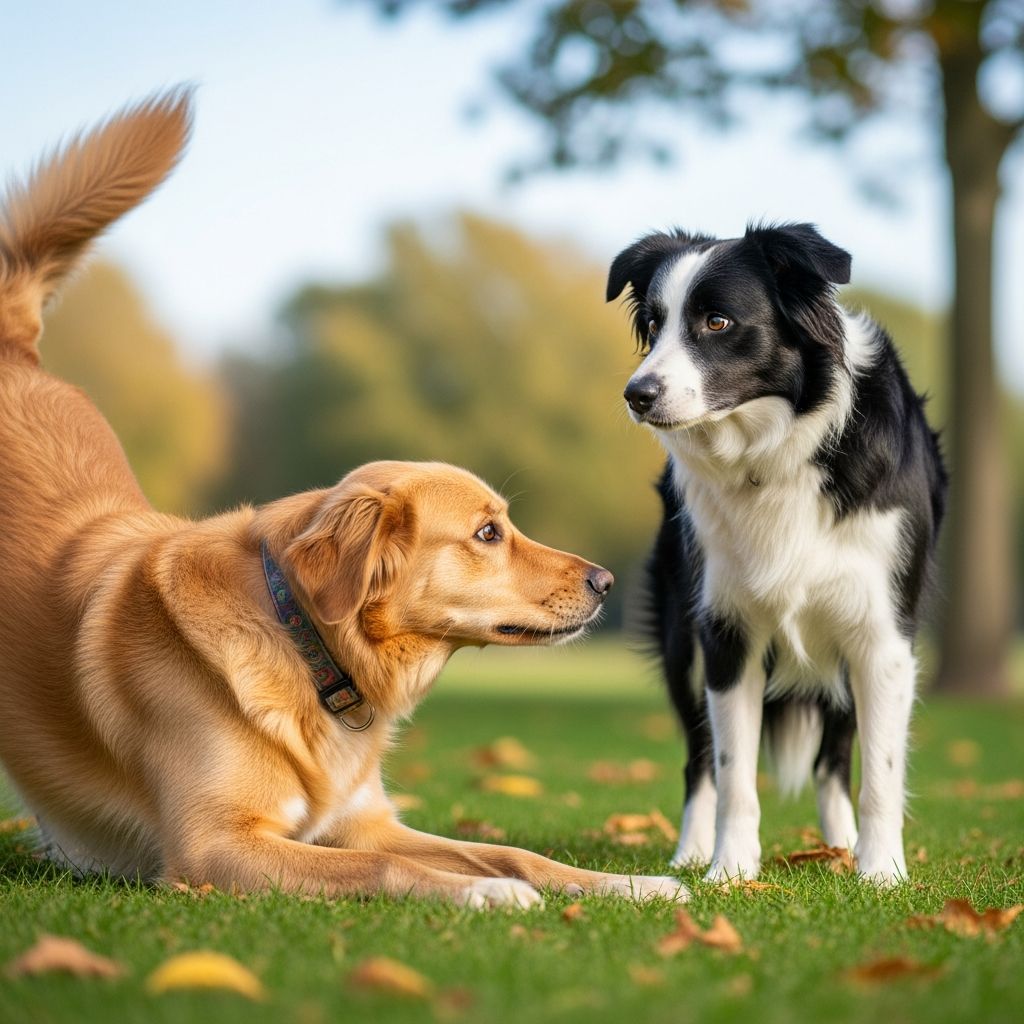
Pet owners frequently encounter moments of uncertainty when watching their dogs interact. Enthusiastic wrestling, loud vocalizations, and physical contact can appear alarming at first glance, yet these behaviors often represent completely normal and healthy canine interaction. Understanding the distinction between playful engagement and genuine aggression is essential for responsible pet ownership and ensuring the safety and wellbeing of your dogs.
The Purpose and Benefits of Rough Play
Canine rough play, commonly termed play fighting, serves multiple critical functions in a dog’s development and social life. Rather than representing antisocial behavior, this type of interaction is a natural and beneficial component of canine social development. When dogs engage in appropriate rough play, they accomplish several important developmental milestones.
Through vigorous play interactions, dogs refine their social communication skills with other canines. They learn valuable lessons about appropriate force application and how to control their bite pressure—a skill known as bite inhibition. Additionally, play wrestling helps dogs develop emotional regulation abilities and increases their tolerance for frustration. The physical activity involved in play fighting serves as an excellent outlet for excess energy, contributing to stress reduction and overall behavioral balance. Beyond individual benefits, rough play strengthens the social bonds between dogs, creating lasting positive associations and trust.
Recognizing that vigorous play is normal helps owners avoid misinterpreting their dogs’ behavior as problematic. The key distinction lies not in the intensity of play, but in whether both participants are genuinely enjoying the interaction and can communicate their boundaries effectively.
Identifying Authentic Playful Interaction
Healthy canine play exhibits consistent behavioral patterns that distinguish it from aggressive encounters. These indicators should be present in all participating dogs, not merely one individual.
Physical Characteristics of Playful Dogs
Dogs engaged in genuine play display distinctly relaxed physiology. Their body posture remains loose and wiggly, with muscles appearing relaxed rather than rigid or tense. Movements tend to be bouncy and deliberately exaggerated, quite different from the efficient, direct movements associated with conflict.
A telltale sign of playful intention is the play bow. In this position, a dog lowers their front end toward the ground while keeping their rear end elevated, effectively inviting another dog to engage in play. Some dogs reinforce this invitation by repeatedly slapping their front legs against the ground.
Facial expressions in playing dogs are unmistakable. Dogs often display open-mouthed grins that appear silly and friendly rather than threatening. When growling occurs during play, it is notably over-exaggerated, producing sounds that seem far more intense than the dog’s actual intentions. Additionally, many dogs produce spontaneous sneezes during wrestling—a behavior researchers interpret as a communication tool signaling friendliness and non-threatening intent.
Behavioral Patterns During Healthy Play
The structure of healthy play involves important turn-taking dynamics. Dogs engaging in genuine play exhibit role reversals, taking turns in positions such as chaser versus chased, or occupying the top or bottom position during wrestling. This reciprocal nature ensures that neither dog consistently dominates or submits.
A critical feature of appropriate play is self-handicapping. Larger or more physically skilled dogs naturally adjust their strength and speed to maintain fairness in the interaction. This self-regulation demonstrates that the stronger dog maintains deliberate control and respects their play partner’s limitations.
Playing dogs also exhibit voluntary vulnerability. They willingly expose their bellies to other dogs by falling or rolling over, demonstrating genuine trust and comfort. Furthermore, dogs in play interactions allow themselves to be caught during chase sequences rather than employing evasive tactics.
Natural pauses punctuate healthy play sessions. Dogs will spontaneously stop, shake off, sniff the ground, or briefly disengage before willingly returning to play. After these breaks, both dogs choose to continue rather than one forcing the other back into interaction.
Understanding Canine Communication and Stress Signals
Dogs are sophisticated communicators that typically attempt to avoid physical conflict long before it occurs. Recognizing these early warning signs can prevent situations from escalating. These initial stress signals may be subtle and easy to overlook but are critically important for understanding your dog’s emotional state.
Early Warning Indicators
When dogs feel uncomfortable or stressed, they display specific behaviors designed to communicate their distress. These signals include:
- Head or body turning away from the other dog
- Lip licking or yawning when not tired or sleeping
- Deliberate slowing down or attempting to disengage from interaction
- Avoiding eye contact with the other dog
- Hiding behind people or objects in the environment
- Sitting or lying down during active play
The critical factor is whether the other dog respects these signals. When play partners acknowledge and honor these communications, the interaction remains safe and manageable. Problems emerge only when one dog repeatedly ignores the other’s attempts to establish distance or end the interaction.
Recognizing When Play Intensifies Beyond Comfort
Play can transition from healthy interaction to concerning behavior when dogs become over-aroused or exhibit mismatched play styles and energy levels. This escalation does not necessarily guarantee that fighting will occur, but it signals the need for human intervention and a break.
Warning Signs of Excessive Play Intensity
Several behavioral changes indicate that play is becoming too rough and requires adult supervision:
- Decreased frequency of pauses and breaks in the play sequence
- One dog repeatedly chasing the other without reciprocal role reversals
- Body postures becoming more rigid or upright
- Increased speed and intensity without role reversal
- Mounting behavior driven by over-arousal or stress
At this stage, calmly stepping in and providing both dogs with an opportunity to reset can effectively prevent further escalation. This intervention does not need to be harsh—simply creating separation, allowing the dogs to calm down, and redirecting their energy can restore balance.
Distinguishing True Aggressive Conflict from Play
Genuine aggression between dogs represents a fundamentally different phenomenon from play. A conflict occurs when at least one dog is no longer participating voluntarily, and the interaction becomes tense, one-sided, or unsafe.
Physical and Behavioral Red Flags
Several unmistakable indicators signal that dogs have crossed from play into genuine conflict and require immediate intervention:
- Stiff, frozen body posture with no movement flexibility
- Hard staring or whale eye (showing the whites of the eyes)
- Low, sustained growling or snarling
- Snapping or repeated biting without release
- One dog pinning or cornering another who cannot escape
- A dog attempting to flee while the other continues pursuit
The body language of threatened dogs differs markedly from playing dogs. Aggressive dogs exhibit stiff, tense bodies, with raised hackles (the hair on their upper backs). Their movements become quick and efficient rather than bouncy, and they abandon the turn-taking dynamic that characterizes play.
In genuine fights, the outcome differs from play conclusions. The dog that loses an altercation typically attempts to leave the area rather than engaging further. Unlike play partners who willingly return for continued interaction, dogs involved in genuine conflict do not seek additional encounters.
Understanding Root Causes of Canine Conflict
Even well-socialized and behaviorally balanced dogs can experience disagreements and conflicts. Recognizing the underlying causes helps owners address problems more effectively.
Common Contributors to Conflict
Aggression between dogs typically stems from specific environmental or emotional circumstances:
- Over-arousal or physical exhaustion reducing self-control
- Mismatched play styles or incompatible energy levels
- Fear or feeling overwhelmed by the other dog
- Pain or underlying illness affecting mood and tolerance
- Resource guarding involving food, toys, or physical space
- Missed or ignored communication signals from the other dog
Importantly, conflicts typically reflect emotional state and environmental factors rather than inherent personality defects or incurable behavioral problems. This distinction is crucial because it means that many conflicts can be prevented or managed through environmental adjustments and proactive supervision.
The primary goal for dog owners should be watching for early stress signals and intervening before escalation becomes possible. By recognizing the subtle cues that precede conflict, owners can remove their dogs from situations before tension builds.
Practical Guidance for Safe Dog Interactions
Effective management of dog interactions requires ongoing observation and willingness to intervene when necessary. When supervising dogs that are playing, maintain awareness of the interaction quality and be prepared to create separation if concerning signs emerge. This does not mean discouraging all rough play—rather, it means ensuring that the play remains balanced, consensual, and enjoyable for all participants.
Understanding your individual dogs’ play preferences, energy levels, and communication styles helps you make informed decisions about which dogs should interact together and under what circumstances. Some dogs prefer gentle play, while others genuinely enjoy vigorous wrestling. Matching compatible play partners and monitoring interactions reduces conflict likelihood significantly.
Frequently Asked Questions
Is growling during play concerning?
Growling during play is typically not concerning when it is over-exaggerated, accompanied by loose body language, frequent breaks, and mutual engagement. However, low, sustained growling—especially when paired with stiff body posture—indicates genuine aggression requiring intervention.
What should I do if my dogs’ play seems too intense?
Calmly interrupt the interaction and provide both dogs with a break. Allow them to settle before deciding whether to resume play. If intensity continues to escalate upon resuming, separate the dogs for extended rest.
Can rough play damage social bonds?
Appropriate rough play actually strengthens social bonds. Unhealthy interactions—those lacking respect for boundaries—can damage relationships, which is why intervention during escalation is important.
How can I help my dog improve bite inhibition?
Allowing your dog to engage in appropriate rough play with compatible playmates helps develop bite inhibition. Ensuring that play partners respect each other’s signals reinforces appropriate force control.
References
- How to Tell If Dogs Are Playing or in Conflict — Camp Bow Wow. 2026-01-15. https://www.campbowwow.com/blogs/2026/january/how-to-tell-if-dogs-are-playing-or-in-conflict/
- Are Dogs Playing or Fighting? How to Tell the Difference — American Kennel Club. https://www.akc.org/expert-advice/advice/dogs-playing-or-fighting/
- Dog Play Behavior: Understanding Your Dog’s Body Language During Playtime — Holiday Barn. https://holidaybarn.com/blog/dog-play-behavior-understanding-your-dogs-body-language-during-playtime/
Similar Articles








Read full bio of Sneha Tete




