

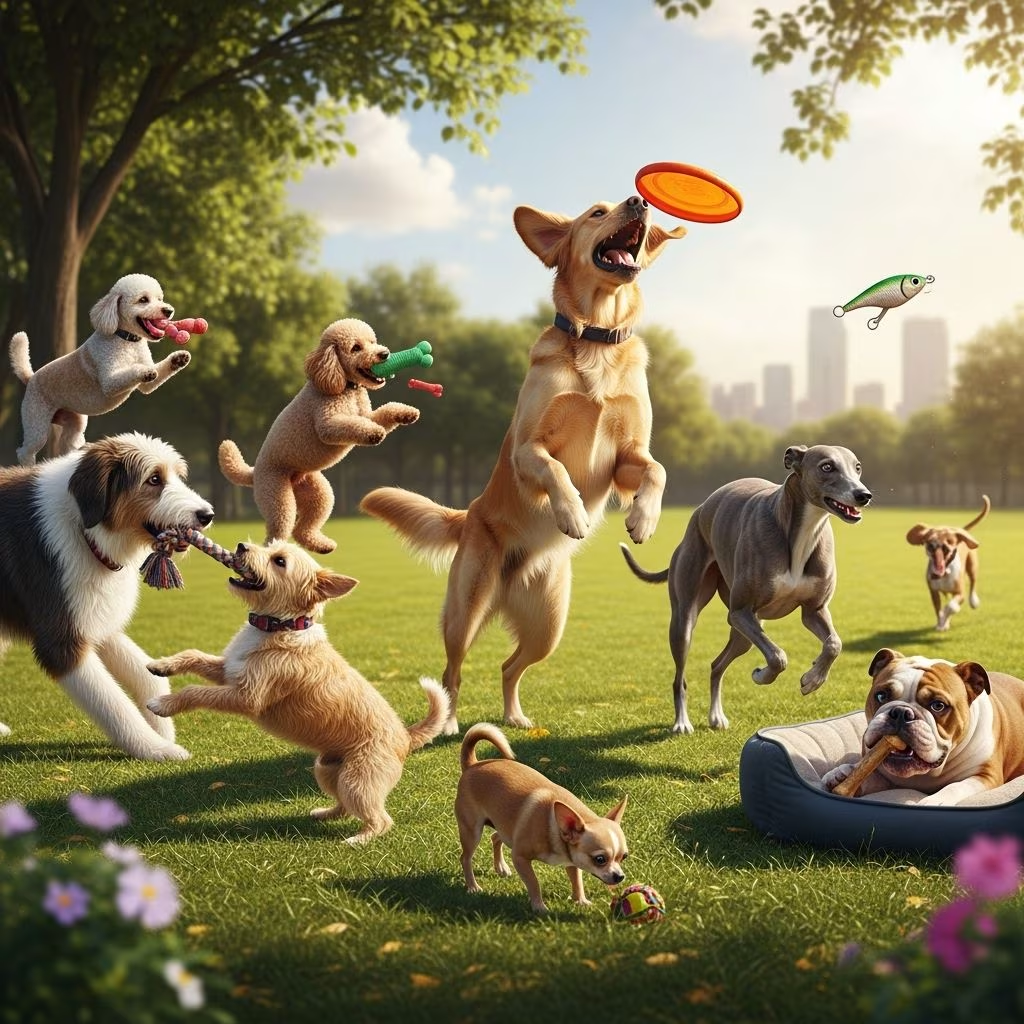
Every dog has an individual approach to play that reflects their temperament, breed history, and personal preferences. Just as humans have distinct personalities, dogs exhibit varied and recognizable patterns in how they engage with toys, other dogs, and their environment during playtime. Understanding these patterns not only deepens your connection with your pet but also helps you create safer, more enjoyable play experiences and identify compatible playmates. By observing your dog’s natural play inclinations, you can provide appropriate outlets for their energy and prevent frustration or behavioral problems that arise from unmet play needs.
The Foundation of Canine Play Expression
Play serves multiple vital functions in a dog’s development and daily life. It allows them to exercise their bodies, stimulate their minds, practice social skills, and release pent-up energy in healthy ways. The manner in which a dog approaches play reveals significant information about their personality, confidence levels, and inherent instincts shaped by generations of selective breeding. Some dogs display boisterous enthusiasm, while others show careful restraint and gentle interactions. These variations are not random but follow recognizable patterns that trainers, behaviorists, and experienced dog owners can identify and interpret.
The most effective approach to dog care involves matching play activities to your individual dog’s natural inclinations rather than forcing them into play styles that feel unnatural or uncomfortable. A dog forced to engage in rough wrestling when they prefer gentle interactions will experience stress rather than enjoyment. Conversely, providing high-energy play to a dog with a reserved temperament can overwhelm them. Recognition of these preferences allows you to tailor your approach to maximize your dog’s happiness and well-being.
High-Contact Engagement: The Physical Players
Some dogs express their enthusiasm through vigorous physical contact and full-body engagement. These dogs view play as an opportunity to utilize their strength and athleticism fully. They approach playmates with exuberance, using their entire bodies to initiate and maintain interaction.
The Enthusiastic Wrestler
Wrestlers are dogs who love rough-and-tumble interaction involving pushing, nipping, grappling, and tumbling. These dogs typically come from sporting and terrier backgrounds, where physical prowess was historically valued for hunting and working purposes. During play, wrestlers use their mouths gently but persistently, engage in play bows, and often initiate contact through gentle nudges and jumps. Their body language remains loose and wiggly, with play usually involving role reversals where both dogs take turns being the aggressor and the retreater. Wrestlers need playmates who enjoy similar intensity levels and owners who can recognize the distinction between playful wrestling and genuine aggression.
The Full-Contact Charger
Body slammers or full-contact players express their joy through energetic charging and sideways bumping into other dogs. Larger breed dogs frequently adopt this play style, sometimes underestimating their own strength and the impact of their movements. These dogs approach play with uninhibited enthusiasm, using their mass and momentum as tools for engagement. They require careful matchmaking with similarly-sized dogs to prevent accidental injuries. Training impulse control and teaching appropriate play boundaries helps body slammers channel their exuberance safely while maintaining their natural playful spirit.
Movement-Based Play: The Chasers and Runners
Many dogs derive their greatest pleasure from motion-oriented play styles that tap into their hunting and herding instincts. These dogs structure their play around running, pursuit, and evasion patterns.
The Pursuit Enthusiast
Chase play represents one of the most instinctively satisfying activities for many dogs. Chasers exhibit a preference for games involving pursuit and evasion, whether chasing other dogs, toys, or even their own shadows. Herding and hunting breeds naturally gravitate toward this play style, as it aligns with their ancestral purposes. Dogs engaged in chase play typically display play bows to signal their intent, use loose body language, and often take turns being the pursuer and the pursued, demonstrating sophisticated social understanding and fairness principles. This play style provides excellent cardiovascular exercise and mental stimulation through the strategic thinking required to evade or anticipate movements.
The Solo Runner
Not all dogs who run during play are interested in chasing others. Some dogs prefer independent running, sprinting in circular patterns or racing back and forth across open spaces. These independent runners often experience spontaneous bursts of energy, sometimes called the “zoomies,” where they run for the pure joy of movement. While they may occasionally invite other dogs to join, they remain content exercising alone. Sighthounds and breeds historically developed for independent hunting frequently display this preference. These dogs benefit from spacious environments where they can safely indulge their running instincts without the pressure of social interaction.
Object-Focused Play Preferences
Many dogs direct their play behavior toward toys and objects rather than other dogs or people. These object-oriented players possess distinct preferences within this category.
The Tug Competitor
Some dogs find their greatest satisfaction in games of tug-of-war, where they can employ their pulling strength and determination. Terriers and working breeds historically selected for gripping and holding strength typically excel at and enjoy tugging games. These dogs approach tug toys with focused intensity, and many develop strong preferences for specific toys or materials. While tugging games are entirely normal and healthy, establishing clear rules prevents the play from becoming possessive or overly intense. Teaching commands like “drop it” and “take it” ensures you maintain appropriate boundaries while respecting your dog’s natural preferences.
The Mental Puzzle Enthusiast
Intelligent dogs often prefer play that engages their problem-solving abilities. These puzzle-oriented players thrive when presented with interactive toys that dispense treats, require manipulation to access hidden rewards, or present novel challenges. They demonstrate remarkable persistence, spending extended periods investigating toys, trying different approaches, and perfecting their techniques. This play style offers significant benefits for preventing boredom and the destructive behaviors that often follow. Puzzle play provides mental exercise that genuinely tires dogs in ways that physical activity alone cannot achieve, making it particularly valuable for highly intelligent breeds.
Interaction Style Categories
Beyond the specific activities dogs choose, they also vary in how gentle or intense they prefer their play interactions to be.
The Gentle Interaction Preference
Some dogs consistently demonstrate a preference for softer, quieter play interactions. Often seen in smaller breeds, senior dogs, or dogs with naturally calm temperaments, these gentle players approach play with careful, controlled movements. They use light paw touches, soft mouthing, and subtle signals to initiate interaction. Rather than boisterous bouncing, they might offer a gentle bow or delicate tap to suggest play. These dogs require patient playmates who respect their preferred intensity level and owners who recognize that their gentleness reflects neither lack of enjoyment nor lack of confidence, but rather their authentic play personality.
The Cautious Approach
Reserved or cautious players require time to warm up to play situations and benefit from structured, predictable play formats. These dogs carefully assess their environment and potential playmates before engaging. They may become overwhelmed by high-energy play styles or overly enthusiastic dogs, causing them to shut down rather than engage. These dogs excel in calm training sessions, gentle games, and confidence-building activities. Respecting their need for gradual engagement rather than forcing immediate participation helps build their comfort and ultimately expands their willingness to engage in play.
Vocal Expression During Play
Dogs vary considerably in how much vocalization accompanies their play. Some dogs communicate excitement through frequent barking, playful growling, and various vocal sounds, while others play in near silence. High-energy terrier breeds and certain sporting breeds frequently engage in vocal play, using sound as an integral part of their communication and expression. This vocalization, while sometimes startling to observers, remains entirely normal and healthy when accompanied by appropriate body language and mutual participation. Conversely, quiet players may express equal enthusiasm through movement and body language without sound. Neither approach indicates anything problematic; they simply reflect individual communication preferences shaped by breed and personality.
Practical Guidance for Supporting Your Dog’s Play Style
Matching Playmates
Understanding your dog’s play style allows you to identify compatible companions more effectively. A dog who loves rough wrestling will frustrate a gentle player, while forcing a chase enthusiast to engage in calm puzzle games wastes their natural inclinations. Observing potential playmates and noting similarities in play preferences significantly increases the likelihood of successful interactions and genuine friendship development.
Environmental Considerations
Different play styles require different environmental supports. Chasers and runners need open spaces where they can safely indulge their movement preferences. Object players benefit from rotating toy selections to maintain novelty and engagement. Wrestlers and body slammers need soft surfaces that cushion impact and prevent injury. Tailoring your environment to support your dog’s natural play style demonstrates respect for their preferences while maximizing safety and enjoyment.
Training and Boundaries
While respecting your dog’s natural play style, you can also teach appropriate boundaries through training. Teaching a tugger to release toys on command maintains safety without eliminating their enjoyment of the game. Training impulse control helps body slammers engage more safely. These skills enhance rather than suppress your dog’s play personality by allowing their natural preferences to flourish safely within appropriate parameters.
Recognizing Problematic Play Escalation
While diverse play styles are entirely normal, monitoring play interactions remains important. Play should remain mutual and balanced, with both participants able to disengage when desired. Play that escalates into genuine aggression, shows one dog consistently dominating while the other tries to escape, or involves serious mouthing rather than gentle contact crosses into inappropriate territory. Recognizing these warning signs allows you to intervene appropriately and adjust play situations to ensure everyone’s safety and continued positive associations with play.
Frequently Asked Questions
How can I tell if my dog’s play style is normal or problematic?
Healthy play involves loose body language, role reversals, frequent breaks, and mutual enjoyment. Both dogs should appear happy to continue playing and able to disengage without forcing their way away from the other dog. Play that involves stiff body postures, one dog consistently preventing the other from leaving, or increasingly intense mouthing may indicate problems.
Can play style change as a dog ages?
Yes, play preferences often evolve with age. Senior dogs may prefer gentler play styles than they enjoyed in youth. Similarly, young puppies may develop distinct preferences as they mature. These changes are entirely normal and should be accommodated to maintain your dog’s enjoyment of play activities.
Is it necessary to provide multiple play style opportunities?
While respecting your dog’s core preferences, providing varied play opportunities enriches their life and engages different aspects of their abilities. A dog who primarily enjoys wrestling may still benefit from occasional chase games or puzzle toy exploration. Variety prevents boredom and exercise plateau while respecting their fundamental preferences.
Should I encourage my dog to play in ways that don’t come naturally?
Gentle encouragement of new play styles can be beneficial, but forcing a dog into uncomfortable play patterns proves counterproductive. If your gentle player seems slightly interested in more active play, gradual exposure in controlled environments might expand their comfort. However, if a dog clearly resists a play style, respecting their preference serves them better than coercion.
References
- How to Identify Different Dog Play Styles: From Chase Play to Wrestling — Winston Salem Dog Trainers. 2024. https://www.winstonsalemdogtrainers.com/how-to-identify-different-dog-play-styles-from-chase-play-to-wrestling/
- Decode Your Dog’s Play Style – 8 Different Types — Off Leash K9s. 2024. https://offleashk9swmo.com/decode-your-dogs-play-style-a-comprehensive-guide-to-8-different-types/
- Understanding Dog Play Styles: A Complete Guide to Your Pet’s Playful Behaviors — Jersey Shore Dog Trainers. 2024. https://jerseyshoredogtrainers.com/understanding-dog-play-styles-a-complete-guide-to-your-pets-playful-behaviors/
- Dog Play Styles — Animal Ark Rescue. 2024. https://animalarkrescue.com/dog-play-styles/
- Canine Play Styles — CPT Training. 2024. https://cpt-training.com/blog/canine-play-styles/
- Understanding Dog Play Styles: What’s Normal and What’s Not — Ruffgers. 2024. https://ruffgers.com/understanding-dog-play-styles-whats-normal-and-whats-not/



