

Understanding Dog Plaque: What You Need to Know
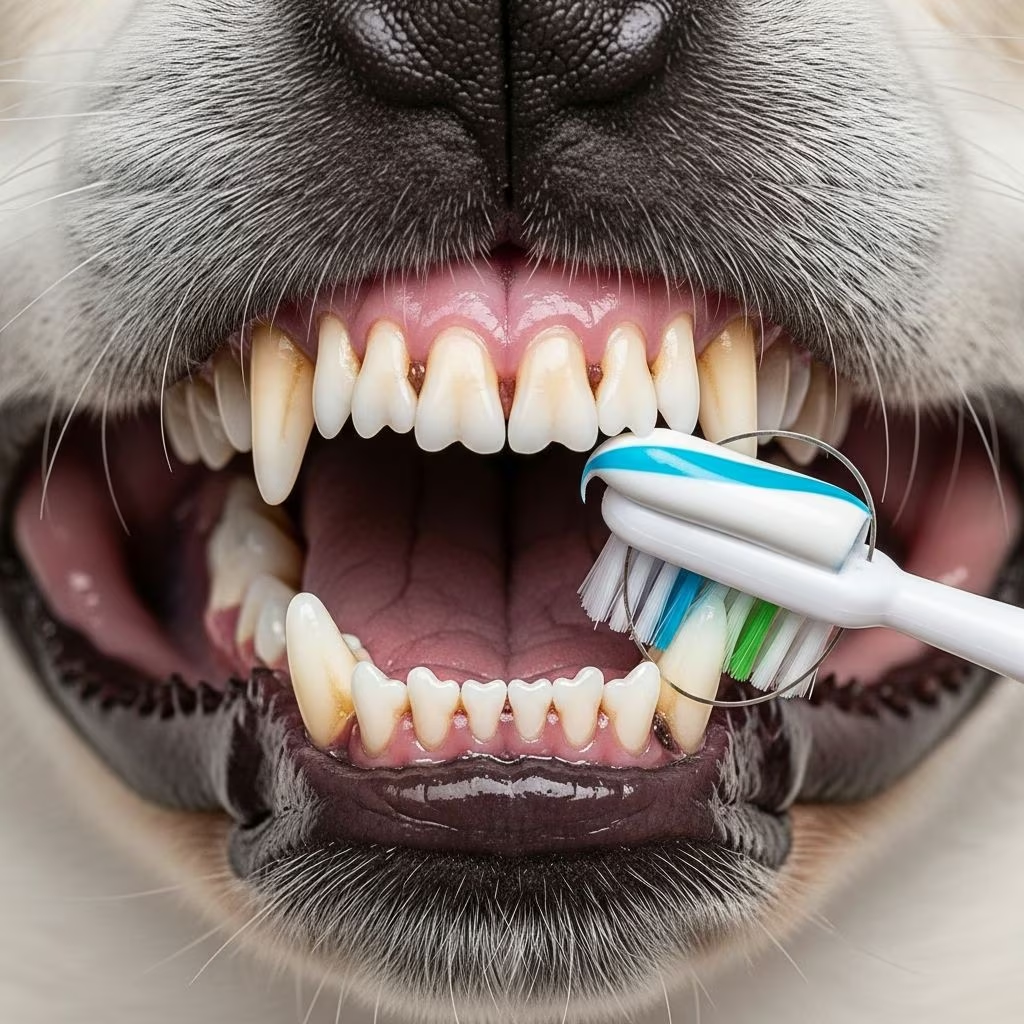
Plaque in dogs is a sticky, nearly invisible film of bacteria that forms on your dog’s teeth, particularly after meals. This biofilm develops when naturally occurring bacteria in the mouth combine with food particles and saliva. The bacteria feed on sugars and starches in your dog’s food, allowing them to multiply and adhere firmly to the tooth surface. While plaque may seem like a minor cosmetic issue, it represents the beginning of a serious chain of dental health problems that can affect your dog’s overall wellbeing.
Understanding plaque is the first step toward protecting your dog’s oral health. Unlike tartar, which is hardened plaque that appears as yellow or brown deposits, plaque itself is difficult to see with the naked eye. However, certain signs indicate its presence in your dog’s mouth, including bad breath (halitosis), a slimy or sticky feeling on the teeth, and changes in your dog’s eating habits.
The Difference Between Plaque and Tartar
Many dog owners use the terms plaque and tartar interchangeably, but they are distinct stages of dental disease. Plaque is the initial bacterial buildup that forms on teeth and can be removed through brushing and mechanical action. However, if plaque is not removed within 24 to 48 hours, it hardens and calcifies into tartar (also called calculus), a yellow or brown-colored substance that cannot be removed by brushing alone.
Once plaque transforms into tartar, it requires professional veterinary intervention to remove. Tartar creates a rough surface that harbors even more bacteria, creating a vicious cycle of increasing bacterial colonization and dental disease. This distinction is crucial because plaque, as the preventable stage, is where dog owners can have the most impact through daily care and prevention strategies.
Why Plaque Buildup Is Dangerous for Dogs
Plaque buildup poses serious health risks that extend far beyond cosmetic dental concerns. If left untreated, plaque can lead to a variety of dental problems, including gum disease, tooth decay, and persistent bad breath. The consequences become increasingly severe as plaque accumulates and transforms into tartar.
Immediate Dental Consequences
- Gingivitis: Plaque causes inflammation of the gums, leading to painful bleeding and discomfort.
- Periodontal Disease: As tartar builds up along the gum line, it pushes gums away from tooth roots, exposing sensitive areas and creating deep pockets where bacteria thrive.
- Tooth Loss: Inadequate dental care can lead to extensive bone loss and eventual tooth loss.
- Tooth Decay: Bacteria produce acids that erode the enamel and dentin, causing cavities.
Systemic Health Risks
The dangers of plaque extend beyond the mouth. The bacteria present in plaque can enter the bloodstream and potentially affect vital organs, including the heart, liver, and kidneys. Chronic periodontal disease has been linked to systemic infections and organ damage, making dental health a critical component of your dog’s overall health maintenance.
Risk Factors for Plaque Buildup in Dogs
Some dogs are more susceptible to plaque buildup than others. Several factors contribute to the formation of plaque in dogs, and understanding these risk factors helps you provide targeted prevention strategies.
Key Risk Factors Include:
- Poor Dental Hygiene: Lack of regular tooth brushing is the primary cause of plaque accumulation.
- Age: Older dogs are more at risk due to years of plaque buildup.
- Breed Predisposition: Small and brachycephalic (short-nosed) breeds are more prone to dental problems.
- Genetics: Some dogs are genetically predisposed to dental disease.
- Improper Nutrition: Diet plays a significant role in plaque formation and prevention.
- Underlying Health Conditions: Illnesses like diabetes and kidney disease can worsen oral health.
Professional Plaque Removal: What to Expect
Professional veterinary dental care is a crucial component of managing plaque in dogs. A crucial step in managing plaque is scheduling regular dental check-ups with your veterinarian. Professional cleanings offer a level of plaque and tartar removal that home care alone cannot achieve.
Professional Dental Cleaning Procedure
Professional dental cleanings are performed under anesthesia, allowing your veterinarian to thoroughly clean your dog’s teeth and identify any potential dental issues early on. During a comprehensive dental cleaning, your vet removes plaque, tartar, and infection both above and below the gum line. The procedure typically includes:
- Complete removal of tartar and plaque from visible tooth surfaces
- Deep cleaning below the gum line where harmful bacteria accumulate
- Examination of each tooth for decay, damage, or disease
- X-ray imaging to assess bone health and identify hidden problems
- Polishing to smooth the tooth surface and reduce future plaque adhesion
When Tooth Extraction May Be Necessary
In advanced stages of dental disease, severely damaged or infected teeth may need to be extracted to reduce pain and prevent further health issues. While tooth extraction should only be considered when necessary, removing diseased teeth can improve your dog’s quality of life and prevent systemic infections.
Home Dental Care: Daily Prevention Strategies
While professional veterinary care is essential, home dental care is equally important for long-term plaque prevention. After your dog’s teeth have been professionally cleaned and polished by your veterinarian, home dental care is needed to help reduce plaque and tartar buildup.
Daily Tooth Brushing
One of the best and most effective ways to reduce and prevent tartar formation and buildup is regular brushing of your dog’s teeth with a dog toothpaste. Regular brushing is essential to remove plaque and prevent the formation of tartar. When brushing your dog’s teeth:
- Use a toothbrush and toothpaste specifically designed for dogs
- Aim to brush daily or at least several times per week
- Focus on the outer surfaces where plaque accumulates most readily
- Be gentle to avoid causing gum irritation or bleeding
- Make brushing a positive experience with treats and praise
Mechanical Cleaning Through Chewing
Chewing on hard objects like bones and toys can help reduce plaque buildup, as it mechanically cleans the teeth. This natural cleaning action removes surface plaque and helps maintain dental health between brushing sessions. However, ensure that bones and toys are appropriately sized and safe to prevent dental damage or choking hazards.
Dietary Solutions for Plaque Prevention
Nutrition plays a significant role in oral health. Your veterinarian may recommend several dietary approaches to support plaque prevention.
Prescription Dental Diets
Specialized dental diets formulated to reduce plaque and tartar buildup are available from veterinary suppliers. These diets often have larger kibble sizes and a unique texture that promotes mechanical cleaning of the teeth as your pet chews. Prescription dental diets are specifically engineered to support oral health while meeting your dog’s nutritional needs.
Dental Treats and Supplements
Dental treats and supplements are designed to support oral health. They can help reduce plaque and tartar formation when used in combination with other dental care measures. Many dental treats contain ingredients that help freshen breath and reduce bacterial growth in the mouth.
Additional Prevention Measures
Antibiotic Therapy
In cases of severe infection, antibiotics may be prescribed to help control bacteria and inflammation. Your veterinarian will determine if antibiotic therapy is necessary based on the severity of your dog’s dental disease and the presence of systemic infection.
Regular Veterinary Check-ups
Regular oral health check-ups with your veterinarian can help catch dental issues early. Your vet can assess your pet’s oral health and recommend appropriate treatments or interventions. Most veterinarians recommend annual dental examinations for adult dogs and more frequent evaluations for senior dogs or those with existing dental disease.
Recognizing Signs of Dental Problems in Your Dog
Early detection of plaque and related dental issues is key to preventing severe complications. Watch for these warning signs:
- Bad Breath: One of the most noticeable signs, often caused by bacterial buildup
- Difficulty Eating: Preference for soft foods or reluctance to eat
- Visible Changes: Dark spots on teeth, discolored spots, or visible calculus deposits
- Gum Problems: Swollen or bleeding gums, red lines across the gums
- Excessive Drooling: More saliva than normal, often indicative of oral pain
- Behavioral Changes: Irritability, lethargy, or pawing at the mouth
- Loose or Missing Teeth: Teeth may loosen or fall out due to bone loss and gum damage
If you notice any of these symptoms, it’s essential to schedule a dental examination as soon as possible to prevent progression to more severe stages of dental disease.
Understanding Periodontal Disease Stages
Plaque progresses through predictable stages of periodontal disease. Understanding these stages helps you appreciate the importance of early intervention. Periodontal disease develops through four stages, with Stage 4 being the most severe and requiring aggressive treatment. Early detection through regular veterinary check-ups allows for intervention at less advanced stages, which typically involves less extensive treatment and better long-term outcomes.
Frequently Asked Questions
Q: How often should I brush my dog’s teeth?
A: Ideally, you should brush your dog’s teeth daily. If daily brushing isn’t possible, aim for at least three to four times per week to effectively control plaque buildup.
Q: Can plaque be removed at home without professional cleaning?
A: While home care prevents plaque formation, tartar that has already hardened requires professional removal by a veterinarian using a dental scaler. Professional cleanings under anesthesia are essential for complete plaque and tartar removal.
Q: How much does professional dog teeth cleaning cost?
A: Professional dental cleaning costs vary by location and veterinary practice, but generally range from $200 to $600 or more. Your veterinarian can provide a specific estimate after examining your dog’s teeth.
Q: Is anesthesia safe for my older dog’s dental cleaning?
A: Modern veterinary anesthesia is quite safe, but older dogs may require pre-anesthetic bloodwork to assess organ function. Discuss your dog’s specific health concerns with your veterinarian before scheduling dental cleaning.
Q: What human toothpaste should I use for my dog?
A: Never use human toothpaste for your dog, as it may contain harmful ingredients like fluoride or xylitol. Always use toothpaste specifically formulated for dogs.
Q: Can dental disease affect my dog’s organs?
A: Yes, bacteria from plaque can enter the bloodstream and affect vital organs including the heart, liver, and kidneys. This is why maintaining good oral hygiene is crucial for your dog’s overall health.
Q: Are small-breed dogs more prone to plaque buildup?
A: Yes, small and brachycephalic breeds are more prone to dental problems, including plaque and tartar buildup, due to their crowded tooth structure and genetic predisposition.
References
- Understanding and Managing Plaque in Dogs: A Guide for Pet Parents — Sweden Care. https://us.swedencare.com/pet-life/understanding-and-managing-plaque-in-dogs-a-guide-for-pet-parents-/
- Stage 4 Periodontal Disease in Dogs: Symptoms & Treatment — Animal Dental Arizona. https://animaldentalaz.com/stage-4-periodontal-disease-dogs/
- Dental Caries in Dogs: Symptoms, Causes, and Treatments — South Park Animal Hospital. https://www.southparkanimalhospitalsf.com/blog/dental-caries-in-dogs-symptoms-causes-and-treatments-south-park-animal-hospital
- Plaque, Tartar, & Calculus in Dogs & Cats: Prevention & Treatment — Veterinary Dentist Wisconsin. https://vetdentistwi.com/plaque-tartar-and-calculus-in-dogs-and-cats/
- Common Dental Problems in Dogs — Queens Animal Hospital. https://www.queensanimalhospital.com/site/blog/2024/01/15/common-dental-problems-dogs
- Plaque and Tartar Prevention in Dogs — VCA Animal Hospitals. https://vcahospitals.com/know-your-pet/tartar-prevention-in-dogs
- Periodontal Disease — Cornell University College of Veterinary Medicine. https://www.vet.cornell.edu/departments-centers-and-institutes/riney-canine-health-center/health-topics/canine-health-information/periodontal-disease
- The Truth About Tartar on Your Dog’s Teeth — Veterinary Dental. https://veterinarydental.com/blog/plaque-dogs-teeth/
- Dog Plaque: All You Need to Know — Purina. https://www.purina.co.uk/articles/dogs/health/dental/dangers-of-too-much-plaque



