

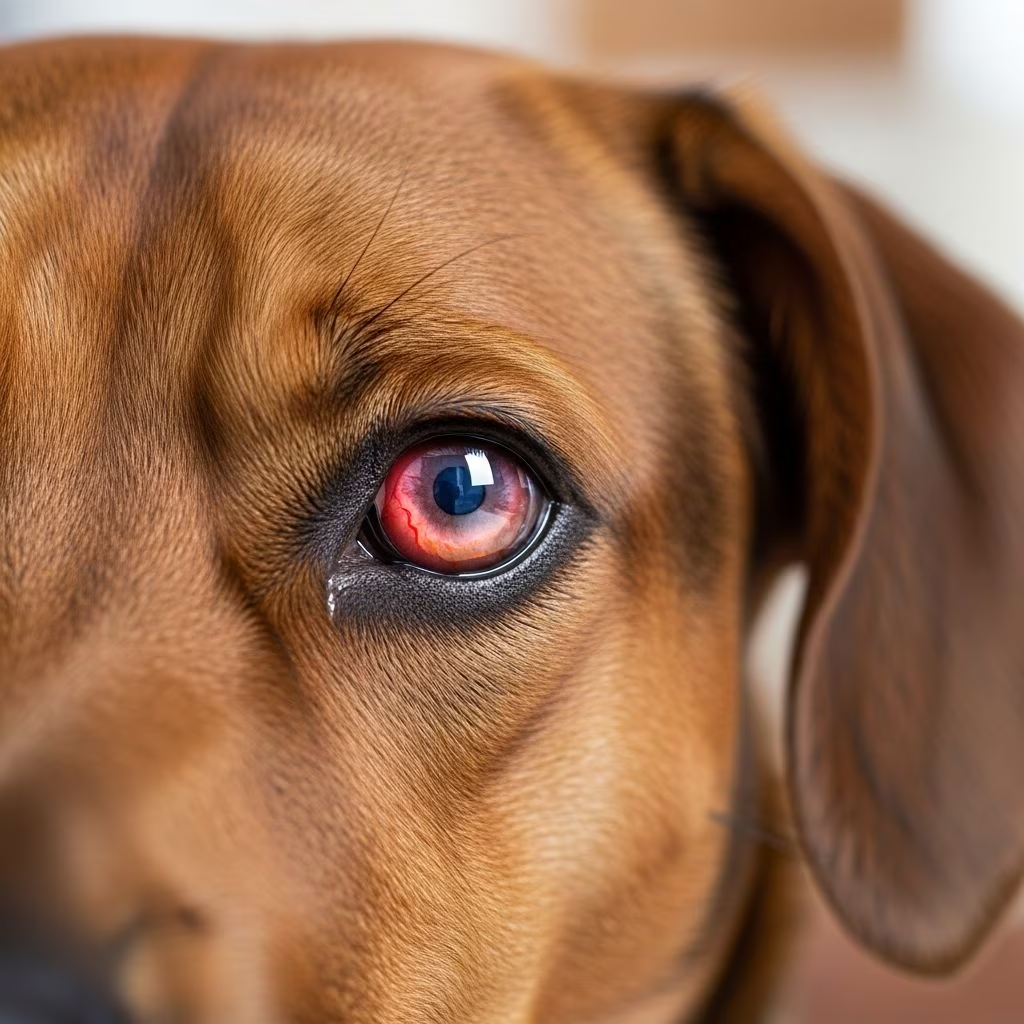
Conjunctivitis, often called pink eye in dogs, inflames the thin membrane covering the eyeball and inner eyelids, leading to discomfort and potential vision threats if ignored. While many cases resolve with prompt care, certain symptoms signal an emergency requiring immediate veterinary intervention to prevent complications like corneal damage or blindness.
Recognizing the Signs of Canine Conjunctivitis
Dogs with conjunctivitis show clear visible changes in their eyes, making early detection straightforward for attentive owners. Key indicators include pronounced redness around the eye whites, excessive tearing or thick discharge ranging from clear to yellow-green, and frequent pawing or rubbing at the affected area as the dog tries to relieve irritation.
- Redness and swelling: Blood vessels in the conjunctiva become prominent, giving a pink or red hue, often with puffiness around the eyelids.
- Discharge buildup: Watery fluid in mild cases escalates to pus-like mucus in infections, sometimes crusting the eyes shut overnight.
- Squinting or blinking excess: Pain or light sensitivity (photophobia) causes the dog to partially close the eye or avoid bright areas.
- Cloudy appearance: The normally clear eye surface may look hazy due to inflammation or secondary issues.
These symptoms can affect one or both eyes, with unilateral cases often pointing to trauma or foreign objects while bilateral suggests systemic causes like allergies.
Common Triggers Behind Your Dog’s Eye Irritation
Understanding the root cause guides effective treatment, as conjunctivitis rarely stands alone. Infections top the list, with bacteria like Staphylococcus or viruses causing direct assault on eye tissues, while allergies to pollen, dust, or smoke provoke immune responses leading to chronic flare-ups.
| Cause Category | Description | Common Examples |
|---|---|---|
| Infectious | Bacterial or viral pathogens invade the eye surface. | Staph bacteria, canine distemper virus remnants. |
| Allergic | Environmental allergens trigger histamine release. | Pollen, household dust, seasonal grasses. |
| Traumatic | Physical injury scratches or abrades the conjunctiva. | Foreign debris, scratches from play, chemical exposure. |
| Structural | Underlying anatomical flaws block normal function. | Dry eye (KCS), eyelid abnormalities (entropion), blocked tear ducts. |
| Neoplastic | Rare tumors affect eye tissues. | Mast cell tumors, lymphosarcoma. |
Trauma from dust, sand, or rough play often self-resolves but risks secondary infections without care. Breeds with prominent eyes like Pugs or short-nosed dogs (brachycephalics) face higher risks due to exposure.
Diagnostic Steps at the Vet Clinic
Veterinarians employ targeted exams to pinpoint causes beyond surface symptoms. A thorough ocular assessment under magnification reveals subtle issues like ulcers or foreign bodies, supplemented by specific tests for precision.
- Schirmer tear test: Measures tear production; low values confirm dry eye syndrome contributing to irritation.
- Fluorescein staining: Green dye highlights corneal scratches or ulcers under blue light, critical for ruling out deeper damage.
- Tonometry: Gauges intraocular pressure to detect glaucoma, which can mimic or complicate conjunctivitis.
- Cytology swabs: Samples discharge for microscopic analysis to identify bacteria, viruses, or inflammatory cells.
Advanced imaging or biopsies probe chronic or suspicious cases, ensuring treatments target the true culprit rather than symptoms alone.
Tailored Treatment Strategies for Fast Relief
Treatment hinges on diagnosis, with most protocols combining topical and supportive therapies for 7-10 day resolutions in uncomplicated cases. Bacterial infections demand antibiotic ointments like those containing neomycin, polymyxin, and dexamethasone, applied 2-4 times daily.
For allergic reactions, antihistamines such as hydroxyzine or apoquel reduce itching, while immune-modulators like cyclosporine or tacrolimus offer long-term control for dry eye or autoimmune flares, safer than prolonged steroids.
- Topical antibiotics: Terramycin or Neo-Poly-Dex for infections; avoid steroids if ulcers present.
- Lubricants and flushes: Artificial tears or saline rinses soothe and cleanse, especially post-walks in irritant-heavy environments.
- Systemic options: Oral Clavamox for resistant bacteria or meloxicam for pain in severe swelling.
- Surgical interventions: Rare but necessary for entropion correction, tumor removal, or blocked duct flushing.
Owners must use Elizabethan collars (e-collars) to curb self-trauma, administering meds gently to minimize stress. Compliance accelerates healing and prevents recurrences.
Navigating Recovery and Preventing Recurrence
Expect improvement within days, full clarity in 1-2 weeks for mild cases, though chronic conditions like allergies may need lifelong management. Monitor for worsening redness, vision loss, or behavioral changes signaling complications.
Prevention focuses on hygiene: regular face wipes for wrinkle-prone breeds, allergen avoidance via air filters, and prompt debris removal. Annual eye exams catch predispositions early, especially in at-risk seniors or breeds.
When to Treat Dog Pink Eye as a Medical Emergency
Not all conjunctivitis episodes warrant panic, but rapid escalation demands urgent care. Rush to the vet if eyes cloud over, pupils dilate unevenly, the dog yelps in pain, or discharge turns bloody—signs of ulcers, glaucoma, or deep infections threatening sight.
Both eyes severely affected or symptoms persisting beyond 48 hours despite home care also flag emergencies, as delays risk permanent scarring. Puppies, seniors, or immunocompromised dogs face amplified risks, making hesitation unwise.
Home Care Tips While Awaiting Vet Visit
Until professional help, gently flush eyes with sterile saline (avoid tap water), apply cool compresses to ease swelling, and prevent rubbing with a clean sock cone if no e-collar available. Skip over-the-counter human drops, as they can harm canine corneas.
Frequently Asked Questions About Dog Conjunctivitis
Can dog pink eye resolve without treatment?
Mild allergic or traumatic cases might self-limit, but infections often worsen, risking vision loss. Vet evaluation ensures safe recovery.
Is canine conjunctivitis contagious to humans?
Rarely; bacterial strains differ, though hygiene prevents cross-spread in multi-pet homes.
How long does treatment typically last?
7-10 days for acute cases; chronic management may extend months with follow-ups.
What breeds are prone to eye issues like this?
Brachycephalics (Bulldogs, Shih Tzus), those with shallow sockets, or tear duct flaws.
Can diet influence conjunctivitis flare-ups?
Omega-3 supplements aid inflammation in allergic dogs; consult vets for tailored advice.
This comprehensive guide empowers owners to act decisively on canine conjunctivitis, safeguarding eye health through vigilance and informed care. Always prioritize professional veterinary input for your dog’s unique needs.
References
- Conjunctivitis in Dogs: Symptoms and Treatment — PetMD. 2023. https://www.petmd.com/dog/condition/eyes/conjunctivitis-in-dogs
- Eyes on Fire: Managing Conjunctivitis in Dogs — University of Illinois College of Veterinary Medicine. 2020-05-15. https://vetmed.illinois.edu/2020/05/15/eyes-on-fire-managing-conjunctivitis-in-dogs/
- Diagnosing, Treating, and Managing Causes of Conjunctivitis in Dogs and Cats — Today’s Veterinary Practice. N/A. https://todaysveterinarypractice.com/ophthalmology/conjunctivitis-in-dogs-and-cats/
- How to spot and treat conjunctivitis in dogs — Blue Cross. N/A. https://www.bluecross.org.uk/advice/dog/health-and-injuries/conjunctivitis-in-dogs
- Causes & Treatments for Conjunctivitis in Dogs — Greensboro Carolina Veterinary Specialists. 2020-07-24. https://www.greensboro.carolinavet.com/site/greensboro-specialty-veterinary-blog/2020/07/24/causes–treatments-for-conjunctivitis-in-dogs
- Conjunctivitis in Dogs — UrgentVet. N/A. https://urgentvet.com/conjunctivitis-in-dogs/
- Conjunctivitis in Dogs — VCA Animal Hospitals. N/A. https://vcahospitals.com/know-your-pet/conjunctivitis-in-dogs



