

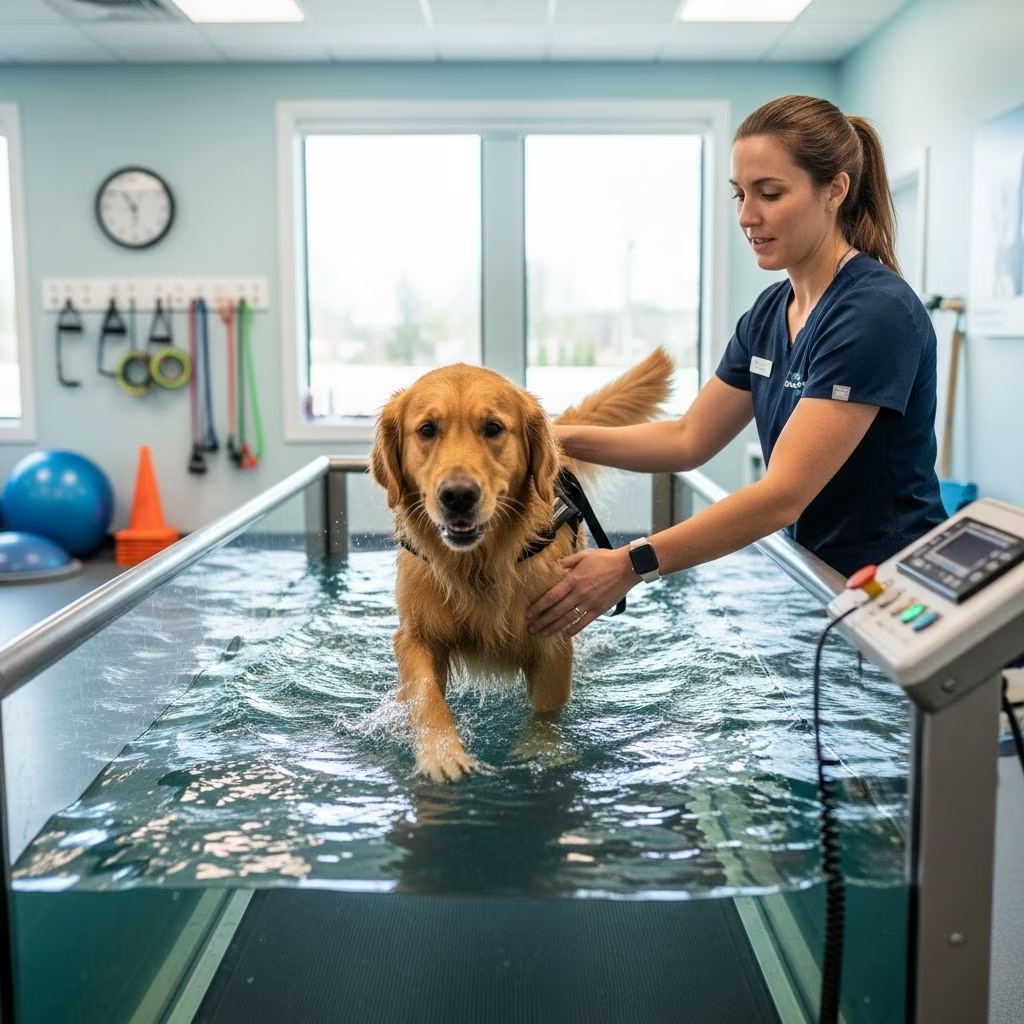
Dog physical therapy, also known as canine rehabilitation, is a specialized treatment designed to improve mobility, reduce pain, and enhance overall function in dogs recovering from injuries, surgeries, or chronic conditions. This non-invasive approach uses targeted exercises, modalities, and professional guidance to help dogs regain strength and quality of life.
What is Dog Physical Therapy?
Dog physical therapy involves a range of therapeutic techniques tailored to address musculoskeletal, neurological, and post-surgical issues in canines. The primary goals are to restore normal movement, prevent further injury, alleviate pain, and promote faster healing. Unlike general exercise, physical therapy is structured and progressive, often starting with gentle interventions like passive range of motion (PROM) and advancing to active strengthening.
Certified canine rehabilitation therapists, typically veterinarians or veterinary technicians with specialized training, create individualized plans based on the dog’s age, breed, condition, and progress. These plans incorporate owner education to ensure consistency at home, making it a collaborative effort between professionals and pet parents.
Benefits of Physical Therapy for Dogs
Physical therapy offers multifaceted benefits that extend beyond immediate recovery:
- Improved Mobility and Strength: Targeted exercises rebuild atrophied muscles and enhance joint function, crucial after surgeries like TPLO or cruciate ligament repairs.
- Pain Reduction: Modalities like laser therapy and underwater treadmill reduce inflammation and joint stress without medications.
- Faster Recovery: Structured rehab shortens healing time by promoting circulation and preventing stiffness.
- Enhanced Balance and Coordination: Exercises like weight-shifting retrain neural pathways, lowering reinjury risk.
- Better Quality of Life: Especially for senior dogs or those with arthritis, therapy maintains independence and comfort.
Studies and clinical experience show dogs undergoing rehab often return to normal activity levels 20-50% faster than those relying on rest alone.
When Does Your Dog Need Physical Therapy?
Consider physical therapy if your dog shows signs of mobility issues, such as limping, reluctance to jump, muscle wasting, or difficulty rising. Common indications include:
- Post-surgical recovery (e.g., ACL repairs, FHO, fracture fixes).
- Arthritis or degenerative joint disease.
- Neurological conditions like intervertebral disc disease.
- Sports injuries in working or agility dogs.
- Obesity-related mobility decline.
Early intervention is key—consult a vet immediately if symptoms persist beyond 48 hours. A professional assessment determines if rehab is appropriate.
Types of Dog Physical Therapy
Canine rehab employs diverse modalities customized to the dog’s needs. Here’s an overview:
Hydrotherapy
Hydrotherapy uses water’s buoyancy to support weight-bearing exercise with minimal joint impact. Underwater treadmills allow controlled walking, building muscle while reducing strain—ideal for post-op or arthritic dogs. Swimming pools provide low-impact cardio.
Manual Therapy and Passive Range of Motion (PROM)
Therapists gently flex and extend joints to maintain flexibility, prevent contractures, and improve circulation. For example, after an FHO surgery, PROM ensures the hip joint doesn’t stiffen.
Therapeutic Exercises
Active exercises progress from basic weight-shifting to advanced coordination drills, tailored by recovery stage.
Other Modalities
- Laser Therapy: Low-level lasers reduce inflammation and promote tissue healing.
- Electrical Stimulation (TENS/NMES): Stimulates muscles to prevent atrophy.
- Acupuncture: Targets pain and musculoskeletal issues.
- Ultrasound and Thermotherapy: Increases blood flow and relaxes tissues.
Physical Therapy Exercises for Dogs
Exercises form the core of rehab, progressing from passive to active. Always vet-approved to avoid injury.
Passive Range of Motion (PROM)
Lie your dog on their side with the affected leg up. Cradle the limb and slowly cycle the joint through flexion and extension until slight resistance. Hold 5 seconds, 10 reps, 2-3x daily. Stop if painful.
Weight-Shifting
With dog standing squarely, gently rock hips side-to-side or forward-back to encourage weight on the healing leg. Hold 2-5 seconds, 10 reps.
Sit-to-Stand Transitions
Prompt precise sits (rear legs forward, no rocking) and stands. Builds hindquarter strength; 10 reps, 2x daily.
Advanced Coordination Exercises
- Figure-Eights: Walk around cones to improve flexibility.
- Backward Walking: Encourages rear leg engagement.
- Three-Legged Stands: Lift healthy leg briefly to load the injured one.
- Cavalettis: Low poles for stepping practice.
- Uneven Surfaces: Mattress or cushions for balance.
Sample Recovery Timeline Table
| Weeks Post-Surgery | Exercises | Goals | Frequency |
|---|---|---|---|
| Weeks 1-2 | PROM, Static Stretching | Prevent stiffness, circulation | Daily, 10-15 mins |
| Weeks 3-4 | Assisted Weight-Shifting, Short Walks (5 min) | Re-engage muscles | 2-3x daily |
| Weeks 5-6 | Sit-to-Stands, Leash Walks (10-15 min) | Build strength, balance | 2x daily |
| Weeks 7-8 | Incline Walking, Cavalettis | Increase endurance | 2-3x weekly |
Adjust per vet guidance.
At-Home Physical Therapy for Dogs
Owner involvement is crucial. Create a non-slip space, use treats for positivity, and track progress. Start slow, monitor for pain (tensing, whining). Combine with professional sessions for best results.
- Use harnesses for support.
- Incorporate stairs or inclines gradually.
- Make sessions fun with toys.
Finding a Canine Physical Therapist
Seek certified professionals via the American College of Veterinary Sports Medicine and Rehabilitation or directories like the Canine Rehab Institute. Look for facilities with underwater treadmills and experienced staff.
Initial evaluations cost $100-250; sessions $75-150. Insurance may cover.
Frequently Asked Questions (FAQs)
Q: How often should my dog do physical therapy exercises?
A: Typically 2-3 times daily for 10-15 minutes, per vet plan. Consistency beats intensity.
Q: Is hydrotherapy safe for all dogs?
A: Yes for most, but consult vet for open wounds or respiratory issues.
Q: Can I do dog PT without a professional?
A: Basic exercises yes, but professional oversight prevents harm.
Q: How long does recovery take with PT?
A: 4-12 weeks, depending on injury; PT accelerates it.
Q: What if my dog refuses exercises?
A: Use high-value treats, keep sessions short, and build trust.
References
- A Guide to Canine Physical Therapy Exercises at Home — Simon Veterinary Surgical. Accessed 2026. https://www.simonvetsurgical.com/news/canine-physical-therapy-exercises
- The Ultimate Guide to Canine Rehabilitation — EyesOn Content. Accessed 2026. https://f.hubspotusercontent00.net/hubfs/1984001/EyesOn%20Content/NGPT_Ebook_Canine.pdf
- Rehabilitation Therapy — Michigan State University College of Veterinary Medicine. Accessed 2026. https://cvm.msu.edu/scs/research-initiatives/golpp/rehabilitation-therapy
- Dog Physical Therapy: Everything a Pet Parent Should Know — PetMD. Accessed 2026. https://www.petmd.com/dog/general-health/dog-physical-therapy
- Introduction to Canine Rehabilitation — Physiopedia. Accessed 2026. https://www.physio-pedia.com/Introduction_to_Canine_Rehabilitation



