

Dog Physical Therapy Exercises You Can Do at Home
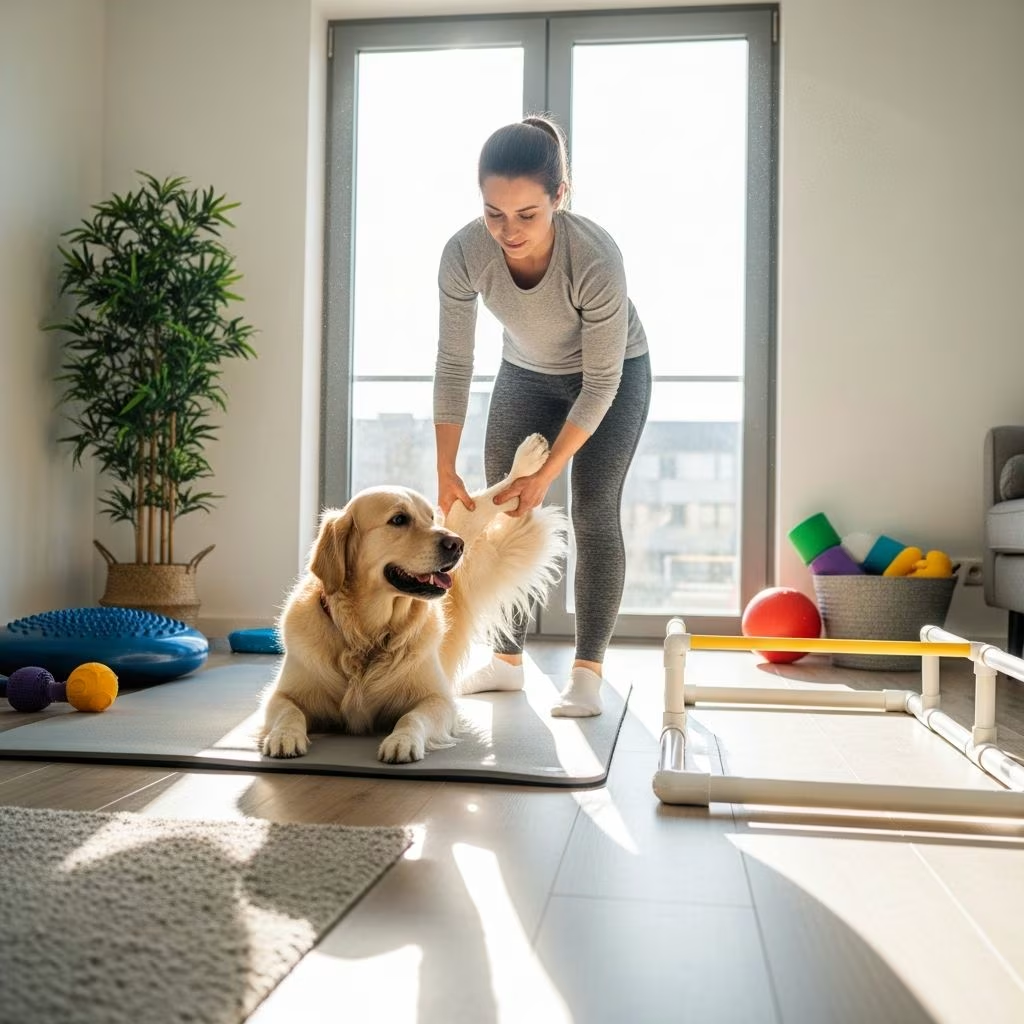
Physical therapy for dogs is a proven and effective method to relieve pain, restore mobility, and help your furry companion regain strength and balance following an injury or surgical procedure. Whether your dog is recovering from an ACL injury, surgery, or age-related mobility issues, at-home physical therapy exercises can play a crucial role in their rehabilitation journey. Many pet owners assume that physical therapy requires specialized equipment and professional facilities, but the truth is that several safe and beneficial exercises can be performed right in the comfort of your own home.
Before beginning any physical therapy program, it is essential to consult with your veterinarian and a certified canine rehabilitation therapist to ensure that the exercises are appropriate for your dog’s specific condition and recovery stage. Your veterinary professional can assess your dog’s current health status, identify any limitations, and recommend exercises that will be most beneficial for their particular needs.
Benefits of At-Home Physical Therapy for Dogs
At-home physical therapy offers numerous advantages for dogs in recovery. These exercises promote better mobility and flexibility, allowing your dog to move more comfortably and with reduced pain. Strength training through targeted exercises helps rebuild weak muscles that may have atrophied due to injury or illness. Additionally, regular physical therapy can improve your dog’s balance and coordination, reduce stress and anxiety associated with injury, and accelerate the overall recovery process.
Perhaps most importantly, performing these exercises at home allows your dog to progress at their own pace in a familiar, comfortable environment. This reduces stress and makes rehabilitation more enjoyable for both you and your pet.
Essential At-Home Dog Physical Therapy Exercises
1. Massage Therapy
One of the most accessible and beneficial physical therapy techniques you can offer your dog at home is therapeutic massage. Dogs respond wonderfully to gentle massage, which offers significant healing benefits when performed correctly. When you massage injured or affected body parts using proper techniques, it can substantially reduce pain and decrease swelling in the affected areas.
Massage works by stimulating muscles and increasing blood circulation throughout the body, which promotes faster healing and nutrient delivery to damaged tissues. Beyond the physical benefits, massage also helps ease anxiety and stress that often accompanies injury or chronic conditions like canine ACL injuries. The key to effective massage therapy is using gentle, controlled pressure—excessive force can aggravate pain and cause further discomfort. Consult with your veterinarian or physical therapist to learn the proper massage techniques specific to your dog’s condition.
2. Hind Leg Stands
Hind leg stands are fundamental exercises in canine physical therapy and are particularly effective for strengthening the hind legs. This exercise involves supporting your dog’s front legs while encouraging them to stand upright on their hind legs. Start by observing how long your dog can maintain this position comfortably, then gradually increase the duration as their strength improves.
Hind leg stands are excellent for building strength in the posterior chain while simultaneously improving core stability. With consistent practice, this exercise significantly benefits your dog’s overall recovery. To make this exercise more engaging and rewarding, utilize lure-reward training techniques by holding your dog’s favorite treat or toy above them, encouraging them to reach upward while balancing on their hind legs. This combines physical conditioning with mental stimulation and positive reinforcement.
3. Sit-to-Stand Exercises
The sit-to-stand exercise is an excellent way to work your dog’s quadriceps and hamstring muscles while also engaging the core. This exercise mimics natural movements your dog performs daily, making it practical and functional for rehabilitation. To perform this exercise, have your dog sit in front of you, then use a treat to lure them into standing and walking toward you slightly. Then guide them back into a sitting position and repeat.
Start with five to ten repetitions and gradually increase as your dog becomes stronger. You can make this exercise more challenging by performing sit-to-stands on different surfaces, such as grass, carpet, or slightly inclined ground. This variation helps engage different muscle groups and improves proprioception and balance.
4. Assisted Leash Walks
Controlled leash walking is one of the most important exercises for accelerating your dog’s recovery process. After an injury or surgery, dogs often experience muscle atrophy—the wasting away of muscle tissue due to decreased activity. Slow, controlled leash walking helps prevent this muscle loss while gradually encouraging your dog to bear more weight on their hind legs.
When performing assisted leash walks, use a properly fitted chest harness or non-stretching leash that gives you good control over your dog’s pace and movement. Start with short, slow-paced walks and gradually increase distance and duration as your dog’s strength and confidence improve. These walks should be deliberate and controlled rather than casual strolls, allowing your dog to focus on proper weight distribution and movement patterns.
5. Heads Up Exercise
The heads up exercise targets head and neck mobility, which is often overlooked but important for overall function and proprioception. This treat-based exercise requires you to hold a treat or toy above your dog’s head, prompting them to lift their head and track the object. Hold this position for approximately ten seconds, allowing your dog to practice extending their neck muscles.
Next, move the treat below their head level to encourage downward extension. Perform ten to fifteen repetitions in each direction, including left and right movements, to ensure comprehensive neck mobility in all planes of motion. This exercise improves your dog’s ability to move their head through a full range of motion and enhances their spatial awareness and balance.
6. Stair Climbing
Stairs present an excellent natural tool for canine physical therapy and are available in most homes. Walking up and down stairs in a controlled, slow-paced manner helps your dog regain muscle strength, rebuild stamina, and restore confidence in their physical abilities. Stairs naturally require significant engagement of the hind leg muscles and core stabilizers.
When introducing stair climbing, begin with just a few steps at a time, allowing your dog to take one stair at a time slowly and steadily without hopping or rushing. Ensure your dog maintains proper form and posture throughout the exercise. As they grow stronger and more confident, gradually increase the number of stairs they climb. Always supervise stair climbing to prevent falls or injuries, and never force your dog to climb more than they’re comfortable with.
Advanced At-Home Physical Therapy Techniques
Weight Shifting Exercises
Weight shifting involves encouraging your dog to shift their body weight from side to side while standing on all four legs. This exercise improves proprioception and balance while strengthening stabilizer muscles. You can facilitate weight shifting by gently guiding your dog’s body or using treats to encourage them to lean toward one side.
Dancing
Dancing takes the hind leg stand exercise to the next level and offers significant benefits for core strength, limb strength, and range of motion. Start with your dog performing a hind leg stand with your support, holding this position for ten to fifteen seconds. Once they’re ready, begin gently walking their front legs forward and backward while they remain balanced on their hind legs. Maintain their spine in a neutral position throughout the exercise to prevent strain.
Cookie Stretch
This exercise involves using a treat to lure your dog to stretch to different parts of their body. Have your dog stand on all fours on a flat surface, then use a treat to encourage them to follow it to their shoulders, mid-section, hips, and front and rear paws. Your dog should remain standing while stretching to each position, practicing controlled flexibility and range of motion.
Balance and Proprioception Work
Balance discs, BOSU balls, and yoga balls can provide proprioceptive input and stimulate supporting limb muscles. When your dog stands on an inflated ball with both front and rear handlers providing support, gentle up-and-down bouncing motions provide vestibular and proprioceptive stimulation that enhances muscle activation and balance.
Creating an Effective Home Exercise Program
Assessment and Planning
Before starting any physical therapy program, have your veterinarian perform a thorough assessment of your dog’s condition. This assessment should identify specific weaknesses, pain points, and movement restrictions. Based on this evaluation, your vet or certified rehabilitation therapist can recommend specific exercises tailored to your dog’s needs and recovery stage.
Frequency and Duration
Most at-home physical therapy programs involve performing exercises several times per week, with rest days between sessions to allow for recovery. Your veterinarian will provide specific guidance on appropriate frequency and duration based on your dog’s individual circumstances. Starting conservatively and gradually increasing intensity prevents overuse injuries and allows your dog to adapt to the exercises safely.
Monitoring Progress
Keep detailed records of your dog’s exercises, including which exercises were performed, how many repetitions were completed, and any observations about your dog’s response and energy levels. Over time, you should notice improvements in your dog’s mobility, strength, and confidence. Share these observations with your veterinarian during follow-up visits to ensure the program remains appropriate and effective.
Important Safety Considerations
Safety should always be your top priority when performing physical therapy exercises with your dog. Never attempt any exercises without first consulting your veterinarian. Some exercises may be contraindicated for specific conditions or recovery stages. Watch for signs of pain, limping, or reluctance to perform exercises, as these indicate you should stop and contact your veterinarian.
Always ensure your dog has adequate warm-up time before beginning exercises and allow proper cool-down periods afterward. Use appropriate support equipment such as harnesses and leashes to prevent falls or injuries. Finally, never push your dog beyond their comfort level—physical therapy should be gradual and progressive.
Frequently Asked Questions
Q: When can I start physical therapy exercises after my dog’s surgery?
A: The timing for beginning physical therapy depends on the type of surgery and your dog’s individual recovery. Always consult with your veterinarian before starting any exercises, typically waiting until initial healing has occurred and sutures are removed.
Q: How often should I perform these exercises with my dog?
A: Most physical therapy programs involve performing exercises several times per week. Your veterinarian will provide specific recommendations based on your dog’s condition and recovery stage.
Q: Can senior dogs benefit from these physical therapy exercises?
A: Yes, senior dogs can greatly benefit from physical therapy exercises, which can help maintain mobility, reduce arthritis pain, and improve quality of life. Modified, gentler versions of these exercises are often appropriate for older dogs.
Q: What should I do if my dog seems to be in pain during an exercise?
A: Stop the exercise immediately and contact your veterinarian. Pain indicates that the exercise may be inappropriate, performed incorrectly, or that your dog isn’t ready for that particular activity.
Q: Are there any exercises I should avoid?
A: Some exercises may be contraindicated for specific conditions. Always follow your veterinarian’s recommendations regarding which exercises are safe and appropriate for your dog’s particular situation.
Q: Can I combine physical therapy with other treatments?
A: Yes, physical therapy often works best as part of a comprehensive rehabilitation plan that may include medications, supplements, and other modalities. Discuss all treatment options with your veterinarian.
Q: How long until I see improvements in my dog’s mobility?
A: Improvements vary depending on the severity of your dog’s condition and consistency with the exercise program. Many dogs show noticeable improvements within two to four weeks of regular, appropriate exercise.
References
- 6 Physical Therapy Exercises for Dogs You Can Do at Home — Salt Lake Animal Physical Therapy. Accessed November 2025. https://saltlakeanimalphysicaltherapy.com/6-physical-therapy-exercises-for-dogs-you-can-do-at-home/
- Canine Physical Therapy Exercises You Can Do at Home — TPLO Info. Accessed November 2025. https://tploinfo.com/blog/canine-physical-therapy-exercises-you-can-do-at-home/
- At-Home Rehab Exercises for Dog Hindlimbs — WoofDoctor on Wheels. Accessed November 2025. https://www.woofdoctor.vet/hindlimb-exercises/
- Physical Therapy Exercises To Strengthen Dog Mobility — The Melrose Vet. Accessed November 2025. https://themelrosevet.com/blog/1091773-physical-therapy-exercises-to-strengthen-dog-mobility
- Rehabilitation Therapy — College of Veterinary Medicine at Michigan State University. Accessed November 2025. https://cvm.msu.edu/scs/research-initiatives/golpp/rehabilitation-therapy



