

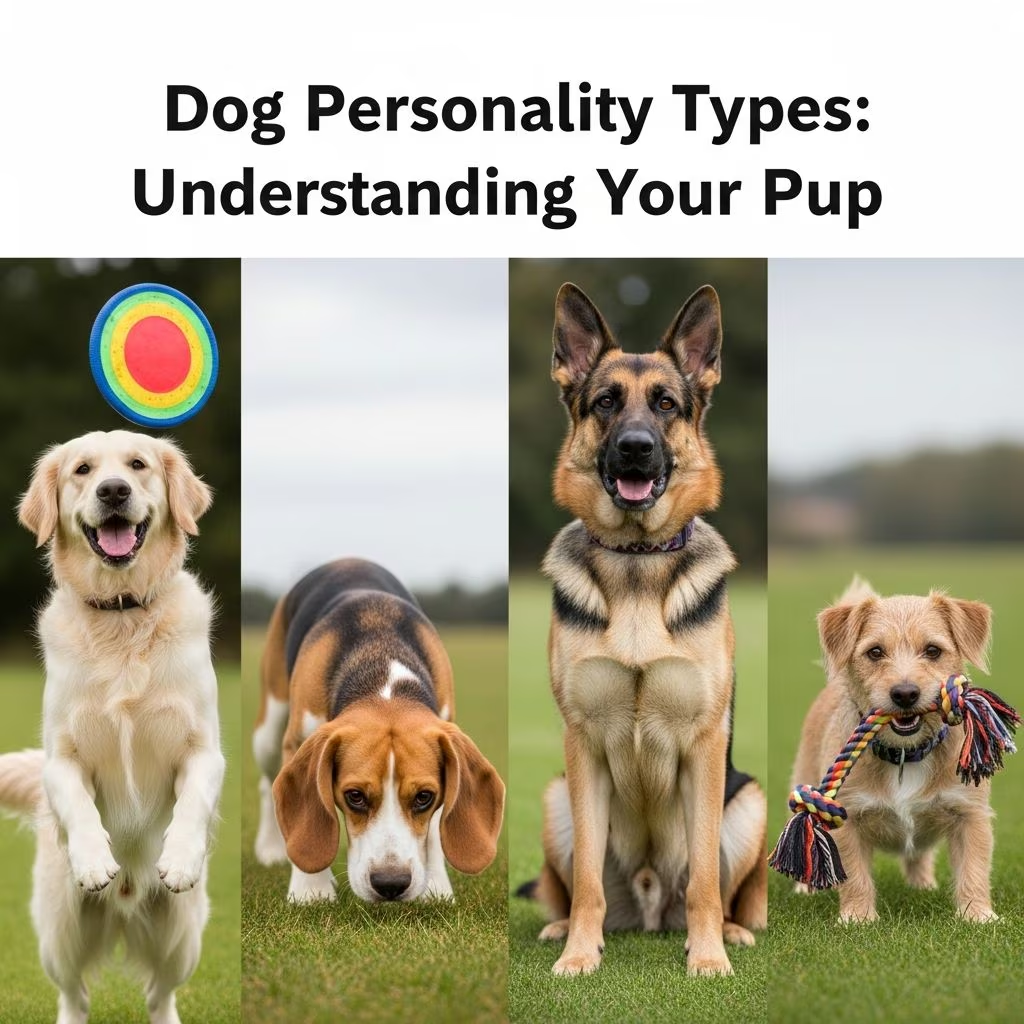
Just like people, dogs have distinct personalities that shape how they react to the world, learn new skills, and bond with their humans. Some pups are always ready to party, some are cautious observers, and others take life in stride with a calm, go-with-the-flow attitude. Understanding your dog’s personality helps you set realistic expectations, choose the right training approach, and build a stronger, safer relationship.
Recent research using large behavioral databases and modern analytics has identified five broad personality types in dogs: excitable/hyper-attached, anxious/fearful, aloof/predatory, reactive/assertive, and calm/agreeable. These categories do not replace your dog’s individuality, but they offer a helpful framework for understanding common behavior patterns.
What Is a Dog’s Personality?
A dog’s personality is the relatively stable pattern of their emotions, reactions, and behaviors over time. It is not just a single trait, like energy level, but a blend of many tendencies, such as:
- How quickly they become excited or aroused
- How they respond to unfamiliar people, animals, and places
- How attached they are to their humans
- How they cope with stress, change, or frustration
- Whether they tend to approach or avoid new experiences
Studies in canine behavior show that personality traits in dogs can be measured and show meaningful consistency, although they are influenced over time by learning and environment. Personality is one piece of the puzzle, alongside health, training history, genetics, and daily routine.
How Scientists Identified Dog Personality Types
Researchers have collected behavior data from tens of thousands of companion dogs, often through detailed questionnaires completed by caregivers and behavior professionals. These surveys ask about:
- Reactions to visitors entering the home
- Responses when the caregiver leaves or returns
- How the dog behaves around other dogs and animals
- Fear of noises, objects, or situations
- Signs of aggression, frustration, or predation
Using statistical methods to find patterns in this data, one large project found that dogs tended to cluster into five personality types based on how strongly they showed certain traits. These types are not diagnoses; they are descriptive patterns that can guide practical decisions about training, enrichment, and safety.
Overview: The 5 Main Dog Personality Types
| Personality Type | Key Traits | Typical Challenges | Best Human Match |
|---|---|---|---|
| Excitable / Hyper-attached | High energy, very social, clingy, intense FOMO | Over-arousal, difficulty settling, separation-related issues | Active, patient people who enjoy constant companionship |
| Anxious / Fearful | Worried, sensitive, easily startled, prone to stress | Fear-based behavior, withdrawal, or defensiveness | Calm, consistent caregivers dedicated to gentle training |
| Aloof / Predatory | Independent, self-directed, strong chase and hunting drive | Recall issues, interest in wildlife, harder to motivate | Experienced handlers who value independence and safety planning |
| Reactive / Assertive | Quick to respond, intense, may use aggression in conflict | Reactivity to people, dogs, or handling; potential safety risks | Confident, structured homes committed to behavior support |
| Calm / Agreeable | Easygoing, adaptable, friendly, steady | May be overlooked or under-stimulated | Most households, including many first-time dog parents |
Personality Type: Excitable / Hyper-attached
Dogs in this group are the life of the party—and sometimes, the chaos. They show high levels of excitability, intense attachment, and a strong desire to be involved in everything their humans are doing.
Common signs include:
- Getting excited very quickly and taking a long time to calm down
- Following you from room to room, including the bathroom
- Struggling when left alone, vocalizing or pacing
- Jumping up on people, grabbing toys or leashes, and being always on
These dogs thrive with people who can provide:
- Plenty of daily exercise and structured play
- Clear, consistent routines to reduce overstimulation
- Training focused on calm behaviors and impulse control
- Gradual practice with alone time to prevent or manage separation issues
Because excitable dogs are often very social, they can make wonderful companions when their energy and attachment needs are recognized and thoughtfully channeled.
Personality Type: Anxious / Fearful
Anxious or fearful dogs experience the world as a more unpredictable and sometimes frightening place. They may be genetically more sensitive or may have had stressful or traumatic experiences in the past that shaped their responses.
Typical characteristics include:
- Easily startled by sudden sounds or movements
- Hesitation or avoidance around unfamiliar people or dogs
- Body language such as tucked tails, lowered posture, or lip licking
- Clinginess with their caregiver, especially in new environments
- Intervening, whining, or jumping up when their person interacts with another animal
These dogs benefit from:
- A very predictable, low-conflict home routine
- Positive-reinforcement training that never uses intimidation or pain
- Slow, carefully managed exposure to new experiences with lots of choice and distance
- Veterinary input if anxiety is significantly impacting quality of life
Research on attachment and dog–human relationships suggests that calm, supportive, and consistent human behavior strengthens the bond and can improve how fearful dogs cope with stress over time.
Personality Type: Aloof / Predatory
Dogs described as aloof/predatory are often independent, self-motivated, and deeply interested in hunting or chasing. They usually show:
- Lower attachment and less attention-seeking toward their humans
- High levels of predatory behavior directed at wildlife or moving objects
- Potential aggression toward other dogs in some contexts
- A tendency to disengage from their person and go off exploring or hunting
They can give the impression that they are not listening, but in reality they may be weighing their options and choosing what is most rewarding or instinctively compelling to them. With careful management, they can still be deeply rewarding companions.
Helpful strategies for this type include:
- Secure fencing and thoughtful use of long lines in open areas
- Highly motivating rewards to compete with environmental distractions
- Games and enrichment that safely tap into their hunting and searching instincts
- Professional guidance if they show concerning aggression toward other animals
Personality Type: Reactive / Assertive
Reactive or assertive dogs have a low threshold for responding intensely to triggers. Their behavior may include growling, barking, lunging, or snapping, and they can show aggression in multiple situations, including toward family members.
Common triggers:
- Other dogs or people approaching, especially quickly or closely
- Being scolded, shouted at, or handled roughly
- Sudden loud noises (for example, vacuum cleaners, dropped objects)
- Resource conflicts over food, toys, or resting spots
These dogs often feel unsafe or frustrated, even if their behavior looks bold from the outside. Early, evidence-based intervention is important both for welfare and safety. Helpful approaches include:
- Working with a qualified behavior professional who uses humane, reward-based methods
- Creating predictable routines and avoiding known triggers when possible
- Teaching alternative behaviors (such as turning away or checking in with the handler) in place of reactive responses
- Never using punishment that increases fear or conflict
Research on dog–human relationships indicates that owner traits and handling style can influence the development and expression of reactive behaviors, which underscores the value of calm, consistent, and supportive training.
Personality Type: Calm / Agreeable
Calm and agreeable dogs are often the easiest companions. They tend to adapt well to change, handle stress gracefully, and get along with a wide range of people and animals.
Typical features include:
- Lower tendency to chase wildlife, birds, or cats
- Quicker to pick up new cues or tasks
- Comfortable with routine changes and new environments
- Generally friendly and tolerant in social situations
Because life with them can feel relatively effortless, these dogs are sometimes under-stimulated. They still need:
- Daily mental enrichment and physical exercise
- Ongoing training to keep their brains engaged
- Social interaction and play tailored to their preferences
Calm, agreeable dogs are often described as being “worth their weight in gold,” especially for families or first-time dog caregivers who are prepared to meet their needs.
What Shapes a Dog’s Personality?
Personality is not fate. It arises from the interaction of multiple factors over time:
- Genetics: Some personality traits, such as fearfulness or sociability, show heritable components in dogs.
- Early life experiences: Prenatal stress, early handling, and socialization during the first months of life have lasting effects on behavior.
- Training and environment: Reward-based training, enrichment, and predictable routines support more stable, confident behavior.
- Human personality and handling style: Research indicates that guardian traits, especially emotional stability and calmness, are associated with more secure, resilient dogs.
Large studies have found correlations between human traits, such as neuroticism or anxiety, and dogs showing more aggression or stress behaviors, suggesting that how we manage our own emotions and routines matters for our dogs.
Do Dogs Mirror Their Humans’ Personalities?
People often say that dogs and their humans start to resemble each other. Research supports at least a partial truth to this idea. Surveys comparing human and dog behavior show that:
- More confident owners tend to have dogs that are more sociable and secure in novel situations
- Owners who report higher emotional instability are more likely to have dogs that show fear or reactive behavior
- Matching dog and human activity levels and preferences improves satisfaction in the relationship
Dogs are also excellent at reading our tone of voice, body language, and emotional cues, a process known as social referencing. They use our reactions to guide their own behavior around new objects or situations, which means our calm confidence can help them feel safer.
Using Personality Types to Improve Life With Your Dog
Knowing your dog’s personality type is most helpful when it leads to practical changes in how you live and train together. Consider the following applications:
- Training plans: Tailor intensity, pace, and difficulty level to your dog’s temperament. An anxious dog needs slow, confidence-building steps; an excitable dog needs structured breaks and calm behaviors reinforced.
- Environment and routine: Reactive and anxious dogs do better with predictable routines and safe spaces. Aloof or predatory dogs need secure management around wildlife and small animals.
- Activity choices: Excitable or reactive dogs may thrive in sports that channel energy with structure; calm dogs might enjoy scent work or easy-going walks; aloof dogs may love long, controlled hikes with plenty of sniffing.
- Human expectations: Matching what you expect from your dog with who they actually are reduces frustration on both sides and improves the bond.
Behavior researchers emphasize that accounting for both dog and human personalities when forming dog–human pairs can reduce behavioral conflict and increase relationship satisfaction.
Frequently Asked Questions (FAQs)
Q: Can my dog change personality types over time?
A: Core traits often stay relatively stable, but your dog’s behavior can shift with training, environment, age, and health. A highly reactive young dog, for example, may become calmer and more manageable with consistent, reward-based training and a predictable routine.
Q: Is one personality type better than another?
A: No single type is inherently better. Each has strengths and challenges. What matters most is how well the dog’s needs and tendencies match their home environment, caregiver expectations, and lifestyle.
Q: How do I figure out my dog’s personality type?
A: Observe how your dog typically responds across situations—meeting new people, being left alone, encountering other dogs, or hearing loud sounds. Compare these patterns with the descriptions of the five categories. For a more formal assessment, consult a veterinarian or certified behavior professional familiar with structured behavior questionnaires.
Q: Can training completely override my dog’s personality?
A: Training can significantly improve behavior, safety, and coping skills, but it does not erase core temperament. Instead, good training works with your dog’s personality, reducing risks and stress while helping them live more comfortably in a human-centered world.
Q: When should I seek professional help for my dog’s behavior?
A: Seek professional guidance if your dog shows aggression, severe anxiety, frequent reactivity, or sudden behavior changes, or if their behavior is causing safety concerns or distress in your household. Look for professionals who use evidence-based, humane methods and collaborate with your veterinarian to rule out medical causes.
References
- People and Their Dogs Really Do Have Similar Personalities — Kinship / Annenberg PetSpace. 2023-10-12. https://www.kinship.com/pet-behavior/dogs-mirror-humans
- AI Discovers 5 Different Dog Personalities—Which One is Your Pup? — Kinship. 2023-09-20. https://www.kinship.com/dog-behavior/ai-discovers-dog-personalities-news
- Current perspectives on attachment and bonding in the dog–human relationship — Payne E., Bennett P., McGreevy P. Journal of Veterinary Behavior. 2015-03-01. https://pmc.ncbi.nlm.nih.gov/articles/PMC4348122/



