

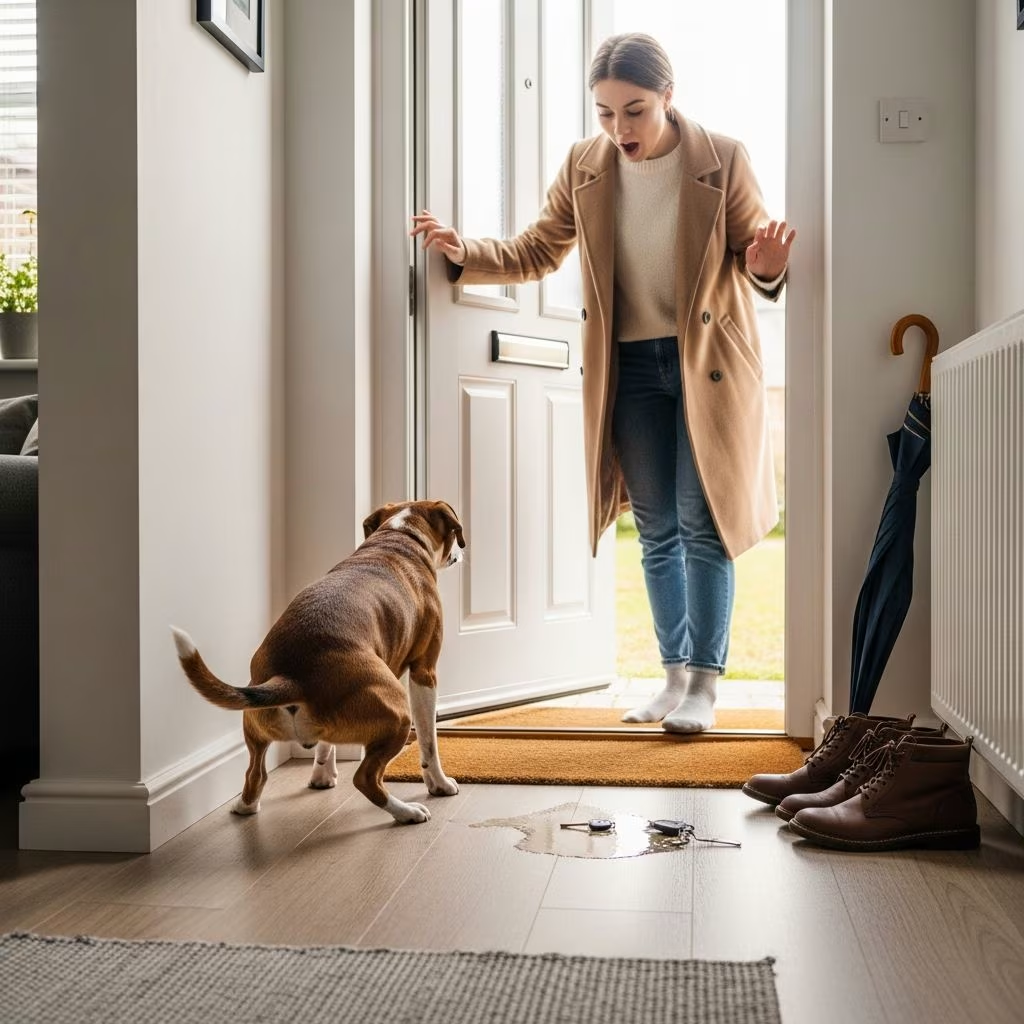
Your dog greeting you with a puddle at the door can be frustrating, but it’s a widespread issue rooted in instinct, emotion, or health. This behavior, often called excitement or submissive urination, happens when dogs lose bladder control during intense emotions upon your arrival. Understanding the triggers allows for targeted solutions, preventing future incidents and strengthening your bond.
Recognizing the Patterns of Greeting Urination
Dogs may release small amounts of urine right as you enter, typically while wagging tails vigorously or crouching low. This differs from full accidents, as it’s involuntary and tied to your presence. Puppies outgrow it naturally, but adults need intervention if persistent. Observe if it pairs with whining, jumping, or hiding—these clues point to emotional origins rather than random mishaps.
Primary Emotional Triggers
Excitement Overload
The most frequent cause is pure joy. Dogs live for reunions, and the surge of happiness overwhelms their bladder sphincter. Young dogs and high-energy breeds like Labradors are prone, peeing in short spurts amid spins and leaps. It’s not defiance; their physiology can’t handle the adrenaline rush.
Submissive Signals
Less confident dogs pee to show deference, mimicking puppy behaviors toward dominant pack members. Triggers include direct eye contact, leaning over them, or raised voices upon entry. They may roll over, tuck tails, or avert gazes alongside the urine, signaling ‘I’m no threat.’ This stems from fear of punishment or hierarchy concerns.
Deeper Issues: Anxiety and Stress
Beyond surface excitement, underlying distress can manifest similarly. Separation anxiety affects dogs left alone, causing panic that leads to loss of control specifically during absences—but spills over into over-the-top greetings. Look for paired signs like destructed furniture or self-injury attempts when you’re gone. Life upheavals, such as moves or routine shifts, exacerbate this, turning mild leaks into habitual problems.
- Sudden schedule changes
- New household members or pets
- Recent boarding or vet stays
- Traumatic solos
Stress from inconsistent training or scolding post-accident reinforces the cycle, as dogs associate your return with negativity.
Medical Factors to Rule Out First
Always consult a vet before assuming behavior alone. Health issues mimic emotional peeing but require different fixes. Common culprits include:
| Condition | Symptoms | Prevalence |
|---|---|---|
| Urinary Tract Infection (UTI) | Frequent small urinations, straining, blood in urine | High in females |
| Bladder Stones/Inflammation | Dribbling, discomfort while going | Any age |
| Hormonal Incontinence (Post-Spay) | Leaks during sleep/walks, especially seniors | Spayed females |
| Diabetes/Kidney Disease | Increased thirst, accidents anytime | Older dogs |
| Neurological Issues | Sudden onset, weakness in legs | Seniors/Certain breeds |
These cause urgency overriding control, occurring home or away. Recent diet shifts, meds, or GI upset (vomiting/diarrhea) signal checks. Vets diagnose via urinalysis, bloodwork, or imaging.
Step-by-Step Solutions for Emotional Peeing
Calm Entry Protocols
Transform greetings to reduce stimulation:
- Ignore fully for 5-10 minutes: No talk, touch, or eye contact upon entry.
- Enter quietly; sit calmly until dog settles.
- Leash before opening door for control.
- Practice fake exits/entries daily to desensitize.
Consistency builds calm associations.
Build Bladder Confidence
Reinforce control through frequent potty breaks, rewarding outdoors. Crate training aids, using it as a safe den—not punishment. Size properly: dog should stand/turn/lie comfortably.
Training Exercises for Confidence
Boost self-assurance to curb submission:
- Desensitization: Reward calm sits before greetings; ignore jumps.
- Obedience Basics: Teach ‘sit,’ ‘down’ with treats, using upbeat voice—no looming.
- Exercise Boost: Daily walks/runs burn excitement energy.
Positive reinforcement trumps punishment, which worsens submission.
Addressing Separation Anxiety Specifically
For anxiety-driven cases, combine behavior mods with pro help. Strategies include:
- Gradual alone-time increases: Start seconds, build to hours with toys/puzzles.
- Comfort items: Thunder shirts, pheromone diffusers.
- Vet-prescribed meds for severe panic.
Monitor progress; pros like certified trainers aid complex cases.
Prevention for Long-Term Success
Proactive habits keep issues at bay:
– Maintain routines: Predictable feeds/walks.
– Early socialization: Expose pups to varied greetings.
– Health vigilance: Annual vet exams catch brewing problems.
– Clean thoroughly: Enzyme cleaners erase scent cues.
Patience yields results in weeks to months; track via journal.
FAQs
Will my dog outgrow excitement peeing?
Many puppies do by 1 year with guidance; adults rarely without training.
Is submissive peeing dangerous?
No, but signals low confidence needing nurture, not scolding.
When to see a vet urgently?
If accidents happen alone/home, with blood, lethargy, or thirst spikes.
Can diet affect this?
Indirectly—poor food causes GI issues mimicking urgency; quality kibble helps.
Does neutering/spaying fix it?
May reduce marking but not excitement/submission; incontinence possible post-spay.
Expert Insights on Persistent Cases
If home efforts fail, seek veterinary behaviorists. They differentiate via history/exams, prescribing tailored plans. Recent studies affirm 70% improvement with combined therapy/meds for anxiety.
References
- Why dogs pee or poop when left alone and what can be done — Vetster. 2023. https://vetster.com/en/wellness/why-dogs-pee-or-poop-when-left-alone-and-what-can-be-done
- Why Dogs Pee When Excited or Scared — PetMD (Megan Keller, DVM). 2024. https://www.petmd.com/dog/behavior/why-dogs-pee-when-excited-or-scared
- Dog Behavior Problems – House Soiling — VCA Animal Hospitals. 2023. https://vcahospitals.com/know-your-pet/dog-behavior-problems-house-soiling
- Separation Anxiety — ASPCA. 2024. https://www.aspca.org/pet-care/dog-care/common-dog-behavior-issues/separation-anxiety
- Submissive and Excitement Urination in Dogs — UC Davis School of Veterinary Medicine. 2022. https://www.vetmed.ucdavis.edu/sites/g/files/dgvnsk491/files/inline-files/Submissive_and_Excitement_Urination_in_Dogs.pdf



