

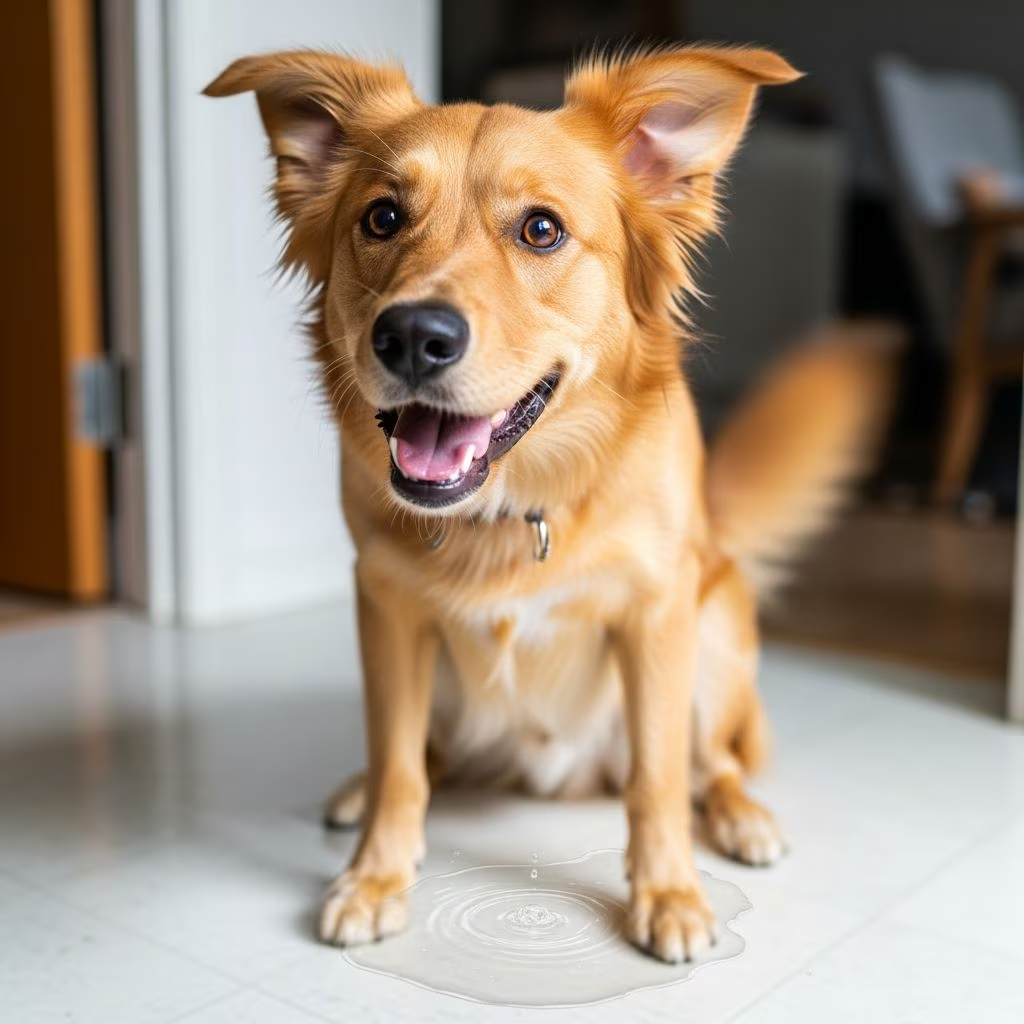
My Dog Pees When Excited—Is This Normal?
Many dog owners experience the frustrating situation of their dog urinating indoors when they get excited. Whether it happens during greetings, playtime, or when visitors arrive, excited peeing can feel like a setback in housetraining. The good news is that this behavior is relatively common, especially in puppies and young dogs, and it can be addressed with the right approach and patience.
Excited peeing in dogs is an involuntary response to overstimulation, and the level of stimulation varies significantly from dog to dog. Understanding why this happens and implementing the right management strategies can help you and your furry friend navigate this phase successfully.
Why Do Dogs Pee When Excited?
Excited peeing occurs when dogs become overstimulated and lose control of their bladder. This is an involuntary physiological response, not a sign of disobedience or incomplete housetraining, although incomplete housetraining can contribute to the issue. According to certified dog trainers, several factors can trigger this behavior in your dog.
They’re Not Fully Housetrained Yet
One of the primary reasons dogs pee when excited is incomplete housetraining. If your dog is still learning when and where it’s appropriate to go to the bathroom, excitement can overwhelm their still-developing bladder control. Excitable peeing can happen when a dog isn’t fully housetrained yet, meaning they’re still a work in progress in understanding appropriate elimination locations and times.
They’re Happy or Overstimulated
Dogs may pee when they’re genuinely happy but also overstimulated. This behavior often occurs when a person greets a dog with excessive enthusiasm—such as using a high-pitched voice, displaying high energy, making direct eye contact, or offering physical touch. Dogs may also pee when they’re overstimulated during high-energy play or games with another dog or human, or when a pet parent returns after a long absence.
The excitement of seeing their beloved owner, combined with the physical stimulation of jumping and playing, can trigger an involuntary urination response in dogs that haven’t yet developed full bladder control.
Incomplete Housetraining and Other Causes
Beyond excitement and overstimulation, other potential reasons for excitement urination include incomplete housetraining, marking behavior, separation anxiety, and medical conditions such as urinary bladder dysfunction. It’s important to rule out medical issues by consulting with your veterinarian before assuming the behavior is purely behavioral.
Signs of Excited Peeing in Dogs
Understanding how to identify excited peeing can help you distinguish it from other types of urination problems. Excited peeing has distinctive characteristics that set it apart from other behavioral issues.
Dogs peeing when excited won’t necessarily squat or lift their leg like usual. They often pee while walking, standing, or even bouncing up and down. You can tell that your dog is excited if they are holding their tail higher than normal, wagging their entire body and tail side to side, holding their head up, or whining and/or barking. The dog’s body language will typically display genuine excitement rather than anxiety or fear.
Unlike submissive urination, which is motivated by fear or anxiety, excitement urination tends to occur when your dog becomes overly enthusiastic during greetings. The urination often occurs while the dog is wiggling in place or running towards you to say hello. This behavior has more to do with an overflowing bladder rather than a negative emotional state.
How To Stop a Dog From Peeing When Excited
Addressing excited peeing requires a multifaceted approach that combines management, training, and environmental modifications. As long as there isn’t a medical cause, pet parents can help stop their dog’s excited peeing through consistent implementation of expert-recommended strategies.
Rehearse Calm, Quiet Greetings
One of the most effective strategies is to completely change how you greet your dog. Instead of enthusiastically rushing to them, try greeting your dog calmly by ignoring them for five minutes after arriving home to reduce overstimulation. This approach helps break the cycle of excitement that triggers the urination response.
When you arrive home, act calmly, don’t talk or move in an excited manner, don’t pet the dog, and if necessary don’t make eye contact. Take your dog outside first, let them urinate, and after they’ve calmed down, greet them affectionately but calmly. This strategy teaches your dog that calm behavior, not excited jumping and wiggling, results in your attention and affection.
Provide Alternative Responses
Instead of allowing your dog to jump and get overstimulated when you arrive home or during playtime, provide alternative responses to redirect their energy. Examples include offering a toy, like a KONG, or giving them a tasty treat. This gives your dog an acceptable outlet for their enthusiasm and excitement.
By redirecting excited energy into appropriate activities, you’re teaching your dog that there are better ways to express their joy than through uncontrolled jumping and peeing. This approach also helps reinforce the connection between calm behavior and positive rewards.
Manage Pre-Visit Opportunities
Whenever possible, let your puppy go potty before any guests arrive or before greeting them. Taking them outside before triggers and having guests meet your furry friend in the yard, where accidents are less likely to be a problem, can significantly reduce incidents. An empty bladder means less urine to release when your dog becomes too excited.
If you know visitors are coming, plan ahead by taking your dog outside multiple times leading up to their arrival. This empties their bladder and reduces the likelihood of an accident when greeting excitement occurs.
Frequent Walks and Bathroom Breaks
Taking your dog for frequent walks throughout the day encourages them to pee in the great outdoors rather than in your living room. If they have an empty bladder, they have less urine to release when they become too excited. This strategy works particularly well for puppies and young dogs with developing bladder control.
You may need to ask for favors from friends and family members or hire a dog walker to make sure your dog has plenty of opportunities to eliminate throughout the day. The more regularly your dog empties their bladder, the less likely accidents will occur during exciting situations.
Provide Consistent Daily Exercise and Mental Stimulation
Reducing your dog’s overall energy level with consistent, daily exercise and mental stimulation can help decrease excitement peeing significantly. A tired dog won’t have enough energy to get excited enough to pee on your floor. Activities such as playing catch, doing agility training, jumping hurdles, running with you, or playing interactive games are great ways to burn off that excitable energy.
Mental stimulation is just as important as physical exercise. Puzzle toys, training sessions, and interactive games can tire out your dog’s mind, leaving less energy for becoming overstimulated during greetings and playtime.
Never Punish Accidents
When working to prevent your dog from peeing when they’re excited, expect a few accidents—and that’s okay. The most important thing is never to punish them, as punishment makes the behavior worse and can create anxiety that may exacerbate the problem. Dogs will not necessarily connect your frustration with their behavior, so scolding is counterproductive.
Instead, when accidents happen, simply take your dog outside to the appropriate potty spot and encourage them to relieve themselves there. Use positive reinforcement when they eliminate in the correct location.
Clean Up Accidents Properly
When your pup has an accident indoors, use an odor-eliminating cleaning solution to remove this smell as quickly as possible and prevent them from urinating in the same place again. Dog urine contains a strong-smelling enzyme, which dogs sniff out to know where they should go potty. If the smell remains, your dog may think that location is an appropriate elimination spot.
Should I Worry About My Dog’s Excited Peeing?
Generally, excitement urination is nothing to worry about, especially if it’s confined to situations of high arousal and seen in puppies or young dogs. Most dogs outgrow this behavior naturally as they mature emotionally and gain better bladder control. However, there are circumstances where you should seek veterinary guidance.
If the behavior persists or worsens into adulthood, or if it starts suddenly in an older dog, it’s best to reach out to your vet. Additionally, if you suspect medical issues such as urinary tract infections, diabetes, or other health conditions might be contributing to the problem, professional veterinary evaluation is necessary.
Key Takeaways for Managing Excited Peeing
Successfully managing your dog’s excited peeing requires consistency, patience, and a commitment to preventing overstimulation. Here are the essential points to remember:
- Excited peeing is an involuntary response to overstimulation, not a sign of disobedience
- Remain calm during greetings and ignore your dog initially to reduce excitement levels
- Provide frequent bathroom breaks throughout the day to maintain an empty bladder
- Supply plenty of daily exercise and mental stimulation to reduce overall excitability
- Never punish your dog for accidents, as this worsens the behavior
- Clean accidents thoroughly with odor-eliminating solutions
- Expect a few accidents during the process—this is normal and manageable
- Consult your veterinarian if the behavior persists into adulthood or appears suddenly in older dogs
Frequently Asked Questions
Q: Is excited peeing the same as submissive urination?
A: No, they are different behaviors. Excited peeing occurs when dogs are happy and overstimulated, while submissive urination is triggered by fear, anxiety, or feeling threatened. The underlying emotions and triggers are distinct, though some dogs may exhibit both behaviors in different situations.
Q: At what age do dogs typically outgrow excited peeing?
A: Many dogs outgrow excited peeing as they mature and gain better emotional and physical bladder control, typically as they approach adulthood. However, the exact age varies by individual dog.
Q: Can excited peeing be completely prevented?
A: While you can significantly reduce the frequency and severity of excited peeing through proper management and training, some dogs may have occasional accidents as they develop. Consistency with the strategies outlined above helps minimize incidents.
Q: Should I take my dog to the vet if they pee when excited?
A: If your puppy or young dog occasionally pees when excited, it’s typically not a medical concern. However, if the behavior persists into adulthood, worsens over time, or starts suddenly in an older dog, consult your veterinarian to rule out medical issues.
Q: What’s the best way to handle guests visiting my home?
A: Ask guests to ignore your dog when they arrive, maintain calm greetings, and let your dog eliminate outside before introductions. You can also have guests meet your dog in the yard initially to reduce the likelihood of accidents indoors.
Q: How long does it take to stop excited peeing?
A: The timeline varies depending on your dog’s age, temperament, and how consistently you implement management strategies. Most dogs show improvement within weeks to months of consistent training and environmental modification.
References
- Why Dogs Pee When Excited or Scared — PetMD. 2024. https://www.petmd.com/dog/behavior/why-dogs-pee-when-excited-or-scared
- My Dog Pees When Excited—Is This Normal? — Chewy Education. 2024. https://www.chewy.com/education/dog/training-and-behavior/dog-peeing-when-excited
- How to Stop Dog Submissive Urination and Excited Peeing — Best Friends Animal Society. https://bestfriends.org/pet-care-resources/how-stop-dog-submissive-urination-and-excited-peeing
- Submissive and Excitement Urination in Dogs — UC Davis School of Veterinary Medicine. https://www.vetmed.ucdavis.edu/sites/g/files/dgvnsk491/files/inline-files/Submissive_and_Excitement_Urination_in_Dogs.pdf
- My Puppy Pees When Excited…How Can I Stop It? — Four Paws Pet Care Resources. https://www.fourpaws.com/pets-101/potty-time-and-training/my-puppy-pees-when-excited
- When Excitement Causes Your Dog to Tinkle: Conflict, Submissive and Excitement Urination — Cattle Dog Publishing. https://cattledogpublishing.com/blog/when-excitement-causes-your-dog-to-tinkle-conflict-submissive-and-excitement-urination/
- Submissive Urination and Excited Peeing in Dogs — Madera County Animal Services. https://www.maderacounty.com/government/animal-services/pet-training-resources/submissive-urination-and-excited-peeing-in-dogs



