

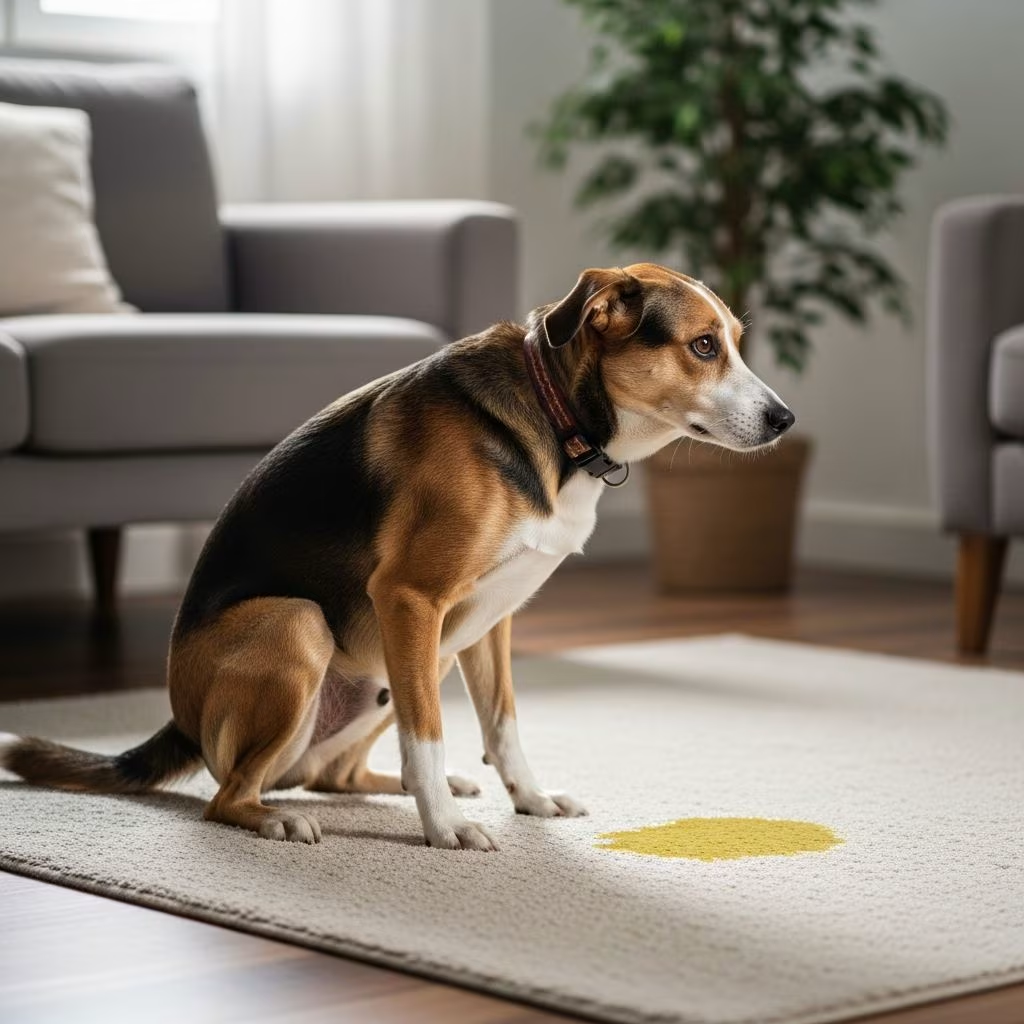
Discovering that your dog has urinated inside your home can be one of the most frustrating experiences for any pet owner, particularly when this occurs right in front of you. While it may seem like a simple housetraining failure, indoor urination often signals something more complex—whether a medical condition, behavioral concern, or environmental stressor. Understanding the underlying cause is essential to addressing this issue effectively and restoring harmony to your household.
The Multifaceted Nature of Indoor Urination
Indoor urination is rarely a simple behavioral problem. Instead, it typically reflects an underlying issue that requires investigation and targeted intervention. The behavior can manifest in various ways: some dogs may have complete accidents, while others experience only occasional leaks. The context in which the accidents occur—whether they happen during specific times, in particular locations, or around certain triggers—provides important clues about the root cause.
A dog that previously demonstrated reliable housetrain habits but suddenly begins urinating indoors requires special attention. This shift in behavior suggests a recent change in the dog’s physical or emotional state, rather than a fundamental training deficiency. By carefully observing your dog’s patterns and working closely with your veterinarian, you can identify what has changed and implement appropriate solutions.
Medical Conditions That Trigger Indoor Urination
One of the first considerations when addressing indoor urination should be whether a medical condition is responsible. Veterinary examination is crucial because many health issues present urination accidents as a primary symptom.
Urinary tract infections represent one of the most common medical causes of indoor urination in dogs. These infections create a constant urge to urinate, and affected dogs may struggle to maintain continence even when they’ve recently been outside. Older female dogs are particularly susceptible to urinary tract infections, as are certain breeds with skin folds that can trap moisture and bacteria.
Age-related incontinence affects many senior dogs as their bodies age. This condition results from weakening bladder muscles and decreased sphincter control, making it progressively difficult for older dogs to hold urine for extended periods. This is a natural consequence of aging and requires management rather than punishment.
Hormonal imbalances can contribute to urination accidents, particularly in spayed female dogs where a lack of estrogen may reduce sphincter control. Male dogs can experience similar issues related to prostate dysfunction as they age. These conditions are medical rather than behavioral and respond well to veterinary treatment and management strategies.
Systemic diseases such as diabetes, Cushing’s disease, and kidney disease frequently cause increased urination. Dogs with these conditions often require more frequent bathroom breaks because they produce more urine. Recognizing this as a symptom of underlying illness is crucial for proper treatment.
Neurological conditions and cognitive decline in senior dogs can impair the neural pathways that regulate bladder control. Canine cognitive disorder, sometimes called dog dementia, creates confusion that may cause dogs to forget their housetraining habits or lose awareness of their urge to urinate.
Behavioral and Psychological Factors
Beyond medical issues, behavioral and psychological factors frequently contribute to indoor urination. These causes often require environmental modifications and behavioral intervention rather than medication.
Anxiety and Fear Responses
Dogs experiencing anxiety or fear may develop urination accidents as a symptom of their emotional distress. This can manifest as submissive urination when a dog feels threatened or overwhelmed, or as a reaction to specific fear triggers such as thunderstorms, fireworks, or unfamiliar visitors. Some dogs develop anxiety related to separation from their owners or confinement in crates.
Territory Marking Behavior
Urine marking represents a distinct behavior from true incontinence or accidents. Dogs mark territory by depositing small amounts of urine on vertical surfaces or in specific locations, particularly when they detect new scents, unfamiliar people, or other animals in their environment. This behavior is more common in intact (unneutered) males but can occur in both male and female dogs. Desexing often helps reduce marking behavior, especially when performed before sexual maturity.
Excitement and Overexcitation
Some dogs experience “happy peeing” when they become overstimulated with excitement, such as when their owners return home or when offered favorite treats or toys. While more common in puppies, adult dogs can exhibit this response when emotional arousal becomes overwhelming.
Environmental and Situational Triggers
The context surrounding your dog’s life plays a significant role in whether indoor urination occurs. Environmental factors can trigger accidents even in well-trained dogs.
Weather conditions substantially affect a dog’s willingness to go outside for bathroom breaks. Many dogs develop reluctance to urinate outdoors during rain, thunderstorms, extreme cold, or excessive heat. A sheltered potty area or protective clothing may help encourage outdoor bathroom habits during unfavorable weather.
Schedule disruptions can confuse dogs who rely on consistent routines. Changes to work schedules, school schedules, or the timing of regular walks may prevent dogs from having bathroom breaks at their accustomed times, leading to accidents indoors.
Household changes create stress that manifests as indoor urination. Introduction of new pets, new family members, furniture rearrangement, home renovations, or moving to a new residence can all trigger accidents as dogs adjust to their altered environment. Some dogs may combine this stress response with urine marking behaviors.
Age-Specific Considerations
The significance of indoor urination varies depending on your dog’s life stage, and solutions must be tailored to age-appropriate needs.
Puppies and Young Dogs
Puppies naturally lack full bladder control and require multiple outdoor bathroom breaks throughout the day. Frequent accidents are normal and expected during early development. Consistent supervision, frequent outdoor exposure, and positive reinforcement establish reliable housetraining habits. Young dogs may also engage in marking behavior as they mature, particularly if not spayed or neutered.
Adult Dogs
When adult dogs with established housetraining habits suddenly begin urinating indoors, this represents a significant change warranting investigation. The sudden onset suggests either a new medical condition, environmental stressor, or behavioral issue that has developed recently.
Senior Dogs
Elderly dogs frequently experience indoor urination due to a combination of factors: incontinence from weakened bladder muscles, cognitive decline affecting memory and awareness, arthritis or mobility problems making outdoor access difficult, and increased susceptibility to urinary tract infections. These dogs require compassionate management strategies rather than punishment.
Diagnostic and Management Strategies
Addressing indoor urination effectively requires a systematic approach that identifies the underlying cause and implements targeted solutions.
Veterinary Evaluation
Your veterinarian should be your first resource when your dog develops or displays indoor urination. A thorough examination and appropriate diagnostic tests can rule out medical conditions. Depending on your dog’s age and symptoms, testing might include urinalysis, blood work, or imaging studies to identify infections, hormonal imbalances, or systemic diseases.
Identifying Trigger Patterns
Maintain a detailed record of indoor urination incidents, noting dates, times, locations, and any events or circumstances preceding the accidents. Patterns often emerge that reveal triggers—whether related to specific times of day, particular locations in your home, specific people or animals, or identifiable environmental changes. This information helps distinguish between medical issues and behavioral causes.
Environmental Modifications
Once triggers are identified, environmental adjustments can reduce incidents. Providing easy outdoor access, creating sheltered potty areas, using protective clothing for adverse weather, or addressing household stressors all contribute to improved outcomes. For dogs with marking behavior, blocking access to frequently marked areas or making those areas less appealing can prevent continued marking.
Increased Bathroom Opportunities
Increasing the frequency of outdoor bathroom breaks helps accommodate medical conditions causing increased urination or behavioral issues creating urgency. Senior dogs, dogs with incontinence, and those experiencing urinary tract infections benefit particularly from more frequent outdoor access. Some dogs also benefit from using indoor pee pads, particularly elderly or mobility-limited dogs.
Professional Training Support
A certified dog trainer can help identify behavioral triggers and implement desensitization techniques, particularly for anxiety-related urination. Trainers can also provide guidance on revisiting basic housetraining with dogs who have regressed. In some cases, anti-anxiety medication prescribed by your veterinarian may support behavioral interventions for severe anxiety-related accidents.
Cleaning and Prevention
Proper cleaning of soiled areas is essential for preventing repeated accidents in the same locations. Enzymatic cleaners specifically designed to eliminate urine odor break down the urine compounds that dogs can smell, removing the scent marker that encourages repeated accidents in the same spot. Standard household cleaners often fail to completely neutralize these odors, making enzymatic cleaners necessary for thorough odor elimination.
Beyond cleaning, making previously soiled areas less appealing or inaccessible reduces the likelihood of repeated accidents. Some pet owners find success by changing the function of marked areas—feeding, treating, or playing with their dogs in spots where marking has occurred makes those areas less likely to be marked again. Temporarily restricting access to frequently soiled areas may also prevent continued accidents while behavior modification progresses.
Management Solutions for Special Situations
Certain situations require specialized management approaches. Senior dogs with incontinence may benefit from doggie diapers or belly bands that contain accidents while maintaining dignity. Ramps or easy-access pathways to outdoor areas help dogs with arthritis or mobility issues reach bathroom spots promptly. Dogs with crate anxiety may require modified confinement strategies or behavioral modification to reduce distress-related accidents.
Frequently Asked Questions
When should I be concerned about my dog’s indoor urination?
Any sudden change in housetraining habits warrants veterinary evaluation. If a previously reliable dog begins having accidents, schedule a vet appointment promptly to rule out medical causes. Even if the cause proves behavioral, professional guidance helps address the issue effectively.
Can punishment help stop indoor urination?
Punishment is counterproductive for indoor urination regardless of cause. Punishment may increase anxiety, potentially worsening accidents related to fear or stress. Additionally, punishing a dog for medically-caused incontinence is inhumane and ineffective. Positive reinforcement for outdoor bathroom success and addressing underlying causes produces better results.
Is neutering or spaying helpful for indoor urination?
Spaying or neutering is most effective for marking behavior, particularly in younger dogs. For incontinence or other medical causes, it may have limited direct benefit, though it does prevent marking-related issues. Discuss your dog’s specific situation with your veterinarian.
How long does it take to resolve indoor urination?
Resolution timeline depends on the underlying cause. Medical conditions may improve with appropriate treatment, behavioral issues may resolve with training and environmental modification, and senior dogs require ongoing management rather than cure. Consistent implementation of solutions typically shows improvement within weeks to months.
Moving Forward with Confidence
Indoor urination in dogs represents a solvable problem when approached systematically. By working with your veterinarian to identify whether medical or behavioral factors are responsible, and implementing targeted solutions based on the underlying cause, most dogs regain reliable housetraining habits. Patience, consistency, and compassion throughout this process strengthen your relationship with your dog while addressing the underlying issue causing their distress.
References
- Why Is My Dog Peeing in the House? — PetMD. 2024. https://www.petmd.com/dog/general-health/why-my-dog-peeing-house
- Why is my dog peeing in the house all of a sudden? — Bonnie’s. 2024. https://www.bonnies.com.au/post/why-is-my-dog-peeing-in-the-house-all-of-a-sudden
- How to Stop Your Dog from Peeing in the House — Best Friends Animal Society. 2024. https://www.humaneworld.org/en/resources/how-stop-your-dog-peeing-house
- Why Adult Dogs Have Accidents, Plus What To Do About It — Rover. 2024. https://www.rover.com/blog/why-dogs-pee-in-house/
- Dog Marking and Peeing in the House: Causes and How to Stop It — Best Friends Animal Society. 2024. https://bestfriends.org/pet-care-resources/dog-marking-and-peeing-house-causes-and-how-stop-it



