

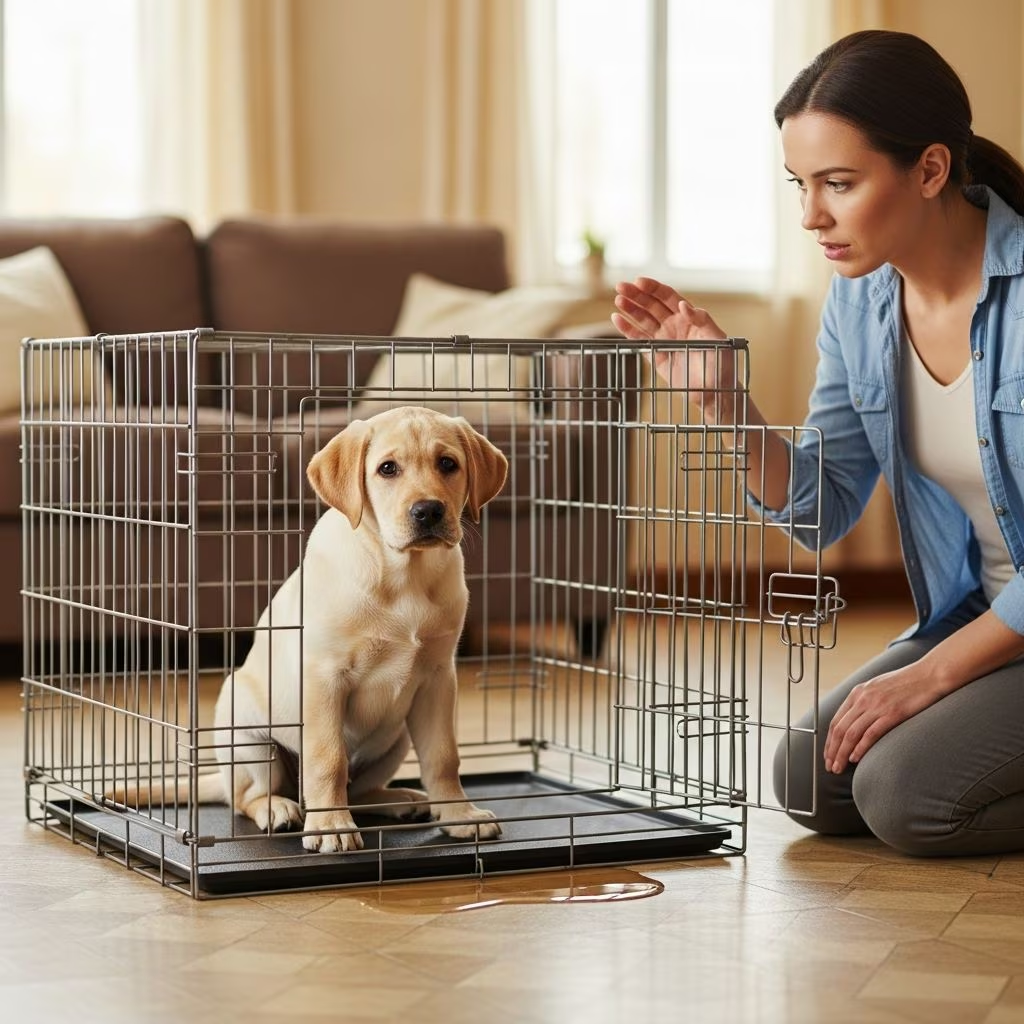
Dogs naturally avoid soiling their sleeping areas, so persistent peeing in crates signals an underlying problem. Addressing it promptly prevents habits and ensures your pet’s comfort during crate training.
Common Triggers Behind Crate Urination
Understanding the root causes helps tailor solutions. Puppies under a few months old often lack full bladder control, holding urine for roughly one hour per month of age. A two-month-old pup, for instance, shouldn’t be crated longer than two hours without a break. Older dogs might face different challenges, from disrupted schedules to emotional distress.
- Age-related limitations: Young puppies simply can’t wait, leading to unavoidable accidents.
- Routine disruptions: Inconsistent potty schedules confuse dogs, making crates seem like acceptable spots.
- Environmental factors: Oversized crates allow separation of sleeping and elimination zones.
Behavioral cues also play a role. Dogs with separation anxiety may urinate when alone, viewing the crate as a confinement trigger rather than a safe haven.
Health Conditions Linked to In-Crate Accidents
Rule out medical issues first, as they demand professional intervention. Urinary tract infections (UTIs) cause frequent, urgent needs, overriding natural cleanliness instincts. Bladder stones or crystals irritate the urinary system, prompting leaks even in confined spaces. Kidney problems or spinal injuries further impair control, making crate soiling a symptom rather than defiance.
Consult a veterinarian immediately if accidents coincide with symptoms like straining, blood in urine, excessive thirst, or lethargy. Early diagnosis via urinalysis or imaging resolves most cases quickly with antibiotics or dietary changes.
| Symptom | Possible Condition | Action |
|---|---|---|
| Frequent small urinations | UTI or crystals | Vet exam with urine test |
| Sudden incontinence | Kidney disease | Bloodwork and ultrasound |
| Straining or blood | Stones/infection | Immediate vet visit |
| Weak hind legs | Spinal issue | Neurological evaluation |
Optimizing Crate Setup for Success
The crate must mimic a cozy den: secure, appropriately sized, and inviting. Ideal dimensions allow standing, turning, and stretching without excess room. Too much space invites corner peeing; too little breeds discomfort and stress.
For growing puppies, use crates with dividers to shrink the area initially, expanding as they mature. Wire models offer visibility but may feel exposed; solid plastic sides provide privacy, reducing anxiety-driven accidents. Enhance appeal with soft, supportive bedding like orthopedic foam beds that absorb minor mishaps while staying comfortable.
- Select based on adult size, accounting for breed growth charts.
- Position in a quiet, family-accessible room to balance security and connection.
- Avoid drafts or extreme temperatures that heighten discomfort.
Cleaning and Odor Elimination Techniques
Residual scents signal “bathroom” to dogs’ sensitive noses, perpetuating the cycle. Standard cleaners won’t suffice; enzymatic products break down urine proteins at a molecular level, neutralizing odors completely.
Act fast: Blot excess liquid with paper towels, apply enzyme spray generously, and let air-dry fully—often overnight. For stubborn spots, repeat applications. Wash bedding in hot water with pet-safe detergents, avoiding bleach that can amplify smells.
Pro tip: After cleanup, sniff-test the area. If you detect ammonia, dogs will too—keep reapplying until odor-free.
Building a Bulletproof Potty Routine
Consistency transforms crate training. Establish a schedule: last potty before crating, first thing upon release, and frequent outings matching age and capacity. Puppies need breaks every 1-3 hours initially, adults up to 6-8 hours overnight.
Use positive reinforcement—praise and treats for outdoor success. Never punish accidents; it fosters fear and hiding. If discovering a mess, silently carry the dog outside to finish, reinforcing the correct spot.
- Wake-up potty immediately.
- Pre-meal, post-meal, and every 2 hours during play.
- Before crating and after long naps.
- Evening wind-down outing.
Addressing Anxiety and Behavioral Factors
Separation anxiety manifests as whining, pacing, or elimination upon departure. Gradual desensitization helps: Start with short crate sessions with toys, building duration while staying nearby. Interactive puzzles like stuffed Kongs distract and soothe.
For severe cases, consult behaviorists. Calming aids like pheromone diffusers or anxiety wraps provide temporary relief during training.
Temporary measures for young pups include crate-divided pee pads, allowing elimination without bedding soiling. Phase out as control improves, preventing learned dependence.
Temporary Fixes for Overnight Challenges
Nighttime accidents frustrate everyone. Limit water intake two hours pre-bed, but ensure daytime hydration. Set alarms for mid-night breaks with puppies under four months.
Removing bedding briefly teaches aversion to lying in waste, reintroducing once habits solidify. For incontinent seniors, low-profile pee pads in enlarged playpens offer compromise without full crate abandonment.
Training Milestones and Progress Tracking
Expect progress in weeks with diligence. Track incidents in a journal: date, time crated, duration, and outcomes. Patterns reveal tweaks—like adjusting sizes or visits.
Success signs: Dry crate returns, enthusiastic outdoor potties, relaxed crate demeanor. Celebrate with extra play, strengthening bonds.
Frequently Asked Questions
How long can a puppy stay in a crate without peeing?
Follow the one-hour-per-month rule, plus one extra hour. Adjust based on individual stamina, never exceeding breed norms.
Is crate peeing always a medical problem?
No, but persistent cases warrant vet checks. Training and environment fix most behavioral instances.
What if my adult dog suddenly starts crate peeing?
Investigate changes: diet, stress, health. Sudden shifts often signal UTIs or anxiety spikes.
Can I use pee pads permanently?
Best as short-term for tiny breeds or medical needs. Most dogs outgrow with proper training.
Should I punish crate accidents?
Never—it erodes trust. Focus on prevention and positivity for faster results.
Long-Term Strategies for Clean Crates
Integrate crate use into daily life gradually. Combine with leash walks for precision pottying, teaching verbal cues like “go potty.” Rotate toys to maintain interest, avoiding boredom-induced mischief.
Monitor weight and health annually; obesity strains bladders, while age brings incontinence risks. Adapt crates accordingly—elevated for seniors, extra padding for arthritis.
Ultimately, patience yields a house-trained companion who views the crate as sanctuary, not necessity. Persistent issues? Professional trainers or vets ensure tailored paths forward.
References
- What to Do if Your Puppy Keeps Going Potty in the Crate — American Kennel Club. 2023-05-15. https://www.akc.org/expert-advice/health/puppy-keeps-going-potty-in-crate/
- Dog Peeing in Crate: How to Break the Habit — Diggs Pet. 2024-02-10. https://www.diggs.pet/blogs/posts/dog-peeing-crate
- Dog Behavior Problems – House Soiling — VCA Animal Hospitals. 2025-01-12. https://vcahospitals.com/know-your-pet/dog-behavior-problems-house-soiling
- Why is my dog urinating in his crate? — WagWalking. 2024-08-20. https://wagwalking.com/symptom/why-is-my-dog-urinating-in-his-crate
- Dog Peeing in Crate: Guide To Break The Habit — Impact Dog Crates. 2024-11-05. https://www.impactdogcrates.com/blogs/news/dog-peeing-in-crate



