

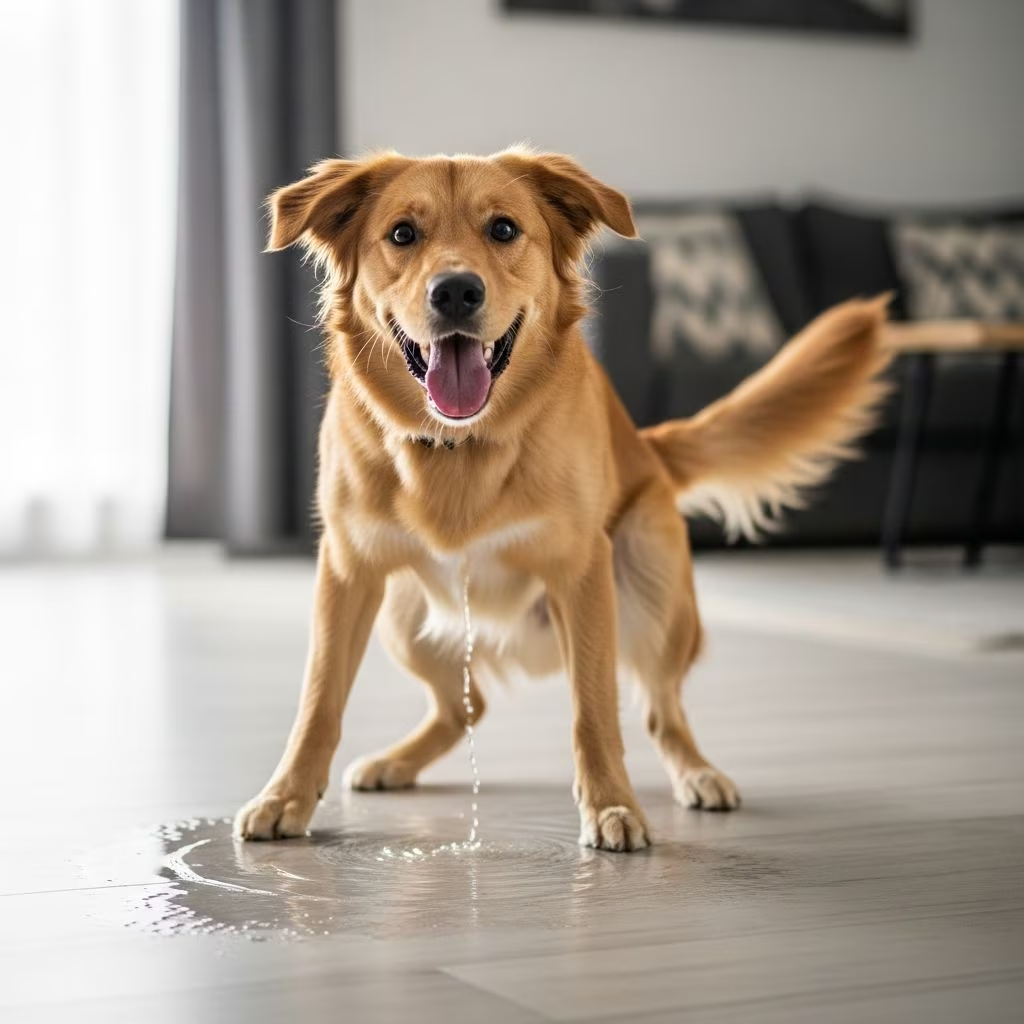
Many dog owners face the frustrating sight of their pet leaving small puddles during enthusiastic greetings or play sessions. This phenomenon, known as excitement urination, stems from an involuntary bladder response triggered by overwhelming joy or stimulation. Unlike deliberate marking, it reflects a lack of full control, particularly common in young dogs whose nervous systems are still maturing.
Understanding the Instinct Behind Joyful Leaks
Excitement urination occurs when a dog’s emotional high causes the bladder sphincter to relax momentarily. This is not a sign of poor training but a physiological reaction linked to adrenaline surges. Puppies under six months are especially prone because their bladders and brain-bladder connections haven’t fully developed. As they age, most naturally overcome this, gaining voluntary control around one year old.
Adult dogs might display it too, often during reunions after absences or lively interactions. The urine amount is typically small, just a dribble, distinguishing it from full voids. Owners often notice tail wagging, wiggling, or jumping alongside the leak, signaling pure happiness rather than distress.
Distinguishing Excitement from Submissive Urination
Not all involuntary peeing is excitement-based. Submissive or conflict urination arises from fear, anxiety, or mixed emotions, where the dog feels unsure during approaches. Key differences include:
- Body Language: Excitement shows bouncy energy, play bows, and eager advances; submissive involves cowering, ears back, lip retraction, or rolling over.
- Triggers: Joyful events like homecomings spark excitement leaks; scolding, staring, or new people provoke submissive ones.
- Emotional State: Pure elation drives excitement; uncertainty or appeasement fuels the other.
Some dogs blend both, peeing excitedly then submissively if corrected harshly. Recognizing these cues helps tailor solutions effectively.
Medical Conditions Mimicking Behavioral Peeing
Before assuming behavior, rule out health issues. Urinary tract infections (UTIs) irritate the bladder, prompting frequent small urinations that mimic excitement leaks. Symptoms include straining, blood in urine, or accidents outside high-stimulation times.
Other culprits:
| Condition | Symptoms | Diagnostic Tests |
|---|---|---|
| Bladder Stones | Painful urination, blood, frequent urges | Ultrasound, X-rays, urinalysis |
| Kidney Disease | Increased thirst, dilute urine, lethargy | Bloodwork, imaging |
| Hormonal Imbalances (e.g., diabetes) | Excessive drinking/peeing, weight loss | Blood glucose tests |
| Ectopic Ureters | Dribbling since birth, constant leaks | Contrast X-rays |
Sudden onset in adults or persistence beyond puppyhood warrants a vet visit. Tests like urinalysis, blood panels, and imaging pinpoint issues. Medications like corticosteroids can also increase urination, so disclose all treatments.
Age and Breed Factors Influencing Bladder Control
Puppies naturally struggle with holding urine amid excitement due to immature neural pathways. By 6-12 months, 90% improve as muscles strengthen. Small breeds like Chihuahuas or toy varieties retain this longer due to proportionally smaller bladders and higher metabolisms.
Senior dogs might regress from cognitive decline or weakened sphincters, blending with excitement triggers. High-energy breeds (e.g., Labs, Terriers) amplify risks through intense enthusiasm.
Practical Training Strategies to Curb Excitement Peeing
Management focuses on prevention, not punishment, which worsens anxiety. Start with these steps:
- Frequent Potty Breaks: Offer 4-6 daily outings, especially pre-greeting. An empty bladder can’t leak.
- Calm Greetings: Ignore your dog upon entering; wait 5-10 minutes for settling before petting. Use low-energy voices and avoid direct stares.
- Exercise Routine: Daily 30-60 minute walks or fetch sessions tire them out, reducing over-stimulation.
- Positive Reinforcement: Reward calm sits with treats post-greeting, building association between composure and attention.
For persistent cases, tether training keeps them near without overwhelming contact. Consistency across family members is key—mixed signals prolong the issue.
Advanced Behavioral Interventions
If basics fail, consult certified trainers (CPDT-KA). Techniques include desensitization: gradually increase excitement exposure while rewarding control. Bell training for potty signals empowers dogs to communicate needs.
Mental games like puzzle toys or obedience drills channel energy constructively. For submissive overlaps, counter-conditioning builds confidence via treat-laced approaches without demands. Progress tracks in weeks with daily practice.
Lifestyle Adjustments for Long-Term Success
Diet impacts bladder health; high-protein foods increase urine output. Feed scheduled meals, not free-choice, syncing with potty times. Hydration management: provide water freely but track intake to predict needs.
Home setups help: pee pads near doors for quick access during peaks, though phase out gradually. Crate training reinforces holding, as dogs avoid soiling dens.
When to Seek Professional Veterinary Help
Monitor for red flags: puddles growing larger, foul odor, straining, or leaks during rest. If training yields no improvement in 4-6 weeks, revisit the vet. Underlying endocrine disorders like Cushing’s may emerge later.
Behaviorists pair with vets for holistic plans, especially if anxiety compounds excitement. Early intervention prevents chronic habits.
FAQs on Dog Excitement Urination
Will my puppy outgrow peeing when excited?
Yes, most puppies mature out by 12 months as bladder control strengthens.
Is excitement peeing a sign of bad training?
No, it’s physiological, not spiteful. Punishment exacerbates it.
How often should I walk my dog to prevent leaks?
Aim for every 2-4 hours, plus pre/post-excitement events.
Can medications cause this behavior?
Yes, diuretics or steroids increase urination frequency.
What’s the difference between excitement and marking?
Excitement is small, involuntary dribbles; marking is deliberate leg lifts with stronger scent.
With patience and science-backed methods, excitement urination becomes a fading memory, fostering a harmonious home.
References
- When Excitement Causes Your Dog to Tinkle: Conflict (Submissive and Excitement Urination) — CattleDog Publishing. 2023. https://cattledogpublishing.com/blog/when-excitement-causes-your-dog-to-tinkle-conflict-submissive-and-excitement-urination/
- My Dog Pees When Excited—Is This Normal? — Chewy. 2024-01-15. https://www.chewy.com/education/dog/training-and-behavior/dog-peeing-when-excited
- My Dog Pees When Excited — Help! — Zoetis Petcare. 2023-05-20. https://www.zoetispetcare.com/blog/article/dog-pees-when-excited
- Submissive, Excitement, and Conflict Urination — VCA Animal Hospitals. 2024. https://vcahospitals.com/know-your-pet/dog-behavior-problems–submissive-excitement-and-conflict-urination
- Why Dogs Pee When Excited or Scared — PetMD. 2025-03-10. https://www.petmd.com/dog/behavior/why-dogs-pee-when-excited-or-scared
- Training to Stop Submissive Urination in Dogs — WebMD. 2023-11-05. https://www.webmd.com/pets/dogs/submissive-urination
- Submissive and Excitement Urination — Animal Humane Society. 2024. https://www.animalhumanesociety.org/resource/submissive-and-excitement-urination



