

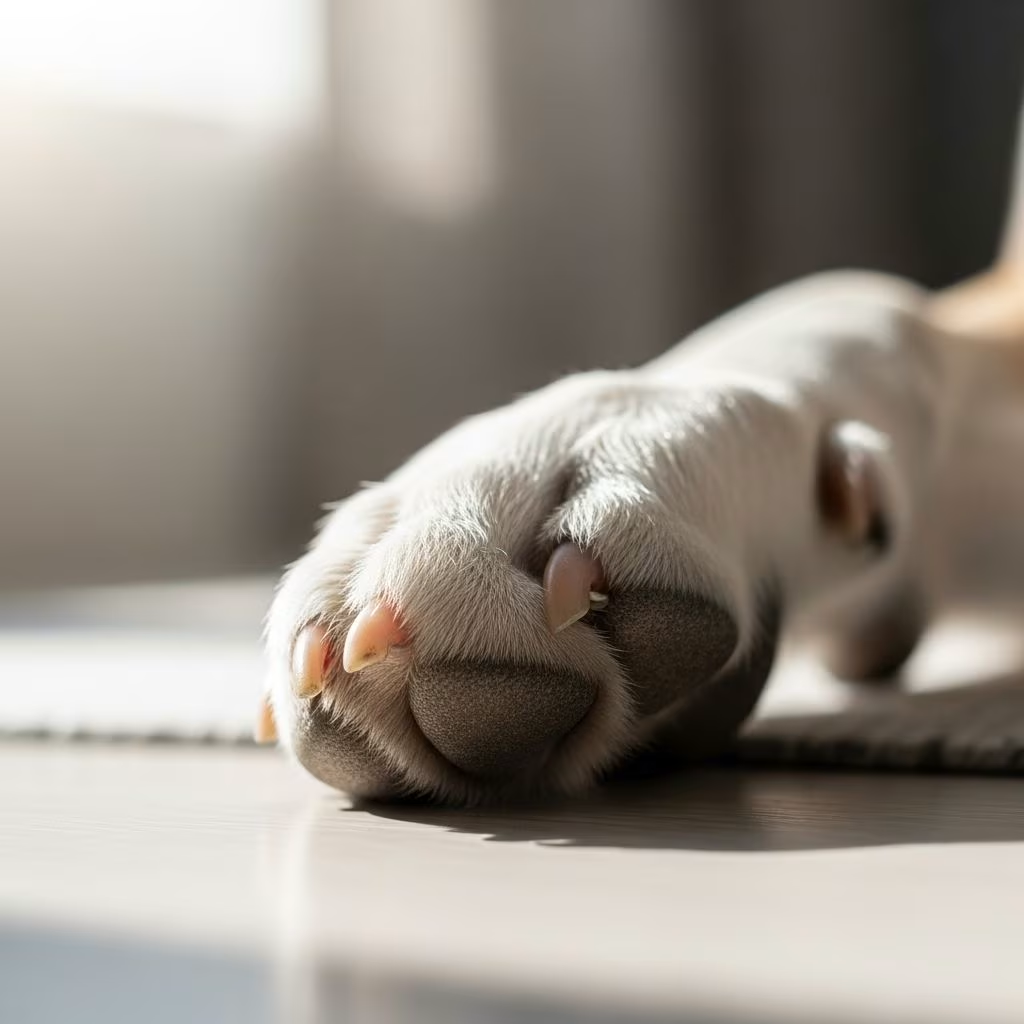
The distinctive corn chip aroma emanating from your dog’s paws, often likened to Fritos, is a common observation among pet owners. This scent arises primarily from natural microbial activity combined with physiological traits unique to canines.
The Science Behind the Corn Chip Scent
Dogs’ paw pads host a complex ecosystem of microorganisms that produce volatile compounds responsible for the yeasty, popcorn-like odor. Understanding this phenomenon requires examining the interplay of bacteria, yeast, and glandular secretions.
Role of Key Bacteria
Certain bacteria dominate the paw microbiome, notably Pseudomonas and Proteus. These microbes metabolize substances on the skin, releasing byproducts with a characteristic corn chip fragrance. Pseudomonas thrives in moist environments, breaking down organic matter into odorous compounds, while Proteus contributes a similar yeasty note.
- Pseudomonas: Common in damp paw areas, produces propionic acid derivatives mimicking snack smells.
- Proteus: Adds to the fermented scent through amino acid breakdown.
- Staphylococcus (Staph): Part of normal flora, occasionally amplifies the aroma under humid conditions.
Yeast Contributions to the Aroma
Yeast, such as Malassezia species, naturally resides on canine skin, particularly in interdigital spaces. When yeast proliferates mildly, it emits a musty, chip-like smell without causing harm. Excess moisture from walks or humidity fosters this balanced overgrowth.
Physiological Factors Amplifying the Odor
Beyond microbes, a dog’s anatomy plays a crucial role in scent production. Paw pads are not just for walking; they serve thermoregulatory and communicative functions.
Sweat Glands in Action
Unlike humans, dogs primarily sweat through eccrine glands in their paw pads. This watery secretion cools the body during exertion and mixes with skin debris, feeding bacterial and yeast populations. The result is intensified odor, especially after activity or in warm weather.
| Factor | Description | Impact on Smell |
|---|---|---|
| Sweat Glands | Eccrine glands release moisture | Creates ideal breeding ground for microbes |
| Fatty Acid Breakdown | Propionic acid from oils | Pungent corn-like volatiles |
| Scent Glands | Pheromone-producing interpad glands | Enhances natural doggy aroma |
Environmental and Lifestyle Influences
Outdoor exposure introduces dirt, grass, and fungi, altering microbial balance. Wet grass, muddy trails, or pool dips trap moisture, boosting scent intensity. Indoor dogs may smell less due to reduced exposure, but carpeted homes retain humidity.
Breed Predispositions to Stronger Scents
Not all dogs exhibit equal Frito intensity. Breeds with pendulous ears, wrinkled skin, or compact paws trap moisture more effectively, fostering microbial growth.
- Basset Hounds: Long ears direct moisture to paws; floppy skin retains dampness.
- Cocker Spaniels: Feathered feet hold debris and sweat.
- Bloodhounds: Loose skin and tracking lifestyles amplify bacteria like Psychrobacter.
- Short-haired breeds (e.g., Labs): Less prone but still affected post-exercise.
Genetic paw structure influences airflow and drying speed, with brachycephalic or droopy breeds showing pronounced odors.
Is the Frito Smell Harmful?
In most cases, this aroma signals a healthy microbiome. Veterinarians like Dr. Jerry Klein of the AKC note it’s normal unless accompanied by symptoms. Dogs lack shoes, so constant environmental contact naturally elevates paw flora compared to human feet.
Normal vs. Problematic Indicators
Monitor for red flags distinguishing benign scent from issues:
| Normal Signs | Warning Signs |
|---|---|
| Mild corn chip smell No licking/chewing Pink, dry pads | Strong, foul odor Excessive licking Red/swollen pads Hair loss |
| Post-walk aroma fades Happy demeanor | Limping Black/brown discharge Yeast/bacterial overgrowth |
Allergies, allergies to pollen/grass, hormonal imbalances, or infections like pododermatitis can mimic or exacerbate the smell. Consult a vet if persistent.
Practical Paw Maintenance Strategies
While embracing the scent is ideal—dogs’ noses detect it minimally—hygiene prevents escalation. Avoid masking sprays, as they irritate sensitive noses 10,000–100,000 times keener than humans’.
Daily Cleaning Routines
- Wipe Paws: Use unscented, pet-safe wipes after outings to remove debris.
- Dry Thoroughly: Towel-dry between toes; use a low-heat blow dryer if tolerated.
- Foot Soaks: Weekly apple cider vinegar (1:1 water) or Epsom salt baths balance pH without killing good bacteria.
- Moisturize: Apply vet-approved balms to cracked pads, preventing moisture traps.
Preventive Lifestyle Adjustments
- Trim hair between pads for airflow.
- Bathe paws weekly, full body monthly with gentle shampoo.
- Booties for rough terrain reduce irritants.
- Diet rich in omega-3s supports skin health, curbing excess oils.
Advanced Interventions for Persistent Odors
For chronic cases, vets may recommend medicated shampoos targeting Pseudomonas/yeast overgrowth. Topical antifungals or antibiotics address infections. Probiotic paw sprays restore flora balance. Allergy testing identifies environmental triggers; hypoallergenic diets help.
A study on Bloodhounds linked Psychrobacter/Pseudomonas to malodor, resolved by essential oil topicals—highlighting breed-specific remedies.
FAQs on Frito-Feet Phenomenon
Why only paws and not the whole dog?
Paws concentrate sweat glands and face ground contaminants; body hair wicks moisture away.
Can diet change the smell?
High-quality food reduces oily sebum; fish oils minimize inflammation-related odors.
Is it worse in summer?
Yes, heat boosts sweating and microbial activity.
Should I worry if my puppy smells like this?
Puppies develop flora quickly; monitor growth, but it’s typically benign.
How often should I clean paws?
Daily post-walks; deep clean weekly.
Embracing Your Dog’s Natural Signature Scent
The Frito aroma is a quirky testament to your dog’s vitality—microbes hard at work in their evolutionary toolkit. Routine care keeps paws healthy without stripping their essence. Celebrate this trait; it’s what makes sniffing paws an adventure!
References
- Why Do Dog Feet Smell Like Fritos? — Vetted Pet Health. 2023. https://www.vettedpethealth.com/resources/why-do-dog-feet-smell-like-fritos
- Why do dogs’ paws smell like Fritos? — Live Science. 2023-10-15. https://www.livescience.com/animals/dogs/why-do-dogs-paws-smell-like-fritos
- Why Does My Dog Smell Like Fritos? — Wag Hotels. 2024. https://www.waghotels.com/blog/why-does-my-dog-smell-like-fritos-understanding-the-corn-chip-aroma/
- Why Do My Dog’s Feet Smell Like Fritos? — Chewy. 2024-05-20. https://www.chewy.com/education/dog/health-and-wellness/why-do-dogs-feet-smell-like-fritos
- Why Do My Dog’s Feet Smell Like Corn Chips? — American Kennel Club (AKC). 2023. https://www.akc.org/expert-advice/health/why-do-my-dogs-feet-smell-like-fritos/
- Why do my dog’s paws smell like Fritos? — American Chemical Society (ACS). 2018. https://www.acs.org/pressroom/reactions/library/why-do-my-dogs-paws-smell-like-fritos.html



