

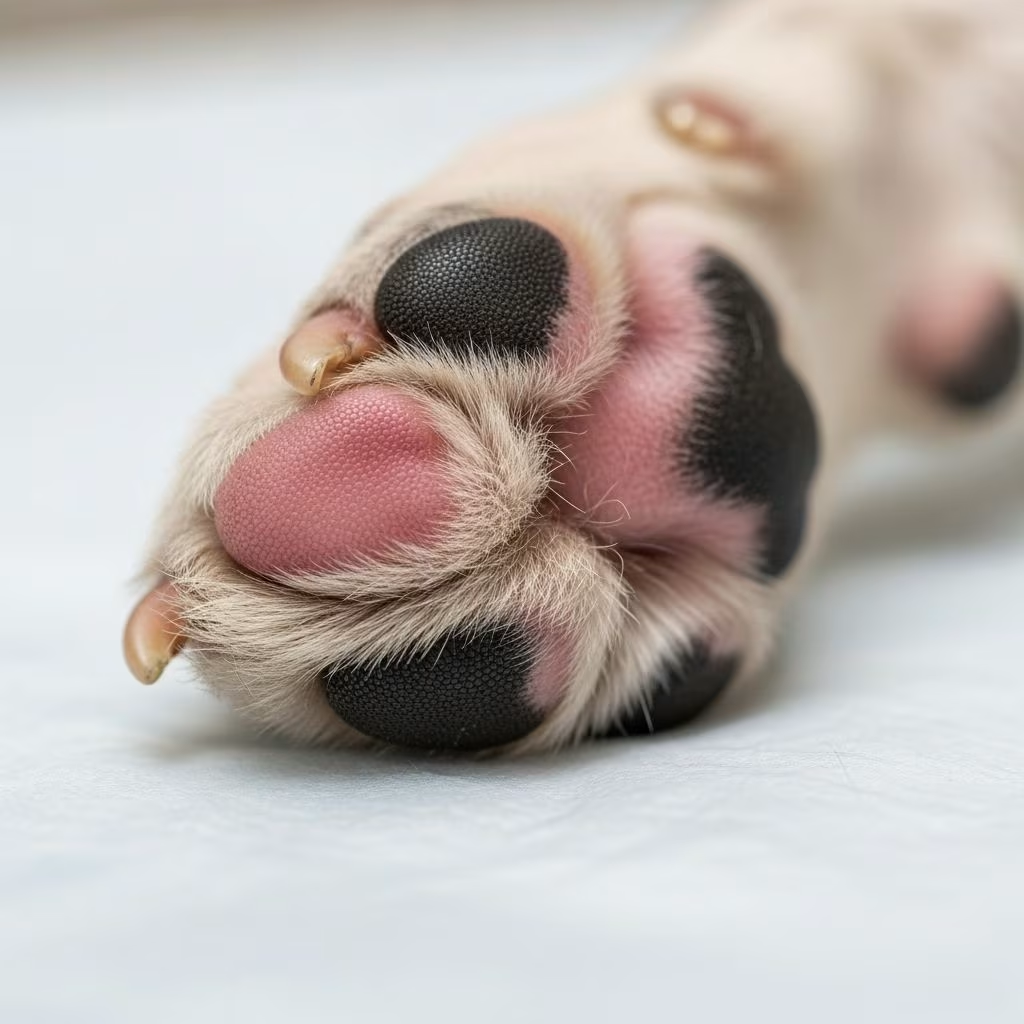
Dogs often display paws with a mix of pink and black areas due to natural pigmentation variations driven by genetics and other factors. Understanding these patterns helps owners distinguish normal traits from potential health issues.
The Science of Paw Pigmentation
Paw color in dogs results from melanin pigments produced by specialized skin cells called melanocytes. Two main types exist: eumelanin, responsible for black or dark hues, and pheomelanin, which creates lighter red, yellow, or pink tones. The distribution of these pigments determines whether paws appear fully black, fully pink, or a combination, often seen as mottled or spotted patterns.
In areas with high melanocyte activity, paws develop black pigmentation, while regions with fewer active cells remain pink. This variation is most evident on paw pads, between toes, and on surrounding fur. Nail colors can also reflect this, ranging from black to pinkish based on the same genetic blueprint.
Genetic Influences on Paw Colors
Genetics play the dominant role in paw coloration, inherited from parental lines. Certain genes control pigment production and distribution across the body, including paws. Breeds like Rottweilers and Labradors frequently show solid black paws, while others like Dalmatians or Australian Shepherds exhibit pink and black spotting.
Some dogs are born with pink paws that darken over time as melanocytes mature, particularly in breeds like Chow Chows, where pigmentation develops fully by 8-10 weeks. Conversely, genetic conditions like vitiligo can cause loss of pigment, turning black areas pink over time, though this is rare.
- Key Genetic Factors: Eumelanin genes promote dark pads; pheomelanin dilutes color for pink areas.
- Breed Predispositions: Black paws common in guarding breeds; mixed patterns in herding dogs.
- Age-Related Changes: Puppies may start pink and darken.
Breed-Specific Paw Patterns
Different breeds showcase unique paw color profiles tied to selective breeding. For instance, breeds with dark coats like German Shepherds typically have black paws for UV protection, while light-coated dogs like Boxers may have pinker pads.
| Breed | Common Paw Color | Reason |
|---|---|---|
| Labrador Retriever | Black | High eumelanin from working breed genetics. |
| Dalmatian | Pink & Black Spots | Spotted pigmentation pattern. |
| Golden Retriever | Pinkish | Lighter pheomelanin dominance. |
| Chow Chow | Darkens from Pink | Maturing melanocytes. |
These patterns are normal and provide functional benefits, such as darker pads offering better heat resistance on hot surfaces.
Environmental and Lifestyle Factors
Beyond genetics, sun exposure can lighten black paw areas to pinkish tones by breaking down melanin, similar to “snow nose” on muzzles where cold reduces tyrosinase enzyme activity. Frequent paw licking introduces saliva enzymes that stain light fur reddish-brown, mimicking discoloration but not true pigmentation change.
Chemical irritants like de-icing salts, pool chlorine, or harsh cleaners can cause temporary redness or fading. Dogs in sunny climates or those spending much time outdoors may show bleached pink spots on originally black paws.
Age and Paw Color Evolution
As dogs age, melanin production declines, potentially turning black paws grayer or pinker, especially around 6-8 years in many breeds. This mirrors human graying but affects pads less dramatically than fur. Older dogs may also develop hyperpigmentation, darkening pink areas to black due to chronic skin changes.
When Paw Colors Signal Health Problems
While pink and black mixes are usually benign, sudden changes warrant attention. Vitiligo causes depigmentation, with black turning stark pink as melanocytes die off; it’s often genetic and harmless but can indicate autoimmunity.
Allergies prompt excessive licking, staining paws red-brown via porphyrins in saliva, particularly noticeable on light fur between toes. Yeast or bacterial infections thrive in moist paw environments, causing red, thickened skin and odor alongside color shifts.
- Red Flags: Sudden pinkening of lifelong black paws, swelling, limping, foul smell.
- Common Infections: Yeast leads to brownish discharge; bacteria cause crusting.
Nutritional Impacts on Pigmentation
Deficiencies in zinc, copper, or fatty acids impair melanin synthesis, fading black to pink or causing dull coats. Zinc-responsive dermatosis, seen in Huskies and Malamutes, results in paw scaling and color loss. Balanced diets with these nutrients maintain vibrant paw colors.
Hormonal Effects on Paw Appearance
Disorders like hypothyroidism reduce thyroid hormones, leading to thinning fur and lighter paw pigmentation. Cushing’s disease elevates cortisol, promoting patchy color changes and infections that alter paw hues.
Caring for Pink and Black Paws
Regular paw inspections prevent issues. Clean after walks, dry thoroughly, and use paw balms for protection. For allergies, hypoallergenic diets or meds help reduce licking.
Moisturize dry pads with vet-approved products; avoid human lotions. Booties shield from extremes. Annual vet checks monitor pigmentation shifts early.
FAQs
Is it normal for dog paws to be pink and black?
Yes, this mottled pattern is common due to melanin distribution and genetics in many breeds.
Why did my dog’s black paws turn pink?
Possible causes include sun bleaching, aging, vitiligo, or nutritional gaps; consult a vet for changes.
Do pink paws mean my dog has a problem?
Not usually—pink is natural in many dogs, but paired with redness or itching, it may signal allergies or infection.
Can I change my dog’s paw color?
Permanently? No, genetics dictate it. Supplements aid health but won’t alter base color.
When should I see a vet for paw colors?
If sudden changes, swelling, odor, or licking occur, seek professional evaluation promptly.
References
- What Causes Dog Fur Discoloration? — Penny Paws Animal Clinic. 2023. https://pennypaws.com/blog/what-causes-dog-fur-discoloration/
- Why Are My Dog’s Paws Red? Causes, Signs & Solutions — Mimi Green. 2024. https://www.shopmimigreen.com/dog-paws-red-causes-treatment/
- Why Dog Noses, Tongues and Paw Pads Have a Variety of Colors — The Honest Kitchen. 2023. https://www.thehonestkitchen.com/blogs/pet-obsessed/dog-noses-tongues-and-paw-pads-have-a-variety-of-colors
- Vitiligo in Dogs and Cats: Everything You Need to Know — PetMD. 2024. https://www.petmd.com/dog/general-health/vitiligo-dogs-and-cats-everything-you-need-know



