

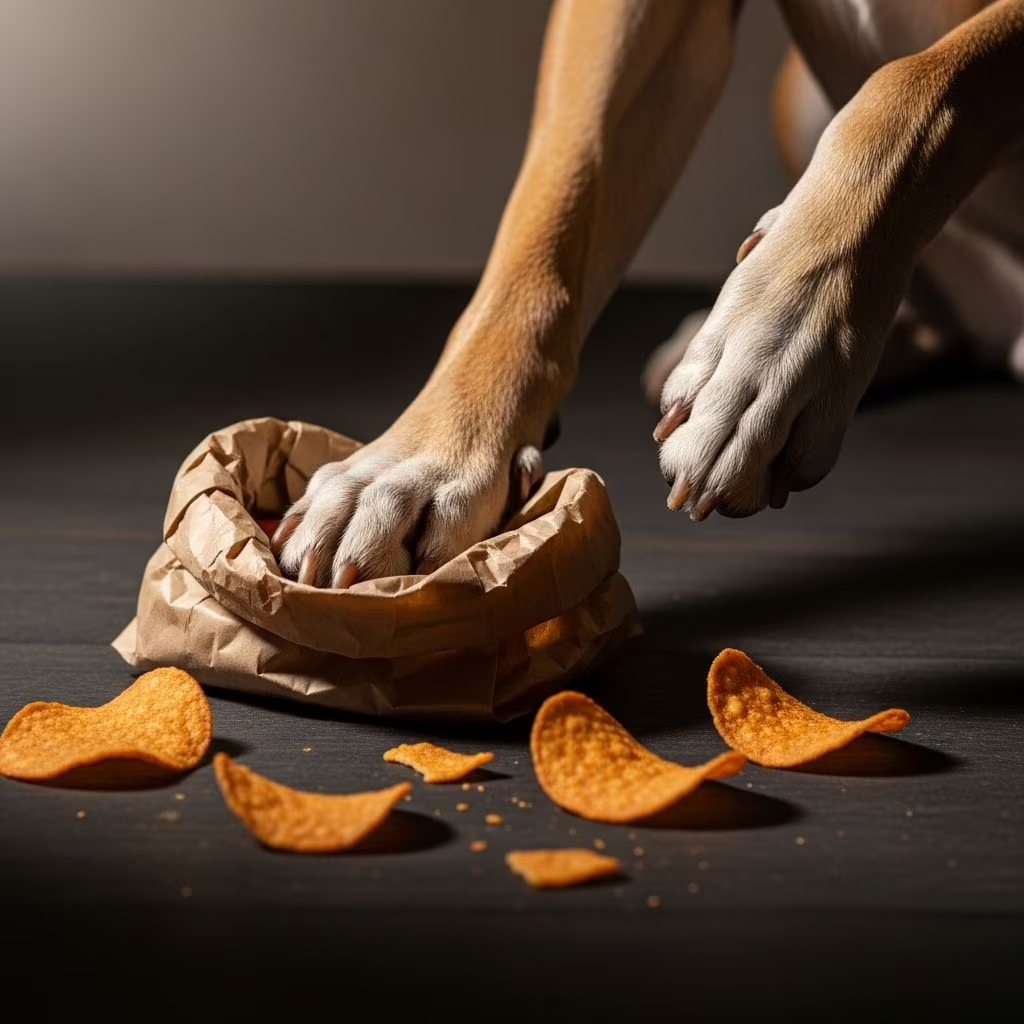
The distinctive aroma resembling corn chips or Fritos emanating from a dog’s paws is a common observation among pet owners. This scent arises primarily from natural microbial activity combined with physiological traits unique to canines.
The Science of Canine Paw Odor
Dogs’ paws serve multiple functions beyond locomotion, including thermoregulation and sensory perception. The skin on paw pads hosts a diverse microbiome that influences scent profiles. Under normal conditions, this microbial balance produces volatile compounds mimicking the smell of toasted corn products.
Bacteria such as Pseudomonas and Proteus dominate this process. These organisms metabolize sweat and skin debris, releasing byproducts with yeasty, nutty notes characteristic of corn chips. Veterinary experts note that paws’ exposure to environmental contaminants amplifies this effect, as dogs traverse varied surfaces daily.
Microbial Culprits Behind the Scent
- Bacteria Proliferation: Pseudomonas and Proteus thrive in the moist, warm interdigital spaces of paws, generating odoriferous metabolites.
- Yeast Contribution: Malassezia species, a common skin yeast, add to the corn-like fragrance when present in moderate amounts.
- Staphylococcus Influence: Certain staph strains contribute sweet undertones to the overall bouquet.
These microbes form part of the healthy canine skin flora, protecting against pathogens when balanced. Disruptions from excess moisture or allergens can shift populations, intensifying the smell.
Role of Sweat Glands in Aroma Production
Unlike humans, dogs possess eccrine sweat glands concentrated solely in their paw pads and nasal planum. These glands secrete a dilute, watery fluid aiding in heat dissipation through evaporation during activity.
When sweat accumulates—due to hot weather, stress, or vigorous exercise—it fosters an ideal habitat for microbial growth. The interaction between sweat’s fatty acids, particularly propionic acid, and bacteria yields the signature Frito scent. This process parallels human foot odor but is more pronounced in barefoot canines.
Environmental and Lifestyle Factors
Paw odor intensity varies with external influences. Urban dogs walking on asphalt retain more debris, while those in grassy areas pick up organic matter fueling bacteria. Seasonal humidity spikes exacerbate moisture retention between toes.
| Factor | Impact on Odor | Examples |
|---|---|---|
| Weather | High humidity increases sweat evaporation delay | Summer months, rainy seasons |
| Activity Level | More exercise = more sweat | Daily walks, play sessions |
| Surface Type | Dirt/organic matter boosts microbes | Parks, beaches vs. clean floors |
Maintaining dry paws post-outings prevents odor escalation.
Breed Predispositions to Stronger Scents
Not all dogs exhibit equal Frito intensity. Breeds with pendulous ears and compact paws, like Basset Hounds or Spaniels, trap moisture more effectively, promoting microbial activity. Brachycephalic breeds with limited airflow may sweat more profusely.
- Basset Hounds: Loose skin folds retain humidity.
- Cocker Spaniels: Hairy interdigital webbing.
- Bloodhounds: Genetic microbial associations noted in studies.
Conversely, short-haired, athletic breeds like Greyhounds experience milder odors due to better air circulation.
Distinguishing Normal from Problematic Odors
A mild corn chip smell without accompanying symptoms indicates healthy flora. Vigilance is key for red flags:
- Intensified, foul stench suggesting overgrowth.
- Redness, swelling, or hair loss on pads.
- Excessive licking or chewing.
- Limping or reluctance to walk.
These signs may herald allergies, infections, or pododermatitis requiring professional evaluation. Early intervention prevents chronic issues.
Daily Hygiene Practices for Fresh Paws
Proactive care minimizes excessive odor while preserving natural microbiome.
- Wipe Downs: Use unscented, pet-safe wipes after walks to remove debris.
- Drying: Thoroughly dry paws, especially between toes, using a soft towel or low-heat blow dryer.
- Bathing: Weekly paw soaks in diluted apple cider vinegar (1:10 ratio) balances pH without stripping oils.
- Moisturizing: Apply vet-approved balms to prevent cracking that harbors bacteria.
Avoid human products or strong perfumes, as dogs’ olfactory sensitivity—up to 100,000 times human levels—renders them irritating.
Advanced Management for Persistent Issues
For recurrent strong odors, consult a veterinarian. Diagnostic steps include cytology swabs to quantify bacteria/yeast loads. Treatments range from medicated shampoos containing chlorhexidine to oral antifungals for yeast dominance.
Environmental allergens, like pollen, often underlie chronic cases. Hypoallergenic diets or immunotherapy may resolve root causes.
Nutritional Influences on Paw Health
Diet impacts skin integrity. Omega-3 fatty acid supplements from fish oil reduce inflammation, curbing microbial proliferation. High-quality proteins support barrier function, minimizing sweat-induced odors.
Avoid excess carbohydrates, which may feed yeast in susceptible dogs.
FAQs on Frito Feet
Is the Frito smell harmful to my dog?
No, mild Frito aroma reflects normal biology. Only pursue treatment if paired with discomfort.
Can I prevent the smell entirely?
Complete elimination disrupts healthy flora. Focus on moderation through hygiene.
Why do some dogs smell stronger than others?
Breed anatomy, activity, and environment dictate variance.
Does the smell indicate an infection?
Not inherently; monitor for irritation or behavioral changes.
Are there home remedies for odor control?
Yes, vinegar rinses and Epsom salt soaks offer safe, effective relief.
Embracing Your Dog’s Natural Scent
The Frito phenomenon underscores dogs’ biological uniqueness. Regular monitoring ensures this quirky trait remains benign, fostering a healthy human-canine bond. Embrace it as a sign of vitality, intervening only when necessary.
References
- Why Do Dog Feet Smell Like Fritos? — Vetted Pet Health. 2023. https://www.vettedpethealth.com/resources/why-do-dog-feet-smell-like-fritos
- Why do dogs’ paws smell like Fritos? — Live Science. 2023-10-15. https://www.livescience.com/animals/dogs/why-do-dogs-paws-smell-like-fritos
- Why Does My Dog Smell Like Fritos? — Wag Hotels. 2024. https://www.waghotels.com/blog/why-does-my-dog-smell-like-fritos-understanding-the-corn-chip-aroma/
- Why Do My Dog’s Feet Smell Like Fritos? — Chewy. 2024-01-20. https://www.chewy.com/education/dog/health-and-wellness/why-do-dogs-feet-smell-like-fritos
- Why Do My Dog’s Feet Smell Like Corn Chips? — American Kennel Club. 2023. https://www.akc.org/expert-advice/health/why-do-my-dogs-feet-smell-like-fritos/
- Why do my dog’s paws smell like Fritos? — American Chemical Society. 2019. https://www.acs.org/pressroom/reactions/library/why-do-my-dogs-paws-smell-like-fritos.html



