

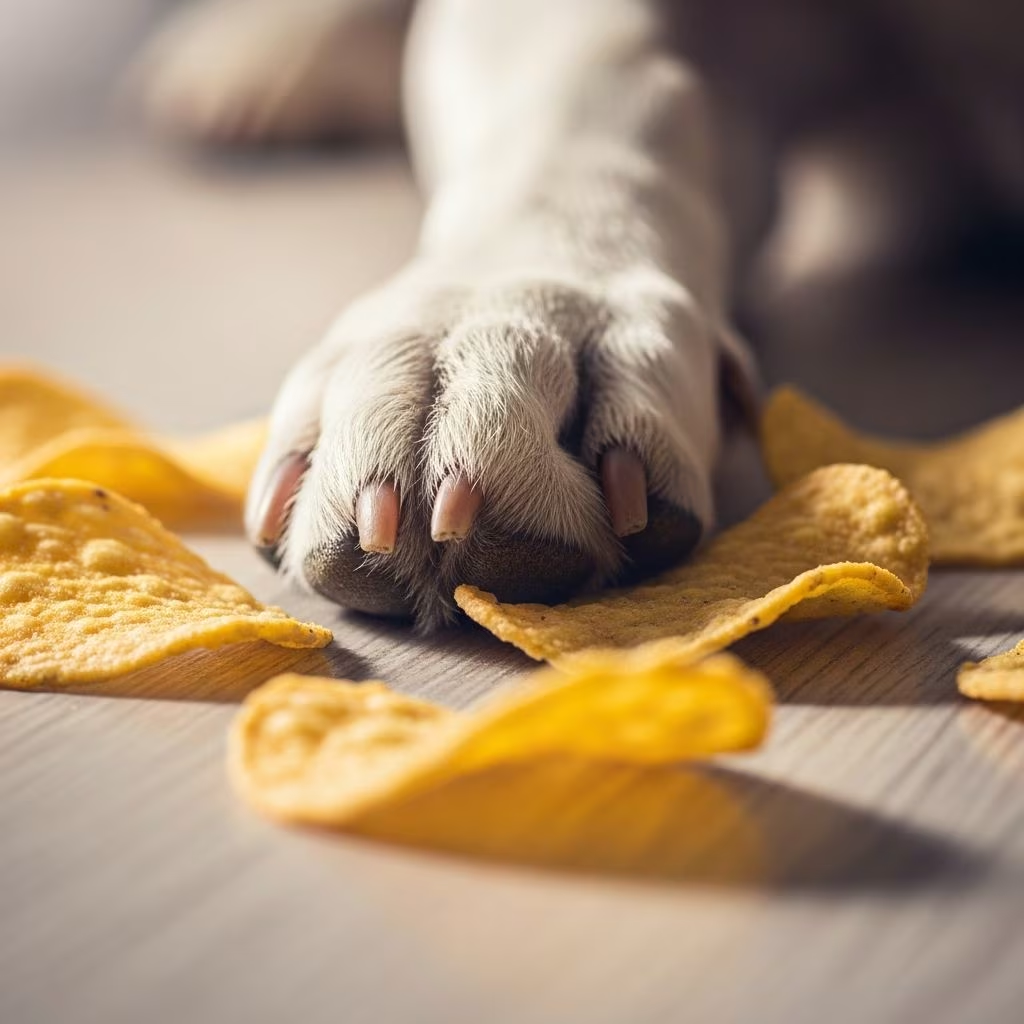
If you’ve ever taken a whiff of your dog’s paws and noticed a distinctive corn chip or popcorn-like scent, you’re not alone. This quirky phenomenon, often referred to as “Frito feet,” is one of the most commonly discussed yet surprisingly benign aspects of dog ownership. Many pet parents find themselves puzzled by this particular aroma, wondering if something is wrong with their furry companion. The good news is that in most cases, this smell is completely normal and poses no health concerns. Understanding the underlying mechanisms behind this scent can help you determine whether your dog requires veterinary attention or if you can simply enjoy this harmless quirk of canine biology.
The Biological Foundation: How Paw Structure Contributes to Odor
A dog’s paw is a complex anatomical structure that differs significantly from human feet in several ways. Dogs possess specialized sweat glands called eccrine glands located on their paw pads and noses. Unlike humans, who release sweat across their entire body surface, dogs are unable to cool themselves through widespread perspiration. Instead, they rely primarily on panting combined with minimal moisture secretion through their paw pads. These eccrine glands secrete a small amount of fluid designed to keep the skin supple and protected. This constant moisture creates an environment that is fundamentally different from other areas of a dog’s body.
The anatomical configuration of a dog’s paws further amplifies conditions favorable for microbial growth. The spaces between the toes are narrow, dark, and naturally covered with fur, which restricts airflow significantly. When combined with the inherent warmth generated by a dog’s body and the regular moisture from sweat and environmental exposure, these paws become what researchers might describe as an ideal microhabitat for certain organisms.
The Microbial Culprits: Bacteria and Fungi
The characteristic corn chip smell emanating from dog paws can be traced directly to specific bacteria and fungi that colonize the paw area. Research and veterinary expertise have identified two primary bacterial species responsible: Pseudomonas and Proteus. These bacteria are naturally occurring on canine skin and are not inherently pathogenic or dangerous to your pet’s health. The bacteria exist in a balanced state alongside other microorganisms, creating what veterinarians consider a normal, healthy microbial landscape on a dog’s skin.
In addition to bacteria, a fungus known as Malassezia is frequently present on dog paws. This yeast thrives in warm, moist environments and contributes to the overall aromatic profile. When these microorganisms metabolize, they produce volatile organic compounds that combine to create that recognizable corn chip aroma. The specific chemical byproducts include compounds that smell individually like rotten eggs and sweet corn, yet when combined and processed by human olfactory receptors, they produce the distinctive snack-like scent many dog owners recognize.
The Environmental Factors That Amplify the Aroma
Beyond the biological factors, dogs’ lifestyles and daily activities contribute substantially to the intensity and frequency of paw odor. Dogs are naturally adventurous creatures that encounter countless environmental surfaces and contaminants throughout the day. From grass and soil to sidewalks, mud, and various indoor flooring, every step exposes your dog’s paws to new bacteria, fungi, dirt, and organic debris. This constant exposure creates what might be termed a “walking petri dish,” where numerous microorganisms accumulate on the paw surface.
The fur surrounding and between the toes exacerbates this situation. As dogs walk and sweat through their paw pads, the moisture becomes trapped in the hair, creating a perpetually damp microenvironment. This dampness is crucial for bacterial proliferation. Additionally, when dogs engage in self-grooming and licking their paws, they introduce saliva—which contains additional organic compounds and enzymes—further contributing to the chemical reactions that produce odor.
Lifestyle and Activity Patterns
A dog’s activity level directly influences the intensity of paw odor. Highly active dogs that spend significant time outdoors walking, hiking, or playing in yards pick up more environmental microbes and debris than sedentary pets. Dogs that frequently swim or wade in water experience elevated moisture levels in their paws for extended periods, providing optimal conditions for microbial growth. Conversely, indoor dogs with minimal outdoor exposure may exhibit less noticeable odors simply because they encounter fewer environmental contaminants.
The seasonal variation in activity also plays a role. During warmer months when dogs are more active outdoors, paw odor tends to intensify. Additionally, dogs that dig in soil or sand accumulate more foreign material between their toes, amplifying both the bacterial load and the resulting odor.
The Chemistry Behind the Smell
The transformation of living bacteria into aromatic compounds involves specific biochemical pathways. When Proteus bacteria decompose as part of their natural life cycle, oxidation of certain compounds within the bacterial cells produces hydrogen sulfide, a compound with a rotten egg-like odor. Simultaneously, when yeast metabolizes nutrients, a specific gene produces dimethyl sulfide, which carries a sweet corn-like aroma. The human brain, when processing these two distinct odors simultaneously, interprets the combination as resembling the familiar scent of corn chips or Fritos.
This is not a single smell but rather a complex mixture of volatile compounds that our olfactory system recognizes as a unified aroma. The precise balance of bacteria and fungi, the specific compounds produced, and even individual variations in how human noses perceive these odors can result in different descriptions from different people—some noting a popcorn scent, others detecting corn chips, and still others identifying a yeasty fragrance.
When Paw Odor Signals Underlying Issues
While the characteristic corn chip smell is typically harmless, pet owners should remain vigilant for signs that the odor may indicate a more serious condition requiring veterinary intervention. Several factors can elevate normal paw odor to problematic levels:
- Allergies: Dogs suffering from food or environmental allergies often experience itching and excessive licking of their paws. This behavior creates additional moisture and microtrauma that allows bacteria to proliferate beyond normal levels. The resulting odor becomes significantly more pungent and unpleasant.
- Bacterial or Fungal Infections: When bacteria or yeast infections develop beyond the normal microbial balance, the odor becomes noticeably sour and pungent. Infected paws may also display visible redness, swelling, discharge, or crusty areas.
- Nutritional Deficiencies: Poor-quality diet or foods unsuitable for your dog can compromise the skin barrier’s integrity, allowing increased bacterial colonization and odor production.
- Injury or Trauma: Undiagnosed cuts, splinters, or injuries on the paw pads can become infected or trap debris, leading to abnormal odors.
- Excessive Licking: Even without allergies, persistent licking behavior can create moisture and skin irritation that intensifies bacterial growth and odor.
Practical Paw Care Strategies
Maintaining good paw hygiene can help manage paw odor and prevent conditions that might lead to more serious issues. Regular inspection of your dog’s paws allows you to identify any signs of infection, injury, or excessive accumulation of debris. Between scheduled grooming appointments, you can gently clean your dog’s paws with a damp cloth or pet-safe wipes to remove surface dirt and environmental contaminants.
Trimming the fur between the toes and around the paw pads improves airflow and reduces the moisture-trapping effect of dense fur growth. This simple grooming step can moderately reduce odor intensity. Keeping paws dry, particularly after water exposure, prevents the extended damp conditions that favor bacterial proliferation.
For dogs prone to excessive paw licking, identifying and addressing the underlying cause—whether allergies, anxiety, or boredom—is essential. Providing appropriate mental stimulation and physical exercise can reduce stress-related licking behaviors that exacerbate paw odor.
Diet’s Role in Paw Health
Nutritional status influences skin health and the body’s ability to maintain appropriate microbial balance. Dogs consuming high-quality diets formulated with appropriate proteins, essential fatty acids, and vitamins tend to maintain healthier skin barriers and more stable microbial populations. Conversely, nutritionally inadequate or inappropriate diets can weaken skin integrity and promote excessive bacterial colonization. If you suspect your dog’s diet may be contributing to paw odor or other skin issues, consulting with your veterinarian about appropriate nutritional adjustments is advisable.
Distinguishing Normal from Abnormal Paw Odor
The key to determining whether your dog’s paw odor requires professional evaluation is understanding what “normal” looks like for your individual pet. A pleasant corn chip or popcorn scent, particularly after your dog has been active or warm, is entirely normal. The odor should be relatively mild and not accompanied by visible signs of infection, discomfort, or behavioral changes.
You should schedule a veterinary appointment if the paw odor becomes notably stronger or changes character, if you observe redness, swelling, or discharge from the paws, if your dog exhibits excessive licking or appears to experience discomfort, or if new symptoms develop alongside the odor. These signs may indicate infection, allergies, or other health concerns requiring professional diagnosis and treatment.
Frequently Asked Questions About Dog Paw Odor
Is the corn chip smell dangerous to my dog?
No, the characteristic corn chip or popcorn scent from normal bacterial colonization poses no health risk to your dog. This smell indicates normal microbial activity and is considered a harmless aspect of canine biology.
Why do only some of my dog’s paws smell?
Dogs may have varying levels of bacterial colonization on different paws based on which feet contact damp environments most frequently or how much licking occurs on specific paws. This variation is completely normal.
Can I prevent the corn chip smell completely?
The corn chip aroma cannot be eliminated entirely, as it results from natural bacterial presence on your dog’s skin. However, good hygiene practices and appropriate grooming can reduce its intensity.
Does the smell indicate poor grooming?
Not necessarily. Well-groomed dogs with excellent hygiene practices still produce this scent due to the natural microbial environment of their paws. However, poor hygiene can intensify the odor.
When should I contact my veterinarian about paw odor?
Contact your vet if the odor becomes unusually strong, changes character, or if you notice accompanying symptoms like redness, swelling, discharge, excessive licking, or signs of discomfort in your dog.
Conclusion: Embracing This Quirky Aspect of Dog Ownership
The corn chip or popcorn aroma emanating from your dog’s paws is a fascinating example of how biological systems interact with environmental factors to produce unexpected results. Understanding that this scent stems from normal, healthy bacterial activity should provide reassurance that your dog is perfectly fine. Rather than being cause for concern, many dog owners have come to appreciate this quirky characteristic as a unique aspect of their pets’ biology. By maintaining good paw hygiene, addressing any signs of infection or allergies promptly, and understanding what constitutes normal versus abnormal odor, you can ensure your dog’s paws remain healthy while enjoying this harmless and somewhat endearing canine characteristic.
References
- The Chemistry of Dog’s Paws — ChemistryIsLife.com. Accessed February 2026. https://www.chemistryislife.com/the-chemistry-of-dogs-paws
- Why Do Dog Paws Smell Like Corn Chips? — Hill’s Pet Nutrition. Accessed February 2026. https://www.hillspet.com/dog-care/behavior-appearance/why-do-dog-paws-smell-like-corn-chip
- Why Do My Dog’s Feet Smell Like Fritos or Corn Chips? — American Kennel Club. Accessed February 2026. https://www.akc.org/expert-advice/health/why-do-my-dogs-feet-smell-like-fritos/
- Why Do Dogs Smell Like Fritos? — Whitney Veterinary Hospital. Accessed February 2026. https://whitneyvet.com/why-do-dogs-smell-like-fritos/
- Why Do Dog Paws Smell? — Zymox. Accessed February 2026. https://zymox.com/why-do-dog-paws-smell/



