

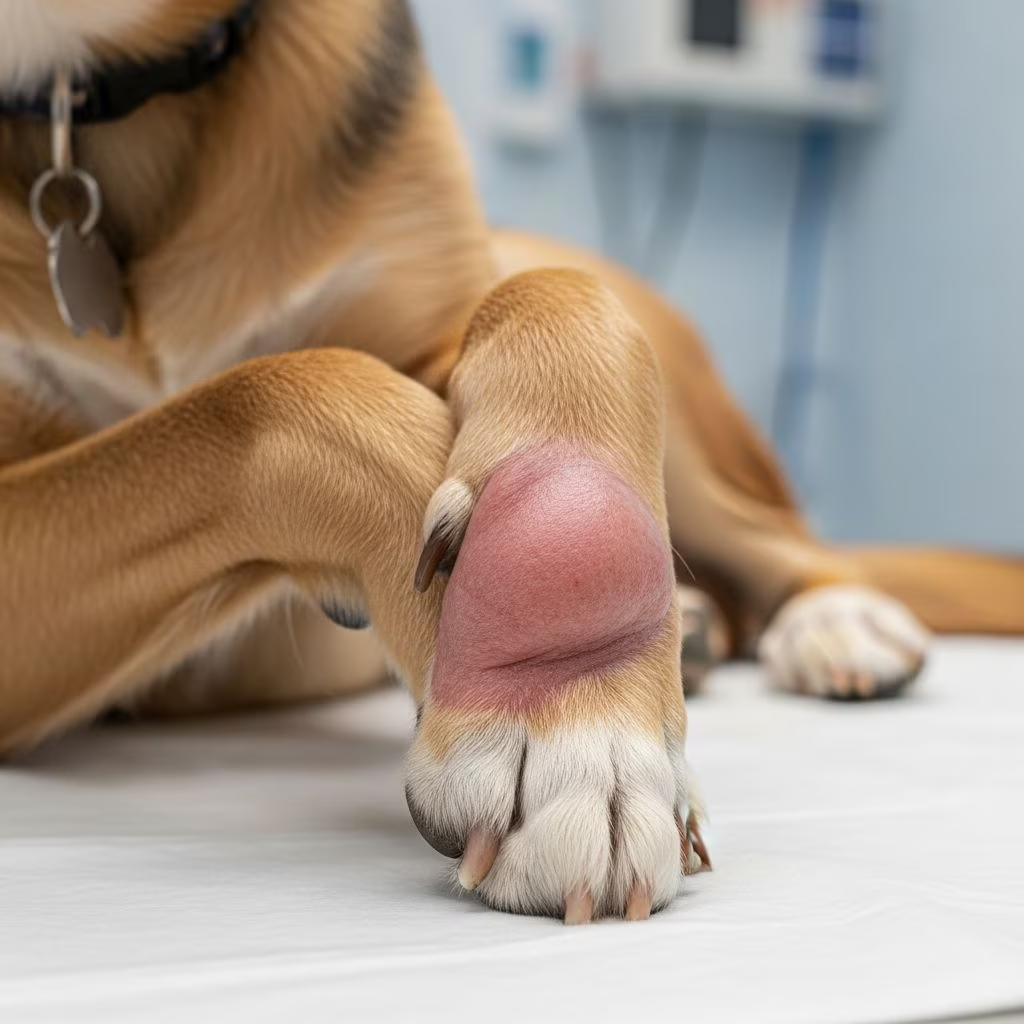
Swollen paws in dogs are a frequent concern for pet owners, often signaling underlying issues ranging from minor irritations to serious medical conditions. Prompt recognition and action can prevent complications and restore your dog’s comfort.
Recognizing the Signs of a Swollen Paw
Early detection is key to addressing paw swelling effectively. Look for visible puffiness around the paw pads, toes, or between them, which may make the paw appear larger than usual. Dogs often limp, favor the affected leg, or hold it up to avoid pressure. Excessive licking or chewing at the spot is common, sometimes leading to further irritation or hair loss. The skin might feel warm, show redness, or produce discharge if infection sets in. In severe cases, your dog may yelp in pain or become reluctant to walk.
Compare both paws side-by-side to confirm swelling, as subtle changes can be overlooked. Note any recent activities like walks on rough terrain or exposure to new environments, which could provide clues.
Everyday Triggers: Injuries and Trauma
Physical injuries top the list of reasons for paw swelling. Active dogs frequently encounter thorns, glass shards, or sharp rocks during play or exploration, causing cuts or punctures that trigger inflammation. Twisted ankles from roughhousing or slips can sprain ligaments, leading to fluid buildup. Burns from hot pavement in summer or frostbite in winter also inflame paw pads, making them tender and enlarged.
Foreign objects lodged between toes or pads exacerbate the problem, trapping debris and promoting bacterial growth. Broken nails or toes from catching on objects add to the trauma, often with bleeding and intense pain.
Home Inspection Tips
- Gently part the fur and pads to check for cuts, splinters, or embedded items.
- Feel for heat, unusual lumps, or grinding sensations indicating fractures.
- Avoid forcing the paw if your dog resists, to prevent worsening the injury.
Infections: Bacterial, Fungal, and Yeast Overgrowth
Infections frequently complicate wounds, turning minor scrapes into swollen, painful areas. Bacteria enter through breaks in the skin, causing pus-filled abscesses, redness, and a foul smell. Fungal issues, like yeast thriving in moist environments, lead to itchy, thickened pads with a musty odor. Dogs prone to allergies or those with damp paws from swimming are at higher risk.
Unchecked infections can spread upward along the leg or systemically, requiring antibiotics or antifungal medications. Early cleaning with mild antiseptic solutions helps, but veterinary confirmation via cytology or culture is often needed.
Allergic Responses and Environmental Irritants
Allergies provoke immune reactions that inflame paws, especially in breeds like Bulldogs or Retrievers. Contact with grasses, pollen, de-icing salts, or household cleaners causes contact dermatitis, marked by red, itchy swelling. Food sensitivities manifest similarly if allergens contact the paws during licking. Symptoms include relentless chewing, hives, and secondary infections from broken skin.
Insect stings from bees, wasps, ants, or spiders inject venom that swells tissue rapidly. Mild cases resolve with cold compresses, but anaphylaxis—hives, vomiting, breathing issues—demands emergency care.
| Feature | Allergy Indicators | Injury Indicators |
|---|---|---|
| Appearance | Itchy, red, no puncture | Cut, bleeding, debris |
| Behavior | Chewing both paws | Limping one paw |
| Other Signs | Sneezing, ear issues | Visible wound |
Chronic and Systemic Conditions
Beyond acute problems, ongoing diseases contribute to paw swelling. Arthritis in senior dogs causes joint effusion and stiffness, worsening after exercise. Autoimmune disorders like lupus attack paw tissues, leading to ulcers and crusting. Pododermatitis, a broad term for pad inflammation, stems from genetics, obesity, or immune dysfunction.
Tumors, though rare, present as firm masses that grow, potentially benign cysts or malignant cancers needing biopsy. Heart or circulatory issues cause leg edema extending to paws, often bilateral.
Parasites like ticks or mites burrow, creating localized swellings alongside itching and scabs.
Step-by-Step Home Care Strategies
While not a substitute for professional advice, initial home measures can alleviate mild swelling. Soak the paw in cool water mixed with Epsom salts for 10 minutes to reduce inflammation. Pat dry thoroughly to prevent moisture-loving infections. Apply a pet-safe antibiotic ointment and wrap loosely with gauze, changing daily.
- Isolate the paw: Use a cone collar to stop licking.
- Cold therapy: Ice packs wrapped in cloth for 5-10 minutes, several times daily.
- Elevate: Encourage rest with the leg raised when possible.
- Monitor: Track changes over 24-48 hours.
Avoid human painkillers like ibuprofen, which are toxic to dogs.
Understanding When Veterinary Intervention is Essential
Seek a vet if swelling persists beyond 48 hours, worsens, or accompanies lethargy, fever, or multiple limb involvement. Rapid swelling post-outdoor activity might indicate snakebites, a life-threatening emergency with tissue necrosis. Diagnostics include X-rays for fractures, blood tests for systemic disease, or skin scrapes for infections.
Treatments vary: Antibiotics for bacteria, steroids for allergies, surgery for tumors or deep wounds. Pain management and joint supplements aid chronic cases.
Preventive Measures for Healthy Paws
Protection starts with routine care. Trim nails regularly to prevent cracks. Moisturize dry pads with vet-approved balms. Booties shield from extremes—hot sidewalks or icy salts. Wipe paws post-walks to remove irritants. Maintain flea/tick preventives and a hypoallergenic diet if allergies are suspected.
Regular check-ups catch early arthritis or immune issues. Weight control reduces joint stress.
Frequently Asked Questions (FAQs)
Can I pop a swollen spot on my dog’s paw?
No—puncturing abscesses risks spreading infection. Let a vet drain it safely.
How long does swelling from a bee sting last?
Typically 24-72 hours with care, but monitor for allergic escalation.
Is paw swelling always painful?
Often yes, shown by limping, but chronic cases may desensitize dogs.
What breeds are prone to paw allergies?
Those with skin folds like Shar-Peis or atopic lines like Labs.
Should I walk my dog with a swollen paw?
Minimize activity; short leash walks only until resolved.
References
- Reasons Your Dog’s Paw is Swollen — Dyer Animal Clinic. 2023. https://dyeranimalclinic.com/blog/dogs-paw-is-swollen/
- 6 Reasons a Dog’s Paw is Swollen and What to Do — Cornell University College of Veterinary Medicine. 2024. https://ccahweb.com/veterinary-blog/swollen-dog-paw/
- Swollen Dog Paws in Tulsa, OK: Causes and Treatment — Animal Emergency Center of Tulsa. 2023. https://aectulsa.com/blog/swollen-dog-paws/
- Why Are My Dog’s Paws Swollen? — Shawsheen Animal Hospital. 2024. https://shawsheenanimalhospital.com/blog/why-are-my-dogs-paws-swollen/
- Swollen Paws in Dogs Treatments — PetMD. 2025. https://www.petmd.com/dog/emergency/accidents-injuries/e_dg_swollen_paws



