

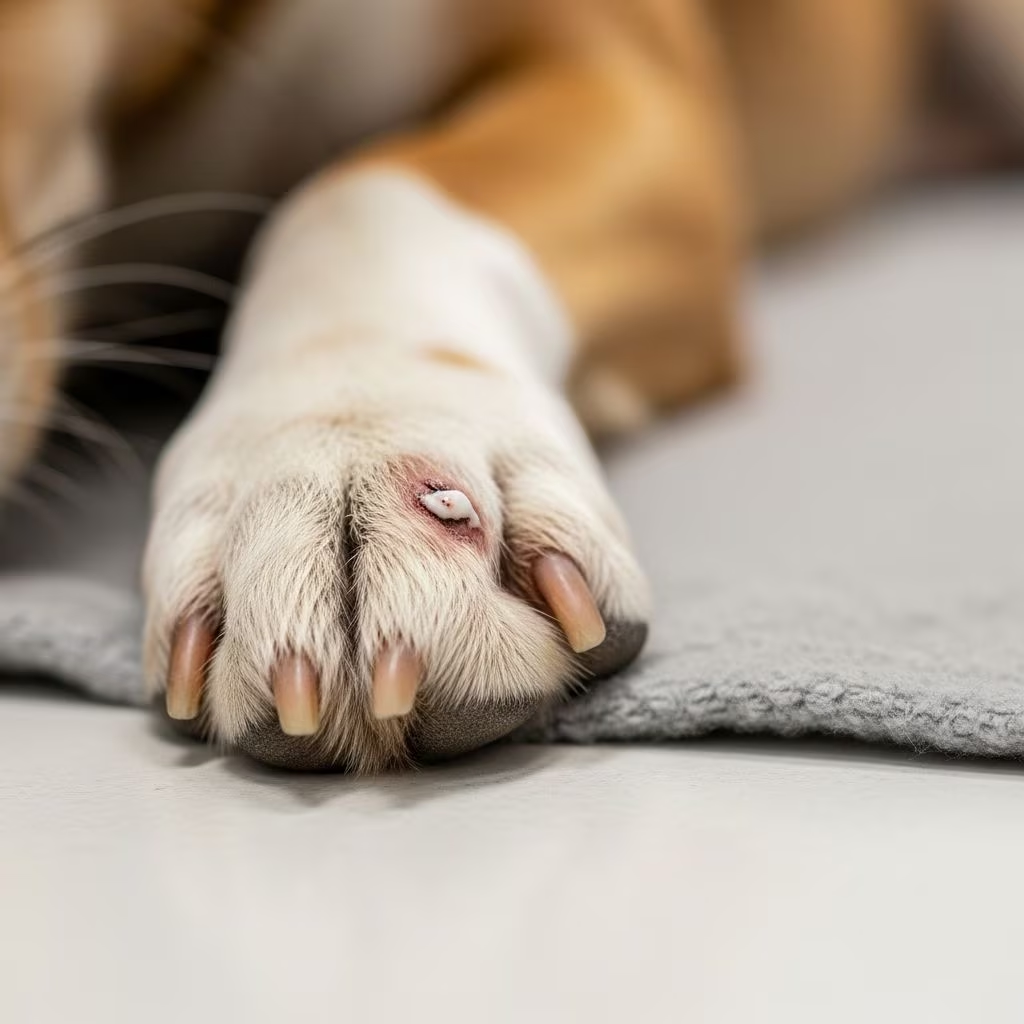
Dog paw pads endure constant wear from walking, running, and playing on varied surfaces. These tough skin layers protect bones, joints, and nerves but can suffer cuts, burns, tears, or abrasions. Prompt recognition and care prevent complications like infections or chronic lameness.
Understanding Paw Pad Structure and Vulnerabilities
Paw pads consist of thick, durable skin with fat cushions, sweat glands, and webbing between toes. They absorb shock, provide traction, and regulate temperature. Despite resilience, exposure to rough terrain, chemicals, or heat makes them prone to damage. Breeds with thin pads, like Greyhounds, or active outdoor dogs face higher risks.
Common Types of Paw Pad Trauma
Paw injuries vary by cause and severity. Here’s a breakdown:
- Cuts and Lacerations: Sharp objects like glass or rocks slice pads, often causing flaps of loose skin.
- Burns: Hot pavement, chemicals, or de-icing salts scorch pads, leading to blisters or charring.
- Abrasions: Rough surfaces grind away top layers, exposing sensitive tissue.
- Punctures: Thorns or nails embed deeply, risking foreign body retention.
- Tears or Flaps: Partial pad detachment from trauma, common in high-energy play.
Each type demands specific handling to avoid deeper issues like tendon damage.
Recognizing Symptoms of Paw Pad Problems
Early detection improves outcomes. Watch for these signs:
- Sudden limping or reluctance to bear weight on one paw.
- Excessive licking, chewing, or biting at the foot.
- Bleeding, oozing pus, or visible wounds.
- Swelling, redness, warmth, or discoloration.
- Crying out in pain or behavioral changes like lethargy.
Minor issues might resolve with home care, but persistent symptoms warrant professional evaluation.
Immediate First Aid Steps for Injured Paws
Act quickly but calmly. Follow these steps:
- Secure the Dog: Muzzle if needed to prevent bites during handling.
- Stop Bleeding: Apply gentle pressure with a clean cloth for 5-10 minutes. Elevate the paw if possible.
- Clean Thoroughly: Flush with cool water, mild soap, saline, or antiseptics like chlorhexidine. Remove debris carefully.
- Assess Depth: Shallow wounds need protection; deep ones require vet stitches.
- Bandage Properly: Use non-stick gauze, antibiotic ointment, padding, and cohesive wrap. Avoid tightness to prevent swelling.
For burns, cool under running water (not ice) for 5 minutes to ease pain and reduce damage.
Bandaging Techniques and Best Practices
Effective bandaging protects healing tissue. Key tips:
| Layer | Material | Purpose |
|---|---|---|
| Primary | Non-stick pad + antibiotic cream | Wound contact, infection prevention |
| Secondary | Gauze or cotton | Absorbency, cushioning |
| Tertiary | Cohesive bandage | Secure fit without constriction |
Change daily or if wet/soiled. Use an E-collar to stop licking. Monitor toes for swelling—loosen if cold or blue.
Advanced Treatment from Veterinary Professionals
Severe cases need vet intervention. Options include:
- Sutures or Surgical Repair: For deep lacerations or large flaps.
- Antibiotics: Oral or topical to combat infection risks like cellulitis.
- Pain Management: Medications for comfort during recovery.
- Splints: Immobilize for burns or mobility issues.
- Debridement: Remove dead tissue in burns or necrotic pads.
In extreme scenarios, like full pad loss or osteomyelitis, conservative healing or amputation may be advised.
Monitoring for Complications and Infections
Infections develop fast due to ground contact. Red flags:
- Increasing swelling, heat, or pus.
- Foul odor or fever.
- Worsening lameness despite care.
- Systemic signs like lethargy.
Contact your vet immediately if noticed. Complications like bone infections can lead to fractures.
Home Recovery and Healing Timeline
Healing varies: mild abrasions take 7-10 days; severe burns or sloughs need weeks. Support with:
- Restricted activity—short leash walks only.
- Regular cleaning and bandage changes.
- Nutrient-rich diet for tissue repair.
- Booties post-bandage for protection.
Patience is key; pads regenerate slowly due to constant use.
Preventing Future Paw Pad Injuries
Proactive steps reduce risks:
- Inspect paws after outdoor activities.
- Use booties on hot, icy, or rough surfaces.
- Moisturize dry/cracked pads with vet-approved balms.
- Trim nails and check for foreign objects regularly.
- Avoid hazardous areas like untreated sidewalks.
Breeds with sensitive paws benefit from padded booties during hikes.
When to Rush to the Emergency Vet
Seek immediate care for:
- Non-stop bleeding after 10 minutes pressure.
- Exposed bone, tendon, or deep tissue.
- Severe burns with charring/blisters.
- Signs of systemic infection or non-weight-bearing.
Don’t delay—prompt treatment prevents permanent damage.
Frequently Asked Questions (FAQs)
Can paw pads heal on their own?
Yes, with proper cleaning and bandaging, most do via secondary intention healing.
How long do paw pad injuries take to heal?
7-10 days for minor; up to several weeks for severe.
Is Neosporin safe for dog paws?
Use sparingly; consult vet for pet-safe alternatives to avoid licking ingestion.
What if my dog won’t stop licking the bandage?
Fit an E-collar and distract with toys or short activities.
Do all paw injuries need antibiotics?
No, but vets often prescribe for infection-prone wounds.
Long-Term Paw Health Maintenance
Beyond acute injuries, routine care strengthens pads. Regular moisturizing prevents cracking, especially in dry climates. Annual vet checks catch early wear. Active dogs thrive with paw conditioning—gradual exposure to trails builds toughness. Nutrition matters: omega-3s and proteins aid skin integrity. Track pad condition seasonally; winter salts and summer heat demand vigilance. Invest in quality booties for protection without overheating. By integrating these habits, dogs enjoy pain-free adventures year-round.
References
- Paw pad injuries in dogs: treatment and follow-up — Vets and Clinics. 2023. https://www.vetsandclinics.com/en/library/paw-pad-injuries-in-dogs-treatment-and-follow-up
- Dog Paw Pad Injury Flap: How to Help Your Dog — Saratoga Veterinary Hospital. 2024. https://saratogavethosp.com/blog/dog-paw-pad-injury-flap/
- Dog Paw Pad Injury: What to Do for Flaps, Burns, Cuts, & More — ToeGrips. 2023. https://toegrips.com/dog-paw-pad-injury/
- First Aid for Dog Paw Pad Burns and Lacerations — GSVS. 2024. https://gsvs.org/blog/dog-paw-pad-burns-lacerations-emergency/
- Paw Pad Burns on Dogs: What to Do — PetMD. 2024. https://www.petmd.com/dog/general-health/paw-pad-burns-dogs-what-do
- Dog Paw Injury? How to Care for the Wound — CC Animal Clinic. 2023. https://ccanimalclinic.com/news/dog-paw-injury



