

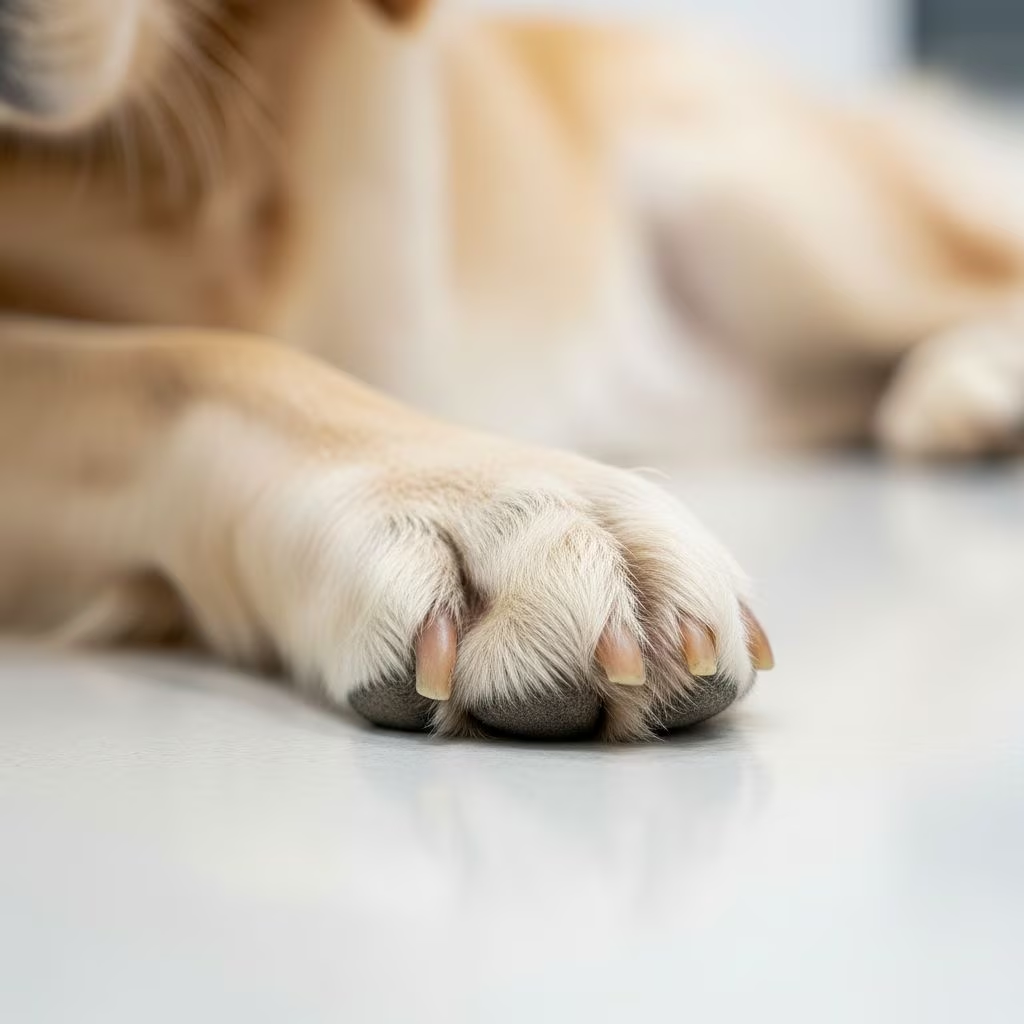
Dogs rely on their paws for nearly everything, from exploring to playing. When paw problems arise, they can cause significant discomfort and limit mobility. This guide covers the most frequent issues affecting canine paws, their symptoms, underlying causes, treatment options, and proactive prevention measures to ensure your dog’s paws stay healthy and strong.
Recognizing Trouble in Your Dog’s Paws
Early detection of paw issues can prevent minor irritations from becoming serious conditions. Watch for these key indicators that something is wrong:
- Excessive licking or chewing on paws
- Limping or reluctance to bear weight on a paw
- Redness, swelling, or warmth around the paw
- Hair loss, lesions, or scabs on or near the pads
- Discharge, bleeding, or foul odors from the paw
- Dry, cracked, or peeling skin on pads
- Changes in nail appearance, like splitting or curling
These symptoms often overlap across different problems, so a thorough inspection is essential. Regularly check your dog’s paws after walks, especially in harsh environments like rough terrain or extreme weather.
Common Injuries to Dog Paws
Injuries are among the most straightforward paw problems to identify and address. They typically result from physical trauma during outdoor activities.
Cuts, Abrasions, and Punctures
Sharp objects like glass, thorns, or rocks can slice into the tough paw pads. Active dogs running on abrasive surfaces such as concrete or gravel may suffer tears or worn pads. Signs include visible wounds, bleeding, and immediate limping. For minor cuts, clean the area with mild antiseptic, apply pressure to stop bleeding, and use a clean bandage. Severe cases require veterinary attention to prevent infection.
Run-Off Pads and Wear
High-energy dogs that sprint on hard-packed dirt, asphalt, or rocks often experience pad separation, where the outer layer peels away from sensitive tissue underneath. This painful condition demands rest, sometimes pain relief, and antibiotics if infection sets in.
Nail-Related Damage
Overgrown, broken, or ingrown nails cause sharp pain and can lead to infections. Quick inspection during grooming helps; trim nails regularly or seek professional help. Bleeding or chipped nails beyond minor damage warrant a vet visit for proper trimming or removal.
Infections: Bacterial, Yeast, and Fungal Threats
Paws provide a warm, moist environment ideal for microbial growth, especially if licking introduces bacteria.
- Bacterial Infections: Redness, swelling, pus, and a foul smell signal bacterial overgrowth. Often secondary to injuries or allergies.
- Yeast Infections: Recognized by a distinctive corn-chip odor, flaky or greasy skin, and intense itching. Common between toes.
- Fungal Issues like Ringworm: Circular lesions, hair loss, and scaling. Highly contagious, requiring prompt isolation and treatment.
Vets diagnose via skin scrapes or cultures, prescribing topical washes, oral antibiotics, or antifungals. Chronic cases may need extended therapy.
Allergies and Their Paw Impact
Allergies frequently manifest in paws due to constant ground contact. Environmental allergens like pollen or grass cause itchy feet, leading to licking that stains fur rusty brown. Food allergies or contact irritants exacerbate this.
Treatment starts with identifying triggers through vet testing or elimination diets. Antihistamines like Benadryl offer relief for mild cases, while severe ones benefit from Apoquel, Cytopoint injections, or immunotherapy. Omega-3 supplements support skin health. Untreated allergies invite secondary infections.
Environmental Hazards: Burns and Frostbite
Extreme temperatures pose direct threats to paw pads.
| Condition | Causes | Signs | Treatment |
|---|---|---|---|
| Heat Burns | Hot asphalt, sand, or pavement in summer | Blisters, loose skin flaps, red ulcers | Cool water, antibacterial wash, booties; vet for severe cases with bandages and meds |
| Chemical/Frost Burns | De-icing salts, chemicals, or icy surfaces in winter | Cracked pads, swelling, pain | Warm soapy soak, paw wax; avoid human lotions |
Prevention is critical: Test pavement heat with your hand before walks, use booties, and rinse paws post-exposure.
Parasites Targeting Paws
Outdoor dogs risk ticks, mites, and foxtails embedding between toes or pads. Ticks transmit diseases, causing swelling and lameness. Mites lead to mange-like irritation.
Daily checks and tick preventives are key. Remove parasites with tweezers, clean wounds, and monitor for illness. Vet-prescribed treatments handle infestations.
Autoimmune and Chronic Conditions
Rarer but serious, pododermatitis involves paw inflammation with redness, nodules, and lameness. Pemphigus foliaceus, an autoimmune disorder, produces crusty sores and predisposes to infections. Immunosuppressants and infection control form treatment.
Home Care and Prevention Strategies
Proactive care minimizes risks:
- Massage pads weekly to boost circulation and spot issues early.
- Moisturize dry pads with vet-approved wax, not human products.
- Trim nails monthly and keep fur between toes groomed.
- Post-walk paw rinses remove irritants, salts, or allergens.
- Use protective booties on hot/cold/rough surfaces.
- Maintain flea/tick prevention and a balanced diet rich in skin-supporting nutrients.
For injuries: Clean gently, apply pet-safe antibiotic ointment, and bandage loosely. Limit activity until healed.
When to Consult a Veterinarian
Seek professional help if symptoms persist beyond 24-48 hours, worsen, or include fever, lethargy, or refusal to eat. Deep punctures, heavy bleeding, or suspected fractures need immediate care. Diagnostic tools like cytology or imaging guide targeted therapy.
Frequently Asked Questions (FAQs)
Why does my dog lick its paws constantly?
Commonly due to allergies, infections, or injuries. Persistent licking signals an underlying issue needing vet evaluation.
Can I treat paw infections at home?
Mild cases may improve with cleaning and soaks, but most require prescription meds to fully resolve.
How do I prevent hot pavement burns?
Walk in early morning or evening, use booties, and test surfaces with your hand.
What if my dog’s nail is bleeding?
Apply styptic powder or cornstarch to stop bleeding. See a vet if it doesn’t clot quickly or pain persists.
Are paw balms safe for dogs?
Yes, if formulated for pets. They hydrate pads without softening them excessively.
Long-Term Paw Health for Active Dogs
For breeds prone to paw woes like hounds or working dogs, integrate paw conditioning into routines. Gradual exposure to varied terrains builds resilience. Annual vet paw exams catch subtle changes. With diligent care, your dog can enjoy pain-free adventures year-round.
References
- Dog Paw and Claw Problems — Whole Dog Journal. 2023-05-15. https://www.whole-dog-journal.com/care/dog-paw-and-claw-problems/
- Common Dog Paw Problems and How to Prevent Them — Continental Kennel Club. 2025-05-01. https://ckcusa.com/blog/2025/may/common-dog-paw-problems-and-how-to-prevent-them/
- Common Dog Paw Problems And How to Prevent Them — Orvis News. 2024-07-10. https://news.orvis.com/dogs/common-dog-paw-problems-prevent
- 7 Common Dog Paw Issues and What to Do About Them — YouTube (Veterinary Channel). 2023-11-20. https://www.youtube.com/watch?v=OIemsD2VZT4
- 5 Common Issues That Could Be Plaguing Your Dog’s Paws — Wagwell Pet. 2024-02-14. https://wagwellpet.com/blogs/wagwell-blog/common-paw-health-issues
- Dog Paw Problems | Causes, Signs and Treatment of Infections — PetAssure. 2023-09-05. https://www.petassure.com/new-newsletters/paw-problems/
- Paws, Pads, and Snouts: When Pup Noses and Toes Need TLC — Vetericyn. 2024-01-22. https://vetericyn.com/blogs/vetericyn/paws-pads-snouts



