

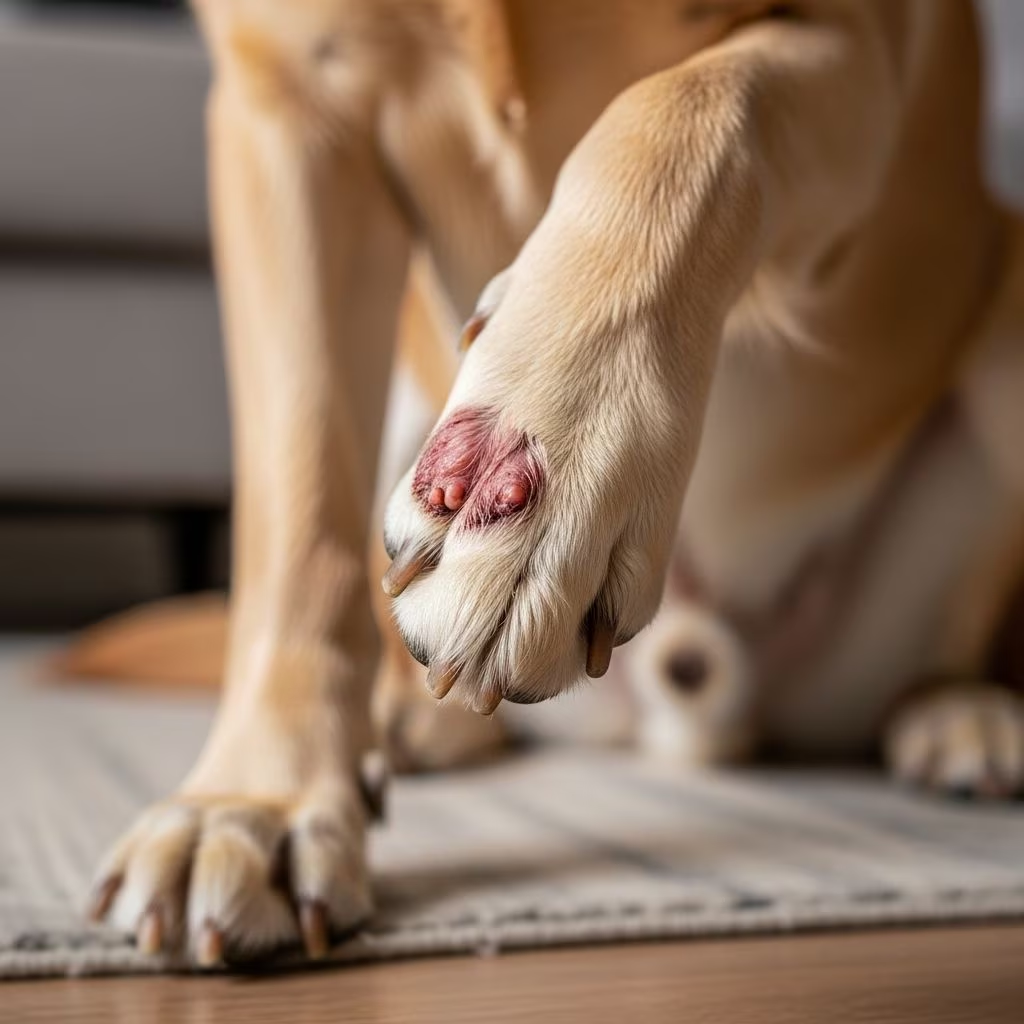
Paw inflammation, medically referred to as pododermatitis, represents one of the most common health concerns affecting dogs across all breeds and ages. This condition involves inflammation of the skin covering the paws, and can extend to affect the paw pads, nail beds, and surrounding tissue structures. When your dog develops pododermatitis, the affected areas become noticeably red, swollen, and tender, often leading to excessive licking, chewing, or limping. Understanding this condition is essential for dog owners, as early recognition and appropriate intervention can prevent complications and improve your pet’s quality of life.
What Exactly Is Paw Inflammation?
Pododermatitis is fundamentally an inflammatory response affecting the dermal and subdermal layers of the paw region. The condition can manifest as isolated inflammation in a single paw or affect multiple paws simultaneously. In severe cases, the inflammation progresses to ulceration, skin breakdown, and lameness that prevents normal weight-bearing and locomotion. The condition is particularly challenging because it rarely occurs as an isolated problem; instead, paw inflammation typically serves as a secondary manifestation of an underlying systemic or localized disease process.
The paws are particularly vulnerable to inflammatory conditions because they are constantly exposed to environmental irritants, pathogens, and traumatic injury. Additionally, the interdigital spaces—the areas between the toes—create a warm, moist microenvironment that promotes bacterial and fungal proliferation.
Primary Factors Contributing to Paw Inflammation
Allergic Reactions and Hypersensitivity
Allergic disease represents the most prevalent underlying cause of pododermatitis in veterinary practice. Dogs can develop hypersensitivity reactions through multiple pathways, including environmental exposure, dietary consumption, and direct contact with irritating substances. Environmental allergies (atopy) occur when dogs inhale allergens such as pollen, dust mites, or mold spores. These allergic responses trigger inflammatory cascades within the skin, causing pruritus (itching) that manifests prominently in the paw region. Food-related allergies develop when dogs consume proteins or other components to which they have developed sensitivity, with common culprits including chicken, beef, wheat, and corn. Contact dermatitis occurs when dogs’ paws contact irritating substances such as cleaning chemicals, salt used for de-icing, or certain plants.
Infectious Agents and Microbial Colonization
Bacterial and fungal infections commonly develop secondarily to other paw conditions, though they can occasionally initiate pododermatitis independently. Bacterial infections frequently involve Staphylococcus intermedius and other coagulase-positive staphylococci. These organisms proliferate rapidly in the warm, moist environment of affected paws, producing localized pyoderma (pustule formation) and purulent discharge. Fungal infections, particularly those caused by Malassezia species (a yeast organism), create distinctive clinical presentations with maceration of skin, redness, and characteristic odor. Deep fungal infections are less common but can establish following traumatic injury or when foreign bodies introduce organisms into deeper tissue layers.
Structural and Anatomical Predispositions
Certain dog breeds and individual conformations predispose animals to increased pododermatitis risk. Dogs with splayed feet experience abnormal weight distribution across the interdigital webbing and haired skin surrounding the paw pads, creating chronic irritation and inflammation. Spaniel breeds and other dogs with short, bristly interdigital hairs frequently develop interdigital granulomas when hair shafts penetrate skin follicles and trigger foreign body reactions. Additionally, dogs with excessive skin folds or those carrying excess weight place additional mechanical stress on paw structures, exacerbating inflammatory responses.
Parasitic Infestation
Mange mites, including Demodex and Sarcoptes species, can localize to paws and produce intense inflammation and pruritus. Demodex proliferation typically occurs in immunocompromised individuals or young puppies with developing immune systems. Sarcoptic mange is highly contagious and produces severe itching that frequently manifests in paw lesions.
Systemic and Hormonal Diseases
Endocrine disorders significantly influence paw health through multiple mechanisms. Hypothyroidism reduces skin integrity and immune competence, predisposing to secondary infections. Hyperadrenocorticism (Cushing’s disease) suppresses immune function and thins the skin barrier. Hepatocutaneous syndrome associates with liver dysfunction and produces characteristic paw lesions. Immune-mediated diseases such as pemphigus foliaceus and systemic lupus erythematosus target skin structures directly, causing paw involvement as part of generalized disease.
Traumatic Injury and Foreign Body Penetration
Sharp objects including thorns, foxtails, glass fragments, and pebbles frequently embed within paw tissue during outdoor activities. These foreign bodies drive bacteria into deeper tissue layers and trigger granulomatous inflammatory responses. Burns, abrasions, and puncture wounds create entry points for secondary infections while causing direct tissue damage and pain.
Clinical Presentation and Recognition
Dogs with paw inflammation exhibit characteristic signs that alert observant owners to seek veterinary evaluation:
- Excessive paw licking and chewing represents the most noticeable behavioral change, with affected dogs spending prolonged periods attending to their feet
- Visible redness and swelling affects the paw pads, interdigital spaces, and surrounding skin
- Salivary staining creates distinctive brown discoloration on white fur from chronic licking
- Nodules and lumps develop as inflammation progresses, sometimes forming interdigital granulomas
- Discharge and drainage occur in infected cases, ranging from seropurulent to frankly purulent
- Lameness and reluctance to bear weight develop when pain becomes significant
- Alopecia occurs from constant licking and mechanical trauma
- Hyperpigmentation develops in chronic cases as the skin responds to ongoing inflammation
- Odor develops when yeast infections predominate
Diagnostic Approach and Assessment
Veterinarians employ multiple diagnostic strategies to identify underlying causes before initiating treatment. A comprehensive history documents onset timing, progression pattern, seasonality, and response to previous treatments. Physical examination includes careful paw inspection, skin scrapings to detect parasites, and fungal cultures when yeast infection is suspected. Bacterial cultures identify specific pathogens and antimicrobial sensitivities in infected cases. Allergy testing through intradermal skin testing or serology helps identify allergic triggers. Imaging studies including radiographs may reveal foreign bodies or bone involvement in severe cases. Biopsy provides definitive diagnosis for immune-mediated diseases and neoplastic conditions.
Treatment Strategies and Management Approaches
Antimicrobial Therapies
When bacterial infections are identified or suspected, systemic antibiotic therapy typically continues for a minimum of six weeks to eliminate deep infections and prevent recurrence. Oral antibiotics penetrate tissue more effectively than topical applications for deep pyoderma. Topical treatments including benzoyl peroxide washes, chlorhexidine solutions, and medicated pads provide adjunctive benefits. Antifungal medications address yeast colonization through oral agents like fluconazole or topical products such as miconazole-containing shampoos and wipes.
Anti-Inflammatory and Immunomodulatory Medications
Corticosteroids including prednisone and dexamethasone suppress inflammatory responses and provide symptomatic relief in allergic cases. Immune-modulating drugs such as cyclosporine (Atopica) and oclactinib (Apoquel) address underlying allergic disease through novel mechanisms. Immunotherapeutic injections of lokivetmab (Cytopoint) provide targeted IL-31 pathway inhibition for allergic pododermatitis. Antihistamines offer mild anti-inflammatory benefits while addressing pruritus in allergic patients.
Topical Paw Care Protocols
Regular paw soaking in Epsom salt solutions promotes drainage and reduces bacterial burden. Medicated wipes facilitate daily cleansing and infection prevention. Specialized shampoo formulations cleanse affected areas while delivering therapeutic agents. Protective measures including paw booties or bandaging prevent contamination and reduce trauma during the healing phase.
Addressing Underlying Allergic Disease
Food-related allergies require elimination diet trials lasting 8-12 weeks to identify and avoid offending proteins. Environmental allergies necessitate either allergen avoidance when practical or long-term immunotherapy through hyposensitization vaccines. Contact allergies resolve through identification and avoidance of causative irritants. Humidified environments and paw rinsing after outdoor exposure reduce environmental allergen exposure.
Management of Systemic Diseases
Endocrine disorders require appropriate hormone replacement or suppression therapy. Immune-mediated diseases necessitate lifelong immunosuppressive therapy with regular monitoring. Neoplastic causes may require surgical intervention, radiation therapy, or chemotherapy depending on cancer type and extent.
Comparison of Common Pododermatitis Causes
| Underlying Cause | Typical Onset | Primary Clinical Signs | Treatment Focus | Prognosis |
|---|---|---|---|---|
| Food Allergies | Gradual, year-round | Pruritus, paw licking | Elimination diet | Good with dietary management |
| Environmental Allergies | Seasonal or chronic | Pruritus, erythema | Immunotherapy, steroids | Manageable, not curable |
| Bacterial Infection | Acute to subacute | Drainage, swelling, pain | Antibiotics, topical therapy | Good with appropriate antibiotics |
| Yeast Infection | Gradual | Redness, odor, maceration | Antifungals, acidifying agents | Good with maintenance therapy |
| Foreign Body | Acute | Lameness, swelling, discharge | Foreign body removal | Excellent once removed |
| Parasitic Infection | Variable | Intense pruritus, hair loss | Parasiticide therapy | Good with appropriate treatment |
Can Paw Inflammation Resolve Without Treatment?
Pododermatitis will not resolve spontaneously without appropriate medical intervention. The condition typically progresses with time, leading to increasingly severe inflammation, secondary infections, and potentially permanent tissue damage. Self-limiting cases involving minor trauma or contact irritation may improve if the causative exposure ceases, but allergic and infectious causes require active management. Delaying treatment allows secondary bacterial and fungal infections to establish, complicating resolution and extending recovery timelines. Early veterinary consultation prevents progression to chronic, treatment-resistant disease.
Long-Term Management Considerations
Many dogs with pododermatitis require ongoing, lifelong management. Allergic pododermatitis cannot be cured but can be controlled through continuous medication and environmental modification. Chronic cases may necessitate periodic medication adjustments as dogs’ responses change. Regular veterinary monitoring prevents undetected recurrence and identifies emerging complications. Owner compliance with treatment protocols significantly influences long-term outcomes. Dogs with allergic or immune-mediated pododermatitis benefit from owner education regarding disease chronicity and realistic therapeutic goals focused on minimizing clinical signs rather than achieving permanent cure.
Frequently Asked Questions
Can dogs develop paw inflammation from food allergies?
Yes, food allergies represent a common pododermatitis trigger. Young to middle-aged dogs frequently manifest food allergies through paw licking and chewing. Elimination diet trials lasting 8-12 weeks help identify offending proteins. Once identified, permanent dietary avoidance prevents recurrence.
What preventive measures reduce pododermatitis risk?
Regular paw inspection and cleaning after outdoor activities removes potential irritants and foreign bodies. Keeping paw webbing trimmed reduces moisture retention. Protective footwear shields paws from harsh chemicals and environmental irritants. Prompt treatment of minor paw injuries prevents infection establishment. Maintaining optimal body weight reduces mechanical stress on paws.
How long does pododermatitis treatment typically require?
Bacterial infections require minimum six-week antibiotic courses. Allergic cases require ongoing management, often indefinitely. Most dogs show improvement within 2-4 weeks of appropriate treatment initiation, though complete resolution may require longer periods depending on underlying cause severity.
Does pododermatitis affect certain dog breeds more frequently?
Breeds with splayed feet, excessive interdigital hair, or constitutional predispositions to allergic disease experience higher incidence rates. However, pododermatitis can develop in any breed, with individual susceptibility depending on underlying conditions rather than breed alone.
References
- Pododermatitis in Dogs — VCA Animal Hospitals. 2024. https://vcahospitals.com/know-your-pet/pododermatitis-in-dogs
- Canine Pododermatitis — National Center for Biotechnology Information. 2016. https://pmc.ncbi.nlm.nih.gov/articles/PMC4982575/
- Differential Diagnoses for Canine Pododermatitis — DVM360. 2014. https://www.dvm360.com/view/differential-diagnoses-canine-pododermatitis-proceedings
- Pododermatitis in Dogs — PetMD. 2024. https://www.petmd.com/dog/conditions/skin/pododermatitis-dogs
- Dog Licking Paw: Symptoms & Treatment — Saratoga Veterinary Hospital. 2024. https://saratogavethosp.com/blog/pododermatitis-dog-paw/
- Pododermatitis in Dogs — Douxo. 2024. https://douxo.de/blogs/dog-news/pododermatitis-in-dogs



