
Complete Guide to Dog Paw Health and Protection
Learn essential strategies to keep your dog's paws healthy, protected, and pain-free year-round.
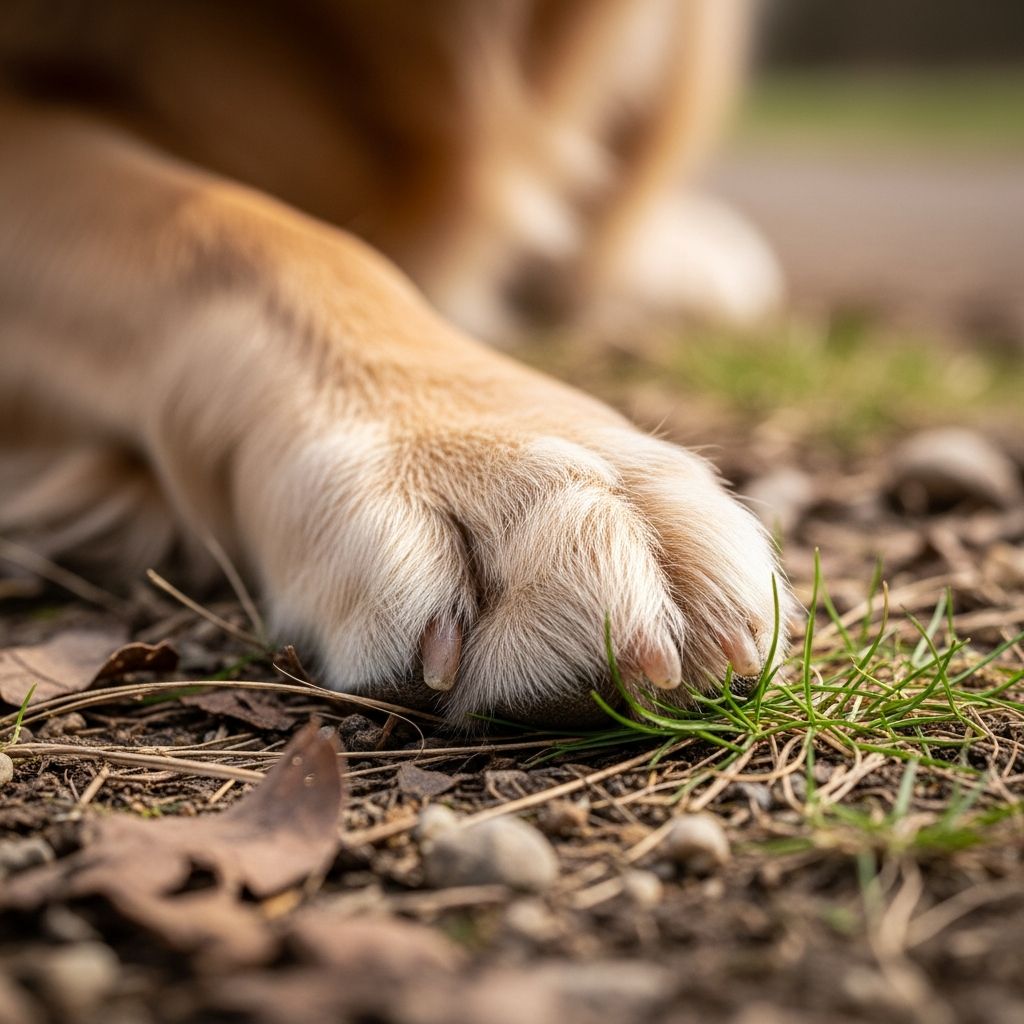
Your dog’s paws are among the most hardworking and vulnerable parts of their body. These remarkable structures carry your canine companion through countless adventures, yet they receive relatively little attention from many pet owners. Understanding how to properly maintain and protect your dog’s paws is essential for their overall comfort, mobility, and long-term health. This comprehensive guide explores evidence-based strategies to keep your dog’s paws in optimal condition throughout every season.
Understanding Your Dog’s Paw Structure and Vulnerability
Dog paw pads consist of specialized tissue composed of fatty layers, elastic fibers, and multiple skin layers that work together to provide cushioning, traction, and protection. This complex structure makes paws uniquely vulnerable to various environmental hazards and injuries. Unlike human feet, dog paws lack sweat glands on the pads themselves, meaning they cannot naturally cool or moisturize as effectively. The constant contact between paw pads and various surfaces exposes them to temperature extremes, chemical substances, sharp objects, and infectious agents.
Because paw pads are constantly engaged during walking, running, and play, they experience significant wear and tear. Recognizing that paw health directly impacts your dog’s overall quality of life and mobility is the first step toward implementing a dedicated care routine.
Establishing a Regular Inspection Protocol
Developing a consistent inspection habit represents one of the most critical preventive measures you can adopt. Regular examination allows you to identify problems before they become serious complications that might require veterinary intervention.
What to Look For During Inspections
- Surface cracks or fissures that may indicate dryness or excessive pressure
- Color changes including redness, discoloration, or unusual pigmentation
- Swelling or inflammation around the pads or between toes
- Foreign objects such as burrs, thorns, small stones, or dangerous plant material like foxtails embedded in the pad tissue
- Signs of infection including discharge, foul odor, or unusual warmth
- Excessive licking or chewing at the paws, which may indicate discomfort or irritation
To conduct a thorough inspection, gently spread your dog’s toes apart and examine the webbing between them, as this area frequently traps debris and moisture. Check underneath the nails and inspect the sides of each pad carefully. Perform these inspections weekly or after outdoor activities that might expose your dog to hazardous environments.
Implementing an Effective Cleaning Routine
Post-activity paw cleaning serves multiple purposes: it removes potentially harmful substances, reduces allergen exposure, prevents infection, and gives you an opportunity to inspect for injuries. Your cleaning approach should adapt to your dog’s lifestyle and the environments they frequent.
Daily Cleaning Practices
After each outdoor excursion, dedicate time to cleaning your dog’s paws thoroughly. A simple approach involves using a spray bottle filled with lukewarm water to moisten the paws, followed by gentle wiping with a clean cloth to remove visible debris. This method effectively eliminates dirt, pollen, and other surface contaminants without requiring elaborate equipment.
For dogs with sensitive skin or those exposed to particularly dirty environments, consider using a gentle dog-specific cleanser during deeper cleaning sessions. Ensure you thoroughly dry the paws after cleaning, as moisture trapped between toes can create conditions favorable for fungal or bacterial growth. Many pet owners find that establishing a cleaning station near their home’s entrance—stocked with cloths, spray bottles, and treats—makes this routine more manageable and sustainable.
Specialized Cleaning Situations
When your dog has walked on salt-treated surfaces during winter months, washing and drying their paws becomes even more critical, as road salt can irritate sensitive pad tissue and potentially cause chemical burns. For dogs that develop ice accumulation between their toes, apply paw wax before washing to facilitate easier removal of frozen material. Portable paw washers designed specifically for this purpose can streamline the process and reduce mess associated with traditional bathing methods.
Seasonal Paw Protection Strategies
Your dog’s paw care needs vary significantly across seasons, with each time of year presenting distinct challenges and vulnerabilities.
Summer Paw Protection
During hot months, the primary concern involves preventing burns from overheated surfaces. Asphalt and concrete can reach temperatures that cause painful burns within seconds. Apply the seven-second test: if you cannot hold your bare hand comfortably on pavement for seven seconds, the surface is too hot for your dog’s paws. Plan walks during cooler parts of the day, prioritize shaded routes, and seek grass or dirt surfaces whenever possible. Ensure your dog has access to cool, fresh water throughout outdoor activities, and keep summer walks relatively brief.
Winter Paw Care
Winter presents multiple challenges including freezing temperatures, chemical de-icers, and ice accumulation between toes. Protective paw waxes create a barrier that repels ice, salt, dirt, and harsh chemicals while providing insulation against extreme cold. Products like Musher’s Secret, originally developed for working sled dogs, apply easily and provide effective protection without restricting movement like booties might. Additionally, wash your dog’s paws immediately after winter walks to remove harmful de-icing chemicals that could cause irritation or be ingested during grooming.
Moisturizing and Protecting Paw Pads
Paw pad moisturization addresses one of the most common paw problems: excessive dryness leading to cracking, peeling, and discomfort.
When to Moisturize
Apply moisturizing treatments when you observe visible dryness, cracking, or peeling on the pads. Dry indoor air and cold outdoor temperatures both contribute to this problem. However, exercise caution with over-moisturizing: excessively soft pads become more susceptible to tearing when your dog walks on rough or wet surfaces.
Selecting Appropriate Products
Always use products specifically formulated for canine paws rather than human moisturizers or lotions, as some human products contain ingredients that may be toxic or irritating to dogs. Veterinary-recommended options include paw balms, waxes, and specialized treatments designed to soften and heal pad tissue. Bag Balm, originally developed for livestock, has gained recognition among veterinarians as an effective multi-purpose paw treatment. When uncertainty exists about product safety, consult your veterinarian before application.
Managing Hair Growth and Matting Between Pads
The fur growing between and around paw pads requires regular maintenance to prevent several complications.
Benefits of Regular Trimming
Keeping the hair between paw pads trimmed short provides multiple advantages. Short hair improves traction on slippery surfaces, making your dog more stable during walks. Trimmed paws are significantly easier to inspect and clean, allowing you to identify problems more quickly. Additionally, short hair prevents ice and snow from accumulating between toes during winter months, reducing discomfort and the need for extensive post-walk cleaning.
Addressing Matting Issues
Matted hair between toes can become extremely painful and often leads to secondary problems including excessive licking, hot spots, and skin infections. If you notice matting, attempt gentle removal using olive oil to loosen the mat or careful combing if your dog tolerates it. However, many dogs find this process too uncomfortable, making professional grooming intervention advisable. Professional groomers possess the expertise and appropriate tools to safely remove mats while minimizing pain and preventing skin damage.
Addressing Common Paw Injuries and Infections
Minor Cuts and Abrasions
Minor paw pad injuries respond well to at-home first aid. Clean the affected area with an antibacterial solution or warm water, removing any debris or foreign material. For irritated paws, soaking in warm water mixed with Epsom salts for 15 minutes can provide relief and reduce inflammation. After soaking, thoroughly rinse and dry the area completely. Apply an appropriate topical treatment such as antibiotic ointment, and if necessary, use a silicone scar sheet cut to match the pad’s shape to protect the wound while your dog heals.
When Veterinary Care is Necessary
Consult your veterinarian if cuts show signs of infection, fail to improve within a few days, or if your dog displays persistent limping, intense licking, or bleeding. Deep lacerations, wounds showing signs of infection, or injuries that affect your dog’s mobility require professional evaluation and treatment. Your veterinarian may recommend wrapping the paw, prescribing antibiotics, or using protective coverings during the healing process.
Protective Gear and Equipment Options
Various protective devices can enhance your dog’s paw safety during different activities and seasons.
Paw Booties and Protective Footwear
Dog booties offer excellent protection against extreme temperatures, sharp surfaces, and chemical exposure. However, not all dogs tolerate wearing them comfortably, and poorly fitting booties can cause their own problems. If your dog resists booties, paw wax provides an excellent alternative protective measure.
Paw Washers and Cleaning Tools
Portable paw washers designed specifically for dogs make post-walk cleaning more efficient and less messy. These devices typically feature chambers where you insert your dog’s paws and rinse them quickly without requiring full bathing or hose access.
Supporting Paw Health Through Lifestyle Choices
Exercise Surface Selection
Whenever possible, encourage your dog to exercise on softer surfaces such as grass, dirt, or sand rather than hard pavement or concrete. Hard surfaces create excessive strain on paws, especially during prolonged activities or for senior dogs. When outdoor activities require pavement walking, take regular breaks to prevent paw fatigue and overuse injuries.
Nutritional Support
A protein-rich diet supports healthy skin and paw pad tissue from within. Proper nutrition contributes to the resilience and elasticity of pad tissue, helping them withstand environmental stresses more effectively. Discuss your dog’s specific nutritional needs with your veterinarian to ensure they receive optimal nutrition for paw health.
Frequently Asked Questions About Paw Care
How often should I inspect my dog’s paws?
Establish a weekly inspection routine as part of your regular grooming and care schedule. After outdoor activities in potentially hazardous environments, perform additional spot inspections to check for immediate injuries or debris.
Can I use human moisturizer on my dog’s paws?
No, avoid using human moisturizers unless specifically approved by your veterinarian. Many human products contain ingredients that may irritate or harm your dog’s paw tissue. Always select products formulated specifically for canine paws.
What should I do if my dog won’t stop licking their paws?
Excessive licking may indicate pain, infection, allergies, or anxiety. Inspect the paws carefully for injuries or inflammation, and consult your veterinarian if the behavior persists. They can help identify underlying causes and recommend appropriate treatment.
Are dog booties necessary?
Booties are not strictly necessary for all dogs, but they provide valuable protection during extreme weather conditions or for dogs with sensitive paws. Paw wax offers an effective alternative for dogs that resist wearing footwear.
How can I tell if my dog’s paws are too dry?
Look for visible cracking, peeling, or flaking on the pad surface. Your dog may also display increased licking or apparent discomfort when walking on hard surfaces if paws are excessively dry.
Creating a Sustainable Paw Care Routine
Successful paw maintenance requires establishing consistent habits that become part of your regular pet care routine. Set reminders for weekly inspections, designate a convenient cleaning station for post-walk paw washing, and keep necessary supplies readily accessible. By investing time in preventive paw care now, you protect your dog from painful injuries, infections, and long-term complications that could significantly impact their quality of life and mobility.
Your dog’s paws are truly their foundation—they support every jump, run, and adventure your canine companion experiences. Prioritizing paw health demonstrates your commitment to their overall wellbeing and ensures they can enjoy an active, comfortable life for years to come.
References
- How to Properly Care for Your Dog’s Paw Pads — Preventive Vet. https://www.preventivevet.com/dogs/how-to-properly-care-for-your-dogs-paw-pads
- How to Clean and Care for Your Dog’s Paws — American Kennel Club. https://www.akc.org/expert-advice/health/clean-dog-paws/
- Healthy Dog Paw Pads 101: A Complete Care Guide — BaxterBoo. https://www.baxterboo.com/blog/a.cfm/healthy-dog-paw-pads-101-a-complete-care-guide/
- Paw Care Basics: Essential Tips for Healthy Dog Paws — Paw Oasis Pet Resort. https://pawoasispetresort.com/paw-care-basics-essential-tips-for-healthy-dog-paws/
- Dog Paw Care 2025: Essential Tips for Healthy, Happy Paws — Safford Vets. https://saffordvets.com/doggy-paw-care/
- What You Need to Know: Dog Paw Pad Anatomy — Whole Dog Journal. https://www.whole-dog-journal.com/care/what-you-need-to-know-dog-paw-pad-anatomy/
Similar Articles








Read full bio of Sneha Tete




