

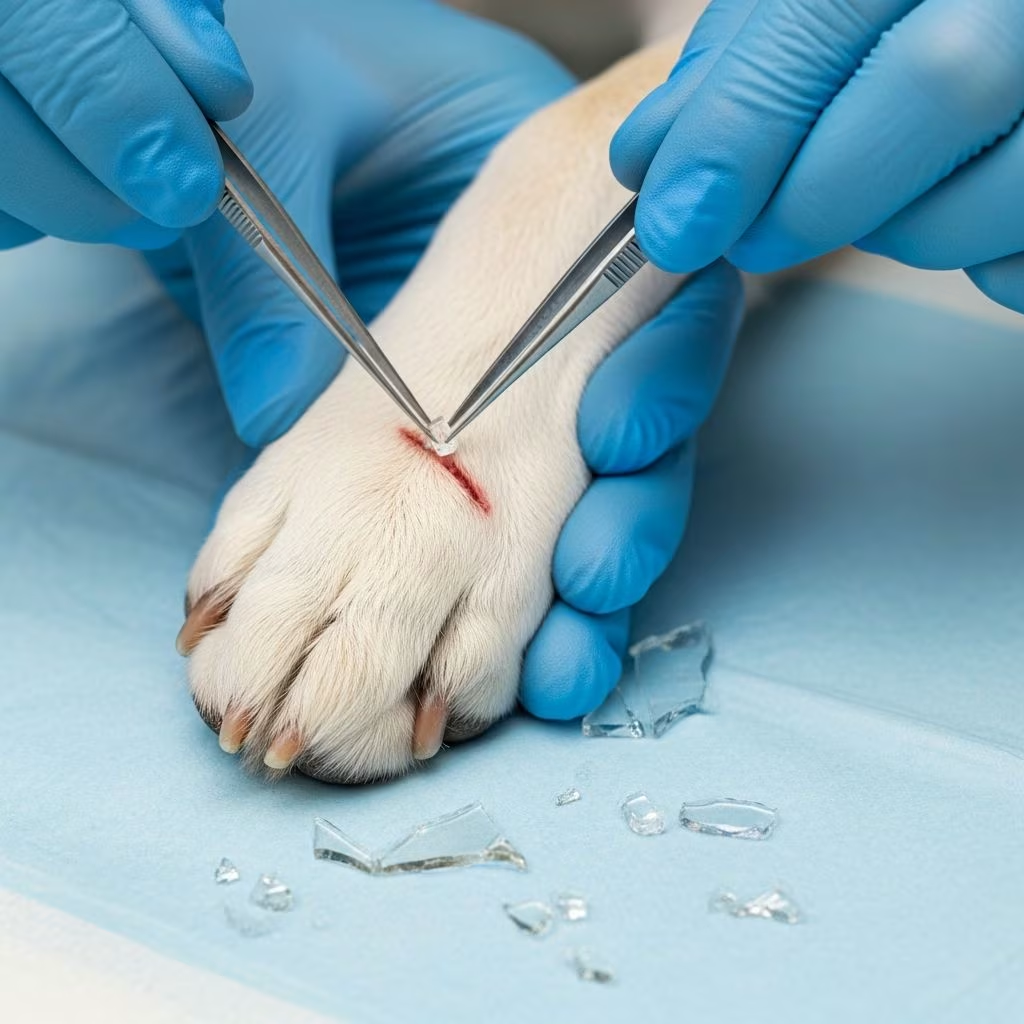
Canine companions frequently encounter sharp hazards like glass shards during walks or play, leading to painful paw injuries that demand prompt attention. Recognizing and addressing these wounds swiftly minimizes pain and complications for your pet.
Recognizing Paw Trauma from Sharp Objects
Paw pads serve as tough shields for dogs, yet they remain susceptible to cuts from glass, thorns, or metal fragments. A dog that steps on glass often shows immediate distress, such as yelping, halting abruptly, or favoring the affected limb. Inspect the paw closely for small punctures, oozing blood, or visible debris embedded in the pad.
- Limping or reluctance to walk: Dogs avoid pressure on injured paws, resulting in a noticeable hobble.
- Visible damage: Look for linear cuts, punctures, or foreign materials protruding from the pad.
- Bleeding levels: Minor oozing is common, but steady or heavy flow signals deeper harm.
- Behavioral shifts: Whining, excessive licking, or withdrawal indicate discomfort.
Examine in good lighting, parting fur if needed, to spot hidden issues. Early detection prevents worsening.
Immediate Response Protocols
Act quickly but calmly when suspecting a glass-related paw injury. Secure your dog in a quiet area to prevent further damage from frantic movement.
- Restrain gently: Use a leash or hold to limit struggling, ensuring safety for both.
- Assess without force: If a large shard is visible and loose, remove with clean tweezers; avoid probing deep embeds.
- Control bleeding: Press a clean cloth or gauze firmly for 5 minutes. Elevate the paw if feasible.
For heavy bleeding unresponsive after pressure, or large objects lodged, transport to a vet without delay. The American Veterinary Medical Association advises immediate professional care for persistent bleeding beyond five minutes.
Cleaning the Wound Properly
Cleaning removes contaminants crucial for healing. Use lukewarm tap water or saline (one teaspoon salt per pint of boiled, cooled water) to flush the area gently for several minutes.
Steps for effective cleaning:
- Hold the paw under running water, directing flow into the wound.
- Avoid harsh soaps; opt for mild, pet-safe antiseptics if available.
- Pat dry with a clean towel—do not rub.
If debris persists loosely, tweezers can help, but stop if resistance occurs to avoid pushing fragments deeper.
Bandaging Techniques for Protection
A well-applied bandage shields the wound from licking, dirt, and pressure while allowing air circulation.
| Bandage Layer | Purpose | Materials |
|---|---|---|
| Non-stick pad | Covers wound directly | Gauze or Telfa pad |
| Absorbent layer | Manages exudate | Cotton roll or padding |
| Outer wrap | Secures everything | Vet wrap or cohesive bandage |
Wrap from toes to mid-paw (or ankle for larger dogs), snug but not tight—two fingers should fit underneath. Change daily or if soiled, cleaning the paw each time.
Prevent self-trauma with an e-collar or sock bootie. Monitor for swelling below the bandage, indicating over-tightness.
Spotting and Handling Infections
Infections arise from bacteria entering unclean wounds, especially punctures trapping debris. Watch daily for warning signs.
- Redness and heat: Inflamed skin around the wound.
- Swelling or pus: Puffiness or yellow/green discharge.
- Foul smell: Indicates bacterial growth.
- Increased pain: Dog resists touch or licks excessively.
- Systemic signs: Fever, lethargy, loss of appetite.
At first suspicion, consult a vet. They may prescribe antibiotics, drain abscesses, or debride tissue under sedation.
When Professional Veterinary Care is Essential
Not all paw cuts heal at home. Seek a vet for:
- Deep punctures or ragged tears.
- Embedded objects not easily removable.
- Bleeding uncontrolled after 5-10 minutes.
- Infection indicators or no improvement in 48 hours.
- Injuries near joints, nails, or multiple paws.
Vets perform thorough exams, possibly X-rays for hidden glass, cleaning under anesthesia, suturing if needed, and pain management. Puncture wounds risk internal damage to tendons or joints, demanding imaging.
Recovery Roadmap and Home Care
Healing timelines vary: minor cuts mend in 7-10 days; severe ones take weeks with intervention. Enforce rest using crates or leashes—active dogs need confinement.
Daily routine:
- Clean and re-bandage as directed.
- Administer prescribed meds; never use human painkillers like ibuprofen, toxic to dogs.
- Monitor gait; persistent limp warrants re-check.
Gradually resume activity post-healing, starting with short, soft-surface walks. Nutrition aids recovery: high-protein diets support tissue repair.
Preventing Future Sharp Object Encounters
Proactive steps reduce risks:
- Yard audits: Sweep for glass, nails, or thorns regularly.
- Walk wisely: Avoid urban debris, stick to paths; booties protect on rough terrain.
- Pad maintenance: Moisturize dry pads with vet-approved balms; trim fur between toes.
- Training: Teach “leave it” for spotting hazards.
Install paw inspection post-outings as routine, catching issues early.
First Aid Kit Essentials for Dog Owners
Stock a pet-specific kit:
- Clean gauze, vet wrap, non-stick pads.
- Tweezers, saline solution, antiseptic wipes.
- E-collar, styptic powder for nails, digital thermometer.
- Scissors with blunt tips, gloves.
Keep accessible and refresh expirees. Practice bandaging on a toy for confidence.
Common Myths in Paw Injury Management
Myth 1: All cuts self-resolve. Reality: Punctures often hide infections.
Myth 2: Hydrogen peroxide cleans best. Reality: It damages healthy tissue; water suffices.
Myth 3: Tight bandages stop bleeding faster. Reality: They cause swelling; gentle pressure works.
Frequently Asked Questions (FAQs)
Can I remove glass from my dog’s paw myself?
Only superficial pieces with tweezers; deep ones require vet extraction to avoid further injury.
How long to keep a paw bandage on?
Change daily; total duration 3-7 days or per vet advice. Check for slippage or wetness.
What if my dog licks the wound constantly?
Use an e-collar immediately; licking introduces bacteria and delays healing.
Is antibiotic ointment safe for dogs?
Pet-safe versions yes; avoid human products with zinc or neomycin toxicity risks.
When can my dog walk normally again?
After vet clearance, typically 1-2 weeks for minor injuries; monitor for re-limp.
Long-Term Paw Health Strategies
Beyond acute care, foster resilient paws:
- Regular trims prevent overgrown nails snagging.
- Supplements like omega-3s strengthen pad toughness.
- Seasonal checks: winter salt irritates, summer heat burns.
Annual vet paw exams catch vulnerabilities early.
References
- How to Treat Common Injuries in Your Dog — Wildflower Veterinary Hospital. Accessed 2026. https://wildflowervet.com/articles/615989-how-to-treat-common-injuries-in-your-dog
- First aid for wounds, cuts and grazes — PDSA. 2020-04-01. https://www.pdsa.org.uk/pet-help-and-advice/pet-health-hub/medications/first-aid-for-cuts-and-grazes
- What To Do If Your Dog Has a Cut Paw — Berkeley Dog & Cat Hospital. 2021-11-15. https://www.berkeleydogandcat.com/site/blog/2021/11/15/dog-cut-paw
- Puncture Wounds in Dogs: Common Causes and Treatment — Advanced Animal Care. Accessed 2026. https://aac.vet/blog/puncture-wounds-in-dogs/
- Dog Stepped on Glass Wound Healing — Dial a Vet. Accessed 2026. https://www.dialavet.com/vet-answers/dog-stepped-on-glass-wound-healing-343527



