

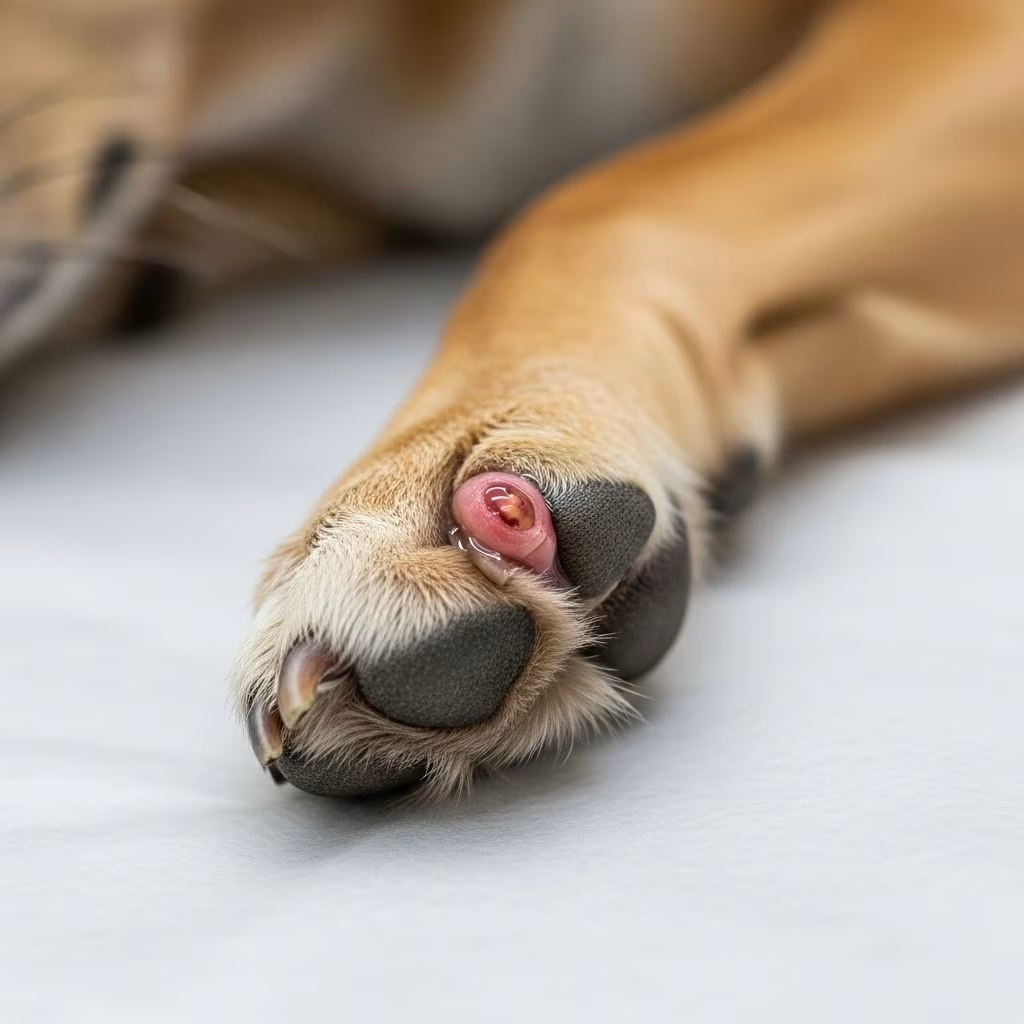
Blisters on a dog’s paws appear as fluid-filled bubbles or raised, painful areas on the paw pads, often causing limping, excessive licking, or reluctance to walk. These issues signal underlying problems ranging from minor trauma to complex medical conditions, requiring prompt attention to prevent infection or worsening.
Recognizing Symptoms of Paw Blisters
Early detection helps manage paw blisters effectively. Look for these signs:
- Limping or favoring one paw: Dogs avoid putting weight on affected areas due to pain.
- Redness, swelling, or fluid pockets: Blisters may be clear, bloody, or pus-filled if infected.
- Excessive licking or chewing: This worsens irritation and invites bacteria.
- Cracked or thickened pads: Chronic cases lead to rough, hardened skin.
- Unusual odors: Like corn chips from yeast or foul smells from bacteria.
If symptoms persist beyond 24-48 hours or include fever, lethargy, or spreading redness, seek veterinary care immediately to rule out serious issues.
Primary Causes of Blisters on Dog Paws
Dog paw blisters arise from mechanical, environmental, infectious, or systemic factors. Understanding the root helps tailor treatment.
Mechanical Injuries and Friction
Repeated rubbing against rough terrain, sharp debris, or ill-fitting gear creates friction blisters. Active dogs running on gravel or concrete separate skin layers, filling with fluid. Splinters or foreign objects lodged in pads exacerbate this, potentially leading to pus-filled sores from secondary pyoderma or folliculitis.
Thermal Burns and Chemical Exposure
Hot pavement in summer—often exceeding 120°F (49°C)—burns delicate paw pads, forming blisters within hours. Winter salts, fertilizers, or household chemicals cause similar chemical burns, cracking pads and inviting infection. Prevention involves testing surface temperature with your hand; if too hot for you, it’s unsafe for paws.
Infections: Bacterial and Yeast Overgrowth
Bacterial infections thrive in moist, traumatized pads, producing pus blisters. Yeast infections, signaled by greasy, crusty skin and musty odors, flourish in allergic or immunocompromised dogs. Both respond to targeted antimicrobials but require addressing moisture and licking habits.
Allergic and Immune-Mediated Disorders
Allergies to food, pollen, or contact irritants inflame paws, causing blisters via constant licking. Autoimmune diseases like pemphigus foliaceus prompt the immune system to attack paw skin, yielding recurrent fluid-filled lesions and pad thickening. These demand long-term management.
| Cause | Symptoms | Risk Factors |
|---|---|---|
| Friction | Clear blisters, redness | Rough surfaces, overactivity |
| Burns | Painful, charred edges | Hot pavement, chemicals |
| Infections | Pus, odor, swelling | Moisture, allergies |
| Allergies/Autoimmune | Itchy, recurrent blisters | Environmental triggers, genetics |
Step-by-Step Home Care for Mild Cases
For small, uninfected blisters, initial home care stabilizes the issue while awaiting vet advice.
- Clean gently: Rinse with cool water and mild antiseptic like chlorhexidine. Pat dry thoroughly.
- Protect the area: Apply pet-safe balm or antibiotic ointment, then bandage loosely with non-stick gauze and vet wrap. Change daily.
- Prevent licking: Use an e-collar or booties to block access.
- Rest and soothe: Limit walks to soft grass; provide padded bedding.
Avoid human products like Neosporin with painkillers, as dogs lick them off, risking toxicity. Monitor for infection signs like increased swelling or discharge.
Veterinary Diagnosis and Treatment Approaches
Vets diagnose via physical exam, cytology (skin scrapes), cultures, allergy tests, or biopsies for pododermatitis—chronic paw inflammation from varied causes.
Medications and Therapies
- Topicals: Antifungal wipes, antibiotic creams for infections.
- Oral drugs: Antibiotics for bacteria; antifungals for yeast; steroids or Apoquel for allergies.
- Immunosuppressants: For pemphigus, lifelong corticosteroids or cyclosporine control symptoms.
Severe cases may need debridement (dead tissue removal) or draining under sedation.
Addressing Root Causes
Treat underlying hypothyroidism, Cushing’s, or allergies with diet trials, hypoallergenic foods, or immunotherapy like Cytopoint injections. Pododermatitis from immune issues isn’t curable but manageable to reduce flares.
Prevention Strategies for Healthy Paws
Proactive steps minimize blister risks year-round.
- Paw checks: Inspect daily after outings for cuts or heat damage.
- Seasonal protection: Booties for hot/cold ground; paw wax as a barrier.
- Grooming routine: Trim hair between pads; moisturize with vet-approved balms.
- Diet and environment: Hypoallergenic kibble; rinse paws post-walk to remove allergens/salt.
- Exercise smarts: Stick to soft surfaces; avoid peak heat hours.
Regular vet wellness exams catch predispositions early.
Potential Complications and When to Worry
Untreated blisters lead to abscesses, lameness, or systemic spread in immunocompromised dogs. Chronic pododermatitis erodes pad quality, heightening injury risk. Seek emergency care for deep cracks, bleeding, or non-weight-bearing lameness.
FAQs on Dog Paw Blisters
Can I pop a blister on my dog’s paw?
No—popping risks infection. Let vets drain if needed.
How long do paw blisters take to heal?
Mild cases: 7-10 days with care; chronic: weeks to months.
Are paw blisters contagious?
No, but secondary infections spread via contact.
What home remedies soothe blisters?
Cool compresses and Epsom soaks (vet-approved); avoid vinegar or essential oils.
Do all dogs get paw blisters?
Short-haired breeds on rough terrain or allergy-prone pups are most susceptible.
Maintaining paw health enhances your dog’s mobility and joy. Consistent care turns potential crises into minor hiccups.
References
- How to Treat Common Paw Problems in Dogs — Congress Ave Vet. 2023-05-15. https://congressavevet.com/news/how-to-treat-common-paw-problems-in-dogs/
- Blisters on Dogs: How Blisters Can Be Treated — Festival Animal Clinic. 2024-02-20. https://festivalanimalclinic.com/blog/blisters-on-dogs/
- Dog Paw Blisters: Causes and How to Help Your Dog — Squishface. 2023-11-10. https://squishface.com/blogs/blog/dog-paw-blisters-causes-and-how-to-help-your-dog
- Dog Paw Problems | Causes, Signs and Treatment — PetAssure. 2022-08-05. https://www.petassure.com/new-newsletters/paw-problems/
- Pododermatitis in Dogs — VCA Animal Hospitals. 2025-01-15. https://vcahospitals.com/know-your-pet/pododermatitis-in-dogs
- How to Prevent Paw Blisters — WagWalking. 2023-07-12. https://wagwalking.com/grooming/prevent-paw-blisters
- Dog Paw Injuries: Burns, Blisters, and Sores — RifRuf. 2024-04-01. https://rifrufqueens.com/blogs/blog/paw-problems



