

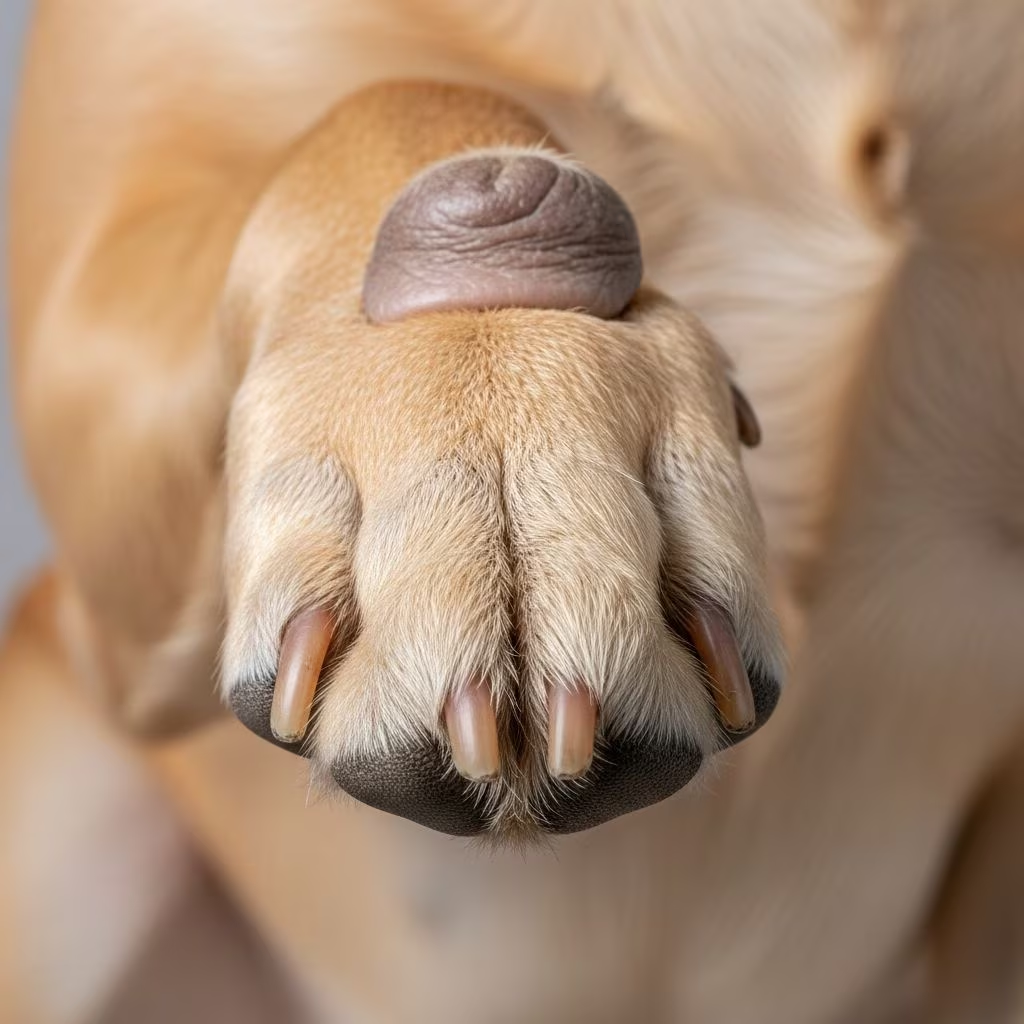
The paw of a dog represents a marvel of evolutionary engineering, perfectly adapted for diverse activities like running, digging, and climbing. Composed of specialized pads, bones, claws, and connective tissues, it supports the animal’s weight, absorbs shocks, and provides grip on varied terrains. This guide delves into the components, functions, and care needs of canine paws to help owners better understand and protect this critical structure.
Core Components of Canine Paws
Dog paws feature distinct parts that work in harmony. Front and hind paws differ slightly, with forepaws equipped for precise tasks and hind paws optimized for propulsion. Key elements include protective pads, sturdy skeletal framework, sharp claws, and supportive soft tissues.
Protective Pads: Nature’s Cushioning
Pads form the paw’s underbelly, acting as shock absorbers filled with fatty tissue and covered in tough, keratinized skin. They insulate against temperature extremes and enhance traction.
- Digital Pads: Four small, oval cushions under each toe, these handle individual toe pressure and aid grip on slippery surfaces.
- Metacarpal/Metatarsal Pad: The large central pad—metacarpal on front paws, metatarsal on rear—bears most body weight and distributes impact forces.
- Carpal Pad: Positioned higher on front legs, this “braking” pad provides stability during stops, turns, or descents, rarely touching ground in normal gait.
- Dewclaw Pad: A minor pad beside the dewclaw, present mainly on front paws in some breeds, offering extra support during agile maneuvers.
These pads contain sweat glands for cooling and are rich in blood vessels, enabling dogs to regulate body temperature through paw sweating.
Skeletal Framework: Bones for Strength and Flexibility
Beneath the pads lies a robust bone structure connected by joints, ligaments, and tendons. This system ensures stability and fluid motion.
| Bone Type | Location | Function |
|---|---|---|
| Phalanges | Toes | Provide toe flexibility for balance and terrain adaptation. |
| Metacarpals/Metatarsals | Paw base | Link toes to leg bones, absorb landing shocks. |
| Carpals/Tarsals | Upper paw/ankle | Enable joint hinging for movement control. |
Ligaments bind bones tightly, while tendons connect muscles to bones, allowing powerful yet precise actions like digging or sprinting.
Claws and Dewclaws: Tools for Grip and digging
Claws, made of keratin like human nails, extend from toe ends. They feature a sensitive inner quick with nerves and blood supply, necessitating careful trimming to avoid pain. Dewclaws, higher on the leg, resemble thumbs and assist in grasping objects or stabilizing during turns—some breeds have them on hind paws too.
Functional Roles in Daily Canine Life
Each paw element contributes to multifaceted roles beyond mere walking. Paws facilitate locomotion, sensory feedback, thermoregulation, and communication.
Mobility and Shock Absorption
During a gallop, digital and central pads compress to cushion up to five times the dog’s body weight per paw. This protects joints from jarring impacts on hard ground. Webbing between toes, subtle in most breeds but pronounced in swimmers like Labradors, boosts paddling efficiency.
Sensory and Grip Capabilities
Paws house thousands of nerve endings, detecting textures, temperatures, and vibrations. Claws dig into soil for traction, while pads conform to uneven surfaces, preventing slips.
Temperature Control and Scent Marking
Unique eccrine sweat glands in pads release moisture for cooling during heat. Pads also contain scent glands, allowing dogs to mark territory by rubbing paws.
Front vs. Hind Paw Differences
Forepaws emphasize dexterity with carpal pads and often dewclaws, ideal for holding toys or digging. Hind paws prioritize power through larger metatarsal pads and stronger propulsion muscles, suited for leaping.
| Feature | Front Paw | Hind Paw |
|---|---|---|
| Main Pad | Metacarpal | Metatarsal |
| Extra Pad | Carpal (braking) | None |
| Dewclaw | Common | Rare |
| Primary Role | Grip/Dexterity | Propulsion |
Maintaining Paw Health: Owner Responsibilities
Regular inspection prevents issues. Check weekly for cracks, foreign objects, or wear, trimming nails every 4-6 weeks or when clicking on floors.
- Use booties on hot pavement (above 85°F/29°C) or icy salt.
- Moisturize dry pads with vet-approved balms.
- Provide soft bedding to reduce callusing.
Nutrition for Strong Paws
Diets rich in omega-3s, biotin, and zinc support pad integrity and claw growth. Fresh, balanced food prevents deficiencies leading to brittle structures.
Recognizing and Treating Common Paw Problems
Paws endure daily abuse, leading to frequent ailments. Early detection averts lameness.
Injuries and Irritations
Cuts from glass, burns from asphalt, or allergies cause limping. Clean wounds with saline, apply antibiotics, and bandage lightly.
Infections and Growths
Bacterial/fungal invasions thrive in moist pads; symptoms include swelling and odor. Vets prescribe antifungals or antibiotics.
Nail and Pad Disorders
Overgrown nails splinter; torn dewclaws bleed profusely. Splinting or surgery may be needed for severe cases.
| Problem | Symptoms | First Aid |
|---|---|---|
| Cracked Pads | Bleeding, limping | Rest, balm, bootie |
| Broken Nail | Pain, blood | Stop bleeding (flour/styptic), trim if possible |
| Pododermatitis | Redness, pus | Vet antibiotics |
FAQs on Dog Paw Anatomy and Care
Why do dogs lick their paws excessively?
Licking signals allergies, injuries, or boredom. Persistent cases warrant allergy testing or cone use.
Should I remove my dog’s dewclaws?
Only if vet-recommended; they aid function and prevent swivel injuries during runs.
How often should I trim dog nails?
Every 3-8 weeks, depending on wear. Touch the ground? Too long.
Are booties necessary for all dogs?
Useful for urban walks, hot/cold extremes, or sensitive breeds like Greyhounds.
What causes hyperkeratosis in pads?
Genetics, age, or zinc deficiency thickens pads painfully; soften with soaks.
Advanced Insights: Breed Variations and Evolution
Paw morphology varies: sighthounds have compact pads for speed, herders broader for agility. Evolutionarily, paws descended from wolf ancestors, refined for domestication tasks. Great Pyrenees feature double dewclaws for mountain traction.
Understanding these nuances empowers tailored care. Consult vets for breed-specific advice, ensuring paws support lifelong vitality.
References
- 6 Things You Didn’t Know About Dog Paw Anatomy — Outward Hound. 2023-05-15. https://outwardhound.com/furtropolis/dogs/dog-paw-anatomy
- Dog Paws Anatomy & Care Guide — JustFoodForDogs. 2024-02-10. https://blog.justfoodfordogs.com/dog-paws-anatomy.html
- Understanding Dog Paw Anatomy and Care — Doglyness. 2023-11-20. https://www.doglyness.com/blogs/news/understanding-dog-paw-anatomy-and-care
- Dog Paw Anatomy 101 (Plus 7 Paw Problems) — ToeGrips. 2024-01-05. https://toegrips.com/dog-paw-anatomy/
- What You Need to Know: Dog Paw Pad Anatomy — Whole Dog Journal. 2023-08-12. https://www.whole-dog-journal.com/care/what-you-need-to-know-dog-paw-pad-anatomy/



