

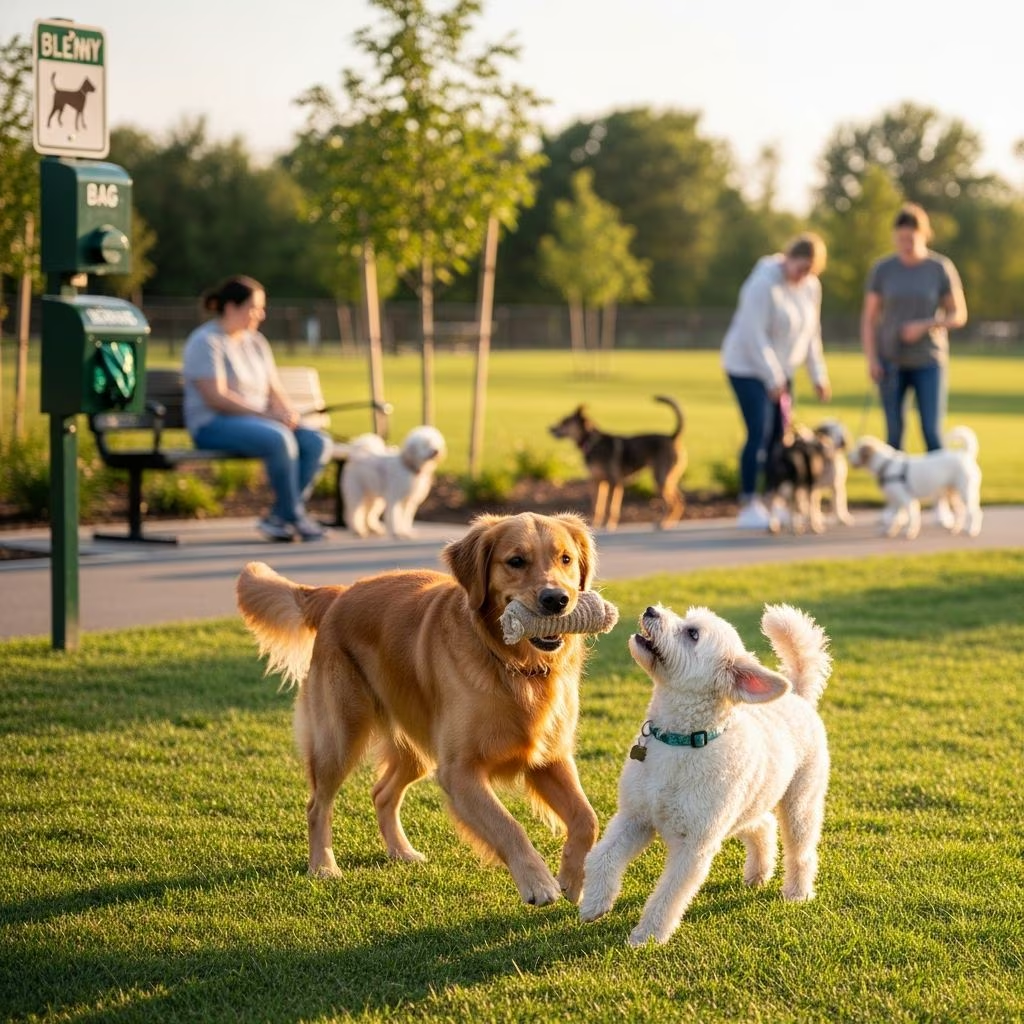
Dog Park Etiquette: A Comprehensive Guide to Safe and Enjoyable Play
Dog parks offer wonderful opportunities for canines to exercise, socialize, and burn energy in a designated off-leash environment. However, the success of these shared spaces depends entirely on dog owners understanding and following proper etiquette. Whether you’re a first-time visitor or an experienced park-goer, knowing the unwritten (and written) rules of dog park conduct ensures that everyone—humans and dogs alike—has a positive and safe experience. This comprehensive guide covers everything you need to know about dog park etiquette, from preparation and arrival to managing your dog’s behavior during play.
Understanding Dog Park Etiquette
Dog park etiquette is fundamentally about respect, responsibility, and awareness. It encompasses a set of guidelines that pet owners should follow to create a safe, enjoyable environment for all park visitors. These rules protect dogs from injury, minimize conflicts between animals, and ensure that other owners feel comfortable bringing their pets to the park. Good etiquette starts with understanding that dog parks are shared spaces where your dog’s behavior directly impacts others’ experiences. The most important principle is that you, as the owner, maintain control of your dog at all times and actively supervise their interactions.
Preparing Your Dog for the Dog Park
Before your dog sets paw in a dog park, they must meet specific requirements and readiness criteria. Preparation is the foundation of successful dog park visits.
Health and Age Requirements
Your dog should be at least six months old before visiting a dog park. Dogs younger than this age are still developing socially and physically, and they may not have completed their full vaccination series. Your dog must be in good health, fully vaccinated, and spayed or neutered. Most dog parks require proof of current vaccinations, including rabies, and many require dogs to be licensed. Before your first visit, contact your local dog park to confirm their specific requirements and any associated fees or membership costs.
Socialization and Training
Your dog should be comfortable in the company of most other dogs and responsive to basic commands such as “come,” “sit,” and “leave it.” A well-socialized dog enjoys playing with others without being overbearing, obnoxious, or bullying. The dog should be fairly confident and friendly but not overly aggressive or fearful. Dogs that are reactive, anxious, fearful, or consistently aggressive are simply not appropriate for dog parks, and forcing such dogs into this environment can increase their anxiety and create dangerous situations. If your dog struggles with social interactions, consult a professional dog trainer before attempting dog park visits.
Is Your Dog Park-Ready?
Assess your dog honestly before your first visit. Consider whether your dog:
– Enjoys playing with other dogs without tension or conflict- Responds reliably to your recall commands even around distractions- Maintains appropriate play boundaries and respects other dogs’ space- Does not show signs of excessive fear, aggression, or resource guarding- Can handle the sensory stimulation of a crowded, active environment
If your dog struggles in any of these areas, invest time in training and socialization before introducing them to the dog park environment.
What to Bring to the Dog Park
Preparation extends beyond your dog’s readiness. You’ll need to bring specific items to ensure both compliance with park rules and your dog’s safety and comfort.
Essential Items
– **Waste bags:** Always bring more waste bags than you think you’ll need. If the park’s disposal bins are full, you’re responsible for taking waste with you. This is a non-negotiable requirement of dog park etiquette.- **Fresh water:** Bring plenty of fresh water for your dog to drink, especially on warm days. Many dog parks have water stations, but bringing your own ensures your dog stays hydrated.- **Flat buckle collar and leash:** Your dog should wear a flat buckle collar (not a retractable leash) and remain leashed until you’re safely inside the off-leash area.- **Treats:** Bring high-value treats to maintain a reliable recall cue. These are especially important for calling your dog away from distractions or troublesome situations.- **Identification:** Ensure your dog is wearing proper identification tags with current contact information.
Items to Leave Behind
– **Toys:** Leave toys at home regardless of your dog’s reaction to them. Other dogs may have resource guarding issues, and toys can create unnecessary conflict in the park.- **Treats for other dogs:** Never feed treats to unfamiliar dogs without asking the owner first. Your intentions may be kind, but you don’t know the dog’s dietary restrictions or behavioral responses.- **Young children:** Leave children at home or supervise them extremely carefully if you must bring them. Young children can be a safety risk and are often a distraction to dogs engaged in play.- **Strollers and bicycles:** Leave these items at home as they can startle dogs and create hazards in the play area.
Arrival Protocol and Gate Etiquette
The moment you arrive at the dog park is crucial. How you enter and exit directly impacts both your dog’s safety and the experience of other visitors.
Scouting the Park
If possible, make your first visit to the park without your dog. Walk the perimeter, observe the park’s layout, check for secure fencing, note any holes or sharp areas, and look for alternative entrances or openings. Observe how other dogs and owners behave during different times of day. This reconnaissance helps you identify potential safety issues and determine the best times to visit when the park is less crowded.
Using the Double-Gate System
Most dog parks feature a double-gate entry system designed specifically to prevent accidental escapes. Always follow this protocol:
– Enter the first gate and close it completely behind you- Then proceed through the second gate- This buffer zone is essential for dogs entering and exiting the park
Your dog should remain leashed until you’ve successfully navigated both gates and are safely in the off-leash area. Only then should you remove the leash. Never remove your dog’s leash at the gate, as even well-behaved dogs can bolt during the entrance process.
Managing Gate Congestion
The entrance area is highly charged and often crowded with excited dogs. Once you’re inside, move away from the gate promptly to allow others to enter. If your dog is already in the park when someone is entering, move your dog away from the gate gently and slowly to avoid overwhelming the newcomer. This simple courtesy significantly reduces stress for arriving dogs and prevents gate-related conflicts.
Active Supervision and Engagement
Once you’re in the park, your responsibilities as an owner intensify. Active supervision is non-negotiable.
Put Your Phone Away
Your dog needs your attention, and other owners need to see you’re actively supervising. Social media, texts, and emails can wait. You should be able to call your dog back to you at any time. If you cannot reliably recall your dog while they’re engaged in play, your dog isn’t ready for off-leash dog park play. Keep your eyes on your dog consistently throughout the visit.
Understanding Play Behavior Versus Stress
Learn to recognize the difference between normal play behavior and signs of stress or aggression in your dog. Normal play behaviors include:
– Taking turns chasing and being chased- Soft play bows and playful pouncing- Playful growling and gentle wrestling
Concerning behaviors that warrant intervention include:
– Humping other dogs- Excessive or aggressive barking- Resource guarding or preventing other dogs from accessing areas- Chasing other dogs relentlessly rather than engaging in reciprocal play- Lying down or freezing in place- Hair standing up along the back- Ears tucked back- Tail tucked or held stiffly- Rigid body posture
Recognize what’s normal for your individual dog. Some dogs naturally growl during play while others become overstimulated by any growling. Know your dog’s baseline behaviors so you can distinguish between comfortable play and stress signals.
Intervening When Necessary
When your dog exhibits inappropriate behavior, intervene immediately with clear commands. Praise positive behavior enthusiastically when your dog plays appropriately. If your dog is humping, resource guarding, or bullying others, stop the behavior immediately and redirect your dog’s attention to appropriate play or take a break from the park. Practice “consent tests” by asking another owner to hold their dog for a moment if your dog is pursuing. This gives the other dog a chance to decide whether they want to continue playing.
Respecting Space and Boundaries
Successful dog park experiences depend on respecting both canine and human boundaries.
Respecting Other Dogs
– Never push your dog into another dog’s personal space without invitation. This often creates problems and unnecessary tension.- Avoid crowding the entrance area, which can overwhelm shy or anxious dogs.- Give overwhelmed or shy dogs space to decompress and become comfortable at their own pace.- Never touch or pet another dog without asking the owner first, even if the dog seems friendly.- If your dog appears drawn to another dog, always ask the other owner before allowing them to play together.
Respecting Other Owners
– Be courteous and communicative with other park visitors.- If you notice another owner’s dog exhibiting concerning behavior, approach the situation diplomatically.- Share observations about your dog’s play style with other owners so they understand your dog’s personality.- Respect other owners’ decisions about their dogs’ readiness to play or take breaks.
Health and Hygiene Considerations
Dog parks can be breeding grounds for parasites and bacteria if proper hygiene isn’t maintained.
Preventing Disease Transmission
– Never bring a sick dog to the park. This is a critical rule that many owners unfortunately ignore. If your dog shows signs of illness—lethargy, diarrhea, vomiting, coughing, or other symptoms—keep them home.- Ensure your dog’s vaccinations are current and documented. This protects both your dog and all other park visitors.- Practice responsible cleanup immediately after your dog eliminates. Prompt pickup helps protect all dogs from potentially harmful bacteria and parasites.
Post-Visit Care
– Rinse your dog’s paws after leaving the park, especially during warm weather when bacteria multiply rapidly.- Monitor your dog for any signs of illness in the days following a park visit.- Keep your dog’s parasite prevention current, including heartworm, flea, and tick medication.
Understanding Park Rules and Regulations
Different dog parks have different rules. Always familiarize yourself with the specific requirements and guidelines before visiting.
Common Rules
– Clean up after your dog immediately- Keep dogs leashed until entering the off-leash area and re-leash immediately upon exit- Ensure your dog is responsive to recall commands- Do not bring sick dogs- Many parks require dogs to be spayed or neutered- Some parks separate dogs by size, with designated small dog and large dog areas- Hours of operation and any seasonal closures- Membership fees or daily use charges- Proof of vaccination requirements
Size and Age Segregation
Many dog parks have designated spaces for different-sized dogs. Never bring your large dog to the small dog area or vice versa, particularly when the park is crowded. Size-appropriate play areas help prevent injuries from mismatches in size and strength. Some parks also have age-specific areas or times to accommodate senior dogs or puppies.
Special Considerations
Incessant Barking
While some barking is normal during play, incessant barking or barking with serious or aggressive intent should be curtailed. If your dog barks excessively, work on this behavior before park visits, as constant noise impacts everyone’s experience and can escalate other dogs’ arousal levels.
Managing Different Play Styles
Some dogs are more energetic and intense players while others prefer calm, gentle interactions. Help facilitate appropriate play matches by understanding your dog’s play style and allowing them to interact with compatible playmates. If your dog prefers calmer play, visit during less crowded times.
Avoiding Rush Hours
As a new park visitor, your dog may be more at ease when the park isn’t crowded. Initially, visit during less busy times to allow your dog to become acquainted with the surroundings and the experience without excessive distraction.
Frequently Asked Questions
Q: At what age can my dog visit the dog park?
A: Dogs should be at least six months old and fully vaccinated before visiting a dog park. This ensures they’ve completed most of their vaccination series and are more developed socially and physically.
Q: What should I do if my dog shows signs of stress at the park?
A: Remove your dog from the situation immediately and give them time to decompress. Watch for tail tucking, ears back, freezing, or excessive panting. It’s okay to leave the park if your dog isn’t comfortable, and consider consulting a trainer before future visits.
Q: Can I bring my puppy younger than six months to the dog park?
A: Most dog parks have minimum age requirements of six months. Younger puppies lack necessary vaccinations and haven’t reached appropriate developmental stages for dog park play. Wait until your puppy is older and fully vaccinated.
Q: What’s the best way to handle conflicts between dogs at the park?
A: Intervene quickly with a calm, assertive tone. Separate the dogs if necessary, and use the consent test by holding one dog away to allow the other to decide if they want to continue playing. If conflicts continue, leave the park.
Q: Should I allow my dog to play with every dog at the park?
A: No. It’s perfectly acceptable to be selective about your dog’s playmates. Your dog may prefer certain play styles or energy levels. Use judgment in choosing compatible play partners.
Q: Can I bring my aggressive or reactive dog to the dog park?
A: No. Reactive, fearful, or aggressive dogs are not appropriate for dog parks. Work with a professional trainer to address these behaviors before considering park visits. Dog parks can increase anxiety and create dangerous situations for reactive dogs.
Q: What should I do if another owner’s dog is misbehaving?
A: Approach the situation diplomatically and inform the owner calmly. Most owners appreciate being alerted to their dog’s behavior. If the situation poses a safety risk, leave the park and report it to park management.
Q: Is it okay to bring multiple dogs to the park?
A: While you can bring multiple dogs, ensure you can actively supervise all of them simultaneously. You must be able to recall and manage each dog individually. If you can’t reliably control all your dogs, bring fewer or visit separately.
References
- The Complete Dog Park Guide: Etiquette, Safety & Success — Wag Bar. 2024. https://www.wagbar.com/the-complete-dog-park-guide-etiquette-safety-success
- Proper Etiquette at the Dog Park — VCA Animal Hospitals. 2024. https://vcahospitals.com/know-your-pet/proper-etiquette-at-the-dog-park
- Dog Park Etiquette: Things To Keep in Mind for a Paw-some Experience — Pets Best. 2024. https://www.petsbest.com/blog/dog-park-etiquette
- Dog Park Etiquette Every Pet Owner Should Know — SPCA British Columbia. 2024. https://spca.bc.ca/news/dog-park-etiquette/
- Beginner’s Guide to Dog Park Etiquette — Ontario SPCA. 2024. https://ontariospca.ca/blog/dog-park-etiquette/



