

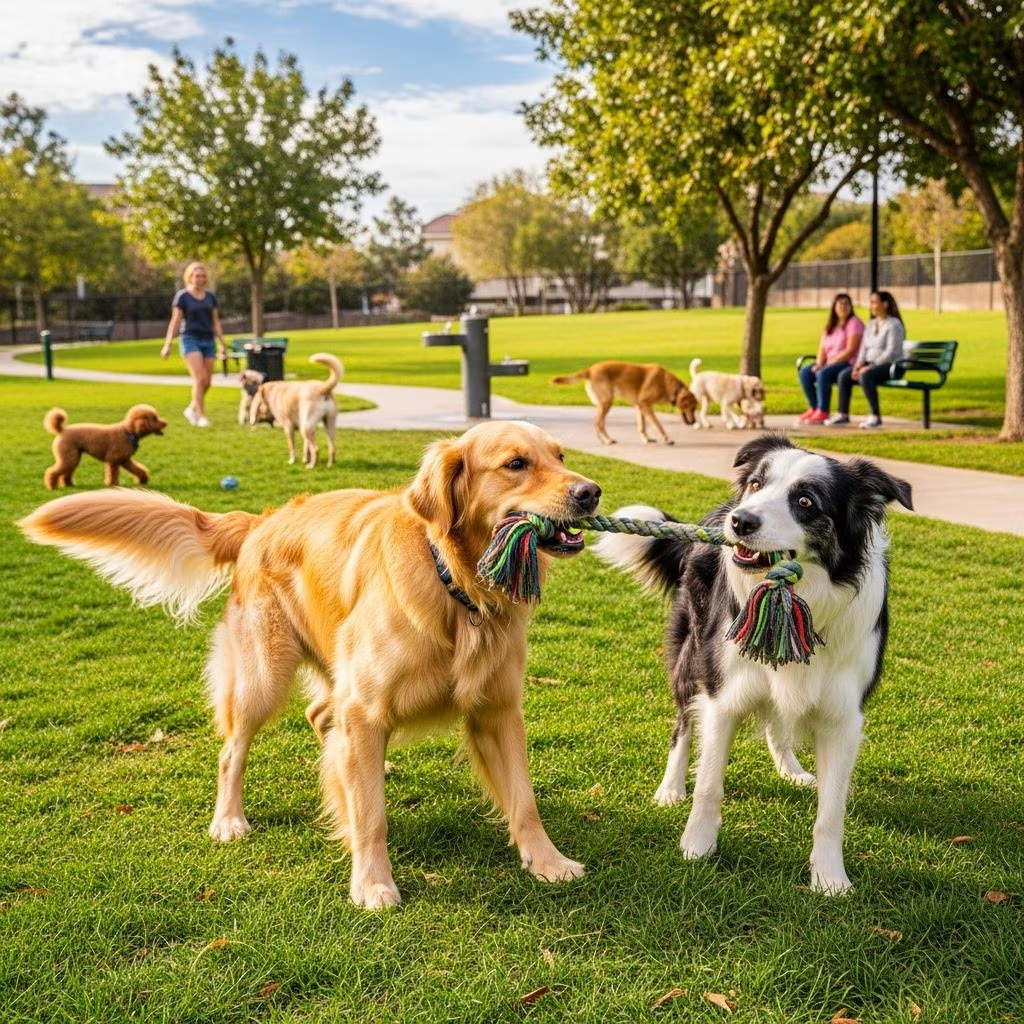
Dog parks have become cherished community spaces where canine companions can exercise, socialize, and enjoy off-leash freedom in safe, designated areas. However, the success of these shared spaces depends heavily on all pet owners understanding and following proper etiquette. Whether you’re a first-time visitor or a regular park-goer, knowing the rules and expectations ensures a positive experience for your dog, yourself, and everyone else at the park.
Understanding Dog Park Etiquette
Dog park etiquette encompasses a set of written rules and unwritten guidelines that create a safe, respectful environment for all dogs and their owners. These standards go beyond mere courtesy—they directly impact the safety and enjoyment of the entire dog park community. Proper dog park etiquette means recognizing that not all dogs are suited for off-leash play, understanding canine body language, respecting other owners’ preferences, and taking responsibility for your dog’s behavior at all times.
Essential Rules Before Visiting
Ensure Your Dog Meets Minimum Requirements
Before your first dog park visit, verify that your dog meets fundamental prerequisites. Your dog should be at least six months old, in good health, fully vaccinated, and responsive to basic commands such as “come,” “sit,” and “leave it.” These requirements aren’t arbitrary—they exist to protect your dog and others from disease, injury, and behavioral issues. Vaccinations against rabies, distemper, and other contagious diseases are non-negotiable, as they prevent dangerous illnesses from spreading through the dog park population.
Health and Vaccination Requirements
Never bring a sick dog to the dog park, regardless of how mild the symptoms may seem. Dogs with coughs, diarrhea, vomiting, or other signs of illness pose a contagion risk to the entire community. Similarly, dogs that are un-neutered or unspayed, particularly females in heat, should not attend dog parks, as their presence can trigger unpredictable behaviors and create safety concerns. Some parks require proof of current vaccinations before entry, so be prepared to provide documentation if asked.
Age and Socialization Considerations
Very young puppies lack the immune system maturity to safely interact with multiple dogs in a public setting. Most parks recommend waiting until puppies are at least six months old before introducing them to dog parks. Additionally, newly adopted or recently rescued dogs should have time to adjust to their new home before dog park exposure, as the stress of a new environment combined with the stimulation of a dog park may overwhelm them.
What to Bring to the Dog Park
Essential Items Checklist
Successful dog park visits require proper preparation. Here are the essential items you should bring:
- Waste bags: Bring multiple bags, as you cannot predict your dog’s bathroom habits. This is the number one complaint among dog park visitors and a critical responsibility of ownership.
- Fresh water: Carry a water bowl and fresh drinking water to keep your dog hydrated, especially during warm weather or active play sessions.
- High-value treats: Pack treats to maintain reliable recall commands around distractions.
- Flat buckle collar and leash: Keep your dog leashed until you’re safely in the off-leash area to prevent escapes during entry.
Items to Leave at Home
Avoid bringing your dog’s favorite toys to the dog park. Even well-behaved dogs may develop resource guarding behaviors around toys in a multi-dog environment, leading to conflicts. Similarly, never feed other dogs without explicit permission from their owners, as dietary restrictions, allergies, and behavioral triggers make this unsafe practice.
Entry and Exit Procedures
Using the Double-Gate System
Most well-designed dog parks feature double gates to prevent accidental escapes. When entering, use the first gate as an airlock: open it completely, step through, close it securely, then proceed through the second gate. This system creates a buffer zone that gives you and your dog time to prepare mentally for the transition to off-leash play. If your dog seems anxious or disoriented during this process, take extra time to let them acclimate.
Scout Your Park First
Before bringing your dog, consider visiting the park without them. Walk the perimeter, observe existing visitors and their dogs, check for potential escape routes or unsafe areas, and note the park layout. This reconnaissance helps you understand park culture and identify any hazards your dog might encounter. Look for secure fencing that’s tall enough to contain dogs and has no gaps underneath.
Timing Your Visit
If you’re new to the park, avoid peak hours. Visiting during quieter times allows your dog to become comfortable with the space and reduces overwhelming social interactions. As your dog gains confidence, you can gradually visit during busier periods.
Proper Leash Management
Remove the Leash in Off-Leash Areas
Once inside the off-leash designated area, remove your dog’s leash immediately. Keeping a dog on-leash while others are off-leash creates tension and can trigger reactive or aggressive behavior in both leashed and unleashed dogs. The constraint of a leash may make your dog feel trapped or defensive. However, always keep the leash within arm’s reach in case you need it for emergency recall.
Keep Your Dog Under Control
You should be able to call your dog back to you at any time, even when they’re engaged in exciting play. If you cannot reliably recall your dog despite distractions, your dog isn’t ready for off-leash play. This may mean your dog needs additional training before dog park visits or that off-leash parks simply aren’t appropriate for them.
Understanding and Respecting Boundaries
Recognizing Dog Body Language
One of the most important skills for dog park success is understanding canine communication. A relaxed dog has a wagging tail, soft ears, loose body posture, and natural gait. Warning signs of stress or aggression include tucked tails, pinned ears, stiff body posture, baring teeth, low growls, or raised hackles. If your dog displays these signs, move them away from the situation and consider leaving the park.
Asking Permission Before Play
Always ask other owners before allowing your dog to play with theirs. This practice respects the owner’s comfort level and their dog’s preferences. If two dogs are interested in playing, observe them briefly—if the play appears reciprocal and both dogs seem willing, let them interact. However, practice “consent tests” by occasionally asking the pursuing dog’s owner to hold their dog momentarily, giving the other dog a chance to choose whether to continue play.
Respect for Nervous or Overwhelmed Dogs
Some dogs become overwhelmed at dog parks despite meeting basic requirements. Give shy or overwhelmed dogs space to decompress, and move your dog away if they’re approaching a clearly stressed canine. Crowding around the entrance when new dogs arrive is especially problematic. As soon as your dog is safely in the park, move them away from the gate to create space for arrivals.
Active Supervision and Intervention
Stay Engaged and Present
Put your phone away and actively watch your dog at all times. Your dog needs your attention, and other owners need to see you’re supervising. This attentiveness allows you to identify problems before they escalate and enables you to praise your dog for positive behavior.
When to Intervene
Intervene immediately if your dog is engaging in problematic behaviors such as humping, resource guarding, or bullying other dogs. Use clear commands and redirect their attention. However, distinguish between normal play behaviors and genuine aggression. Some wrestling and noise are typical; relentless pursuit of an unwilling dog or teeth contact that breaks skin are serious red flags.
Incessant Barking and Noise Control
Curtail incessant barking or barking with serious or aggressive intent. Occasional vocalizations during play are normal, but constant noise indicates stress or inappropriate arousal levels that require intervention.
Respecting Other Park Users
Managing Size Differences
Many dog parks have separate areas for small and large dogs. If designated size-specific zones exist, use them appropriately, especially during crowded times. Small dogs playing with large dogs face injury risks, even with good intentions. Large dogs can accidentally injure small companions simply through their size and strength.
Children at Dog Parks
Avoid bringing small children to dog parks, as this poses risks to both children and dogs. If you bring older children, supervise them constantly and teach them not to approach unfamiliar dogs, wave toys, or scream, as these behaviors can trigger fear or defensive responses in dogs.
Respecting Other Owners’ Decisions
If another owner asks their dog to play with yours only at certain times or under specific conditions, respect these preferences without question. If an owner recalls their dog from your dog’s company, accept it graciously—their dog’s comfort is their priority, and that’s entirely appropriate.
Dog Park Rules and Signage
Every dog park posts specific rules and regulations. Your first responsibility is reading and understanding all signage, which typically includes park hours, vaccination requirements, age minimums, and behavioral expectations. Common rules found at most dog parks include:
- Always clean up after your dog
- Ensure vaccinations are current
- Avoid bringing bicycles and strollers
- Respect posted hours
- Remove collars with sharp hardware that could injure other dogs
Frequently Asked Questions About Dog Parks
Q: What should I do if my dog gets into a fight at the dog park?
A: Separate the dogs by body, never putting hands between their heads. Call the other owner to help. Report the incident to park management if injuries occurred. Seek veterinary attention for any wounds. Consider whether your dog is truly ready for dog park play.
Q: How often should I visit the dog park?
A: Frequency depends on your dog’s age, energy level, and social needs. Many dogs benefit from 2-4 visits weekly, but some older dogs or those with lower exercise needs may visit less frequently. Quality exercise through play typically provides sufficient physical activity.
Q: Is it okay to leave my dog at the dog park unattended?
A: No. Never leave your dog unattended at a dog park. You must remain present and supervising at all times to ensure your dog’s safety and manage their behavior appropriately.
Q: What vaccinations does my dog need before visiting a dog park?
A: Minimally, dogs should have current rabies vaccination and be protected against canine distemper and parvovirus. Ask your veterinarian which vaccines are recommended based on your local area and your dog’s lifestyle.
Q: Can puppies attend dog parks?
A: Puppies under six months old should generally not attend dog parks due to incomplete vaccination protection. Even socialized puppies need age-appropriate introductions to other dogs in controlled settings before free-play parks.
Q: What if my dog doesn’t like other dogs?
A: Not all dogs enjoy dog parks, and that’s perfectly acceptable. Some dogs prefer one-on-one interactions, leashed walks, or play with familiar dogs only. Forcing an unsociable dog into a dog park causes stress and behavioral problems. Alternative exercise and enrichment options may be more appropriate.
Q: How can I tell if my dog is playing too roughly?
A: Look for signs of genuine distress—tucked tail, pinned ears, defensive posturing, or attempts to escape. Playful wrestling often includes role-reversal where both dogs take turns chasing. If one dog is constantly running away and seems uncomfortable, separate them.
Q: Should I correct other people’s dogs at the dog park?
A: No. Only correct your own dog. If another dog’s behavior is dangerous, alert the owner or park management rather than directly intervening in their training.
Creating a Positive Community Experience
Successful dog parks thrive when all owners commit to respectful behavior and community standards. By understanding etiquette, preparing properly, and staying engaged, you contribute to an environment where all dogs can safely play and socialize. Remember that dog park privileges are earned—dogs that consistently behave appropriately earn more freedom and positive experiences, while those that don’t may need additional training before returning. When everyone follows these guidelines, dog parks become wonderful community assets that benefit canines and their owners alike.
References
- 7 Etiquette Rules to Prepare for the Dog Park — Mucho Ado About Doodles. 2024. https://muchadoaboutdoodles.com/dog-park-etiquette/
- The Complete Dog Park Guide: Etiquette, Safety & Success — Wag Bar. 2024. https://www.wagbar.com/the-complete-dog-park-guide-etiquette-safety-success
- 9 Rules For Dog Park Etiquette — Park & Play Design. 2024. https://www.parknplaydesign.com/post/rules-for-dog-park-etiquette
- Dog Park Etiquette — City of Palmetto Bay, Florida. 2024. https://www.palmettobay-fl.gov/251/Dog-Park-Etiquette
- Dog Park Etiquette Every Pet Owner Should Know — British Columbia SPCA. 2024. https://spca.bc.ca/news/dog-park-etiquette/
- Beginner’s Guide to Dog Park Etiquette — Ontario SPCA. 2024. https://ontariospca.ca/blog/dog-park-etiquette/
- Proper Etiquette at the Dog Park — VCA Animal Hospitals. 2024. https://vcahospitals.com/know-your-pet/proper-etiquette-at-the-dog-park



