

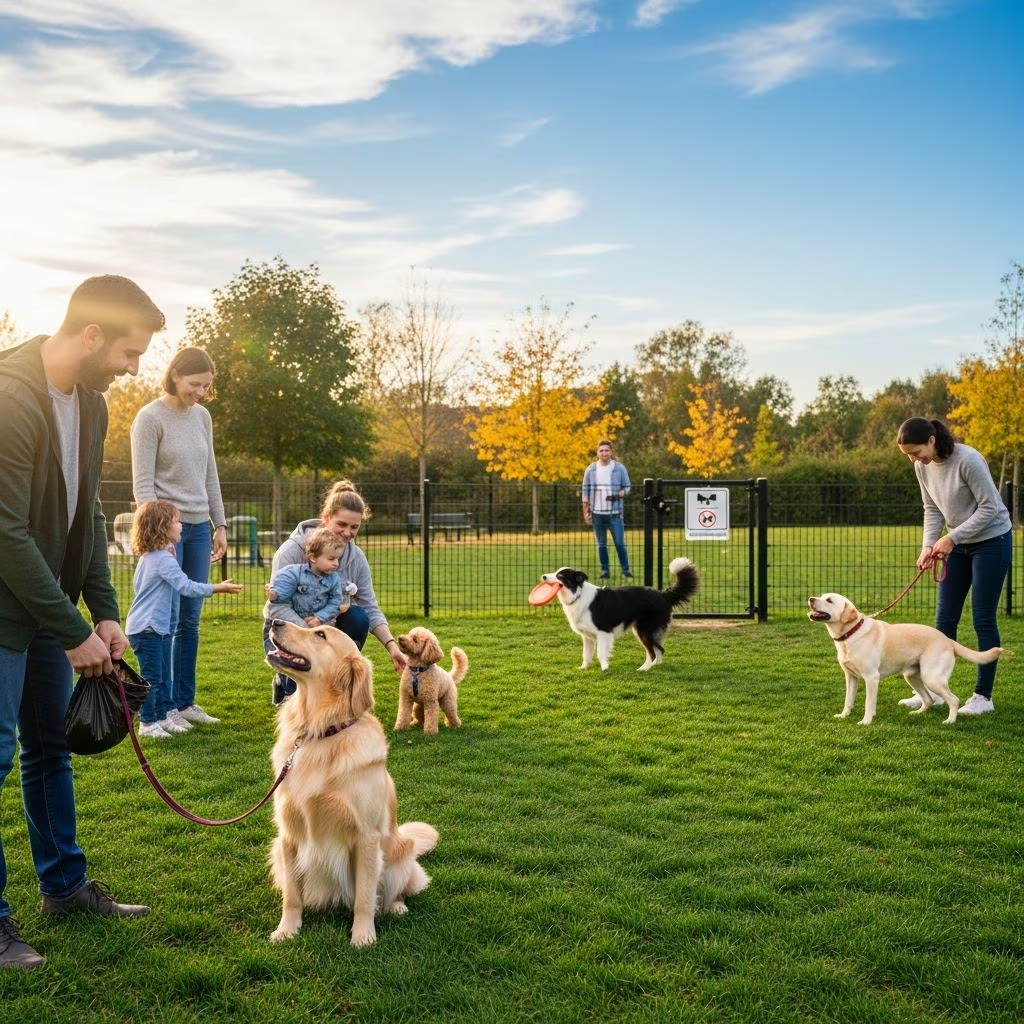
Dog parks provide valuable opportunities for exercise, socialization, and mental stimulation for dogs and their owners. However, maintaining proper etiquette ensures these spaces remain welcoming and secure for all. This guide outlines key practices drawn from established guidelines to help you navigate dog parks confidently.
Preparing Your Dog for the Park
Before heading to a dog park, assess your dog’s readiness. Well-socialized dogs that enjoy interacting with others thrive in these environments, while reactive or fearful pets may need alternative activities.
- Ensure vaccinations are current, including rabies, distemper, and bordetella, as many parks require proof.
- Confirm your dog is healthy; skip visits if showing illness symptoms like coughing or diarrhea.
- Check spay/neuter status and avoid bringing females in heat to prevent conflicts.
- Test socialization at home or quieter settings first to gauge comfort levels.
Scout the park beforehand without your dog to familiarize yourself with layout, rules, and atmosphere during off-peak times. This reconnaissance helps identify potential hazards like gaps in fencing or high-traffic areas.
Mastering Entry and Exit Procedures
Double-gate systems are standard in most dog parks to prevent escapes. Follow these steps precisely every time.
- Leash your dog before approaching; keep leashed until fully inside the inner gate.
- Enter the first gate, close it securely, then unlatch the second.
- Remove the leash only in the main play area to avoid tension between leashed and unleashed dogs.
- Exit similarly, leashing immediately in the buffer zone.
Move quickly away from gates upon entry to avoid overwhelming newcomers. Call your dog aside if it crowds arrivals.
Supervision and Owner Responsibilities
Constant vigilance is non-negotiable. Owners must remain within the fenced area, eyes on their dog at all times.
- Minimize phone use; stay alert to recall your dog instantly if needed.
- Supervise closely without leaving dogs unattended, even briefly.
- Leave children at home unless the park allows them and you’re confident in management.
Recognize your dog’s play style and intervene early on issues like excessive mounting, bullying, or resource guarding.
Recognizing Healthy Play vs. Warning Signs
Dogs communicate through body language. Distinguish normal play bows and chase games from stress signals.
| Healthy Play Signals | Warning Signs |
|---|---|
| Play bows (front down, rear up) | Rigid posture, tucked tail |
| Relaxed open mouth, bouncy movements | Growling, bared teeth |
| Take turns chasing | Intense staring, pinning others |
| Brief pauses to check in | Non-stop barking with hackles raised |
Monitor group dynamics; overcrowding can escalate tensions. Recall at first aggression signs and leave if unresolved.
Cleaning Up and Park Maintenance
Carry waste bags and scoop immediately after your dog eliminates. Dispose in provided receptacles promptly.
- Pick up even small amounts to maintain hygiene.
- Bring your own water and collapsible bowl; share communal sources cautiously.
- Avoid bringing food, toys, or treats that spark guarding.
If no facilities exist, pack out waste to respect shared spaces.
Respecting Size and Age Designations
Many parks divide into small and large dog areas. Adhere strictly, especially when busy.
- Small dog zones protect puppies and toy breeds from injury.
- Large dogs risk overwhelming smaller ones unintentionally.
- Supervise mixed interactions if areas merge, but prioritize safety.
Puppies under 6 months or seniors may fare better in quieter settings.
Handling Conflicts and Interventions
Never physically correct another owner’s dog. Politely alert the handler to concerning behavior.
- Use calm commands for your dog; avoid yelling or high-pitched noises that agitate groups.
- If aggression occurs, separate calmly without escalating.
- Leave immediately if your dog shows repeated issues.
Foster positive interactions by greeting fellow owners amiably.
Timing Your Visits Wisely
Avoid peak hours when parks are crowded, increasing overwhelm risks. Early mornings or weekdays suit novices.
- Observe crowd levels from outside before entering.
- Short initial visits build confidence gradually.
- Weather considerations: Shade and water are crucial in heat.
Rotate parks if one proves consistently chaotic.
Building Positive Social Experiences
Reinforce good behavior with praise during play. Use this as training time to practice recalls amid distractions.
Gradually expose dogs to varied groups to enhance adaptability. If challenges persist, consult trainers for socialization help.
Frequently Asked Questions
Is my puppy ready for the dog park?
Puppies should be at least 16 weeks old, fully vaccinated, and socialized. Start with calm sessions.
What if my dog doesn’t get along with others?
Skip dog parks; opt for leashed walks or playdates with known compatible dogs.
Can I bring treats or toys?
Limit to your dog only and avoid resource-heavy items. Ask permission before offering to others.
What about intact dogs?
Many parks restrict unspayed/unneutered dogs; females in heat are universally barred.
How do I know if play is too rough?
Watch for stress signals like yelping escapes or one-sided chasing. Interrupt and separate.
Long-Term Benefits of Proper Etiquette
Adhering to these practices not only prevents incidents but cultivates community respect. Responsible owners contribute to parks that remain open and enjoyable. Regularly evaluate your dog’s park suitability as needs evolve with age or training.
References
- Dog Parks Guidelines, Etiquette & Recreation — Districtgov.org. 2024-05-23. https://www.districtgov.org/wp-content/uploads/2024/11/dog-parks-guidelines-etiquette-recreation-0523.pdf
- The Complete Dog Park Guide: Etiquette, Safety & Success — Wagbar.com. N/A. https://www.wagbar.com/the-complete-dog-park-guide-etiquette-safety-success
- Become a Dog Park Pro: Mastering Dog Park Etiquette — Cincinnati Family Vet. N/A. https://www.cincinnatifamilyvet.com/services/dogs/blog/become-dog-park-pro-mastering-dog-park-etiquette-fun-and-safe-outing
- Proper Etiquette at the Dog Park — VCA Hospitals. N/A. https://vcahospitals.com/know-your-pet/proper-etiquette-at-the-dog-park
- Dog Park Etiquette — Palmetto Bay, FL Government. N/A. https://www.palmettobay-fl.gov/251/Dog-Park-Etiquette
- Dog Park Etiquette Every Pet Owner Should Know — SPCA BC. N/A. https://spca.bc.ca/news/dog-park-etiquette/



